



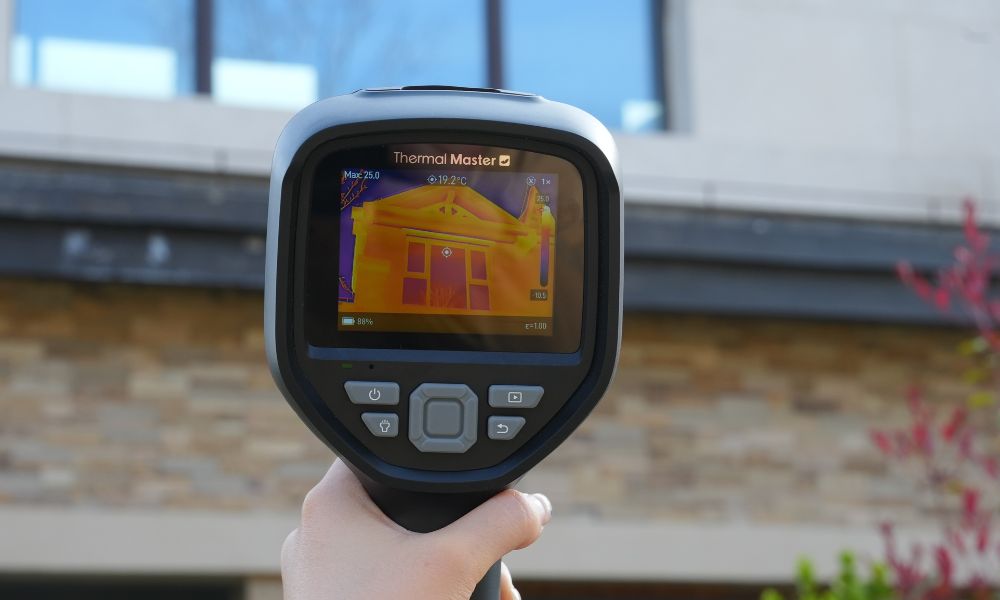
Many people wonder if thermal imaging cameras can penetrate walls. The answer is no! They cannot penetrate solid walls like X-rays. However, they can detect surface temperature changes caused by problems behind the wall, such as heat leaks, moisture, or electrical faults.
Understanding these differences will allow you to use thermal imaging technology more effectively, which we will explore below.
Why Can't Thermal Cameras See Through Walls?
Thermal cameras cannot penetrate walls because they cannot penetrate solid materials. They detect infrared radiation emitted from the surface of an object. Common wall materials such as drywall, brick, wood, and concrete block absorb infrared energy, preventing heat from reaching the camera.
Thermal cameras capture surface temperature changes caused by heat transfer. For example, a hot water pipe behind a wall might create a warmer area on the wall, or a missing insulation layer might create a cooler area. In these cases, the thermal camera detects the surface temperature distribution, not the object hidden within the wall.

What Are the Limitations of Thermal Cameras?
Thermal cameras are tools used for detection and diagnosis, but they also have some limitations. Here are some of these limitations:
1. Inability To Penetrate Solid Materials
Thermal cameras cannot penetrate objects; instead, they read the heat from the object's surface. For example, a person standing behind a wall will not be visible in a thermal image, but if heat is transferred to the wall over time, a warm area may appear on the wall.
2. Dependence On Temperature Difference
Thermal imaging is most effective when there is a significant temperature difference between the object and its surroundings. Conversely, if the water temperature behind a wall is close to the wall's temperature, it will be undetectable because it will produce almost no visible heat signal.
3. Environmental Conditions Affect Imaging Results
Sunlight, wind, rain, and humidity all change the surface temperature of an object. While there may be no problem behind a wall, a wall exposed to direct sunlight may appear hotter in a thermal image.
4. Thermal Signal Patterns
Hot spots in a thermal image may indicate electrical faults, friction, or poor ventilation. Thermal cameras can show abnormal temperatures, but further investigation is needed to determine the true cause.
5. Limited Detection Depth
Thermal cameras primarily detect temperature changes near the surface. For example, even when transporting hot water, the water may not exhibit visible surface temperature changes deep within pipes with thick insulation.
What Can Thermal Cameras See Through?
Thermal imaging cameras detect infrared radiation, not visible light, and can operate reliably in a wide range of environments. They don't capture visual details, but rather the temperature differences on an object's surface. Let's see what thermal imagers can see:
Dark and Low-Light Environments
Thermal imaging cameras do not require an external light source; they operate solely based on thermal signals. Whether driving at night on rural roads or monitoring poorly lit areas, they can detect people, animals, and vehicles by identifying temperature differences.
Smoke and Haze
In coastal areas and areas affected by wildfires, fog, smoke, and particulate matter in the air reduce visibility. Thermal imaging cameras can still detect heat under these conditions because infrared radiation is less affected by visual obstructions.
Thin Fabrics and Coverings
Thermal imaging cameras can detect human body heat by sensing the heat passing through or radiating from thin clothing, curtains, or bedding. While they cannot see fine details, they can identify the presence and general outline of heat sources.
Drywood and Wood Surfaces
In North America, many homes have walls constructed from drywood and wood framing, materials that transfer heat from objects behind them. Thermal imagers can detect heat loss, gaps in insulation, or hot water pipes by detecting temperature differences in the walls.
Plastics and Non-metallic Materials
Some thin plastics and non-metallic casings allow infrared radiation to penetrate or be detected indirectly. Thermal imagers can identify overheated components inside electronic devices, vehicles, or machinery without requiring disassembly.
Solid Obstacles and Limitations
Thermal imagers cannot penetrate solid obstacles such as metal, thick concrete, or solid glass because these materials block or reflect infrared radiation. Therefore, thermal imagers can only display the surface temperature of the object itself.
What Factors Affect the Accuracy of Thermal Cameras?
The accuracy of a thermal imager is influenced by several factors, including the equipment itself, environmental conditions, and its intended use. Understanding these factors will help you obtain reliable measurement results. Below are some common influencing factors:
- Surface Emissivity: High-emissivity surfaces, such as wood or fabric, are easier for thermal imagers to read accurately, while shiny metal or glass reflects heat, leading to inaccurate readings. Therefore, you need to adjust the emissivity of the thermal imager according to the material.
- Distance From The Target: The farther the thermal imager is from the target, the weaker the thermal signal and the lower the accuracy. For example, to detect people on a distant rooftop, precise positioning and a higher-resolution thermal imager are required to observe the target.
- Environmental Conditions: Ambient temperature, wind, rain, humidity, and sunlight all affect readings. For example, slight fluctuations can occur in coastal or humid areas, while direct sunlight can cause uneven heating of the surface, making it more difficult to measure the true temperature.
- Thermal Imager Resolution and Sensor Quality: High-resolution thermal imagers with advanced sensors can capture more subtle temperature differences. Entry-level thermal imagers can only detect general thermal patterns, making it difficult to capture details.
- Angle and Line of Sight: The angle at which the camera views the surface also affects detection results. For example, a tilted angle may reflect background heat or obscure details. A clear, direct line of sight improves reliability.
- Calibration and Maintenance: Regular calibration and keeping the lens clean ensure stable performance. Dirty or misaligned lenses, as well as sensors that have been used for a long time, can cause reading distortion, especially in frequently used or older equipment.
What Are the Common Types of Thermal Cameras?
There are various types of thermal imaging cameras, each designed for different applications and environments. Below are some common types of thermal imaging cameras:
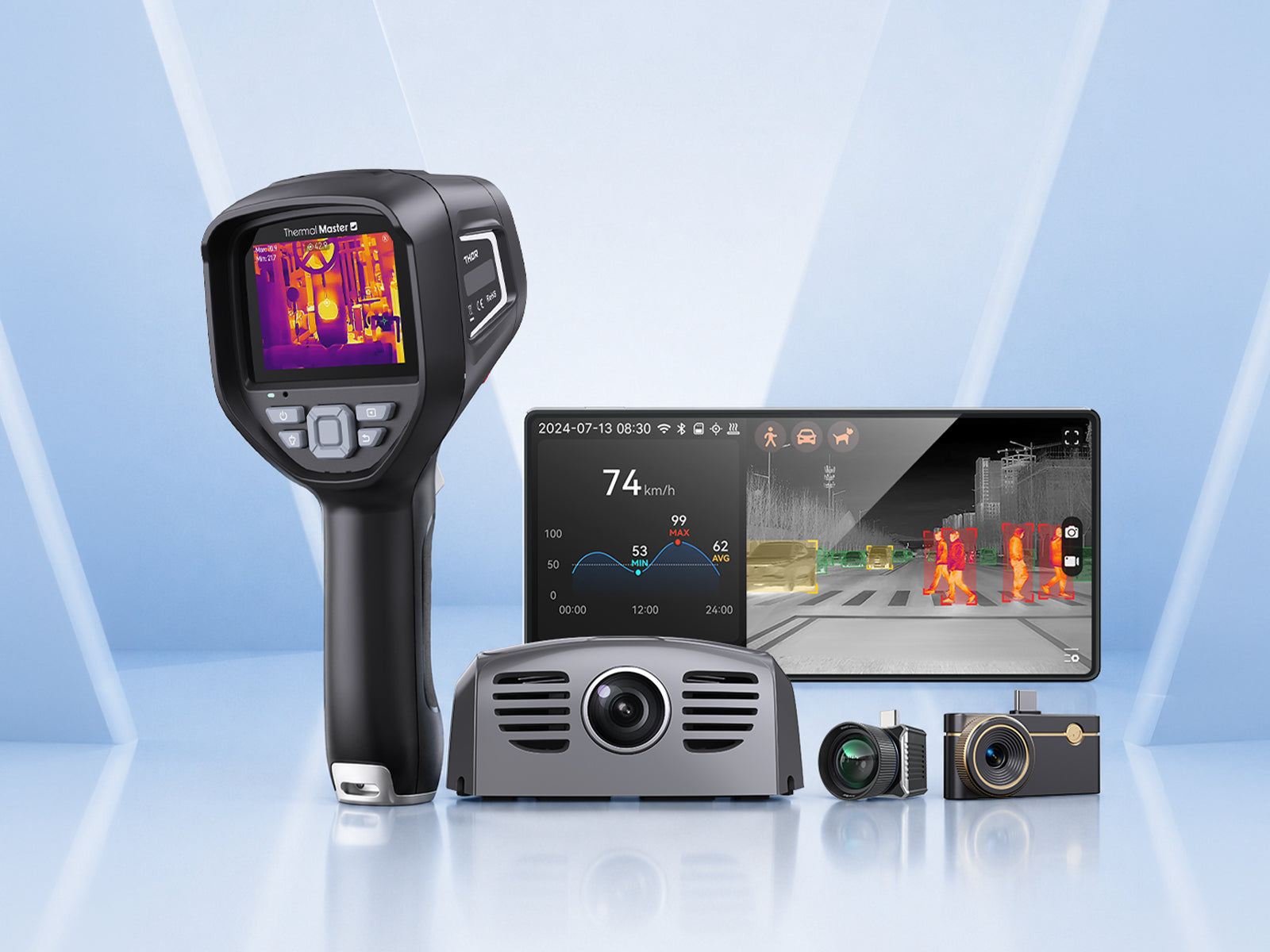
- Handheld Thermal Cameras: Portable and easy to use, handheld thermal cameras are ideal for on-site inspections, HVAC system testing, or electrical troubleshooting. For example, the Thermal Master Thor thermal imager provides high-resolution images and accurate temperature readings, making it ideal for both home and industrial applications.
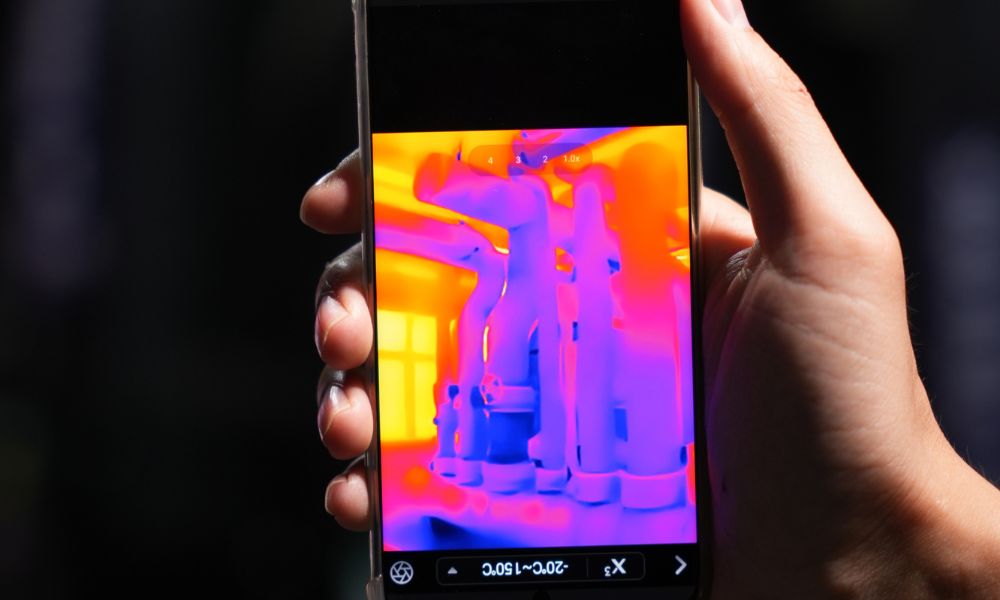
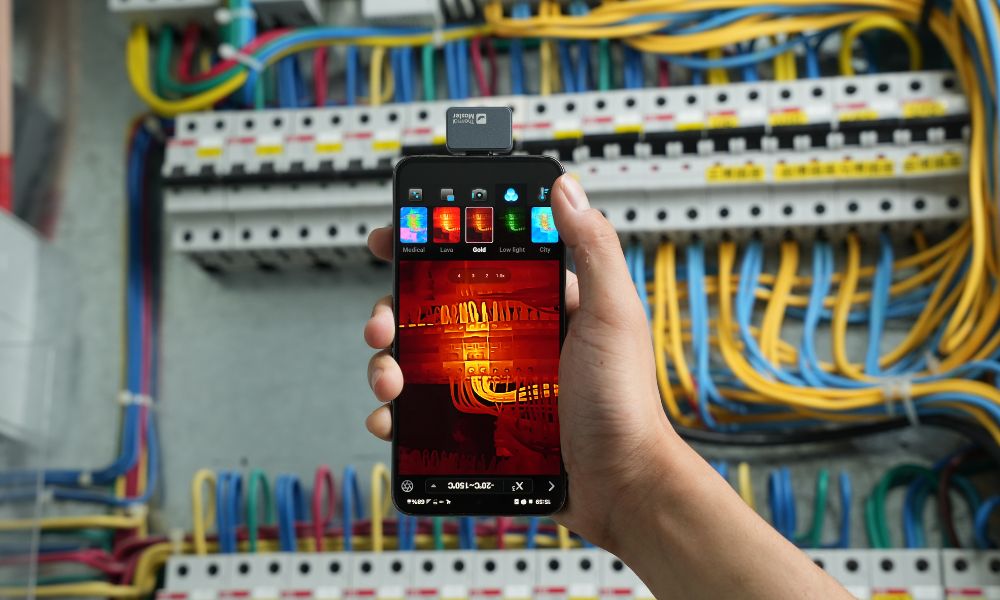
- Smartphone Thermal Cameras: Smartphone thermal imagers connect directly to your phone, offering convenience and speed for inspections anytime, anywhere. The Thermal Master P3 is well-suited for on-the-fly inspections, such as checking electronic devices or circuit boards.
- Fixed-Mount Thermal Cameras: Fixed thermal imagers are installed in a fixed location for continuous monitoring, ideal for detecting equipment overheating, monitoring the surrounding environment, or long-term environmental observation. Examples include industrial plants, security systems, or research facilities.
- PTZ (Pan-Tilt-Zoom) Thermal Cameras: Pan-tilt cameras combine thermal imaging with motorized pan, tilt, and zoom capabilities, enabling you to track moving targets over a wide area. Moreover, they are often used for security monitoring or wildlife observation, and cameras like the Knight Gimbal Camera offer this kind of flexibility.

Conclusion
Thermal imaging cameras are excellent for detecting heat and temperature differences, but they cannot penetrate walls, clothing, or windows. They work by capturing changes in surface temperature, which can help you detect problems such as heat leaks, moisture, or electrical faults. Keep in mind that factors such as materials, distance, and environment can affect the accuracy of a camera. Understanding these limitations can help you use thermal imaging technology more effectively for inspection and monitoring.
FAQs
Can a thermal camera see through clothes?
Thermal imaging cameras cannot penetrate clothing. They can only detect heat from the surface of an object, so clothing blocks the camera from directly capturing human body temperature. You can only see the thermal pattern on the surface of the clothing, which may show the body temperature underneath, but the camera cannot reveal details hidden by the fabric.
Can thermal vision see through smoke?
Thermal imaging technology can penetrate smoke to some extent. Unlike visible light, thermal imagers detect heat, not light, passing through the air, so smoke doesn't completely obstruct vision. This allows thermal imaging to help firefighters or rescue teams locate people and hotspots in smoke-filled environments, but extremely dense smoke can still reduce image clarity.
Can a thermal imaging camera see through Windows?
Thermal imaging cameras cannot penetrate windows. Most glass blocks infrared radiation, so thermal imaging cameras can only capture the temperature of the glass surface and cannot see objects or people behind the glass. This means you can detect thermal changes on a window, such as cold air or sunlight, but you cannot see objects or people on the other side of the window.

Leave a comment
All comments are moderated before being published.
This site is protected by hCaptcha and the hCaptcha Privacy Policy and Terms of Service apply.