


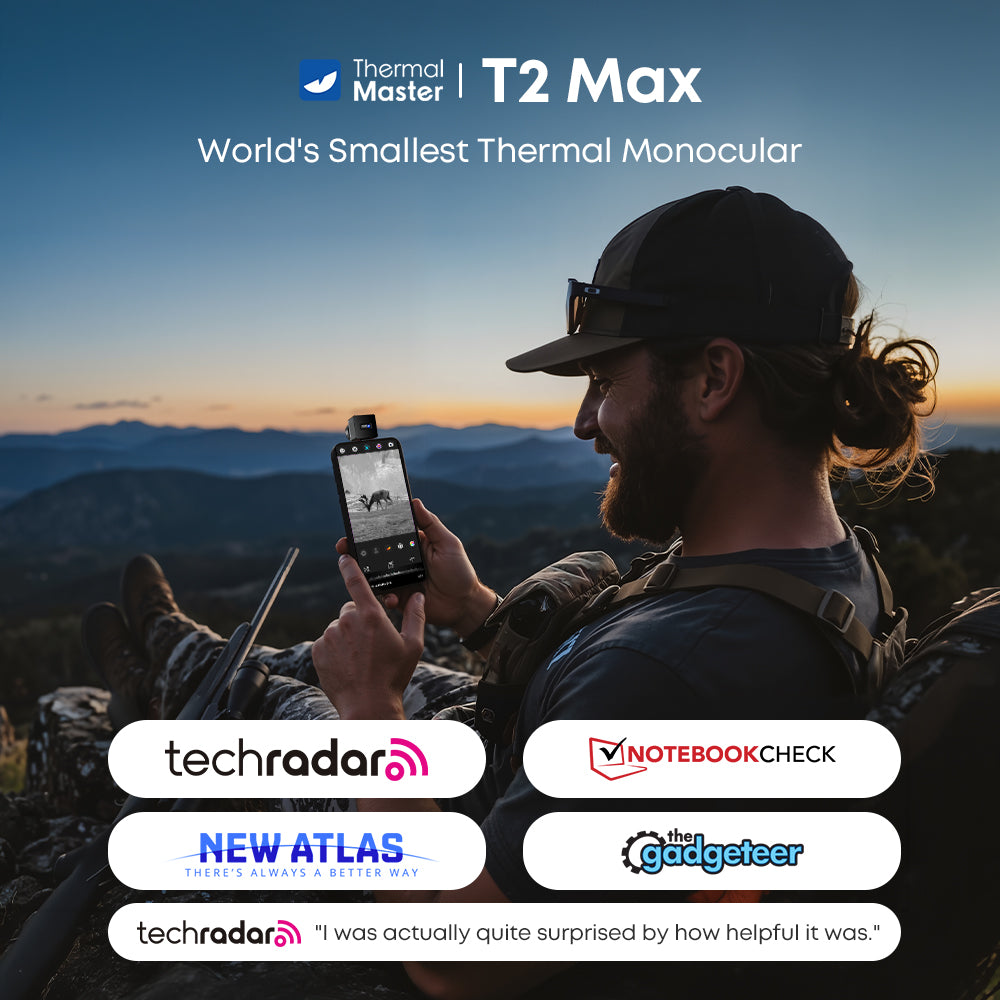
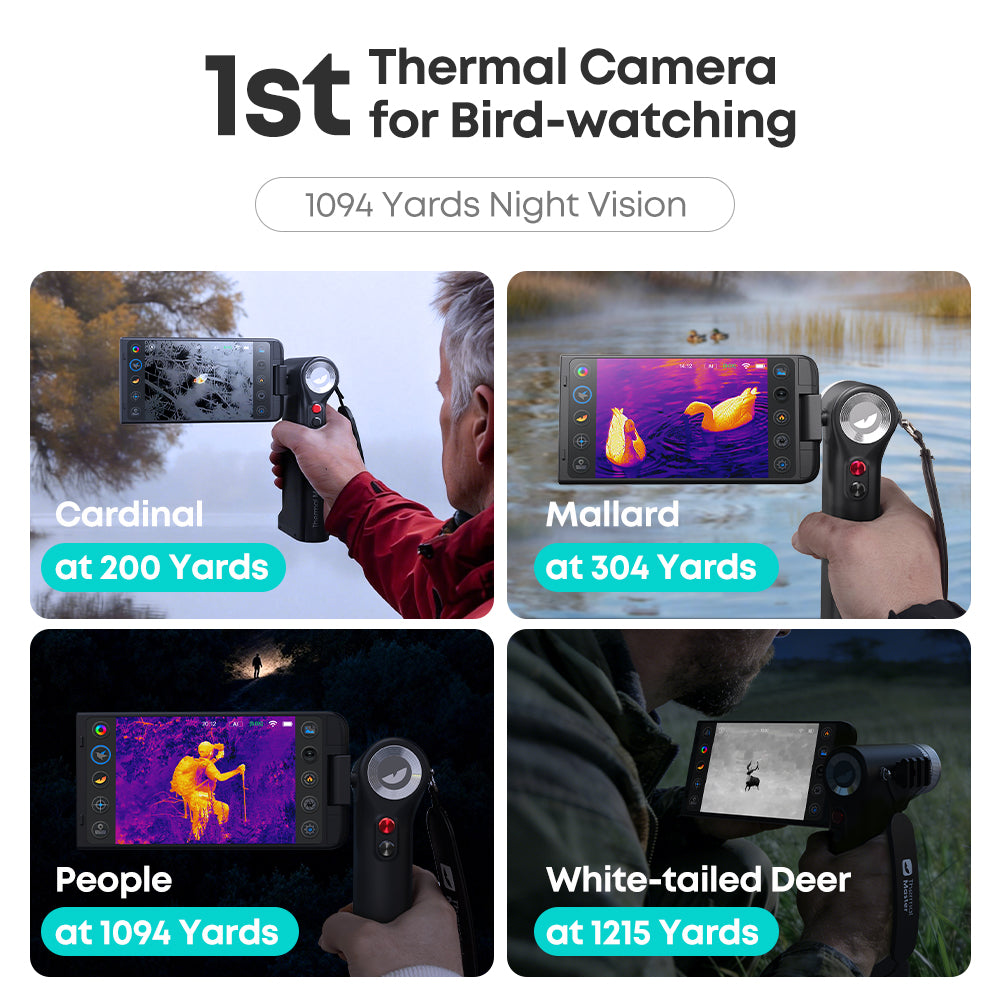
Use a Thermal Master thermal camera for bird watching to easily detect movement, locate birds, and observe wildlife clearly. Enhance visibility and track bird activity with greater precision.
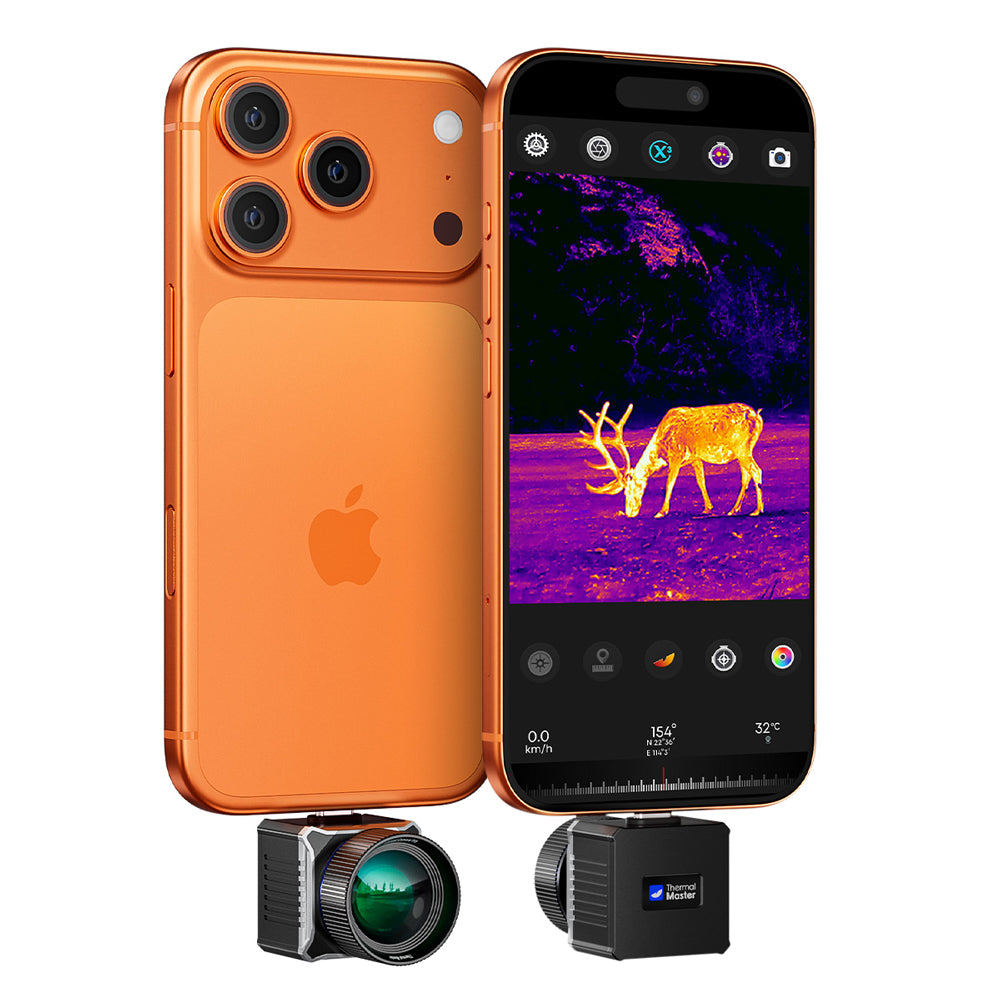
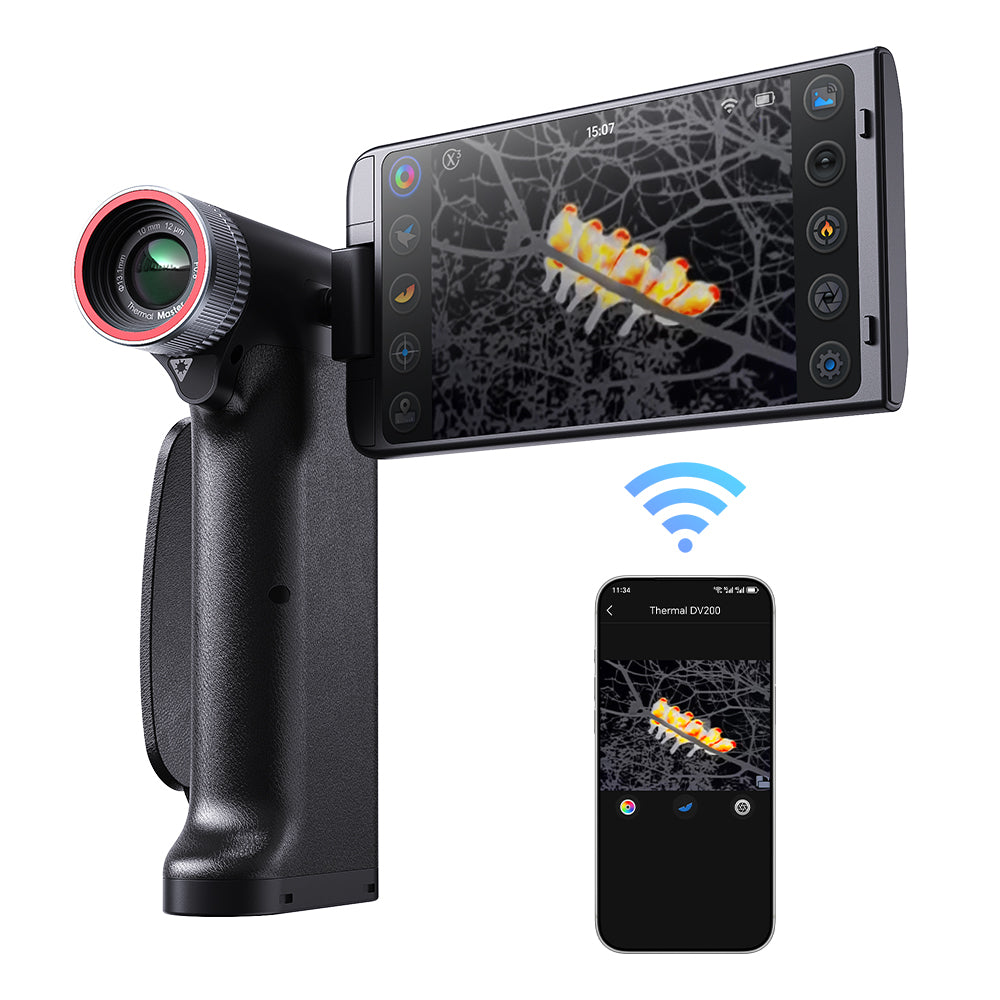
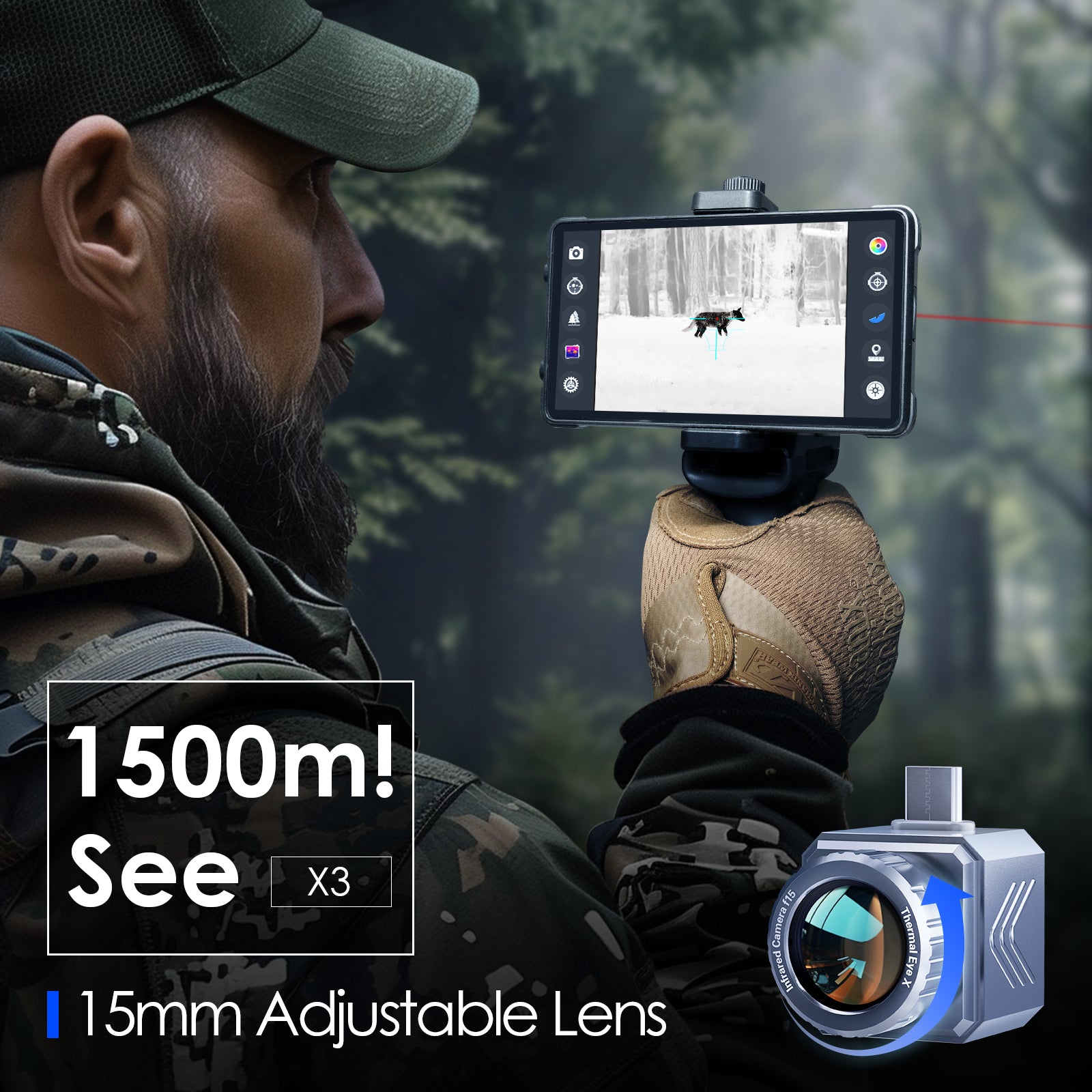
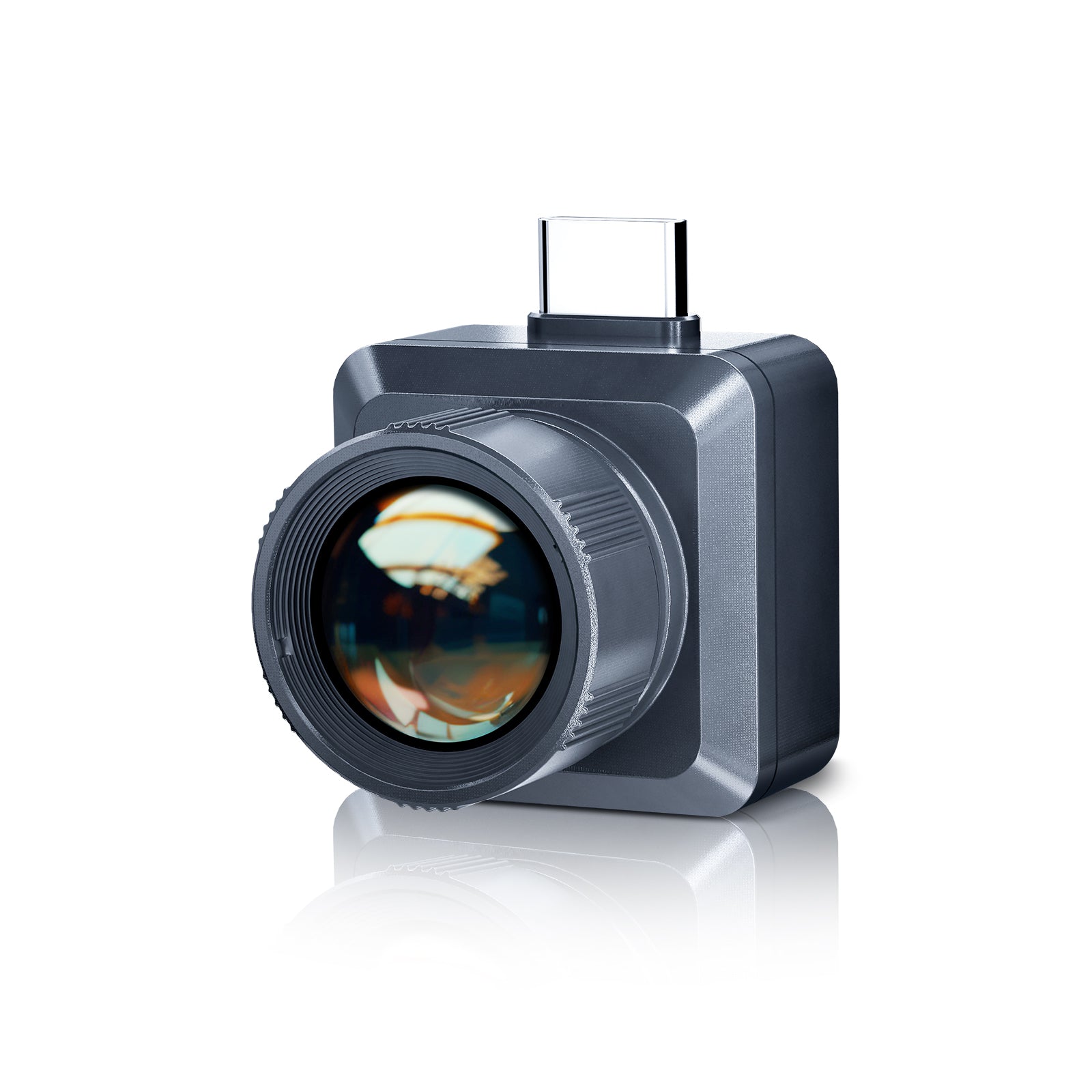
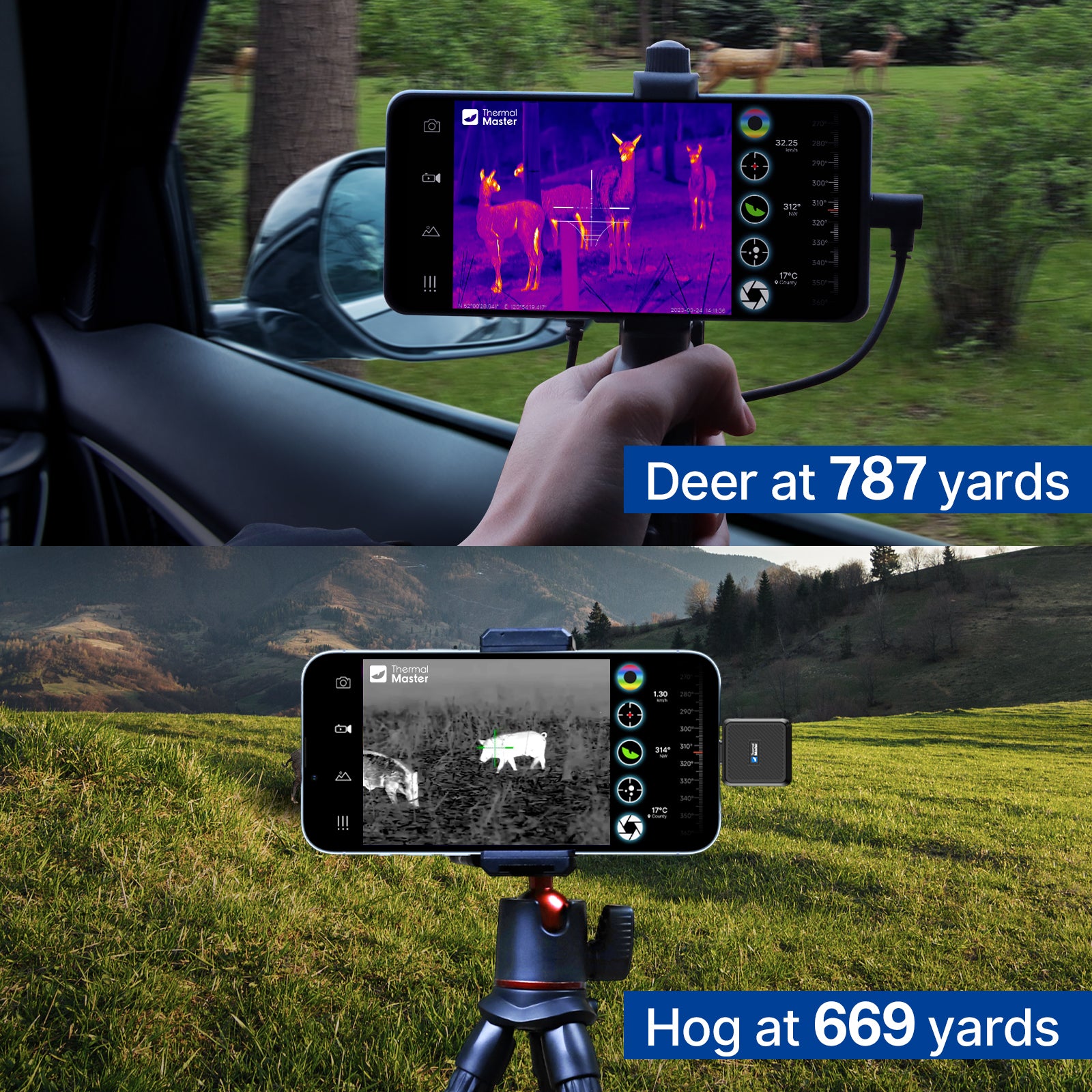
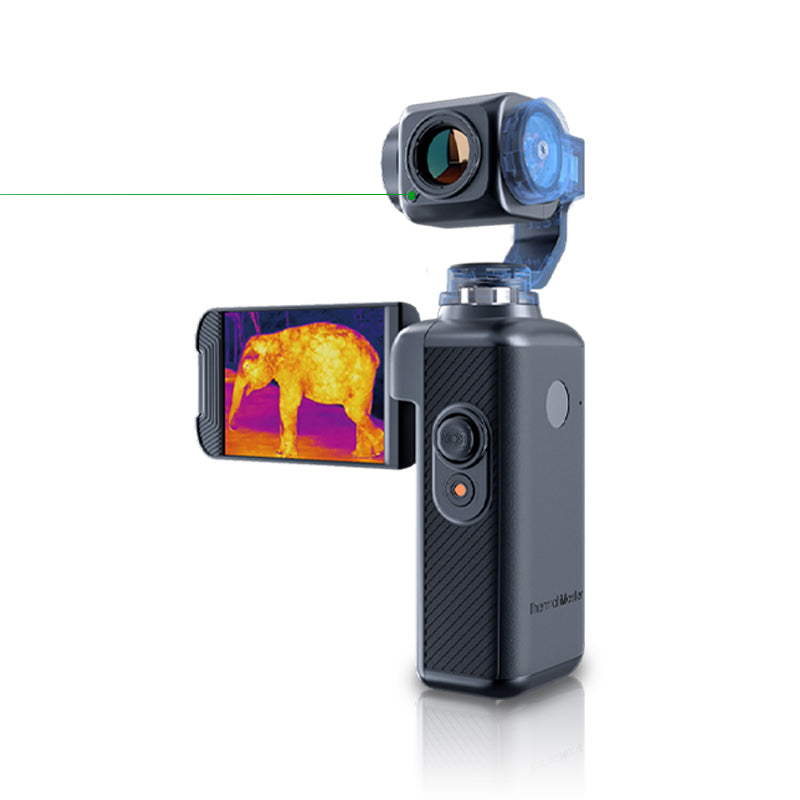
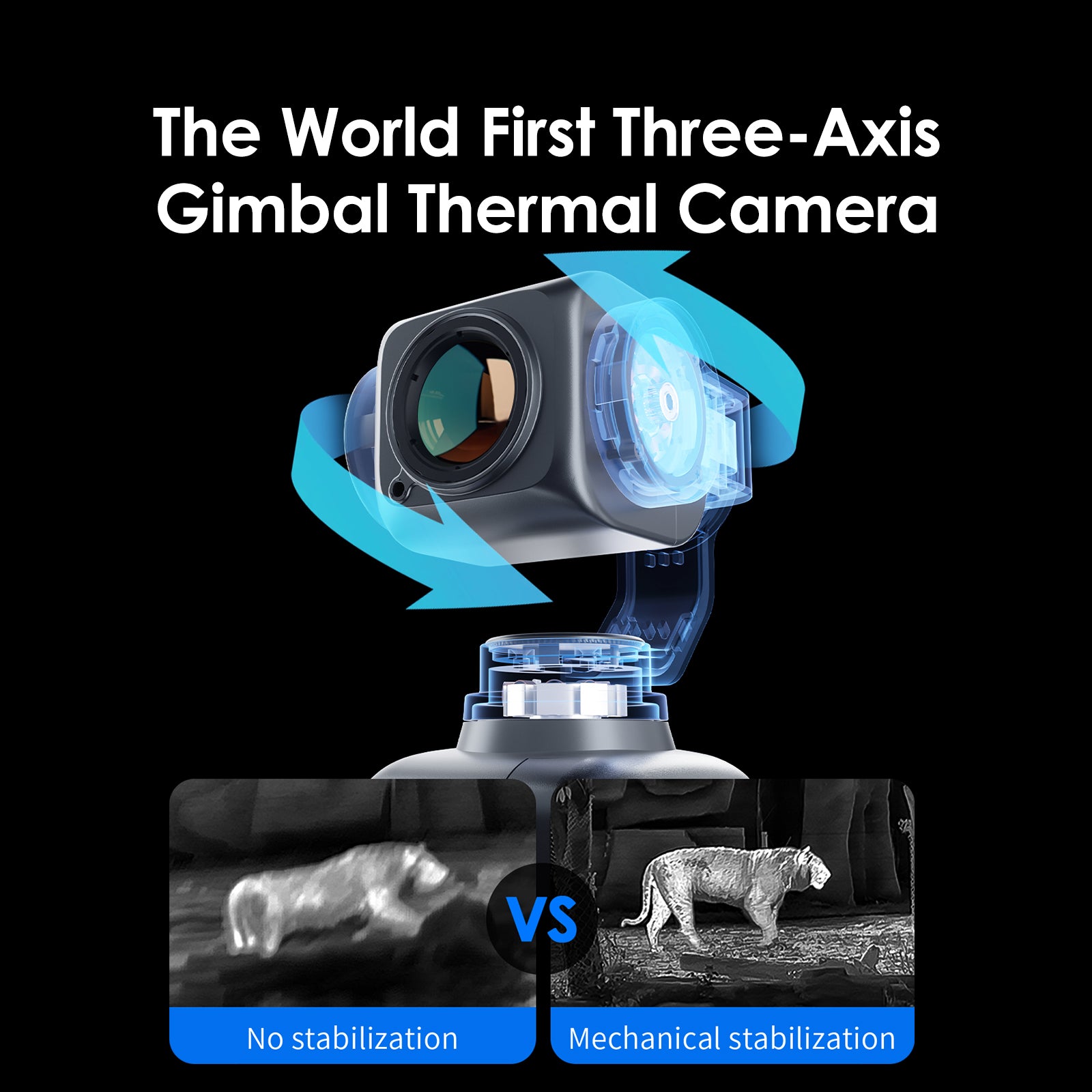
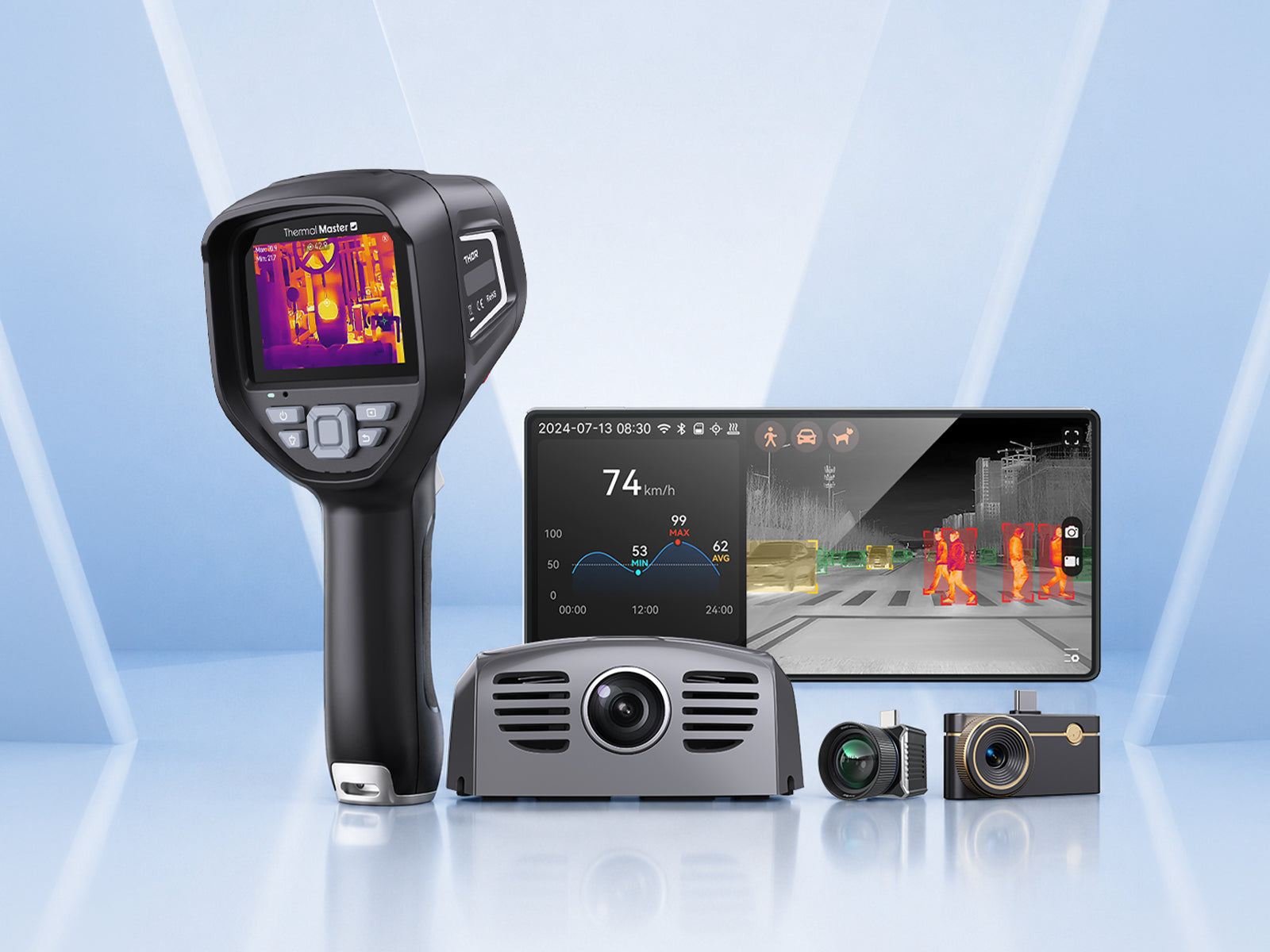
Product Comparison
How Do Thermal Monoculars Work?

Razor X
Thermal Master holds the core technology of thermal imaging, independently developing leading high-sensitivity detectors and ASIC image processors. At the heart of this is the powerful Razor X image processing engine, which combines AI deep learning to intelligently suppress noise and interference.
Razor X analyzes each captured frame in real-time, adapting the optimal algorithm based on different scenarios to enhance the dynamic range of the image. This not only makes the image clearer and sharper but also highlights the targets more prominently.
X³ Turbo Super-Resolution
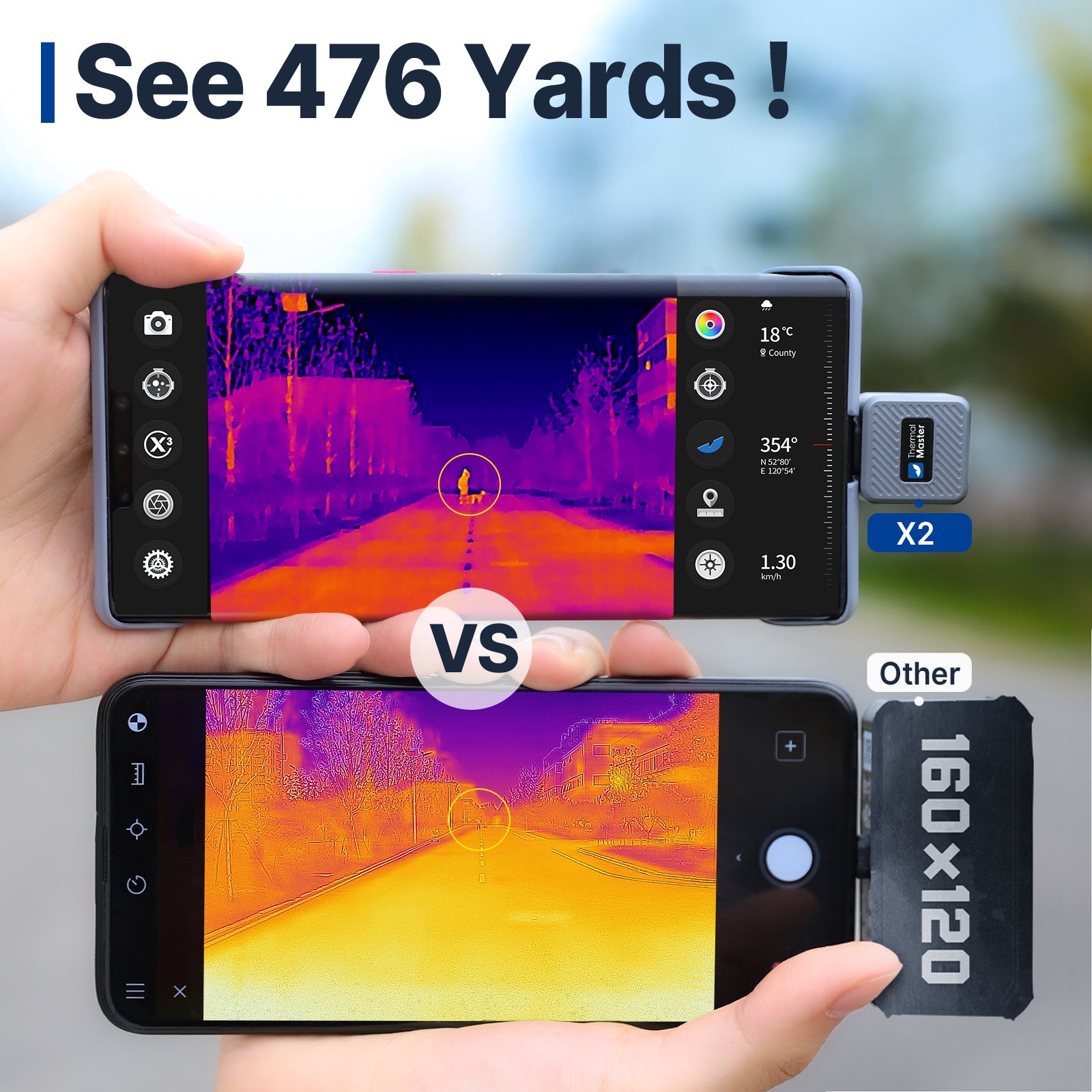
Breaking the physical pixel boundaries of infrared detectors, our X³ technology elevates resolution from 256 to 512. While restoring true images, X³ technology uses millions of data points, leveraging neural network deep learning algorithms and multi-scene intelligent AI recognition to perform real-time smart interpolation. This results in more detailed and refined images, making distant, subtle targets easily discernible even in complex outdoor environments.
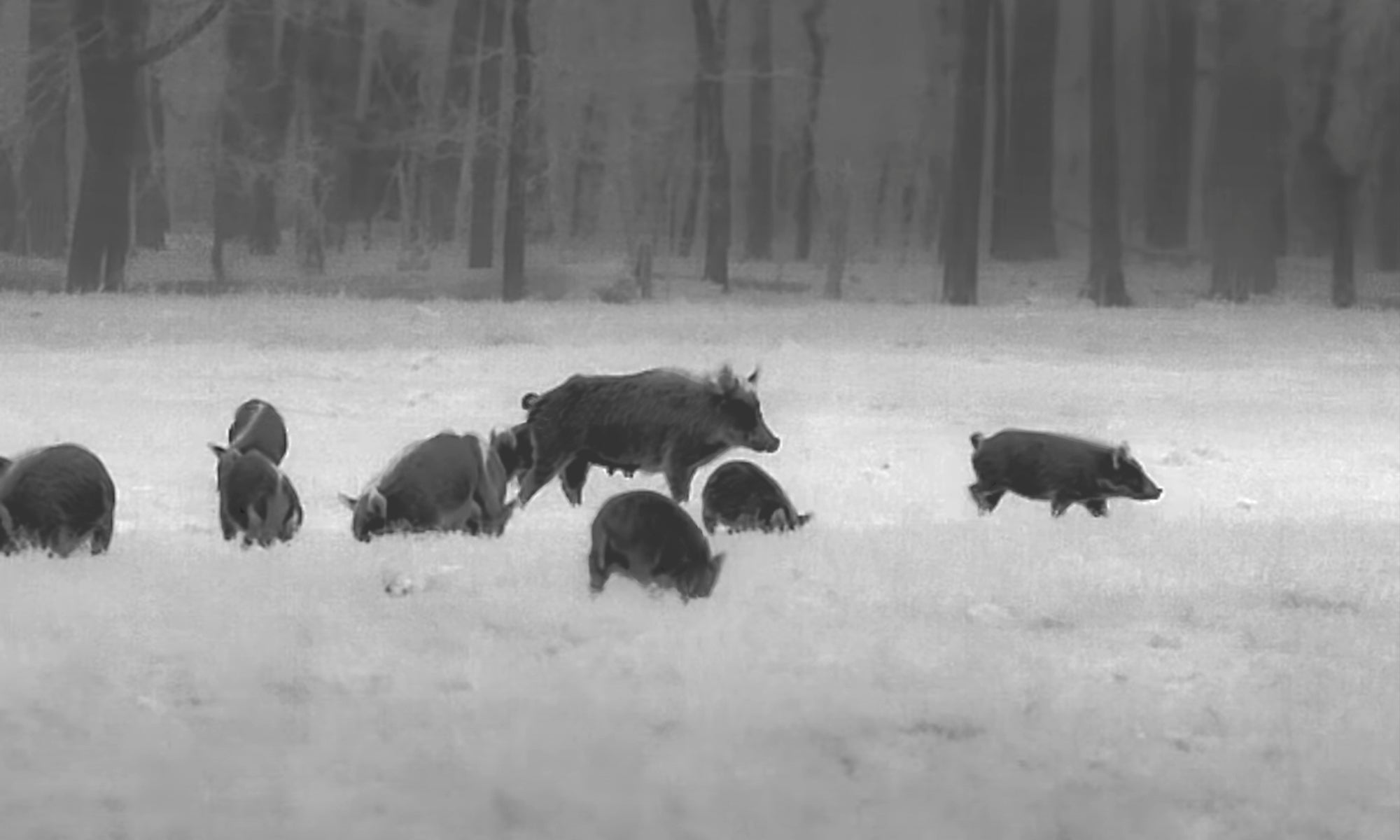
X³ Off
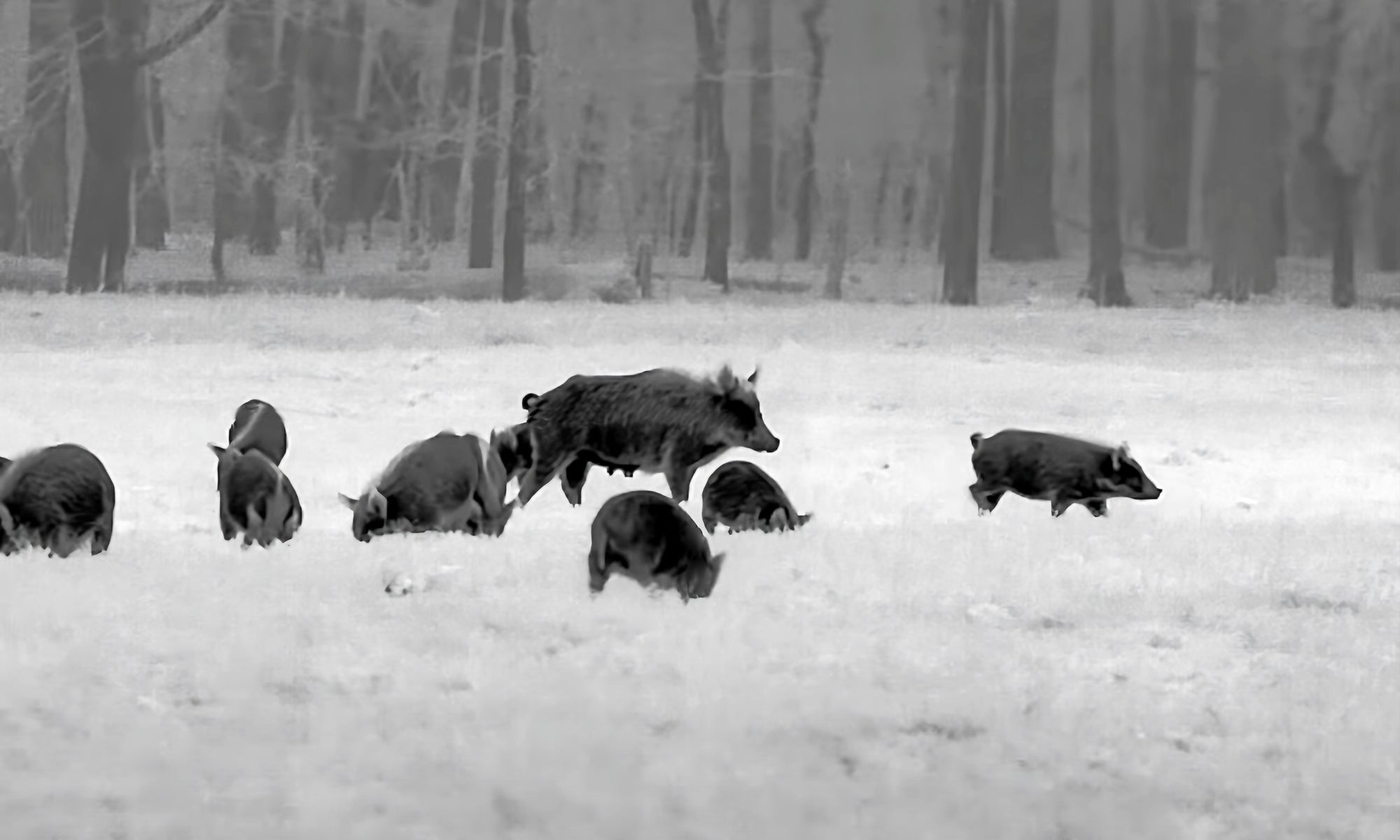
X³ On
Insight+
The intelligent false target elimination system. When using thermal imaging in high ambient temperatures, outdoor rocks and tree trunks can appear bright and be confused with actual targets. Insight+, based on millions of data points and AI deep learning, intelligently distinguishes between real and false targets across different scenes such as jungles, hills, and plains, revealing the truth at a glance.
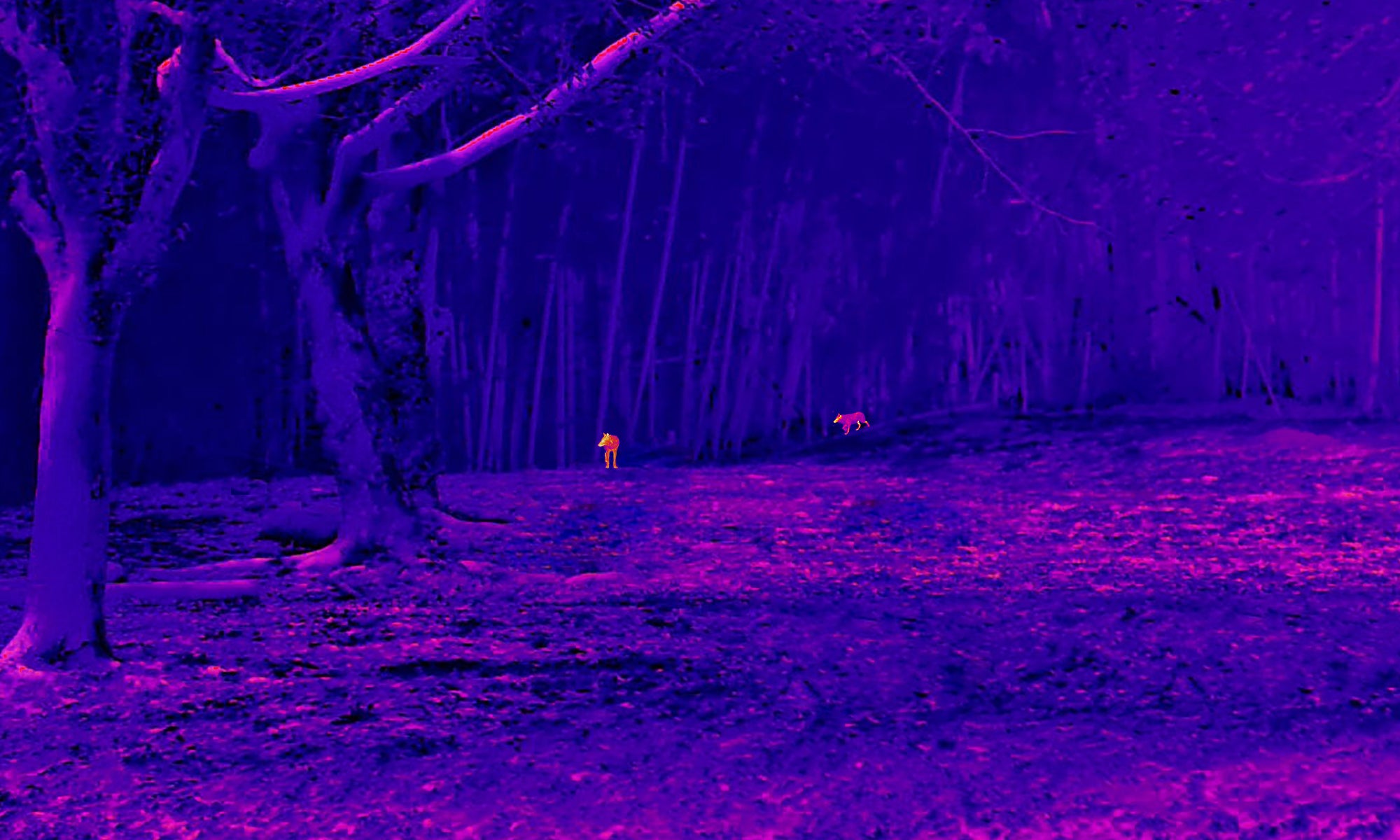
Without Insight+
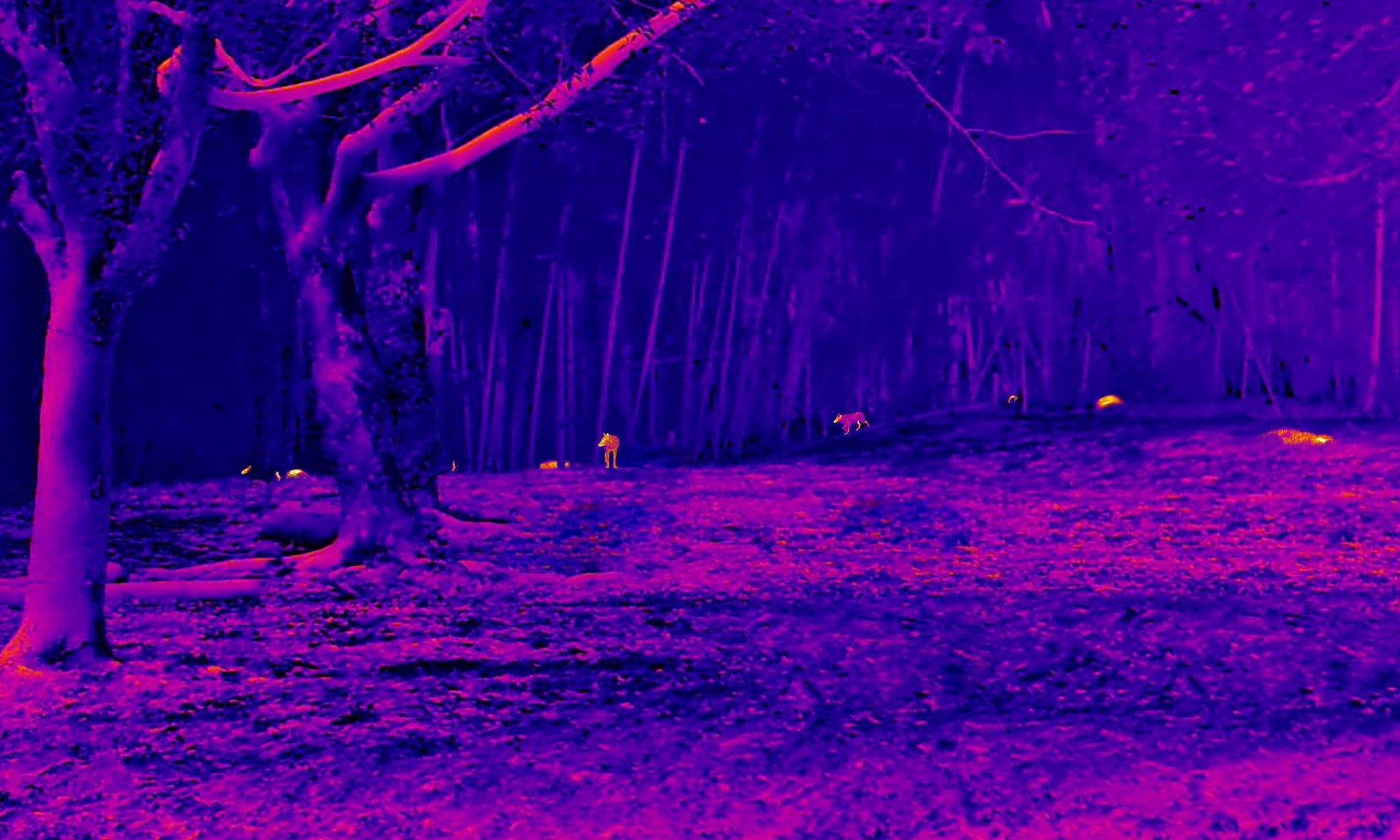
With Insight+
Super Bird
The "sky effect" in thermal imaging is a challenge for outdoor enthusiasts. When viewing birds in trees or wild boars in distant grass, the sky entering the thermal image can cause tree trunks and grass to appear bright, blending the target into the background. Super Bird surpasses other thermal imaging "Bird" modes by suppressing the sky effect to the extreme, earning it the nickname "Magician" among outdoor players.


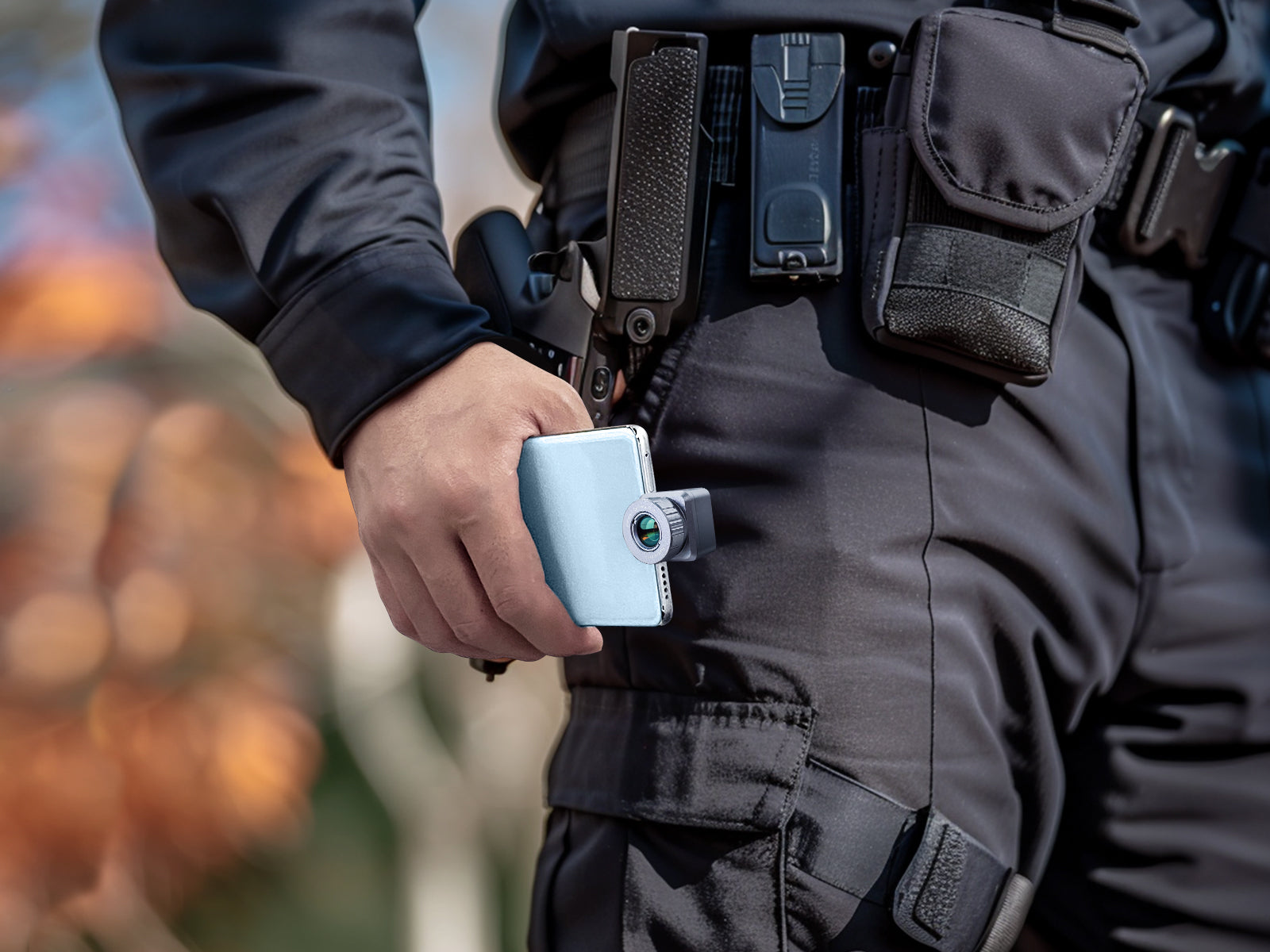
When using a phone thermal imager outdoors, screen light can expose the observer, startling the target. Thermal Master’s exclusive Ninja mode for long-focus thermal imaging ensures complete stealth in the dark beyond 2 meters, emitting no light. Law enforcement and security personnel can remain invisible in the darkness. "I see you, but you don’t see me."
When using a phone thermal imager outdoors, screen light can expose the observer, startling the target. Thermal Master’s exclusive Ninja mode for long-focus thermal imaging ensures complete stealth in the dark beyond 2 meters, emitting no light. Law enforcement and security personnel can remain invisible in the darkness. "I see you, but you don’t see me."
Thermal Monocular FAQs
Can a thermal hunting scope be used in fog or smoke?
Can a thermal hunting scope be used in fog or smoke?
In many cases, a thermal hunting scope performs better than traditional optical scopes in light fog or smoke because it detects heat rather than relying on visible light. This can improve target detection when visibility is reduced by environmental conditions.
However, heavy fog, dense smoke, or extreme weather can still limit image clarity and detection range. Even so, a thermal hunting scope often offers more reliable performance than standard optics in challenging environments.
Can a hunting scope be used for wildlife observation?
Can a hunting scope be used for wildlife observation?
Absolutely, a hunting scope with thermal imaging is also widely used for wildlife observation and monitoring. It allows you to observe animals from a distance without disturbing their natural behavior, especially at night.
This makes thermal scopes useful for research, conservation, and outdoor exploration in addition to hunting. Using a hunting scope for observation provides a discreet way to study animal movement and behavior in their natural habitat.
Does a thermal scope require batteries?
Does a thermal scope require batteries?
Yes, a thermal scope requires batteries to power its sensor, image processor, and display system. Battery life varies depending on usage, brightness settings, and environmental temperature, so power management is an important consideration.
For longer hunting trips, carrying spare batteries or a backup power source is strongly recommended. Reliable power ensures that a thermal scope remains operational when needed most, especially during extended nighttime or remote hunting sessions.
Can a hunting scope be used at night?
Can a hunting scope be used at night?
Yes, a hunting scope equipped with thermal imaging is highly effective for nighttime use. Unlike traditional optical scopes that rely on moonlight or artificial illumination, thermal scopes detect heat directly from animals.
This allows hunters to maintain visibility even in complete darkness or low-contrast environments. A thermal-enabled hunting scope provides consistent detection throughout the night, helping hunters track movement and identify targets without relying on external light sources.
How do I choose the right thermal hunting scope?
How do I choose the right thermal hunting scope?
Choosing the right thermal hunting scope starts with understanding how and where you hunt. Factors such as typical shooting distance, terrain type, and whether you hunt primarily at night or during the day all influence which features matter most.
Hunters in open areas may prioritize longer detection ranges, while those in dense forests may value compact size and fast image refresh. Selecting a thermal hunting scope that aligns with your real hunting habits ensures better performance and long-term satisfaction without unnecessary complexity.
Can a thermal hunting scope be used for hunting?
Can a thermal hunting scope be used for hunting?
Yes, a thermal hunting scope is specifically designed for hunting and is widely used by hunters who need reliable target detection in low-light or nighttime conditions. Instead of relying on visible light, it detects heat signatures emitted by animals, making it easier to locate game even when visibility is limited by darkness, vegetation, or terrain.
This capability is especially useful for identifying animals that are partially hidden or not moving. By using a thermal hunting scope, hunters can improve situational awareness, reduce missed sightings, and make more informed decisions while maintaining safety and accuracy in challenging hunting environments.
Can a thermal scope be used during the day?
Can a thermal scope be used during the day?
Yes, a thermal scope can be used effectively during the day because thermal imaging technology is not affected by sunlight or brightness. It detects temperature differences between objects and their surroundings, which remain present regardless of lighting conditions.
During daytime hunts, animals often rest in shaded areas, tall grass, or dense cover where they are difficult to spot with traditional optics. In these situations, a thermal scope can reveal heat signatures that are otherwise invisible, helping hunters identify animal presence even when visual contrast is low.
How do I maintain a thermal scope?
How do I maintain a thermal scope?
Proper care is essential to ensure a thermal scope continues to perform reliably over time. Maintenance includes gently cleaning the lens with appropriate materials, protecting the device from moisture, dust, and impacts, and storing it in a protective case when not in use.
It is also important to avoid exposing the device to extreme temperatures or sudden environmental changes. Regular inspection and responsible handling of a thermal scope help preserve image clarity, extend equipment lifespan, and ensure consistent performance during every hunting season.
What features should I look for in the best thermal scope?
What features should I look for in the best thermal scope?
When searching for the best thermal scope, it is important to evaluate features that directly affect real-world performance rather than focusing only on specifications. Sensor resolution and thermal sensitivity influence how clearly animals stand out from the background, while detection range determines how far targets can be identified.
Battery life, durability, and image processing quality also play a significant role in field usability. The best thermal scope is one that balances image clarity, reliability, and ease of use to match your specific hunting conditions.