



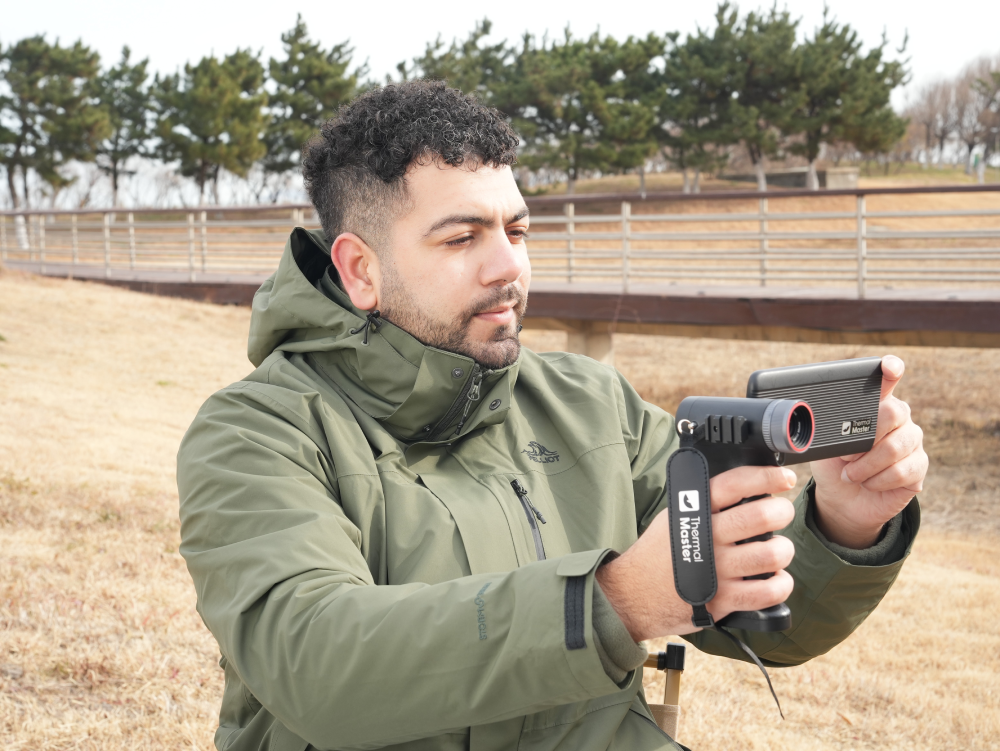
Thermal binoculars are popular among bird watchers and wildlife enthusiasts because they help locate animals by detecting heat. They work in low light and can reveal wildlife that is difficult to spot with regular binoculars. However, not everyone prefers looking through eyepieces. Some bird watchers are considering devices like the Thermal Master DV2 for a different viewing experience. So which option makes more sense?
Thermal Binoculars vs. Thermal Master DV2: What's Different?
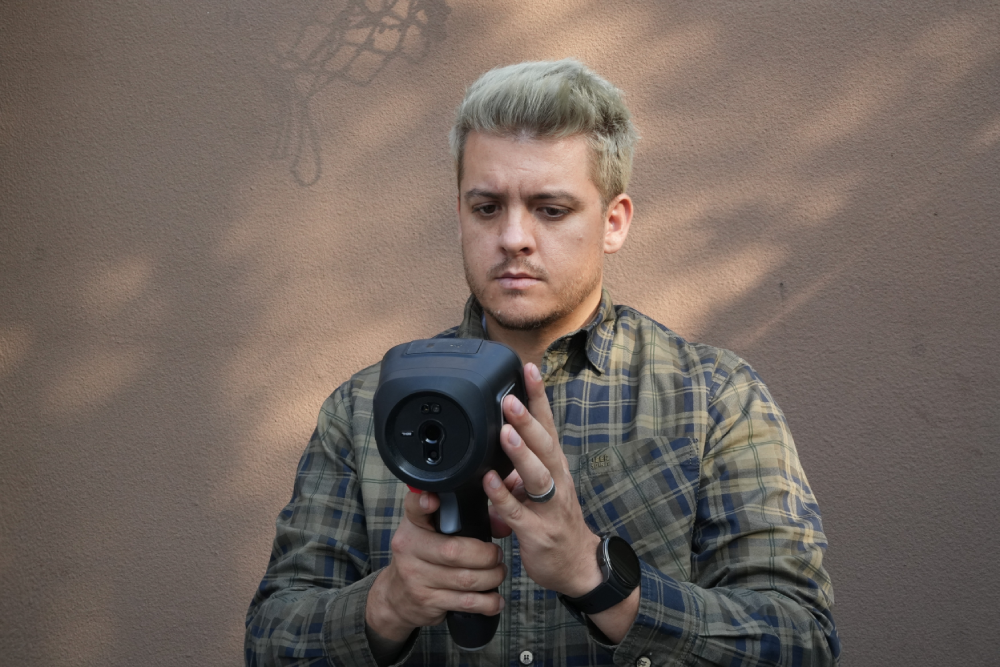
The Thermal Master DV2 offers a different way to observe wildlife. Instead of looking through eyepieces, users can scan their surroundings on a flip-out screen. This makes it easier to adjust viewing angles, switch between thermal imaging and normal observation, or share what they see with others. For bird watchers who wear glasses or prefer a more flexible viewing position, this design may be more convenient.
Thermal binoculars, on the other hand, allow users to observe wildlife through two eyepieces. This familiar viewing style can feel natural for people who regularly use traditional binoculars, especially when watching distant animals. However, holding them at eye level for long periods can become tiring, and some models can be bulky to carry on outdoor trips.

Bird Watching with Thermal Binoculars and DV2
Watching Birds for Extended Periods
Sometimes bird watching means standing in the same spot for half an hour, waiting for something to appear. Thermal binoculars offer a familiar two-eye viewing experience, but holding heavier models at eye level can become tiring.
With the DV2's 5-inch flip-out screen, you can lower the device and adjust the viewing angle instead of keeping it against your face. This may be more comfortable for people who wear glasses, and it's easier to show someone else what you've found.

Tracking Birds on the Move
Birds often move quickly between branches, making them difficult to follow. With traditional two-eyepiece devices, users typically scan the scene and identify heat signatures by looking through the eyepieces. When several warm objects appear in the same area, keeping track of a moving bird can become challenging.
The DV2 offers a hotspot tracking feature that automatically highlights the hottest area in the image, helping users locate potential targets while scanning. This can be useful when a bird moves between branches or briefly disappears from view. However, the hottest spot isn't always a bird, so users still need to check the surrounding details.
Finding Birds Hidden in Trees and Bushes
You hear a bird calling from somewhere in the trees, but you can't tell which branch it's sitting on. Thermal binoculars help you search for body heat instead of relying on feather colors or movement. This can be useful when a bird blends into the surrounding branches.
The DV2 offers a different way to search. Its screen lets you scan the tree without keeping the device pressed against your eyes. You can also adjust the manual focus when switching between nearby bushes and distant branches. Its thermal sensitivity helps reveal small temperature differences, making a warm bird easier to distinguish from a cooler background under suitable conditions.
Of course, neither device can see through thick leaves. The best approach is to listen for the bird, narrow down its possible location, and then scan the gaps between branches. You may need to move a few steps to get a clearer view.


Which Option Makes More Sense for Your Needs?
Traditional two-eye thermal devices are a good choice for those who prefer looking through eyepieces, while the DV2 offers more flexibility with its screen-based design. Both can help locate wildlife, but neither replaces regular binoculars for identifying birds. The better choice depends on your viewing habits, budget, and where you plan to use it.
Thermal Master DV2 for Bird Watching
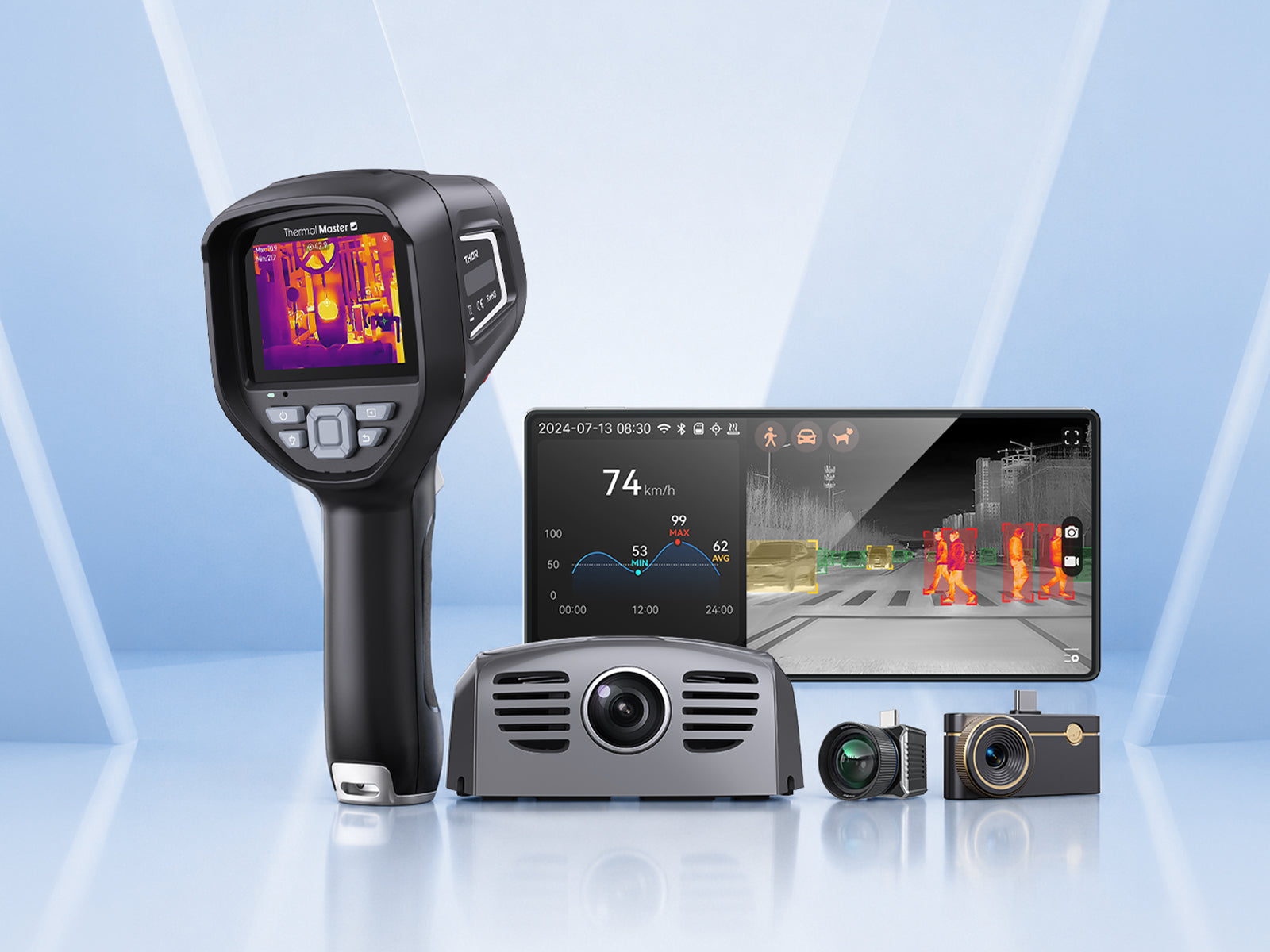
The Thermal Master DV2 offers a screen-based approach to bird watching, making it easier to scan surroundings, locate heat signatures, and observe wildlife without looking through eyepieces.
Key Features:
- 256 × 192 Thermal Resolution: Helps detect birds against cooler backgrounds.
- ≤15 mK NETD: Reveals subtle temperature differences.
- 50 Hz Refresh Rate: Provides smoother images when tracking movement.
- 5-Inch Flip-Out Screen: Allows flexible and comfortable viewing.
- Hotspot Tracking: Highlights the hottest area to help locate potential targets.
- 10 mm Manual Focus: Adjusts image sharpness at different distances.
Read More
Thermal Cameras for Bird Watching at Night to Find Birds Easily
What are the Best Binoculars for Birdwatching?
Why Every Outdoor Enthusiast Needs a Thermal Camera for Night Explorat

Hinterlasse einen Kommentar
Alle Kommentare werden vor der Veröffentlichung geprüft.
Diese Website ist durch hCaptcha geschützt und es gelten die allgemeinen Geschäftsbedingungen und Datenschutzbestimmungen von hCaptcha.