


Detect hidden air leaks, blocked ducts, airflow issues, and HVAC heat loss in seconds. Quickly pinpoint faults and energy waste to improve system performance and efficiency.
Why Choose Thermal Master?
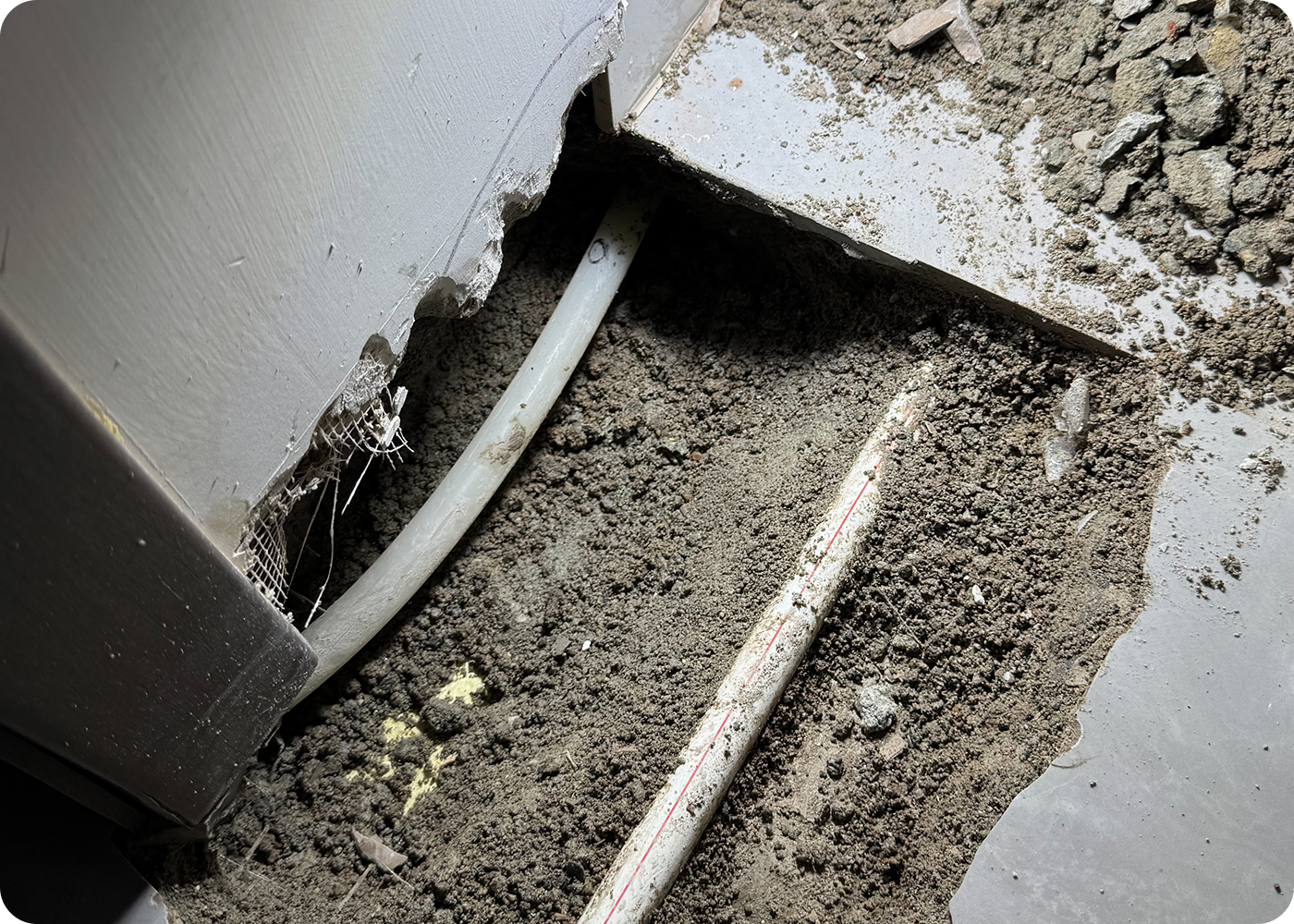
Common HVAC Inspection Challenges
Many HVAC faults are difficult to detect with visual inspection alone.
• Hidden air leaks
• Airflow restrictions
• Insulation heat loss
• Uneven room temperatures
• Overheating HVAC systems
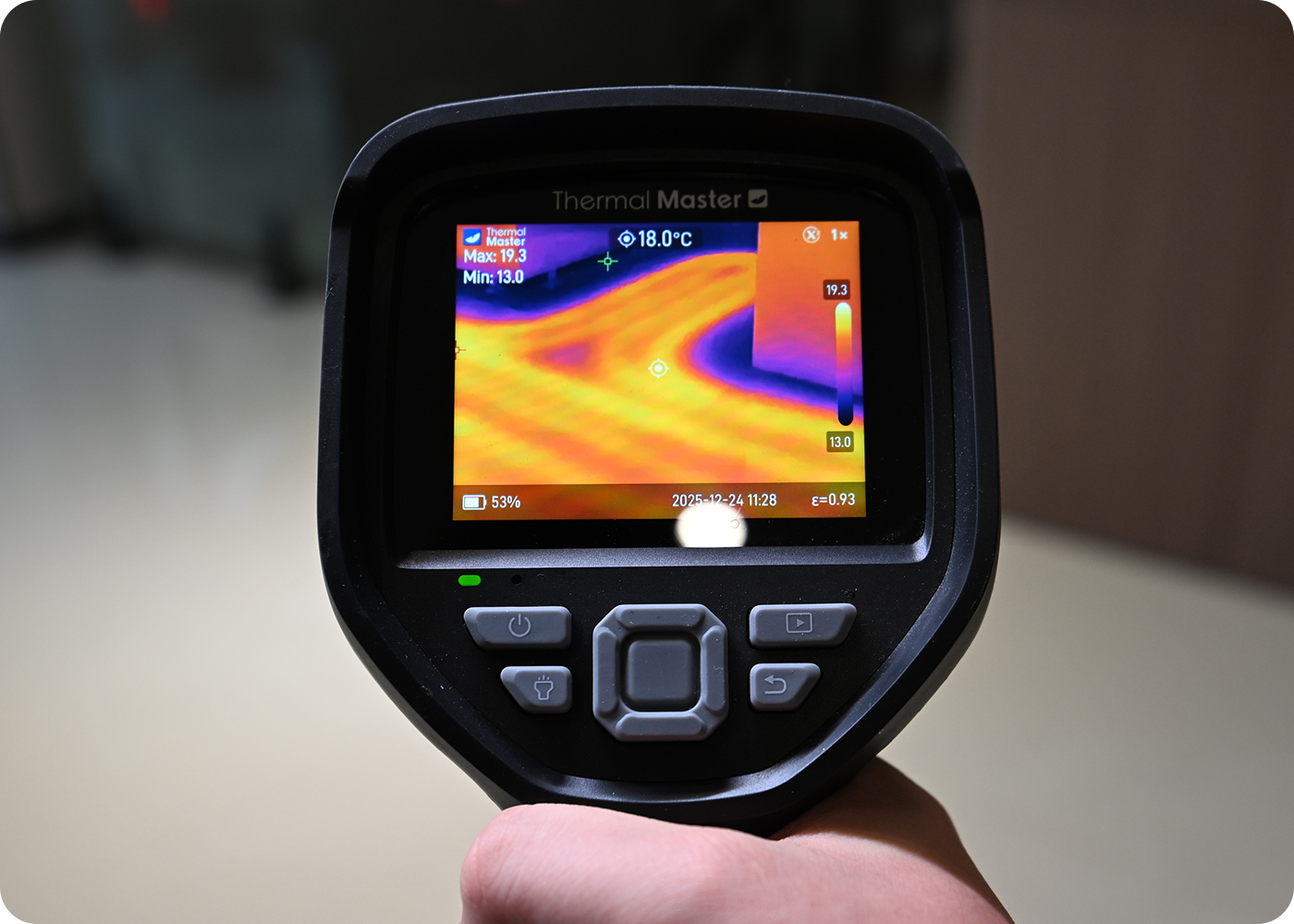
HVAC Inspection with Thermal Master
Thermal imaging helps HVAC technicians quickly uncover hidden issues. Detect:
• Air leaks behind walls and ceilings
• Insulation gaps and heat loss
• Restricted airflow in ducts
• Overheating HVAC components
• Moisture around vents and pipes
HVAC Applications
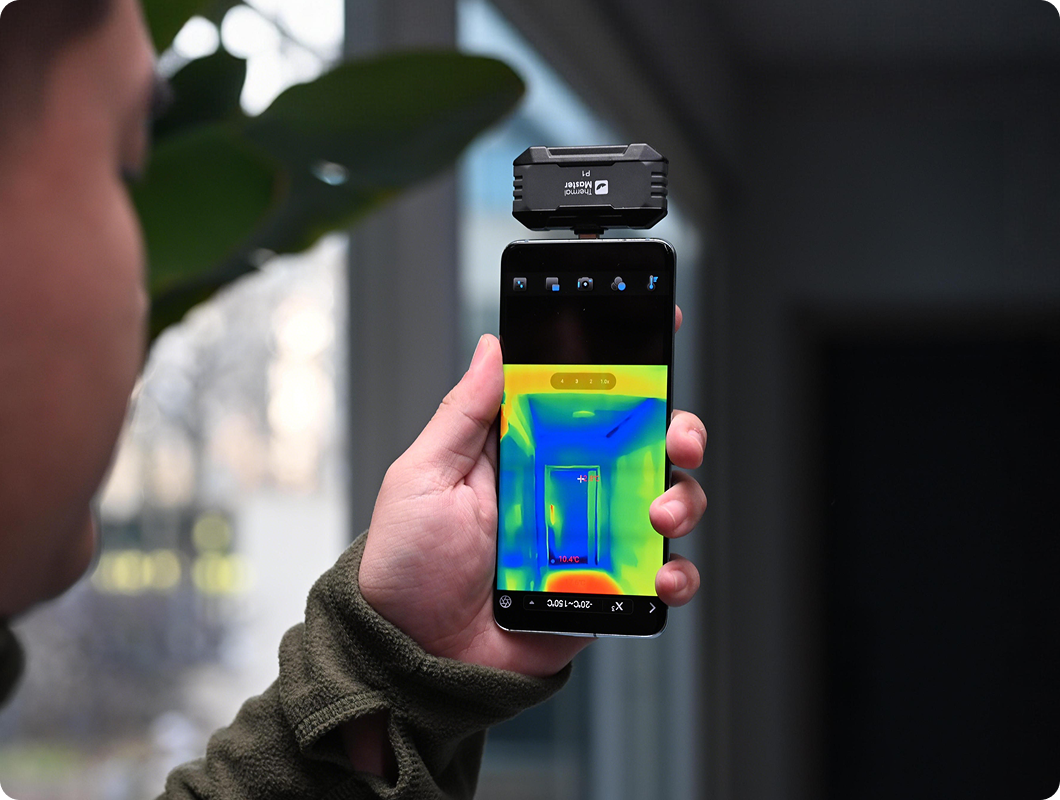
Thermal imaging helps HVAC technicians quickly detect heat loss, airflow issues, insulation gaps, and overheating components. It speeds up inspections, reduces troubleshooting time, and improves overall system performance.
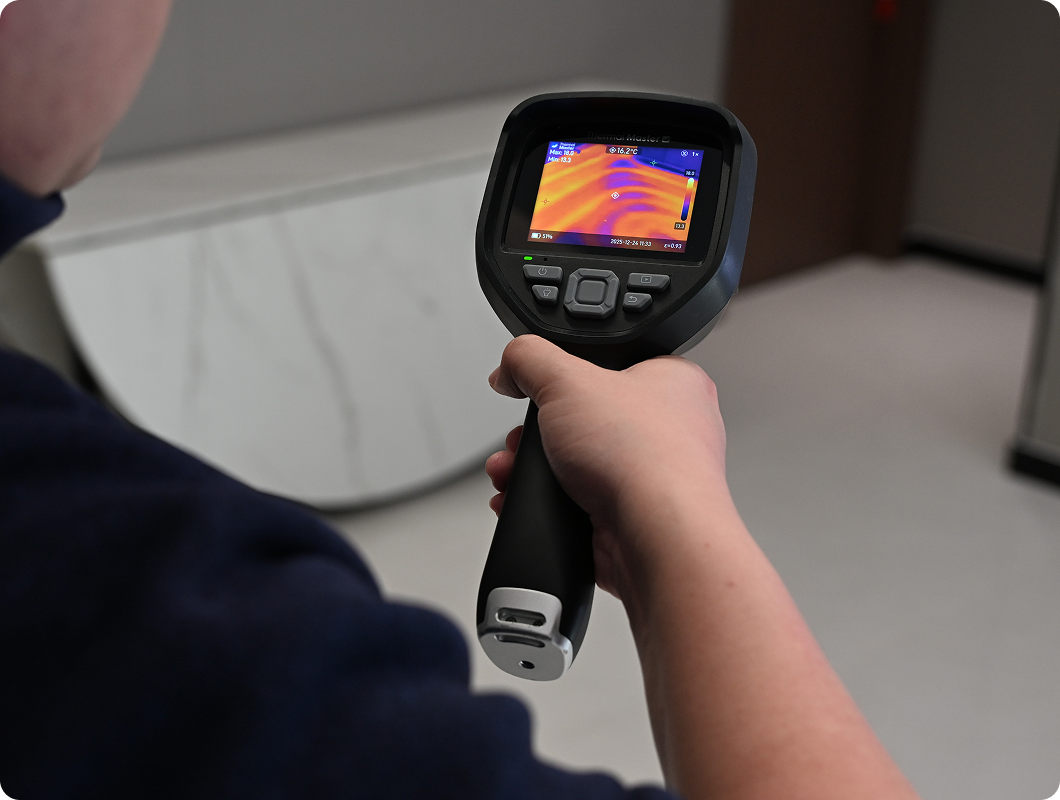
Heating Inspection
Ventilation Inspection
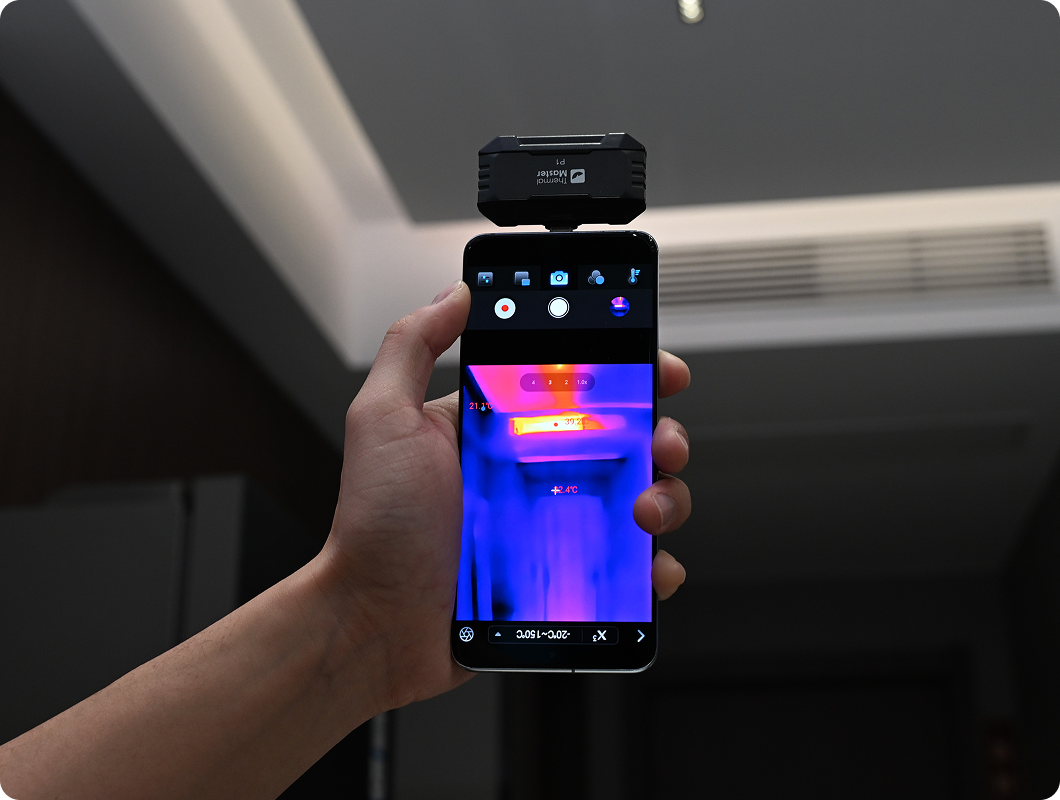
Air Conditioning Inspection



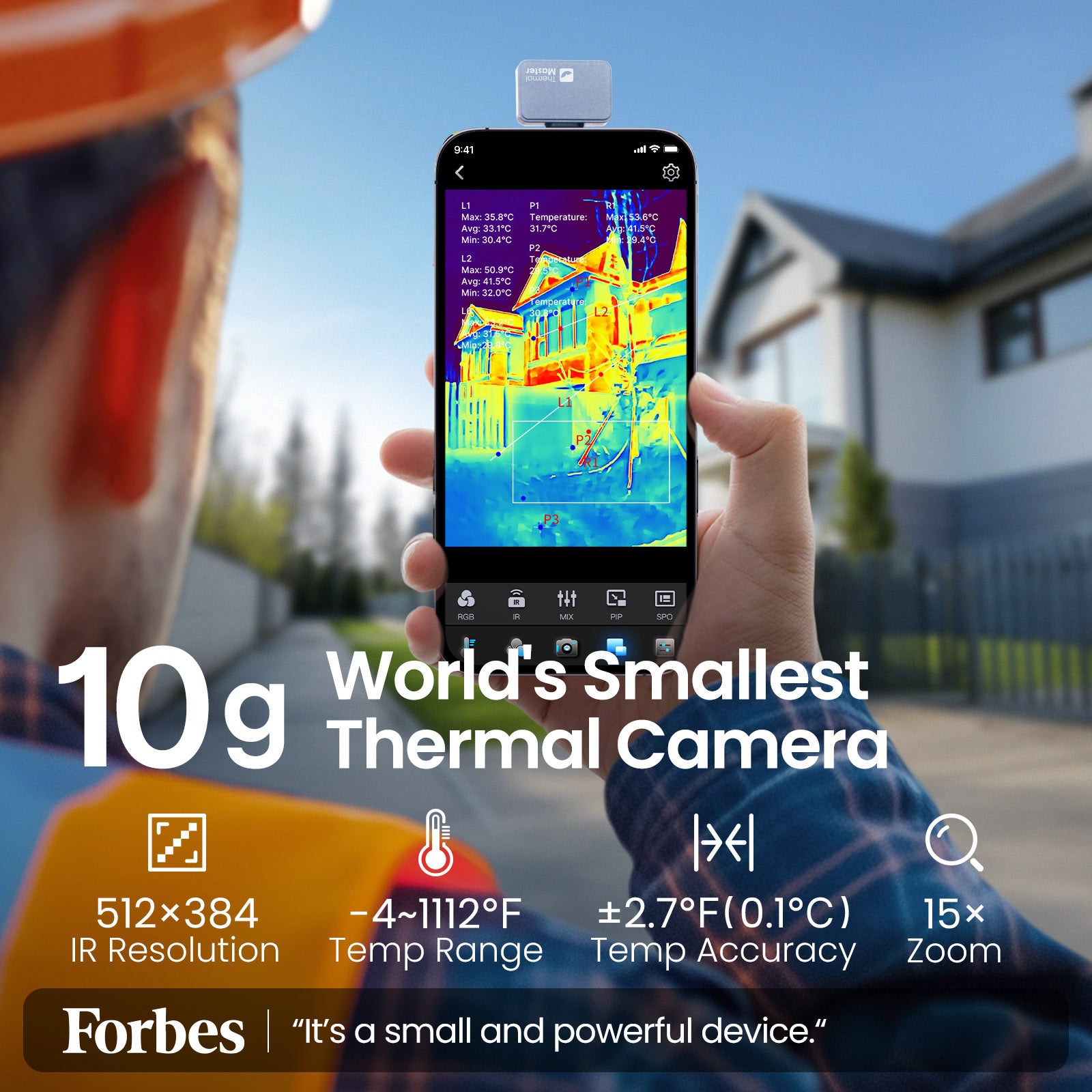
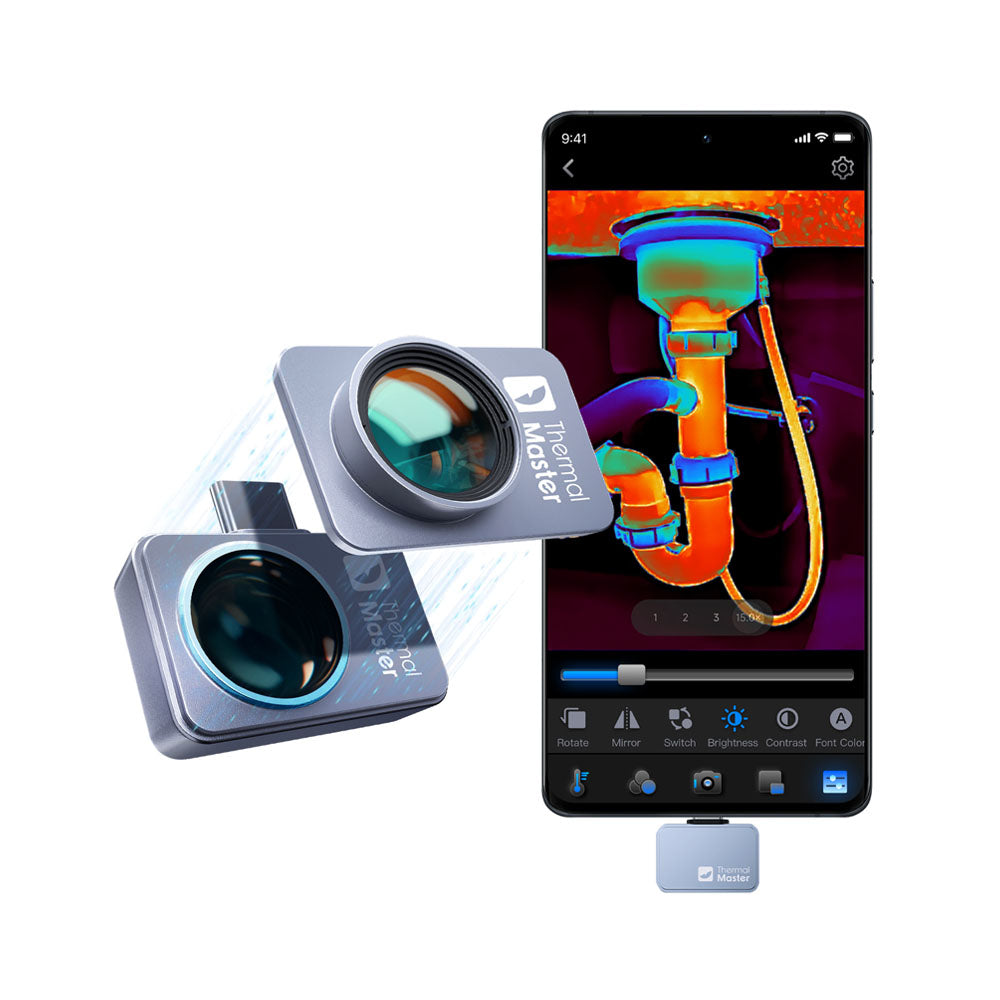
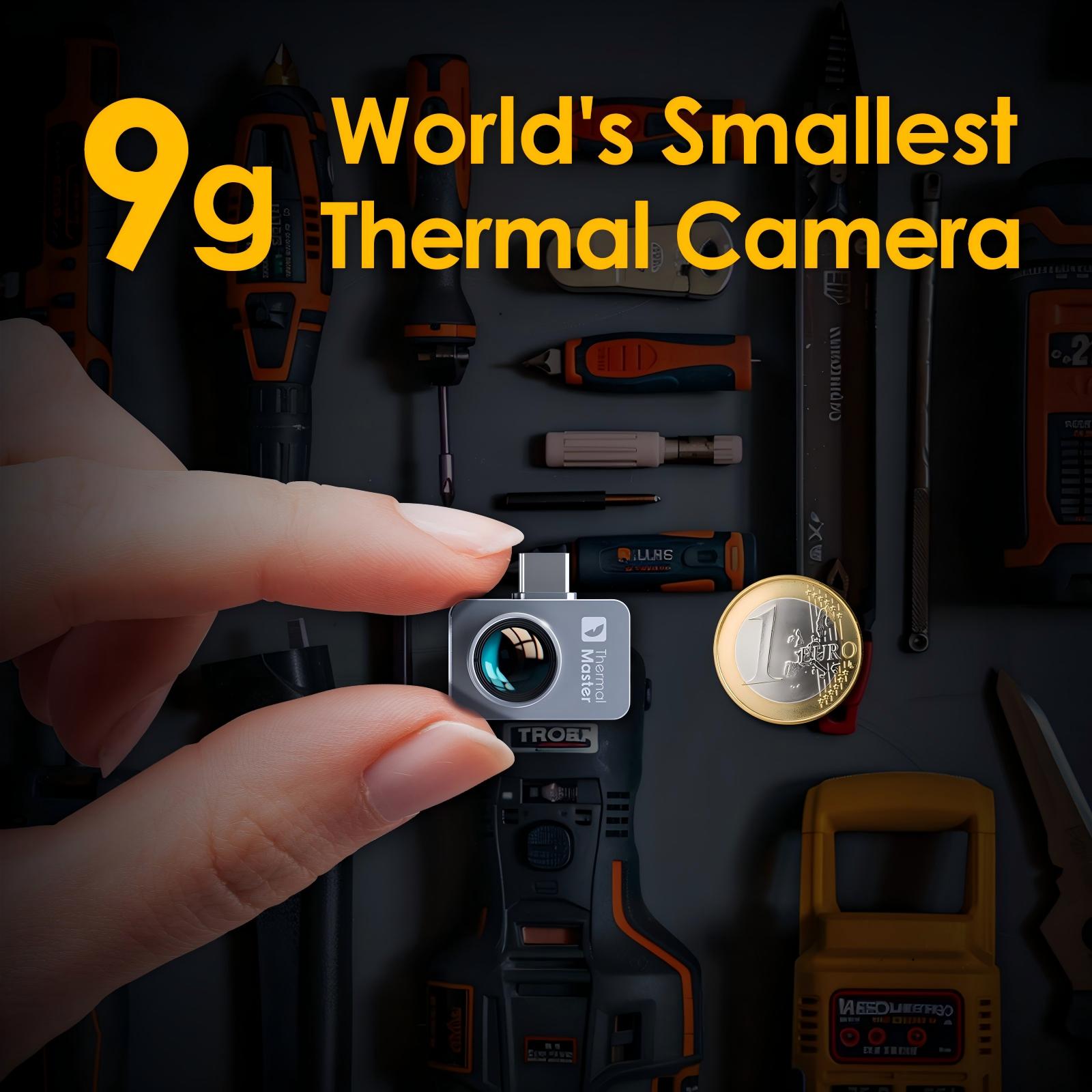
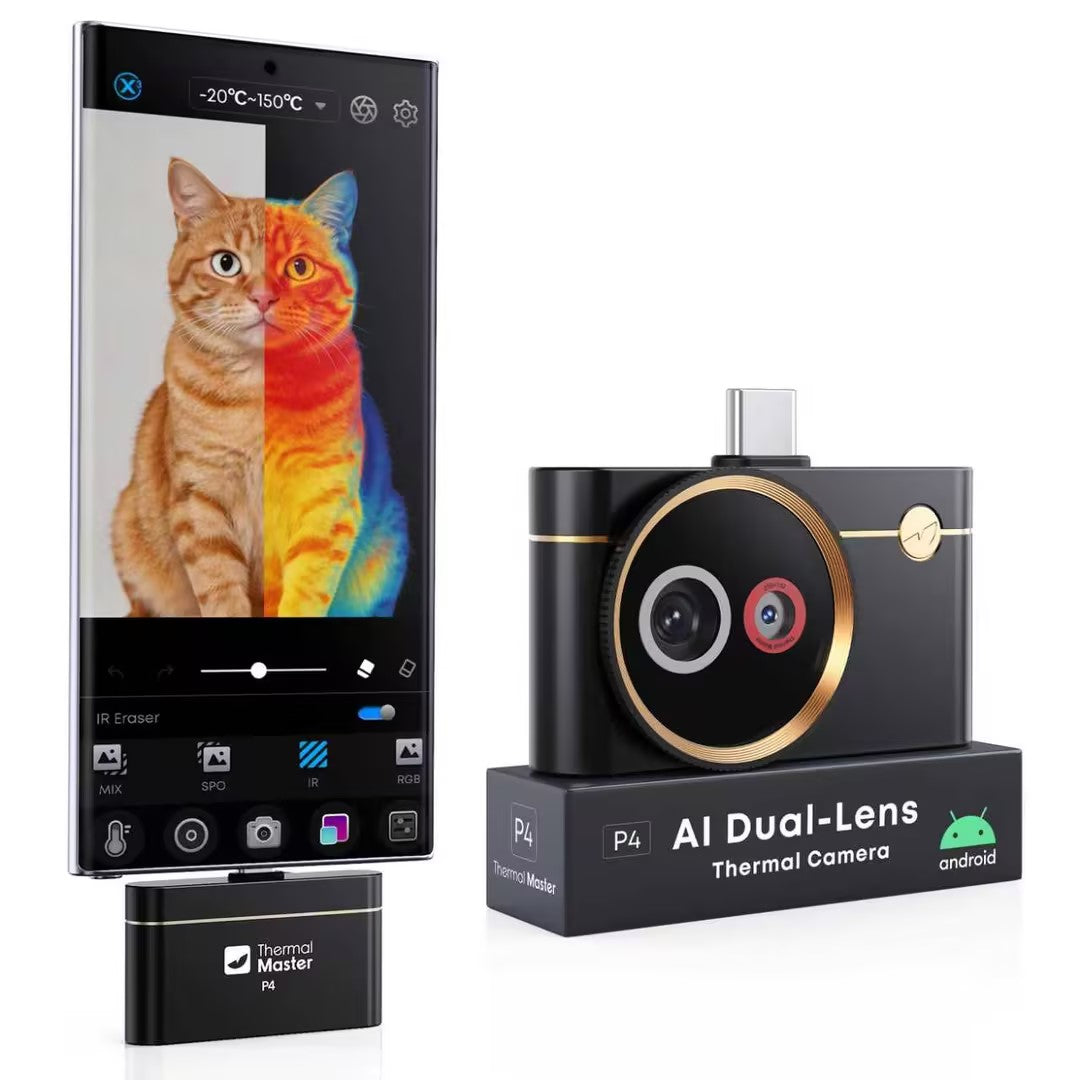
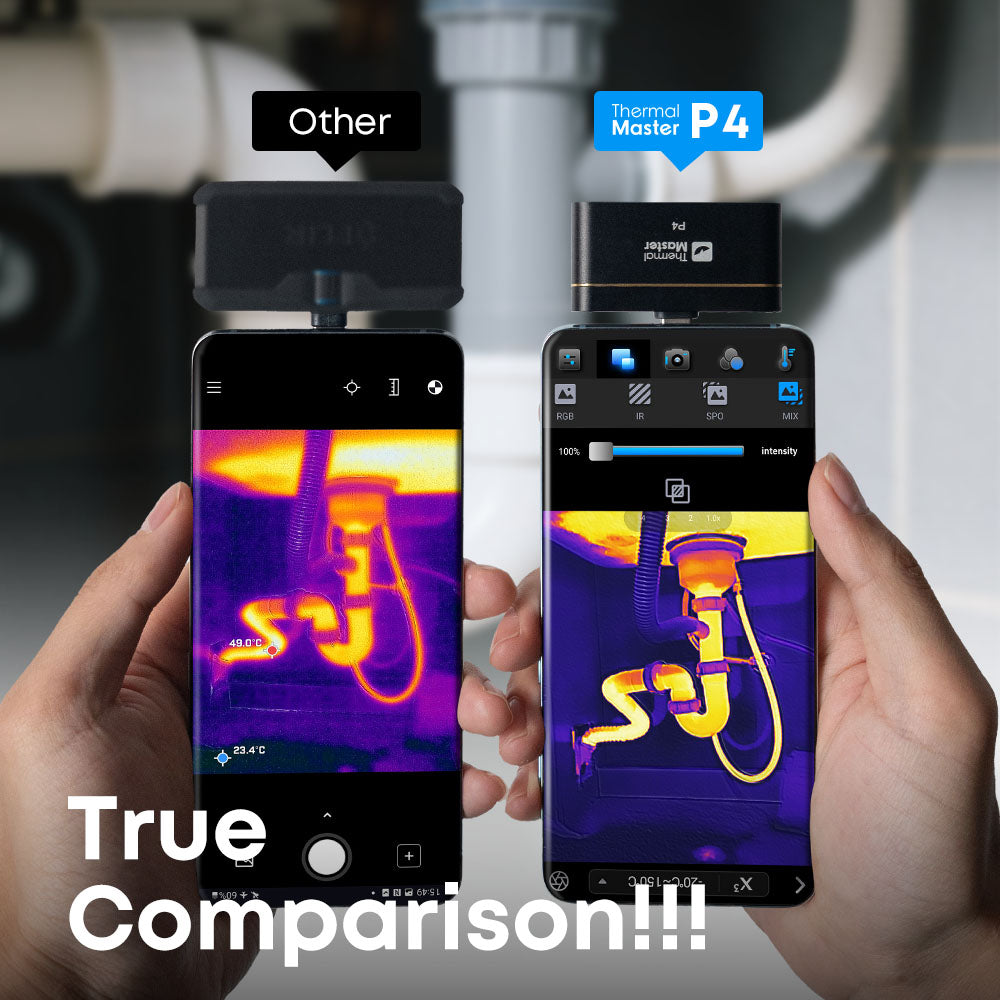
HVAC Products Comparison
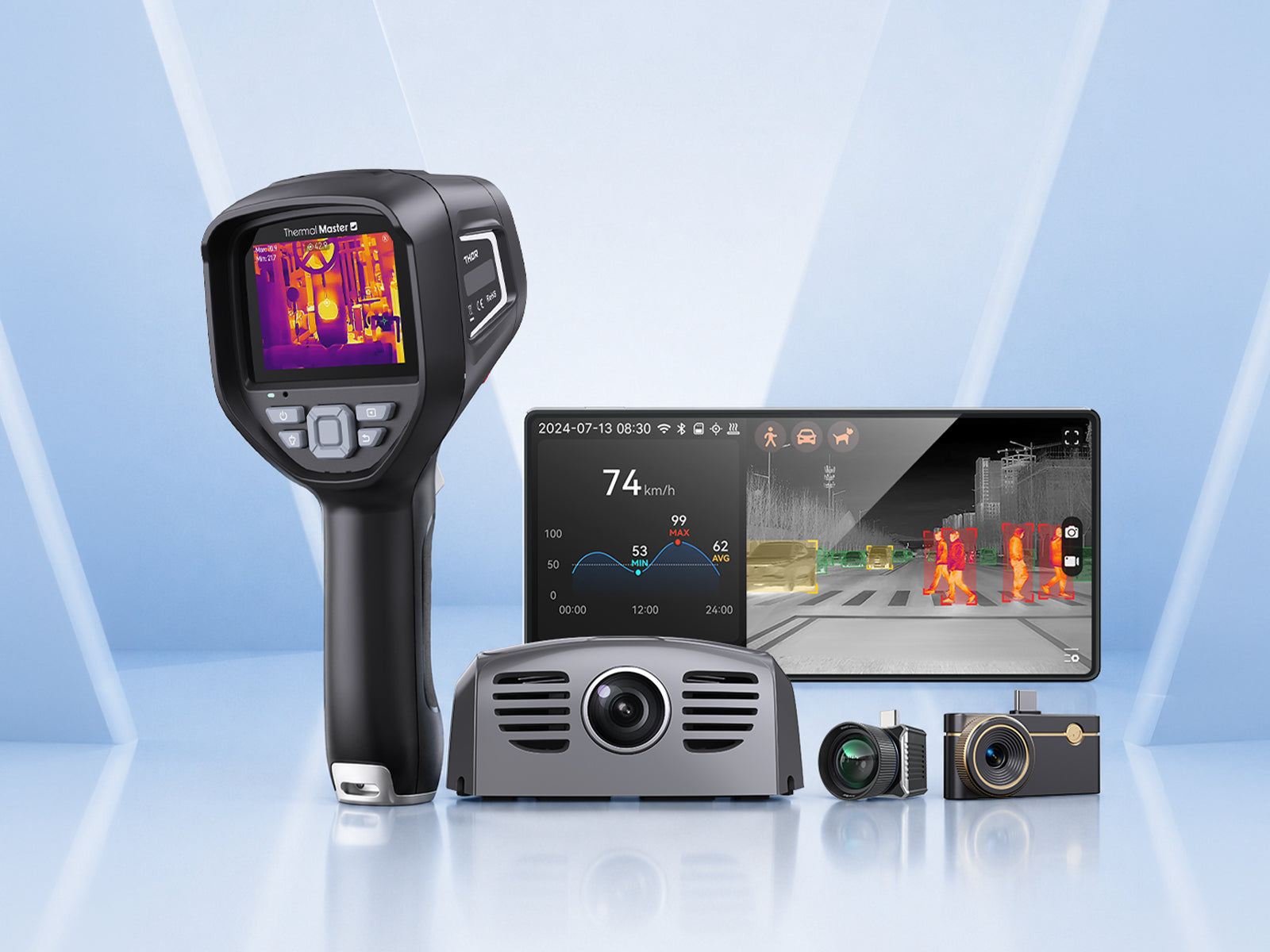
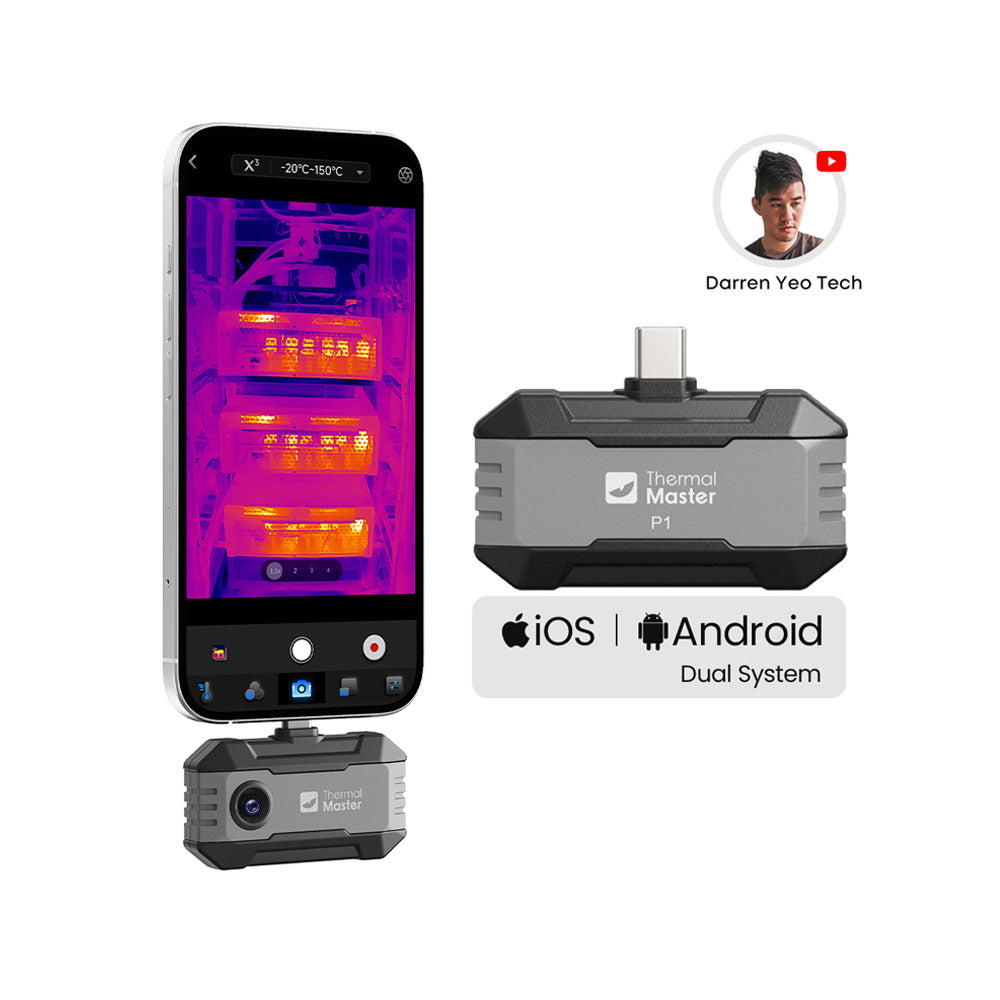
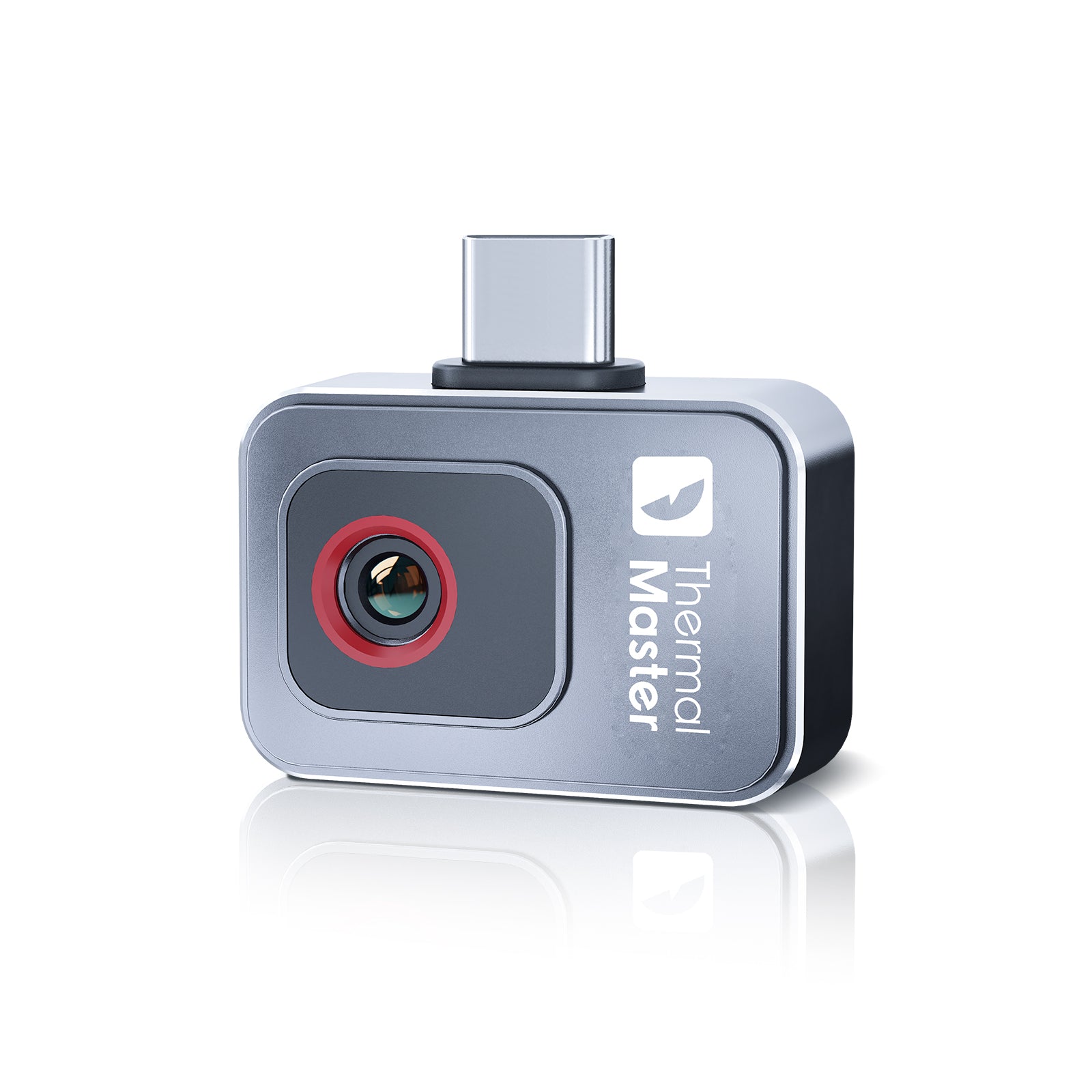
Compare smartphone and handheld thermal cameras for HVAC inspections. Detect airflow issues, insulation gaps, and overheating components faster with Thermal Master.
Real User Experiences

Super Helpful for Window Inspections
Used it to find cold air leaks around my windows — worked great. The thermal image made the problem areas instantly visible. Easy to use, compact, and very clear image quality.

Great for Checking HVAC Problems
Used this to inspect my AC system and quickly found an abnormal hot spot. The thermal image is clear and makes troubleshooting much easier. Definitely useful for HVAC checks.

Easily Found Uneven Heating
Used it to check my floor heating system and it clearly showed the heat distribution under the floor. Super helpful for finding uneven heating areas. Easy to use and the image quality is excellent.
HVAC Inspection Thermal Camera FAQs
Find answers to common questions about HVAC inspections, air leak detection, duct analysis, and thermal camera applications.
Can a thermal camera detect HVAC leaks?
Can a thermal camera detect HVAC leaks?
Yes. Thermal Master thermal imaging cameras detect temperature differences caused by air leaks, insulation gaps, or airflow issues, allowing you to easily locate HVAC inefficiencies. It can also find hidden problems like pipe leaks or poor seals, reducing your inspection time and improving repair accuracy.
How does a thermal camera help in HVAC inspection?
How does a thermal camera help in HVAC inspection?
Thermal imaging cameras display thermal patterns in real time, allowing you to identify airflow issues, blocked ducts, component overheating, and energy loss faster and more accurately. In addition, technicians can also make data-driven decisions during the inspection process, eliminating the need to rely on guesswork. This not only increases efficiency but also ensures more reliable diagnostic results.
Can a thermal camera see through walls or ducts?
Can a thermal camera see through walls or ducts?
No. Thermal cameras can't see through walls or pipes, but they can detect surface temperature differences to see what's going on behind the scenes. For example, unusual hot or cold spots may reveal hidden leaks, insulation defects, or airflow issues. This makes thermal imaging a powerful diagnostic aid for hidden HVAC problems.
Can thermal imaging detect ductwork problems?
Can thermal imaging detect ductwork problems?
Yes. Thermal imaging can highlight abnormal temperature changes in ducts and vents, helping to identify air leaks, poor insulation, and uneven airflow distribution. These problems will result in wasted energy and reduced system efficiency. By finding them quickly with a thermal imaging camera, you can take targeted action to improve overall HVAC performance.
Can a thermal camera detect refrigerant leaks?
Can a thermal camera detect refrigerant leaks?
Not directly. However, it can detect temperature inconsistencies caused by refrigerant problems, such as uneven cooling, abnormal coil temperatures, or system imbalance. These visual displays can all help you narrow down potential leak areas, making further inspections faster and more efficient.
When is the best time to use a thermal camera for HVAC inspection?
When is the best time to use a thermal camera for HVAC inspection?
Thermal imaging works best when there is a significant temperature difference of 10°C (18°F) between indoor and outdoor environments. The higher the contrast between the two environments, the more obvious the anomalies will be. For best results, it is recommended to perform inspections while the HVAC system is actively heating or cooling.
What HVAC issues can a thermal camera detect?
What HVAC issues can a thermal camera detect?
Thermal imaging cameras can detect a variety of HVAC issues, including air leaks, insulation defects, airflow obstructions, overheating of electrical components, and overall energy loss. It provides a fast, contactless way to diagnose visible and hidden problems. Become your versatile tool for daily inspection and troubleshooting.
Is a smartphone thermal camera reliable for HVAC inspection?
Is a smartphone thermal camera reliable for HVAC inspection?
Yes. Thermal cameras for mobile phones provide a portable and cost-effective solution for HVAC diagnostics, providing real-time thermal data directly on your smartphone. Although the mobile thermal camera is compact in size, it can provide sufficient accuracy for most inspection tasks. Ideal for technicians who require flexibility and on-site convenience.
What features matter for HVAC thermal inspection?
What features matter for HVAC thermal inspection?
Key features include: high thermal sensitivity (NETD), measurement accuracy, temperature measurement range, real-time imaging, adjustable emissivity, and clear image resolution. These factors determine how efficiently a thermal imaging camera can detect small temperature differences. Plus, choosing the right features can get you an accurate diagnosis and better exam results.
Is thermal imaging safe for HVAC inspection?
Is thermal imaging safe for HVAC inspection?
Yes. Thermal imaging is completely non-contact and non-invasive, allowing inspections to be carried out without disturbing system operation. It reduces the need to disassemble or directly access components. The result is a very safe, efficient, and reliable method of HVAC diagnostics.