


Infrared Night Vision Camera For Car: What's the Secret to Preventing 90% of Accidents in the Dark?
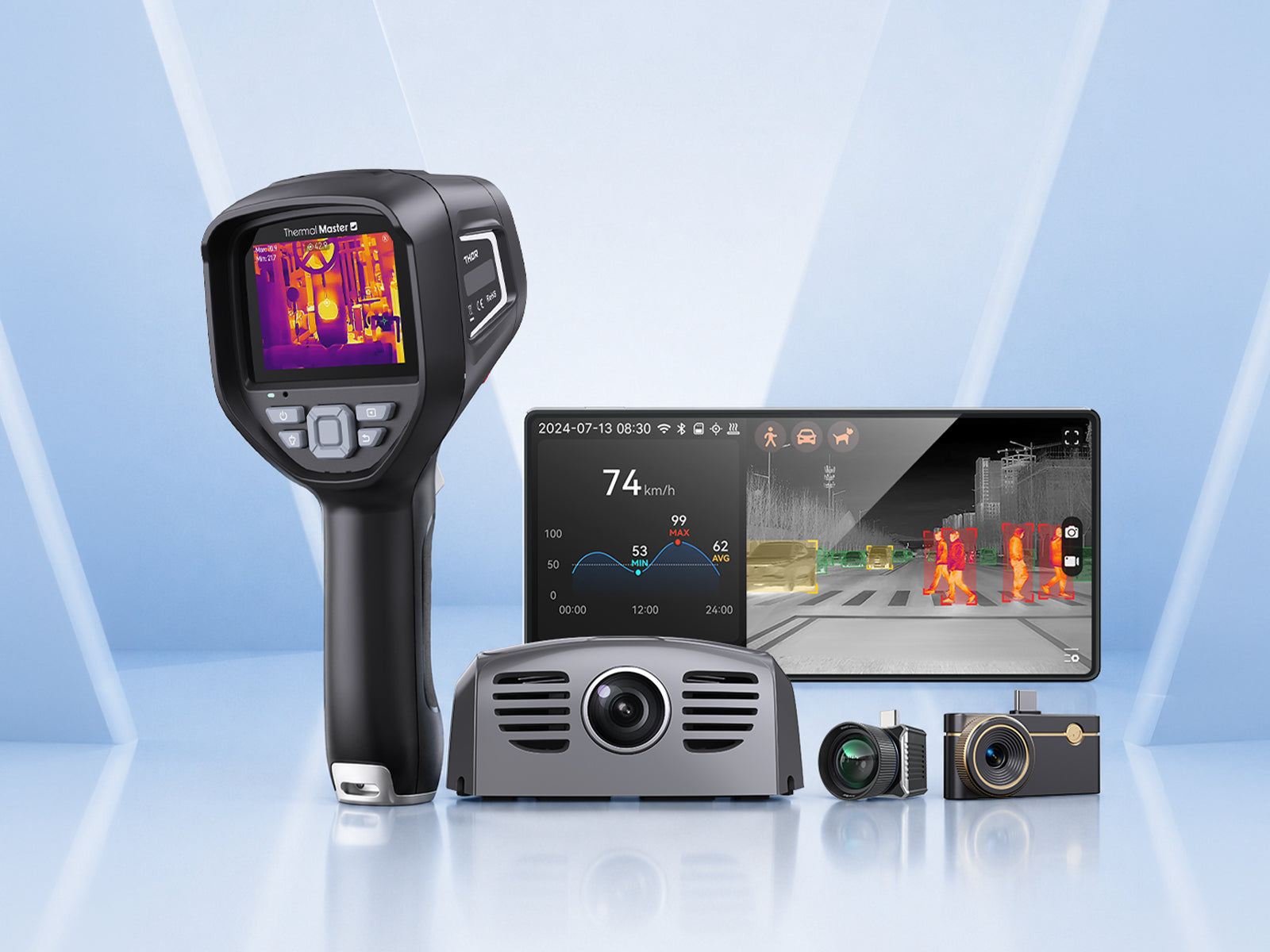
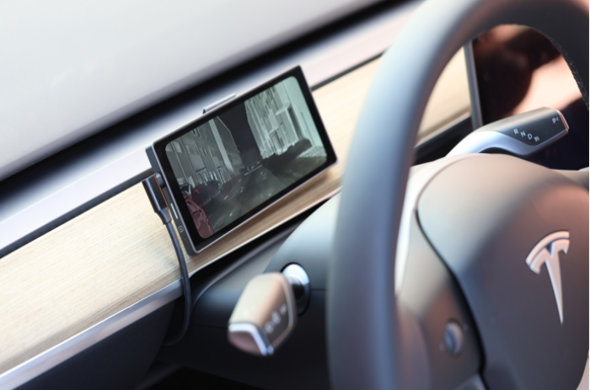
An infrared night vision camera for cars provides critical support for one of the most challenging situations that drivers face, which is driving at night or in poor weather conditions. Limited vis...
5 Advantages of Thermal Night Vision for Safer Driving
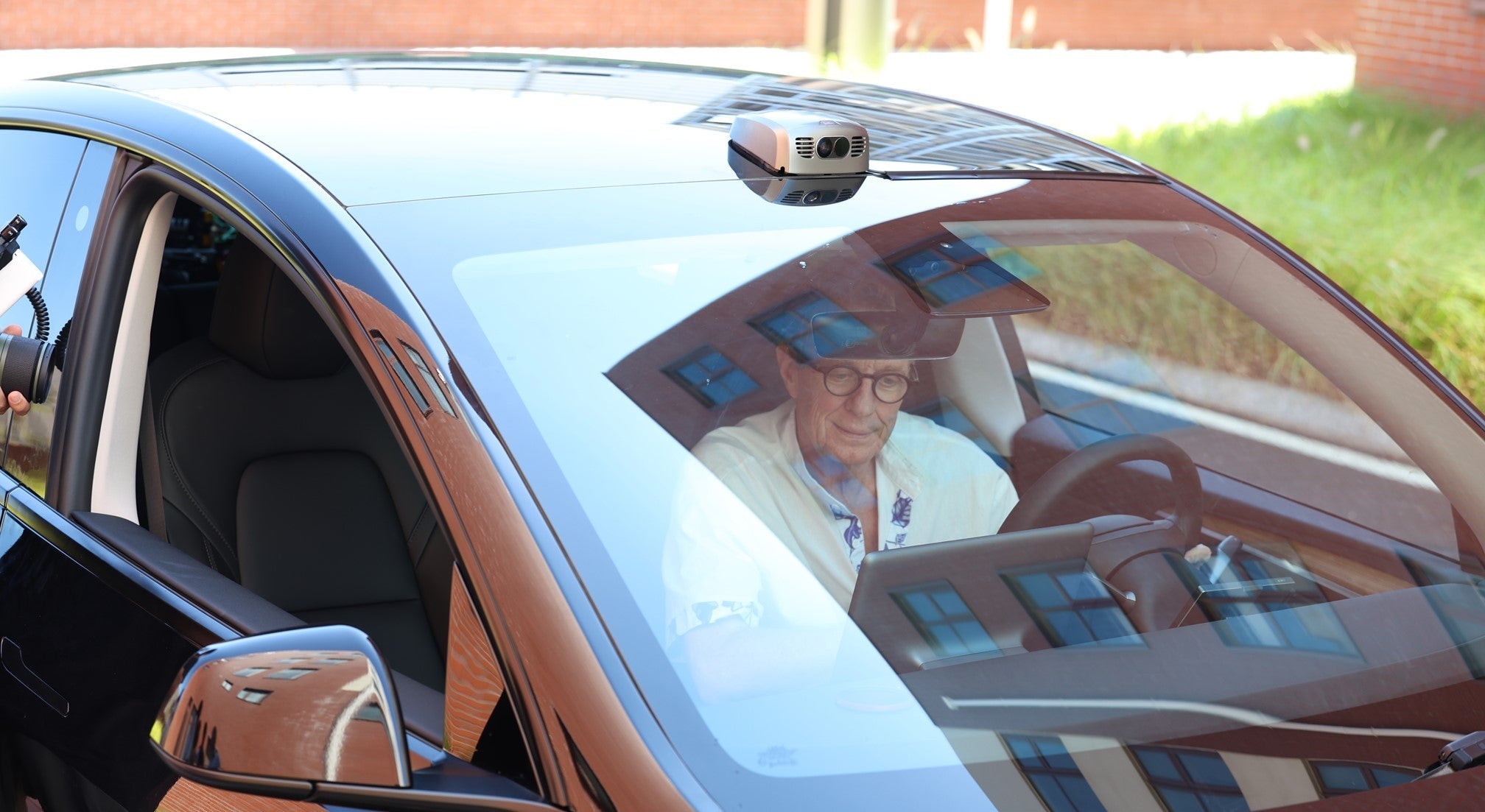
Thermal night vision is gaining importance as visibility remains one of the most unpredictable challenges drivers face at night. In fog, heavy rain, or complete darkness, reaction time can be reduc...
Thermal vs. Traditional Night Vision: Which is Better for Your Car?
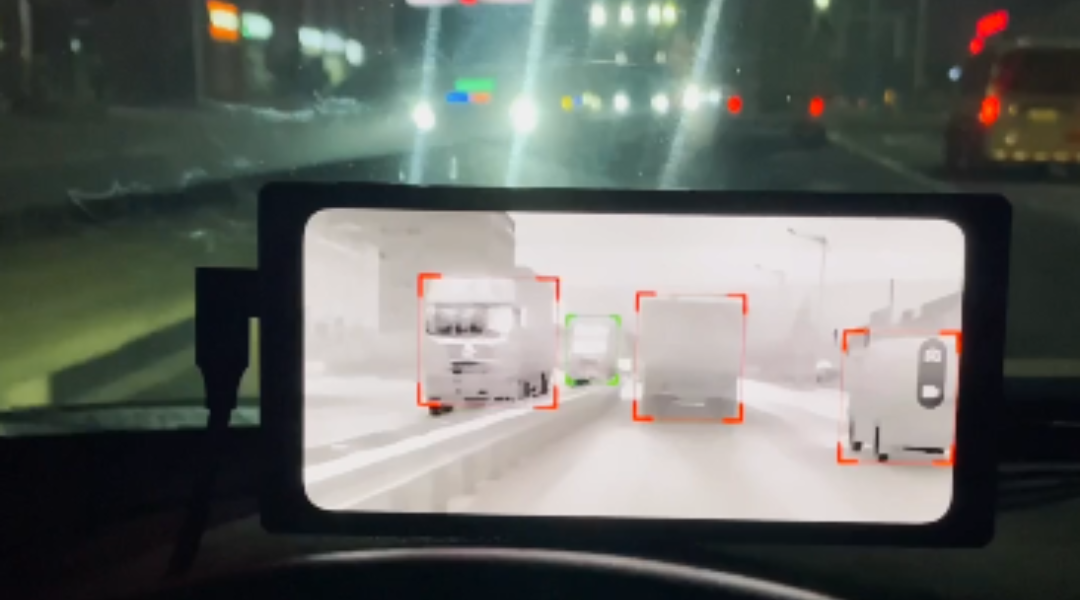
Driving at night presents unique challenges. Reduced visibility increases the risk of accidents, especially in areas with poor lighting. Night vision technology enhances visibility and safety, maki...
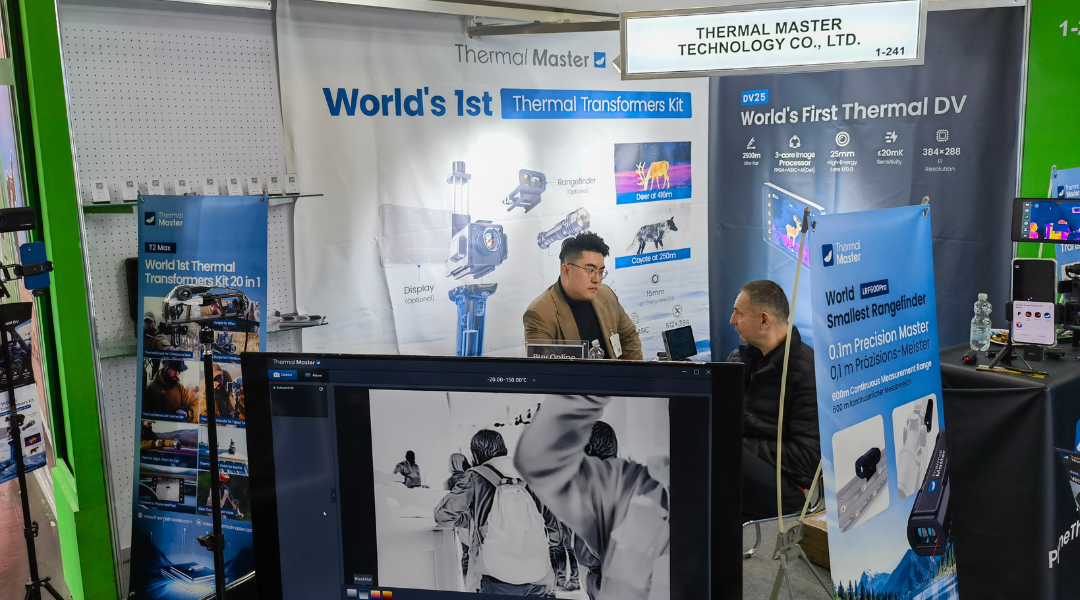
A Thrilling Showcase of Thermal Master at IWA OutdoorClassics 2025
The excitement at IWA OutdoorClassics 2025 was truly electrifying! From February 27 to March 2, NürnbergMesse buzzed with innovation, and our booth (#1-241) was at the center of it all. Outdoor en...

How Thermal Night Vision Enhances Driving Safety in Low Visibility
Driving at night or in adverse weather conditions presents significant safety challenges. Reduced visibility increases the risk of accidents, making it difficult for drivers to detect obstacles, pe...
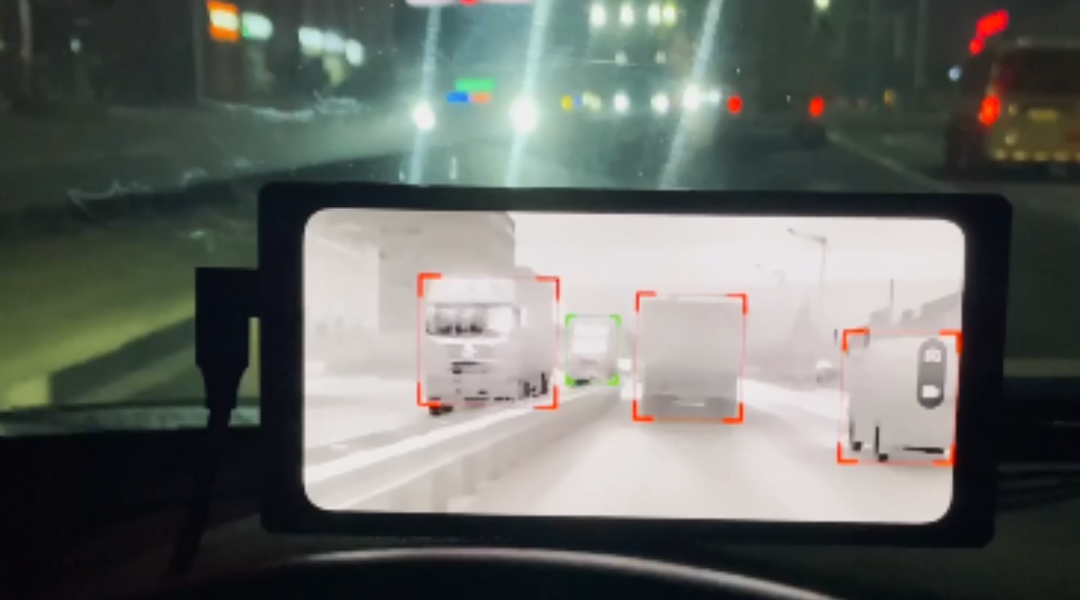
How Thermal Imaging Helps Detect Pedestrians and Animals on the Road?
Road safety remains a critical concern for drivers, especially in low-visibility conditions. Detecting pedestrians and animals in time can prevent accidents and save lives. Traditional headlights ...