



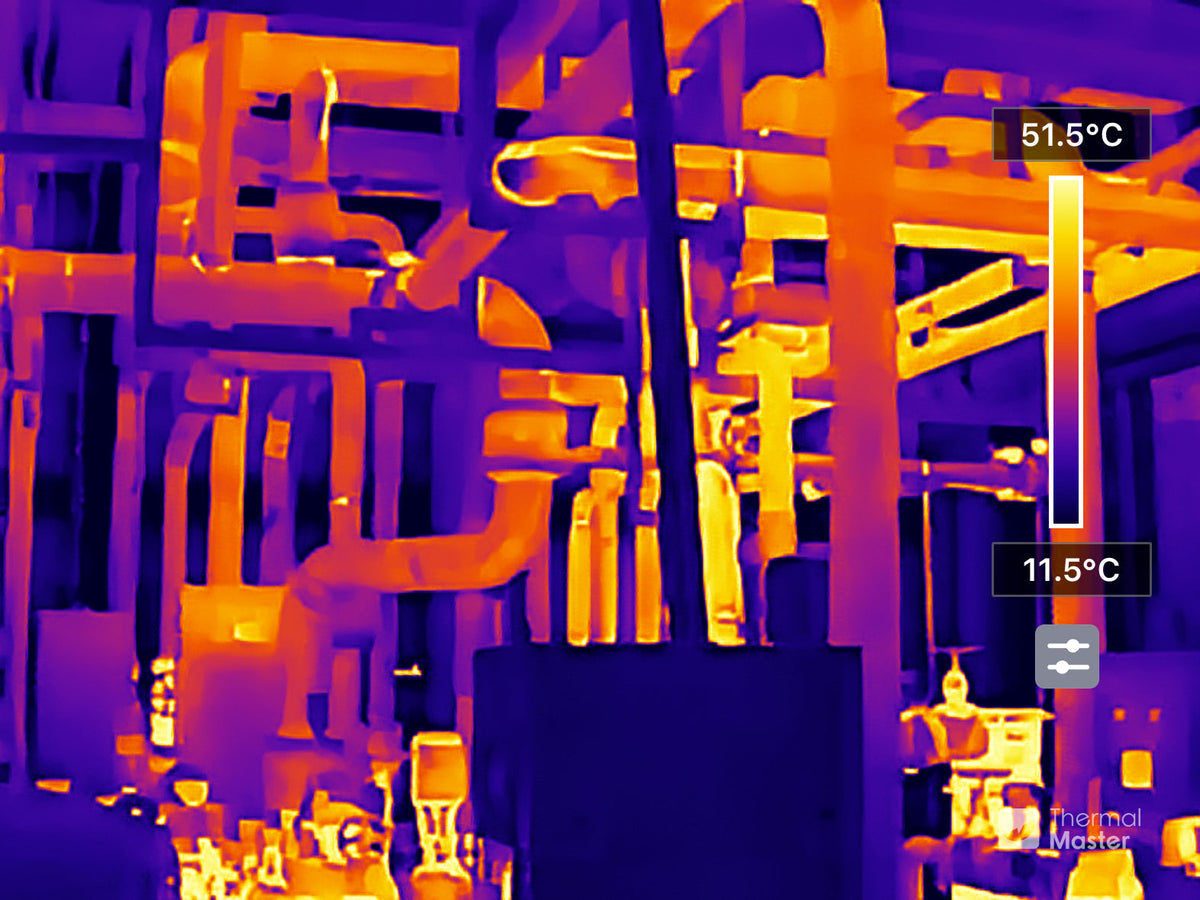
Infrared imaging turns invisible infrared radiation into an image we can see. In thermal inspections, it helps users quickly locate potential fault areas, see temperature differences more clearly, and make accurate temperature measurements for further inspection.
What Is Infrared Imaging and How Does It Work?

Infrared radiation is invisible to the human eye, but objects around us continuously emit it. A thermal camera detects this energy and converts temperature differences into a visible thermal image. Many uncooled thermal cameras use a microbolometer detector for this process, allowing thermal imaging to work even in complete darkness.
What Can Infrared Imaging Help You Find?
Infrared imaging helps quickly locate potential fault points by making unusual thermal patterns easier to spot.
Electrical faults: Find unusual heating around breakers, terminals, cables, and connections, then use electrical testing tools to confirm the cause.
HVAC and building problems: Spot temperature differences around windows, doors, ceilings, vents, and insulation areas to quickly narrow down where further inspection is needed.
Mechanical problems: Compare motors, bearings, and other operating components to find unusual thermal patterns that may indicate an area requiring closer inspection.

What Makes an Infrared Image Clear and Useful?
A useful thermal image should do more than show a bright hot spot. You need enough detail to see where the heat is coming from, especially when several components are close together.

Clear Thermal Detail
Take a crowded electrical panel as an example. Several breakers, terminals, and connections may sit within a small area, so a vague hot region does not tell you very much.
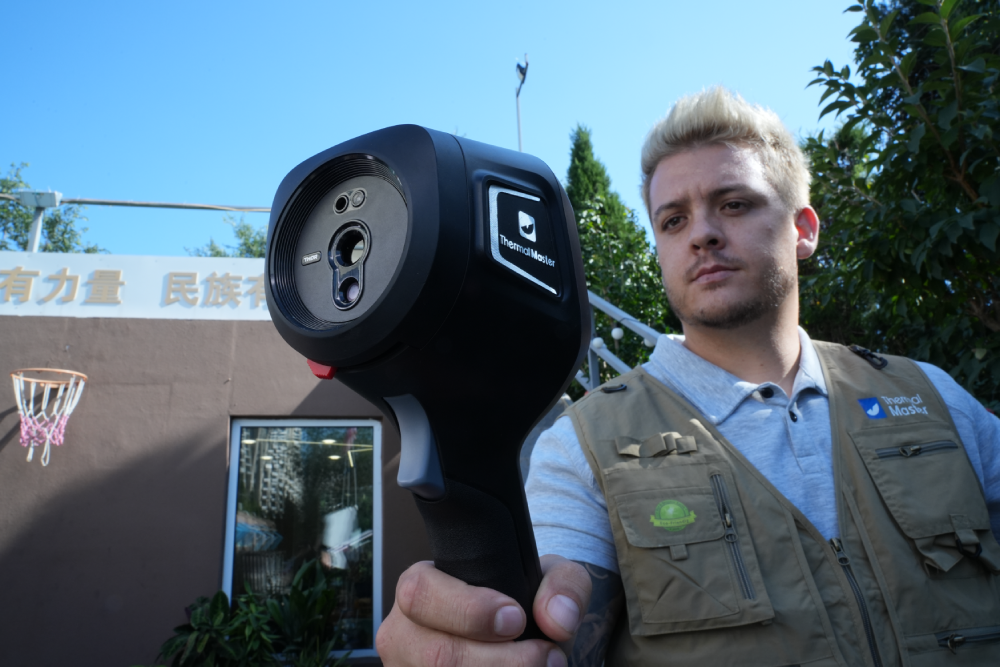
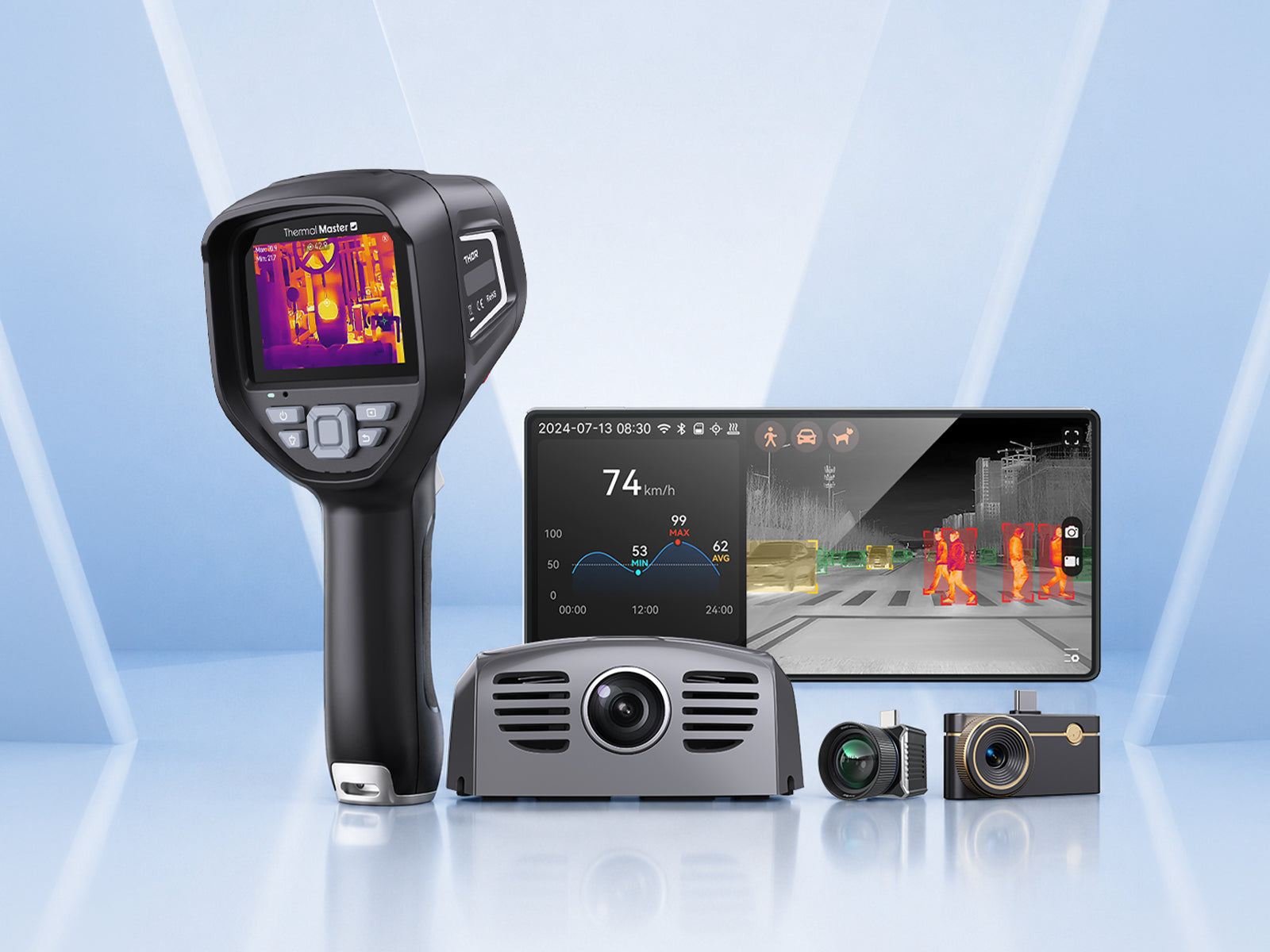
Thermal Master Thor002 combines a 256×192 infrared detector with X³IR image enhancement to produce a 512×384 image. This makes individual components easier to distinguish and helps show whether the heat is concentrated at a terminal, connection, or another nearby part.
Small Temperature Differences
Not every problem produces an obvious hot spot. Sometimes one connection is only slightly warmer than the others.
With thermal sensitivity below 40 mK, Thor002 can show these smaller temperature differences more clearly. Once something stands out, ±2°C measurement accuracy and multiple measurement points let you compare it directly with nearby components.
Smooth Scanning
When checking a large panel or several pieces of equipment, you are rarely holding the camera completely still. Thor002’s 25 Hz image frequency keeps the thermal view smooth as you move from one component to the next, making continuous scanning easier.
How Do You Use Infrared Imaging to Locate a Fault?
Start with a wider scan and look for a thermal pattern that stands out from similar components operating under similar conditions.
If one electrical connection is warmer than the others, check its temperature against the connections around it. That gives you a specific area to investigate with electrical testing rather than checking every connection one by one.

What Are the Limits of Infrared Imaging?
Infrared imaging shows thermal patterns, not the cause behind them.
A thermal camera cannot see through walls. It shows surface temperature differences rather than directly revealing pipes, moisture, insulation, or other objects behind the surface.
Reflections, emissivity, sunlight, airflow, equipment load, and environmental conditions can also affect the image and temperature reading.
For this reason, infrared imaging works best as part of a wider inspection process. It helps narrow down suspicious areas and provides useful thermal information for the next step of diagnosis.
Read More
Thermal Master Thor002: Best Handheld Thermal Camera Under $500
Handheld Thermal Imagers for HVAC: How to Choose the Right Inspection
How to Choose the Right Thermal Camera for Electrical Panel Inspection
Should I filter handheld thermal imagers by resolution?

Leave a comment
All comments are moderated before being published.
This site is protected by hCaptcha and the hCaptcha Privacy Policy and Terms of Service apply.