



Yes, if issues are detected early, ground-source heat pumps can be repaired. Common problems include loop leaks, circulation issues, compressor overheating, and electrical malfunctions, all of which can gradually reduce cooling and heating efficiency.
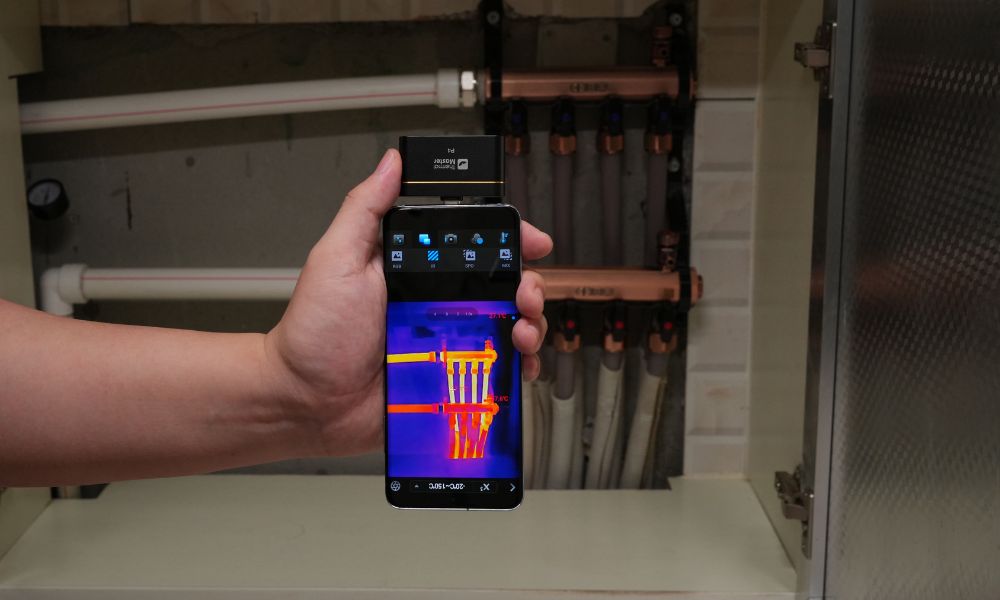
Therefore, HVAC technicians can now use thermal imaging cameras during ground-source heat pump inspections to help identify abnormal temperature distributions and potential problems within the system.
What Problems Can Occur in a Geothermal Heat Pump System?
Ground-source heat pump systems are highly reliable, but over time, issues may arise with heating, cooling, or circulation. Some of these are mechanical failures, while others involve the underground loop, electrical systems, or heat exchange efficiency. Below are some common issues:
- Loop Leaks: Leaks may occur in the underground piping loop, causing a drop in pressure and reducing heat exchange efficiency. This can lead to decreased heating or cooling performance.
- Circulation Issues: Pump failure, circuit blockages, or restricted fluid flow can cause uneven system temperatures and reduce overall efficiency.
- Compressor Overheating: Similar to traditional HVAC systems, ground-source heat pumps can overheat the compressor due to excessive load, electrical faults, or poor airflow.
- Electrical Faults: Loose wiring, damaged capacitors, and overheating of electrical components can all cause system shutdowns or unstable operation.
- Uneven Floor Heating: Systems connected to radiant floor heating may develop cold spots due to trapped air, pipe blockages, or insulation issues.
- Heat Loss Issues: Poor insulation or low system efficiency can also reduce heating performance and increase energy consumption.

How Do Technicians Find Leaks in a Geothermal System?
Technicians use a variety of methods to locate leaks in geothermal heat pump systems, as some components of the underground loop cannot be directly observed during an inspection. The following are common methods:
- Pressure Testing: Technicians pressurize the geothermal heat pump loop and monitor whether the pressure remains stable. If the pressure drops slowly, it indicates a fluid leak somewhere in the underground piping system.
- Temperature Differential Detection: HVAC technicians also compare the temperatures between the supply and return pipes. An abnormal temperature difference indicates restricted flow, poor heat transfer, or a potential leak within the geothermal heat pump loop.
- Thermal Imaging Inspection: Thermal imaging cameras help technicians identify areas of abnormally high or low temperature around pipes, pumps, compressors, or underfloor heating systems. As a result, thermal imaging technology can assist technicians in quickly pinpointing suspected leak locations.
- Fluid Level Monitoring: Recurring fluid loss or unstable pressure after refilling the system indicates a hidden leak in the loop. This is one of the most common warning signs in geothermal systems.
- Electrical System Inspection: Technicians will also inspect pumps, compressors, and electrical components for overheating or abnormal operation, as circulation issues can sometimes increase the system’s load.
- Dye or Ultrasonic Testing: In more complex cases, technicians may use fluorescent dyes or ultrasonic testing tools to more accurately locate minute leaks.
Can a Thermal Camera Detect Ground Source Heat Pump Malfunctions?
Yes. Thermal cameras primarily help detect faults in ground-source heat pumps by identifying abnormal temperature distributions, overheating of electrical components, circulation issues, and uneven heat transfer within HVAC systems. Although thermal imaging cameras cannot directly visualize underground pipes, they can assist in diagnosing many faults in geothermal systems.

Can Thermal Cameras Help Diagnose Geothermal Heat Pumps?
Thermal imaging cameras can help HVAC technicians diagnose problems with ground-source heat pumps more efficiently. By detecting abnormal heat distribution, they can identify hidden system issues that would otherwise go unnoticed.
Identifying Overheated Components
Thermal imaging cameras can quickly identify overheated compressors, pumps, capacitors, or electrical connections within a ground-source heat pump system. Overheating around these components may indicate electrical overloads, circulation issues, or early equipment failure, all of which require maintenance.
Checking Pipe Temperature Differences
During ground-source heat pump inspections, technicians also compare the temperatures of supply and return pipes. Abnormal temperature differences may indicate restricted fluid flow, inefficient heat exchange, or circulation issues within the loop system.
Inspecting Underfloor Heating Systems
Thermal imaging technology is particularly useful for geothermal systems connected to underfloor heating. It helps technicians locate cold spots, areas of uneven heating, clogged pipes, or trapped air—all of which can reduce the overall heating performance of the floor.
Identifying Heat Loss Areas
Thermal imaging cameras can also reveal insulation issues, duct leaks, or heat loss around walls, floors, and HVAC components. This allows technicians to identify areas where the geothermal system may be operating less efficiently.
Speeding Up Troubleshooting
Technicians no longer need to rely on manual inspection methods; they can use thermal imaging technology to quickly pinpoint abnormal temperature distributions. This reduces diagnostic time and allows for more efficient identification of potential system faults.

Which Thermal Cameras Are Best for Geothermal Heat Pump Inspection?
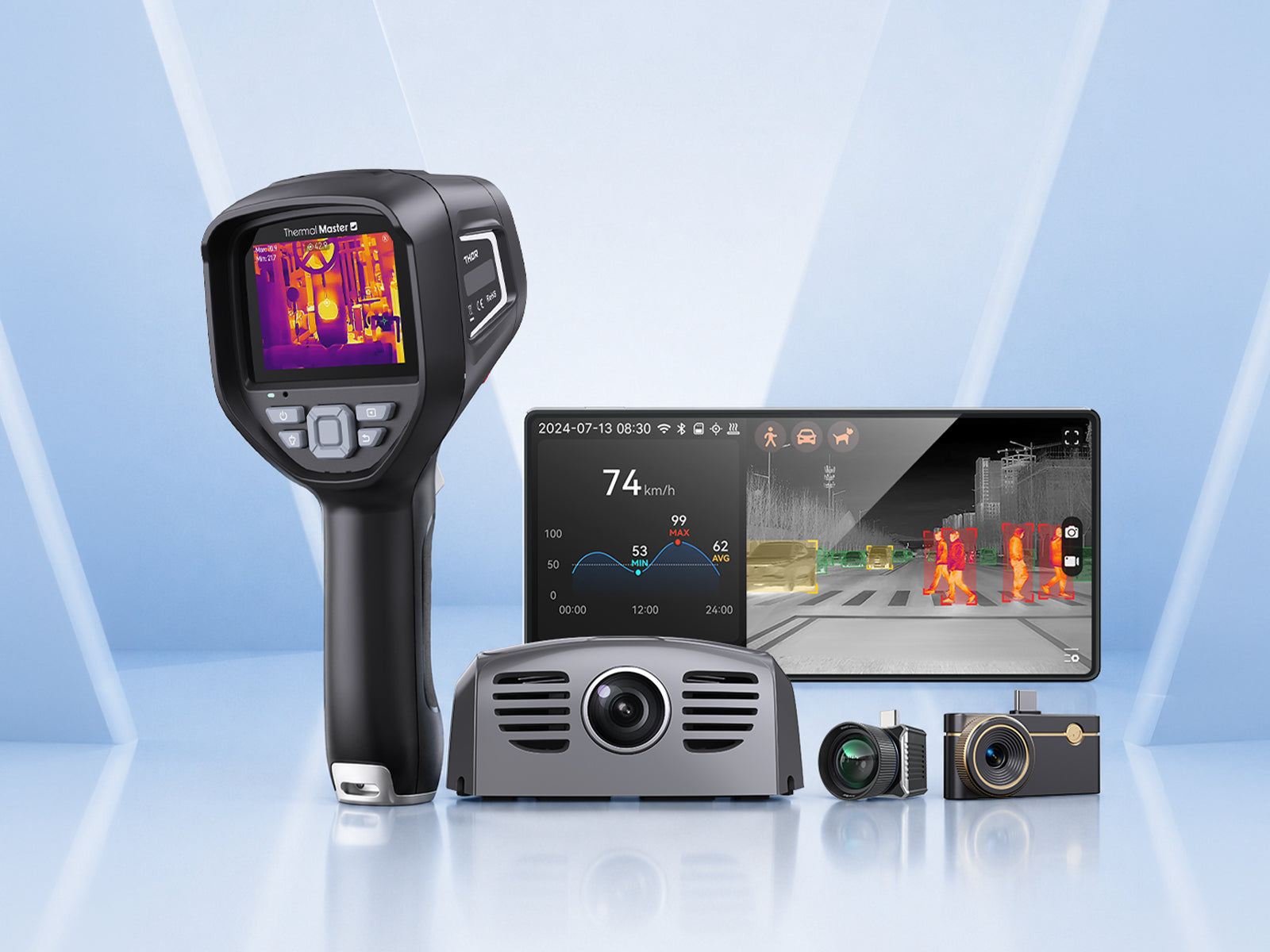
Not every thermal imager is suitable for inspecting geothermal heating, ventilation, and air conditioning (HVAC) systems. Technicians who choose models that provide clear images, reliable temperature readings, and portability will achieve better results when inspecting pipes, compressors, and circulation systems. Therefore, Thermal Master has selected three suitable models for your reference.
Thermal Master Thor 002
The Thermal Master Thor 002 is a handheld thermal imager designed for use in electrical, industrial, residential, and automotive inspections, making it ideal for HVAC, geothermal, and building inspections. It features a 3.5-inch IPS Hard Screen with 512x384 Ultra Clear resolution, allowing you to identify issues more clearly. Its ergonomic design makes it easier to inspect compressors, pipes, circulation systems, and underfloor heating systems during extended maintenance work.
Key Features:
- 5-Vision, Pro-Mix, IR-Fuse, PIP, IR, Visible
- Thermal resolution upgraded from 256×192 to 512×384 Super IR
- NETD < 40 mK, delivering clearer thermal imaging details
- TruePix ±2°C, -20°C to 550°C temperature measurement range

Thermal Master P4
The Thermal Master P4 is an AI Dual-Lens Thermal Camera compatible exclusively with Android systems. It features Dual Lens and 4 imaging modes, patented IR Eraser function enables faster and more efficient HVAC inspections, and helps technicians align thermal and visible light images more precisely when inspecting ground-source heat pump systems and pipe connections.
Key Features:
- Dual-lens thermal camera
- 256×192 thermal resolution, supports 512×384 X³IR™ Resolution
- IR-Eraser™ imaging technology—simply wipe the screen to erase the infrared image
- ±3.6°F accuracy, -4°F to 1112°F temperature measurement range

Thermal Master P2 Pro
The Thermal Master P2 Pro is a compact smartphone-style thermal imager capable of detecting 1mA PCB leakage. It features 512×384 X³IR™ Resolution and a temperature measurement range of -4°F to 1112°F with ±3.6°F accuracy. As such, it is ideal for portable HVAC inspections. It further assists technicians in quickly identifying component overheating, temperature differentials in piping, and circulation issues during troubleshooting.
Key Features:
- 256×192 thermal imaging resolution, supports 512×384 X³IR™ resolution
- NETD ≤ 40 mK, capable of detecting subtle temperature differences
- ±2°C accuracy, suitable for HVAC system diagnostics
- Weighs only 9 g, with a power consumption of just 0.33 W

Thermal Master: Product Specifications Comparison Table (3 Models)
To help you quickly distinguish between the three Thermal Master products, we have provided a comparison table of their key specifications below to assist you in making your selection.
|
Model |
Thermal Master P4 |
Thermal Master P2 Pro |
Thermal Master Thor002 |
|
Positioning |
AI Dual-Lens Thermal Camera |
World's Smallest Thermal Camera |
Expert Thermal Imager |
|
Price(USD) |
399 |
269 |
399 |
|
IR Eraser |
√ |
× |
× |
|
Dual Lens |
√ (Pro-Mix and IR-Fuse) |
× |
√ (IR-Fuse) |
|
X³IR Resolution |
512×384 |
512×384 |
512×384 |
|
Detector |
Vox 256×192 @12μm |
Vox 256×192 @12μm |
Vox 256×192 @12μm |
|
Measurement Range |
-4℉~1112℉ (-20℃~600℃) |
-4℉~1112℉ (-20℃~600℃) |
(-4°F ~ 1022°F) (-20℃~550℃) |
|
Temperature Accuracy |
±2℃ |
±2℃ |
±2℃ |
|
NETD |
≤35mK |
≤40mK |
≤40mK |
|
Compatible Systems |
Only Android |
Only iOS or Android |
/ |
|
Application |
Electrical , Industrial Inspection, Scientific Research |
Home Inspection, PCB, Electrical Inspection |
Electrical & Industrial Inspection, Home Inspection |

Conclusion
As discussed above, early detection of issues enables repair of ground-source heat pumps. Furthermore, thermal imaging technology can be used to diagnose problems such as leaks, circulation failures, component overheating, and heat loss more efficiently. By selecting the appropriate thermal imager, HVAC technicians can improve detection accuracy, reduce troubleshooting time, and maintain ground-source heat pump systems more effectively.
When selecting a thermal imager for ground-source heat pump inspections, you should prioritize clear thermal imaging, reliable temperature measurement capabilities, and portability. If you need to conduct extended HVAC system inspections, the Thermal Master Thor 002 is a better choice, while the Thermal Master P4 and P2 Pro are better suited for portable ground-source heat pump diagnostics and quick troubleshooting.
Related Reading:

Leave a comment
All comments are moderated before being published.
This site is protected by hCaptcha and the hCaptcha Privacy Policy and Terms of Service apply.