



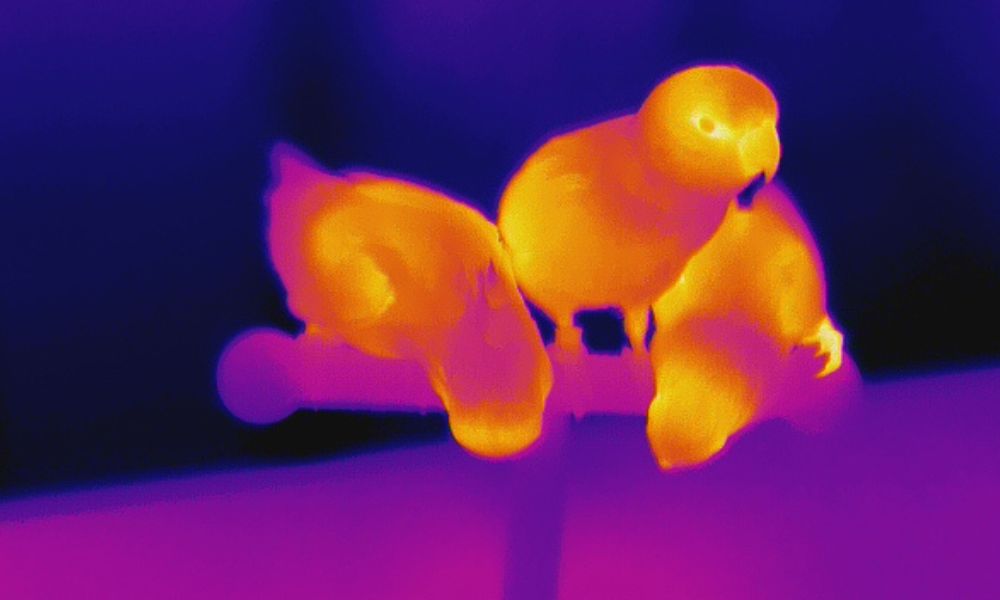
Many people use the terms "infrared" and "thermal imager" interchangeably, but they are not the same. Infrared radiation is the invisible thermal radiation emitted by an object, while a thermal imager is a device that detects and displays this heat. Below, we will explain the differences between them and the importance of distinguishing between them.
What Is Infrared?
Infrared (IR) light is light located outside the visible spectrum; we cannot see it with the naked eye, but we can feel its heat. Every object around us emits infrared energy, and the higher the object's temperature, the more infrared light it emits. Thermal imaging cameras utilize this invisible energy to detect temperature differences and convert them into visible thermal images.
What Is a Thermal Camera?
A thermal imager is a device that detects the infrared energy (heat) emitted by an object and converts it into a visible image. Unlike ordinary cameras that rely on light, thermal imagers read temperature differences and display them as a heat map, clearly showing hot and cold areas. This allows you to identify hot spots, heat loss, electrical faults, leaks, and other problems that are invisible to the naked eye, even in dark environments.
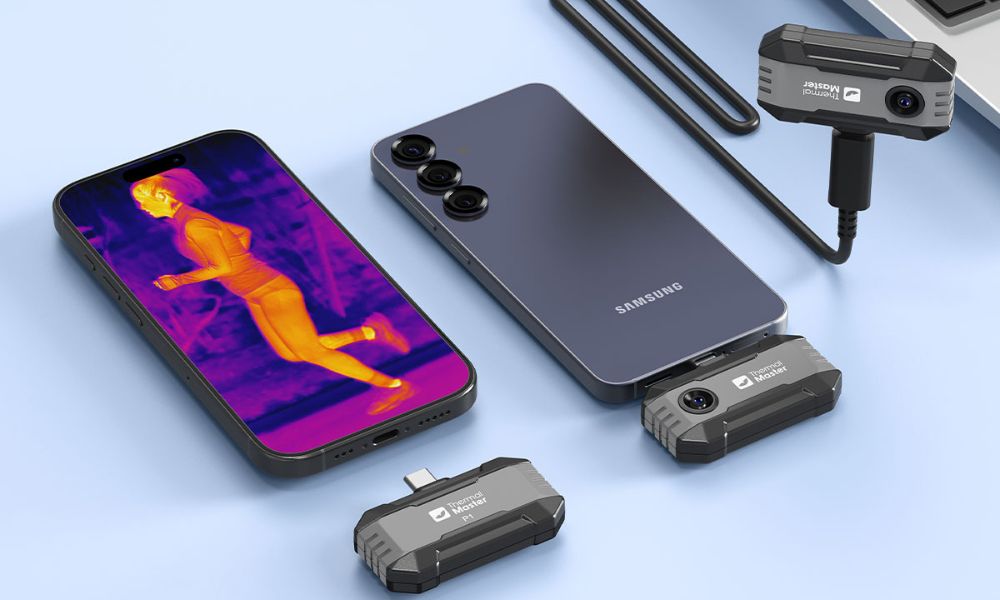
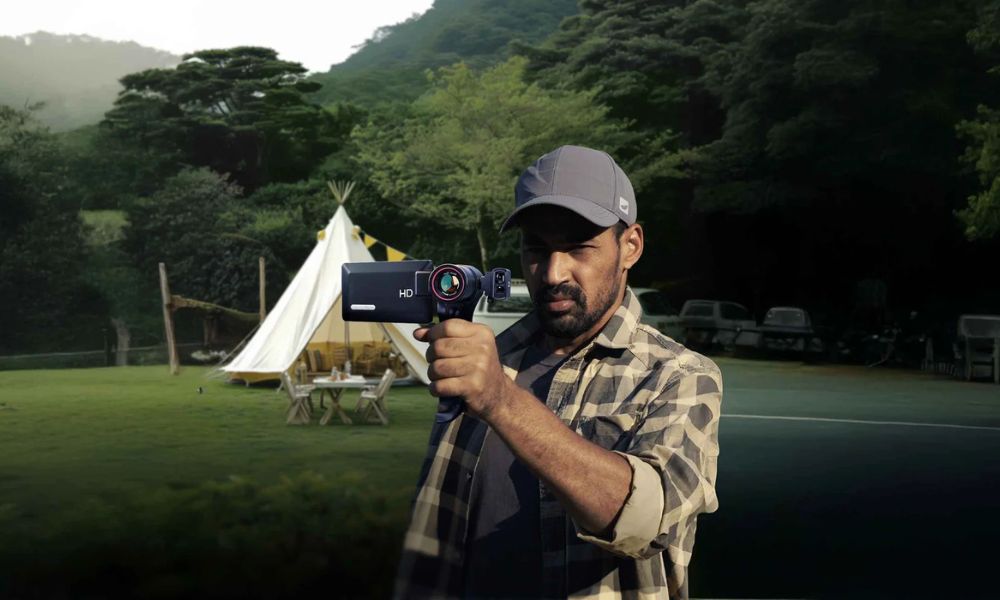
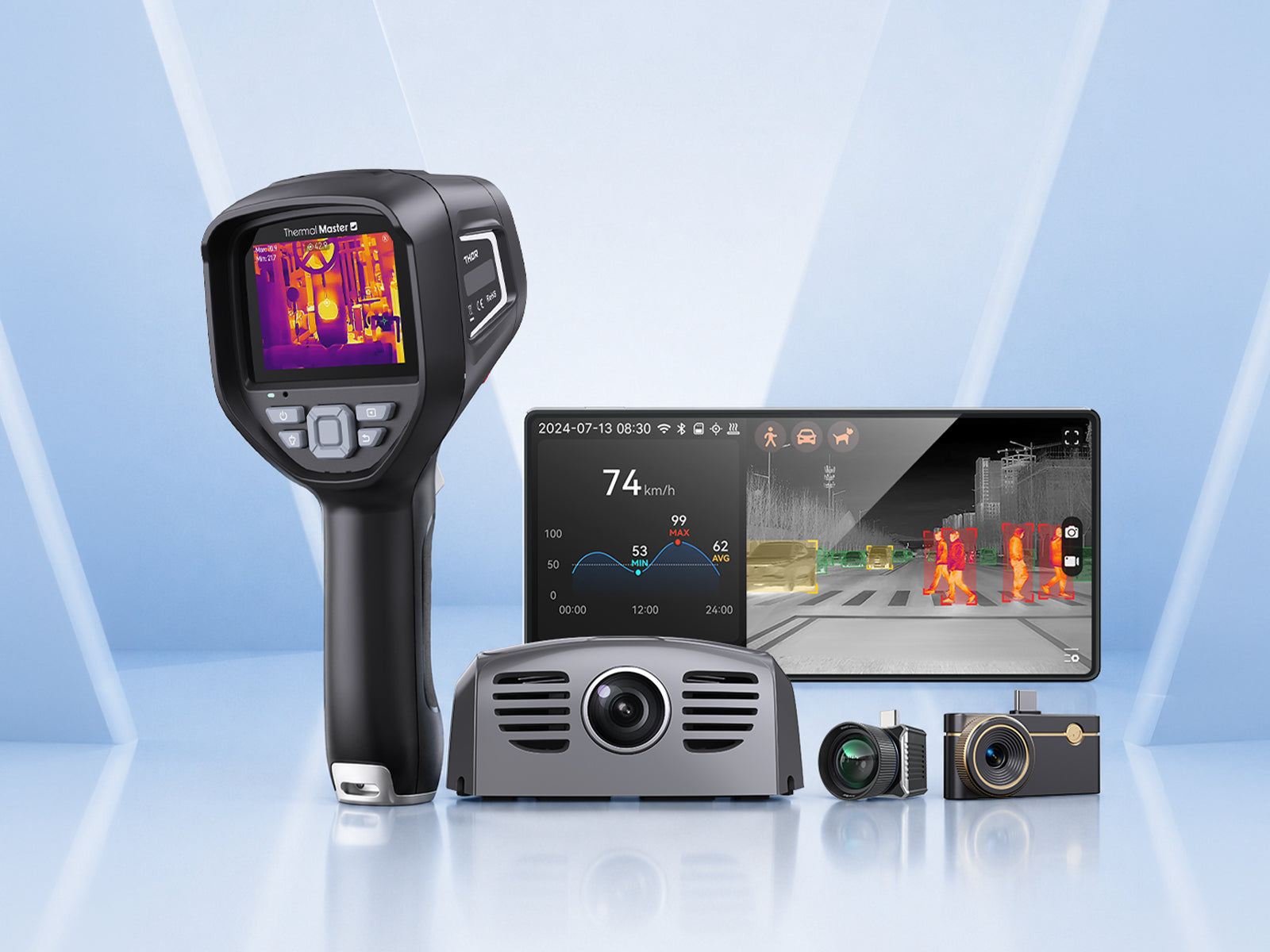
Today, thermal cameras are available in different forms, including handheld thermal camera for professional inspections and compact smartphone-based thermal cameras that connect directly to mobile devices. This variety makes thermal imaging more accessible, whether for industrial use or everyday troubleshooting.

Infrared vs Thermal Camera: Key Differences
1. Physical Phenomena and Detection Technologies
Infrared: Infrared radiation is a naturally occurring form of electromagnetic energy emitted by all objects above absolute zero (-273.15°C). It exists based on human visual perception and radiates continuously according to the temperature of an object's surface. Infrared radiation is not a tool or device; it is simply a physical property of matter related to thermal energy.
Thermal Camera: A thermal camera is a technology specifically designed to detect infrared radiation. It does not generate heat or infrared energy itself; instead, it senses the intensity of the radiation and converts it into a readable format. Therefore, infrared radiation is a phenomenon, and a thermal imager is a system used to interpret and visualize this phenomenon.
2. Visibility and Perception
Infrared: Humans cannot see infrared radiation because its wavelengths extend beyond the visible spectrum. While we may feel the warmth of infrared radiation (e.g., sunlight on the skin), temperature differences cannot be visually distinguished without specialized equipment.
Thermal Camera: A thermal imager makes the invisible visible by converting infrared radiation into a color thermal image. Even in dark environments, it can immediately identify hot spots, cold spots, insulation gaps, or overheated components. Furthermore, thermal imagers rely on the thermal energy radiated by the object itself.
3. Temperature Measurement and Quantification
Infrared: Infrared radiation is naturally related to temperature; the higher the temperature of an object, the more infrared energy it radiates. However, infrared radiation does not provide a specific temperature value because it exists as energy, not a measured value.
Thermal Camera: Thermal imagers can quantify infrared radiation. They use calibrated sensors and algorithms to calculate surface temperature values and display them in real time. Some advanced thermal imager models can also display point measurements, temperature ranges, isotherms, and even perform detailed thermal analysis for diagnostic purposes.
4. Data Processing and Image Formation
Infrared: Infrared radiation is simply radiation emanating from an object; it does not form images or patterns because it is raw thermal energy distributed across the object's surface.
Thermal Camera: Thermal camera (typically VOx microbolometers) inside thermal imagers capture thermal energy, which is then processed by an image engine to enhance contrast, reduce noise, and generate a clear thermal image. Some models also employ resolution enhancement or image optimization techniques to display even sharper details.
5. Technical Components and Engineering Complexity
Infrared: As a natural phenomenon, infrared requires no mechanical parts, electronics, or software. It is present in all environments, from industrial machinery to living organisms.
Thermal Camera: Thermal cameras combine specialized hardware and software, such as Vox infrared sensors, infrared optics, and image processors, to capture and display thermal information. However, image sharpness and the accuracy of temperature readings depend on the sensor's resolution, thermal sensitivity (NETD), and overall processing performance.
6. Functional Purpose and User Application
Infrared: Infrared energy exists whether or not it is observed, but it does not actively solve problems. It simply reflects temperature conditions.
Thermal Camera: thermal cameras can convert infrared energy into practical, actionable information, helping professionals and homeowners detect electrical overheating, identify insulation problems, locate leaks, diagnose HVAC inefficiencies, inspect vehicles or machinery, and even observe wildlife at night.

Thermal Camera vs Night Vision: Are They the Same?
No, Thermal Camera and Night Vision are not the same. Night vision devices help you see in low light by amplifying existing light sources, such as moonlight or infrared radiation. Thermal imagers, on the other hand, detect infrared radiation (heat) emitted by objects and form an image based on temperature differences. Therefore, night vision devices still require some ambient light to function, while thermal imagers can operate in complete darkness by detecting heat rather than visible light.
When Do You Need a Thermal Camera?
You can use a thermal imager to inspect HVAC systems, detect heat loss in buildings, diagnose electrical issues, locate hidden leaks, or assess vehicles and machinery. By revealing temperature differences that aren’t visible, it helps you quickly identify the source of a problem and take action more efficiently.
Can Infrared Be Seen Without a Thermal Camera?
No, infrared radiation cannot be seen by the human eye. Although we can feel infrared energy as heat, such as warmth from the sun or a heater, its wavelengths lie beyond the visible light spectrum. To see infrared radiation, specialized devices like thermal cameras are needed to detect the heat and convert it into a visible image.
Conclusion
Infrared thermal imagers and thermal imagers are closely related, but they are not the same. Infrared radiation is the invisible thermal radiation naturally emitted by all objects, while a thermal imager is a device that detects this radiation and converts it into a visible image. Understanding this area helps us understand how thermal imaging works and why it is so effective in detection and diagnosis.
FAQs
Is infrared the same as thermal imaging?
No, infrared is not the same as thermal imaging. Infrared refers to invisible heat radiation naturally emitted by objects, while thermal imaging is the technology that detects that radiation and converts it into a visible image. In simple terms, infrared is the energy, and thermal imaging is the method used to visualize it.
Do thermal cameras use infrared?
Yes, thermal imaging cameras use infrared radiation to create images. They detect the heat emitted by objects and convert it into a visible thermal image based on temperature differences. Unlike regular cameras that rely on visible light, thermal imaging cameras read infrared radiation to display a thermal distribution map and can function normally in complete darkness.
Is infrared harmful?
Infrared radiation is generally not harmful at normal exposure levels. It is a natural form of heat energy emitted by the sun, household heaters, and even our own bodies. However, very intense infrared exposure, such as from industrial heat sources or direct sunlight for long periods, can cause skin burns or eye damage due to excessive heat.

Leave a comment
All comments are moderated before being published.
This site is protected by hCaptcha and the hCaptcha Privacy Policy and Terms of Service apply.