




Car Night Vision System
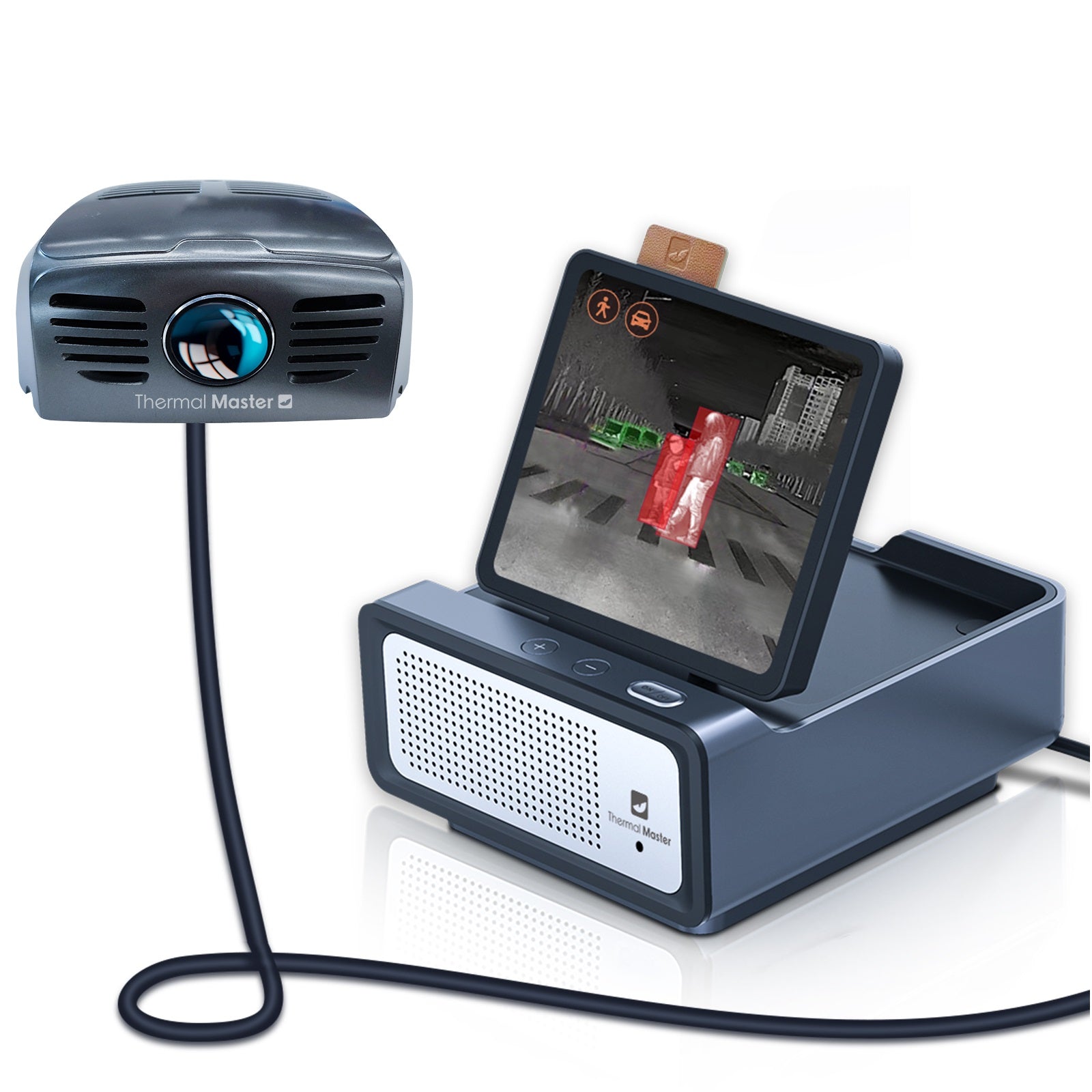
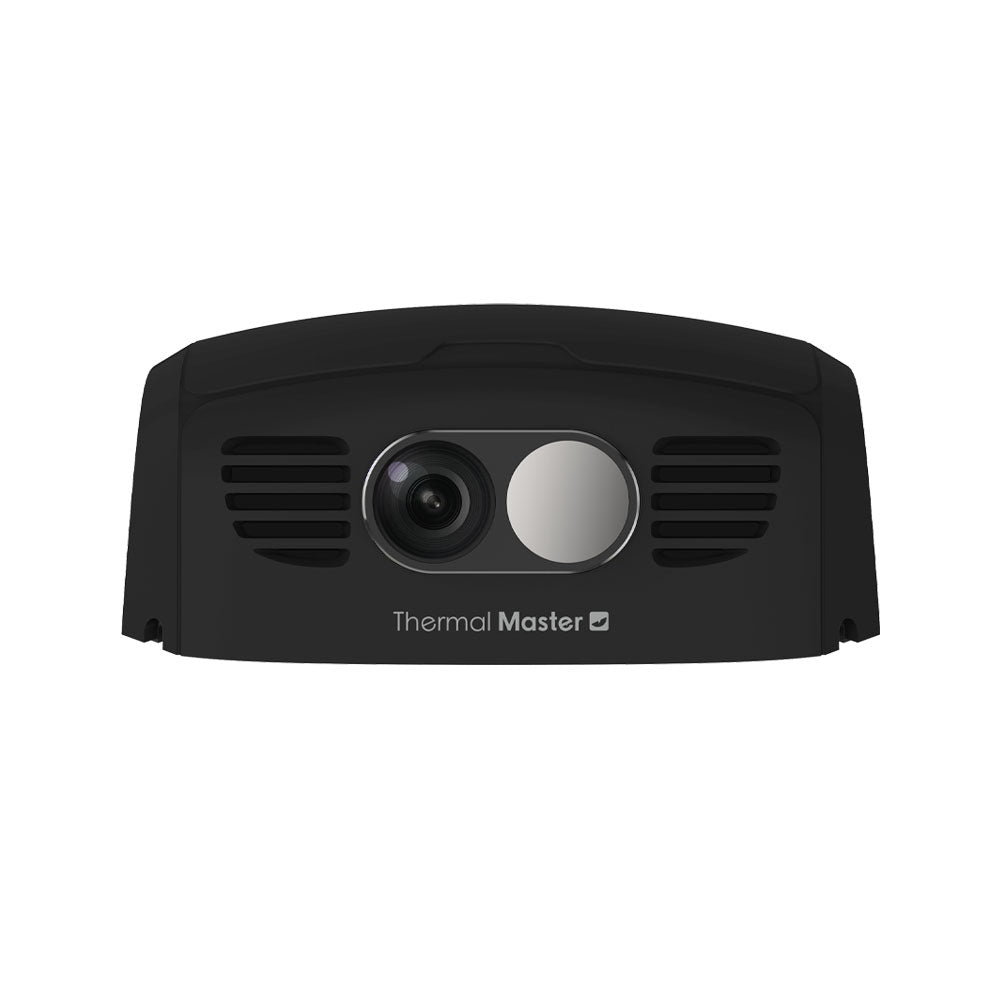
Automotive AI Night Vision Master
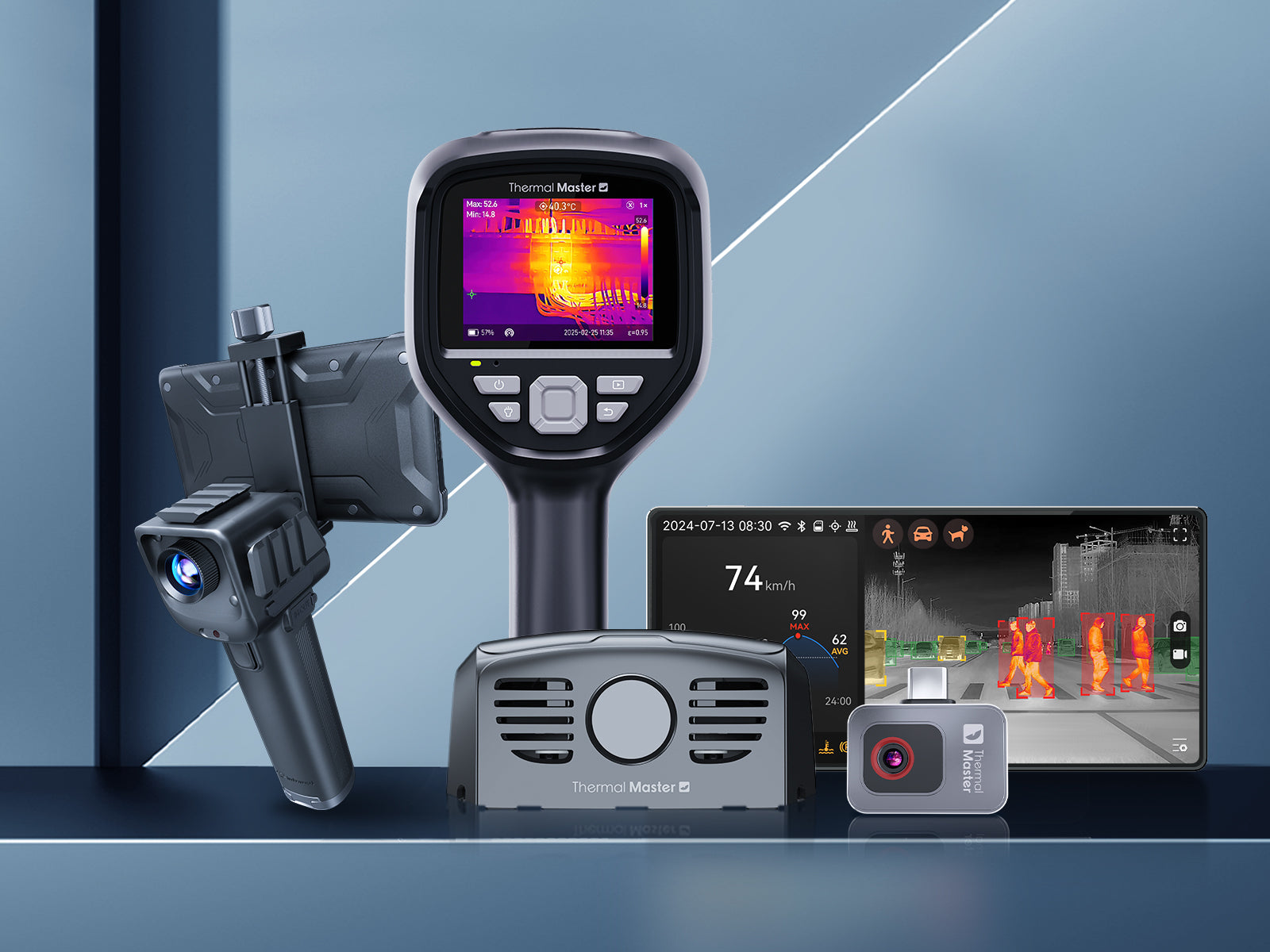
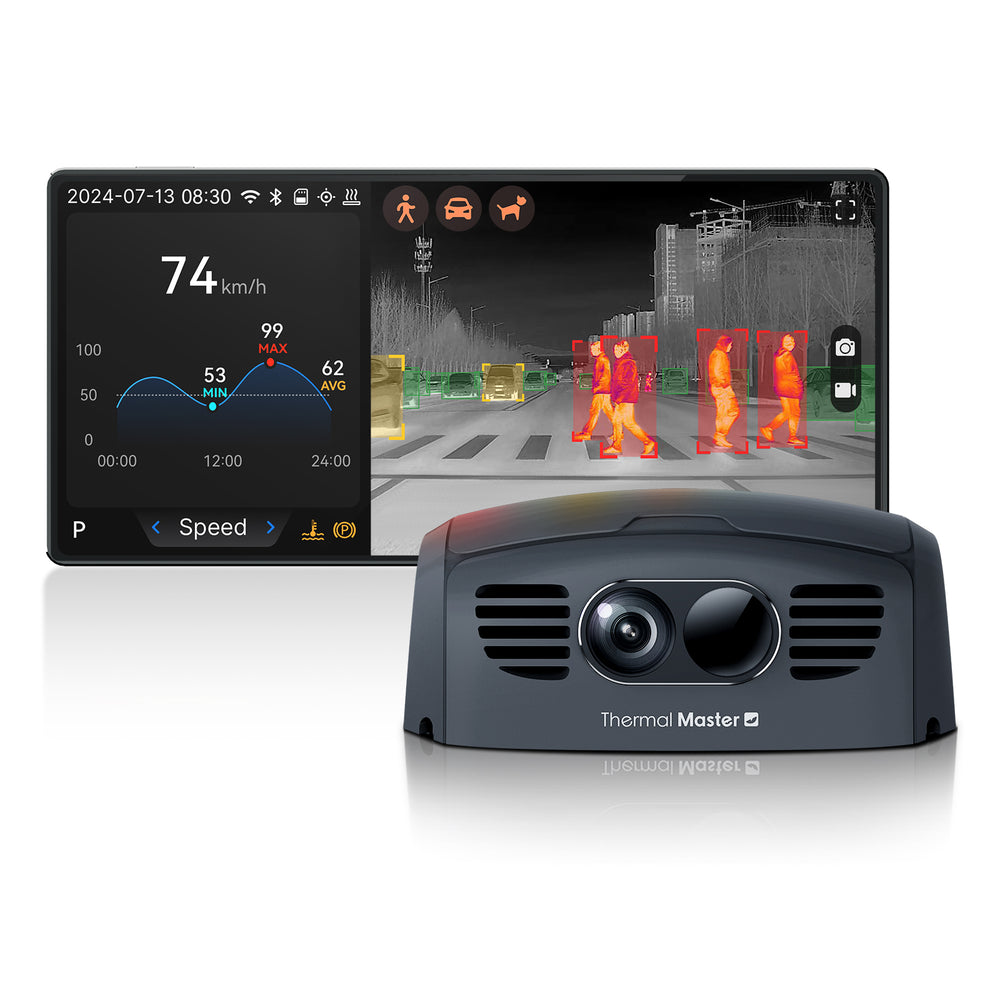
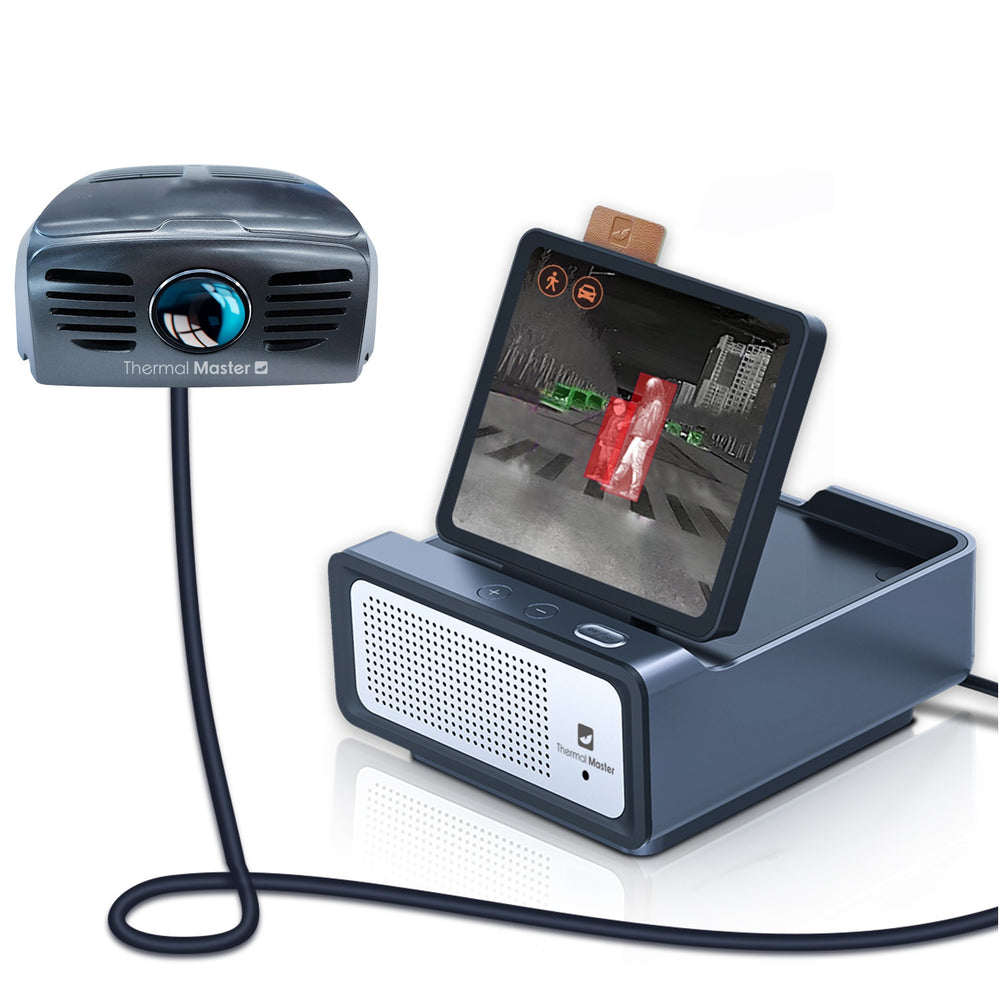
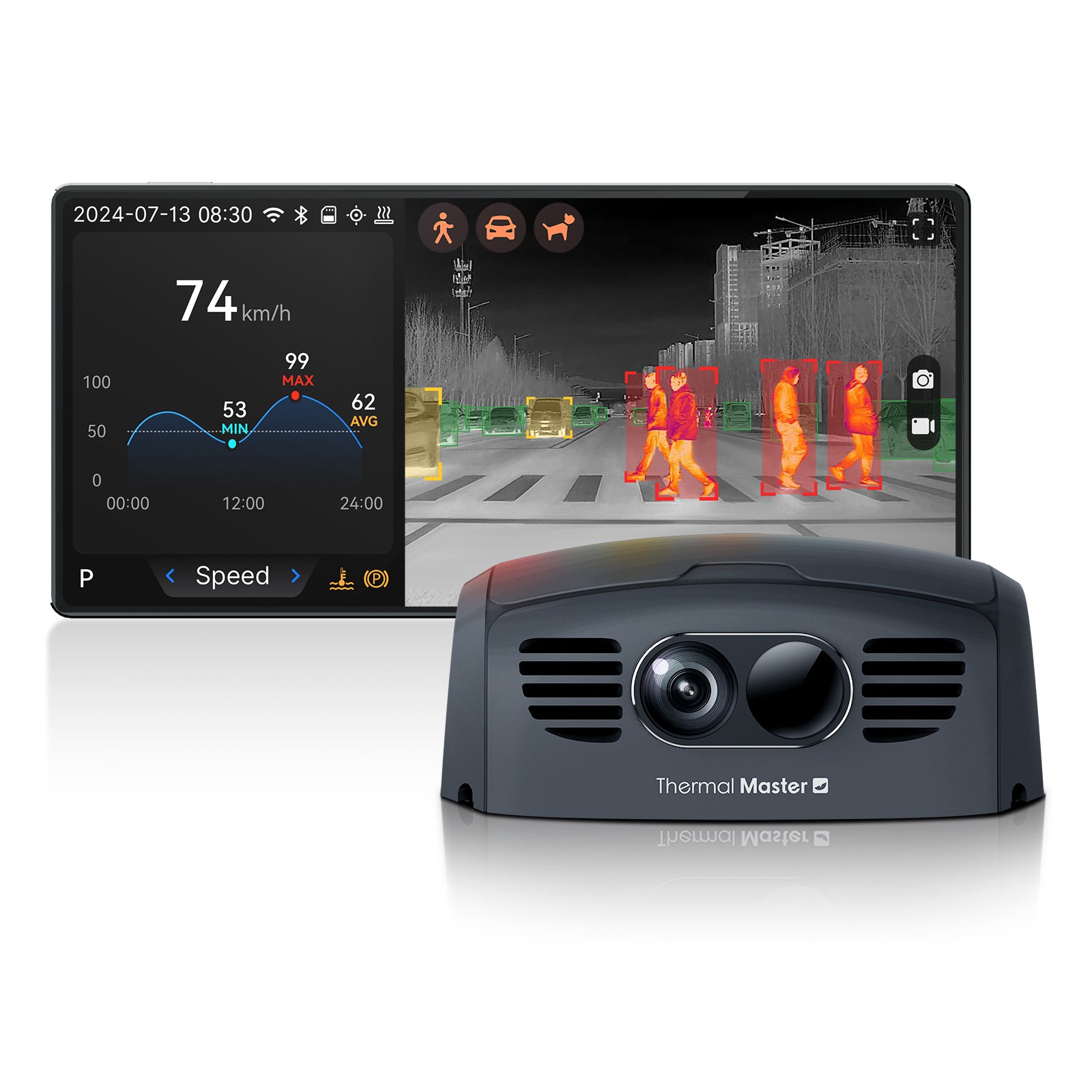
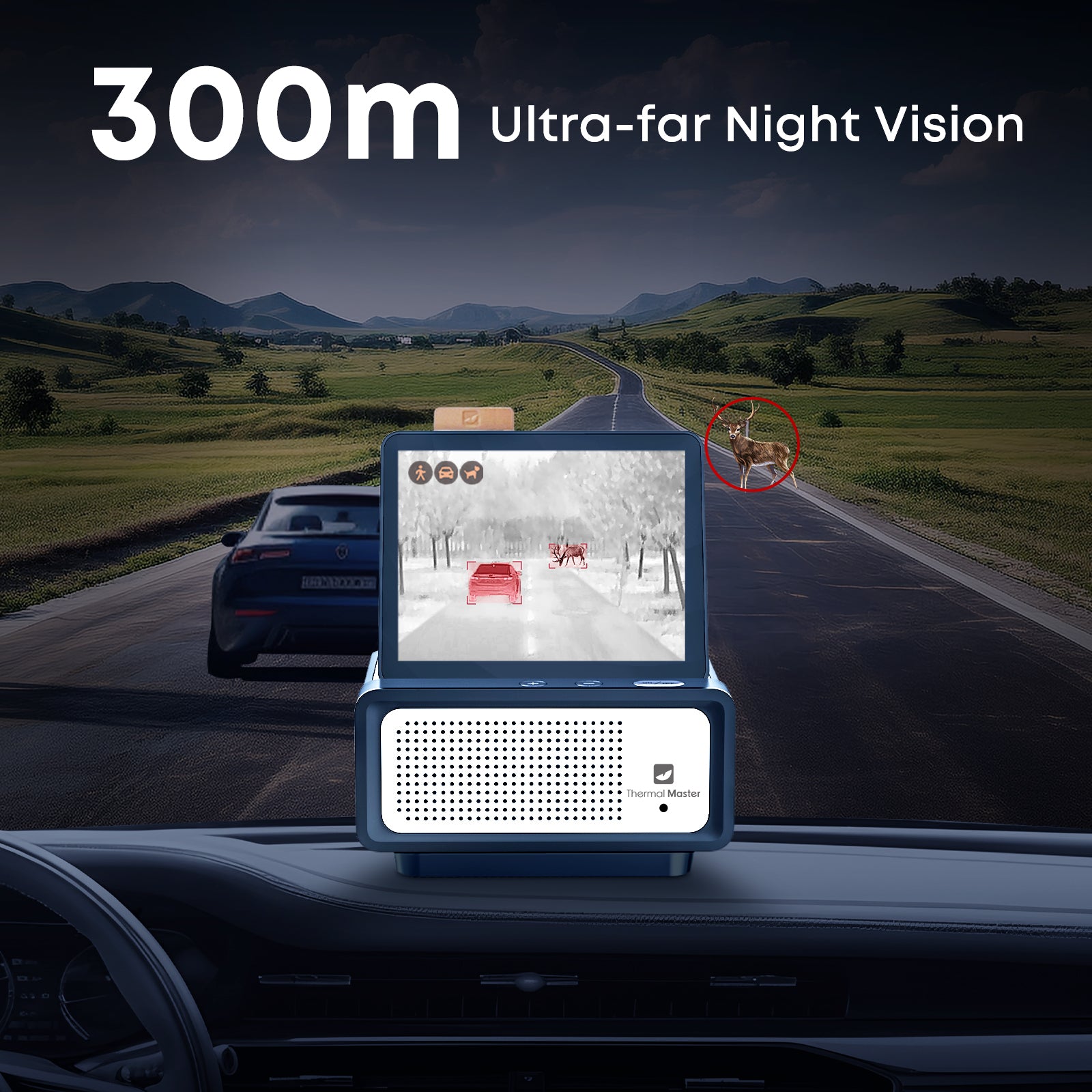
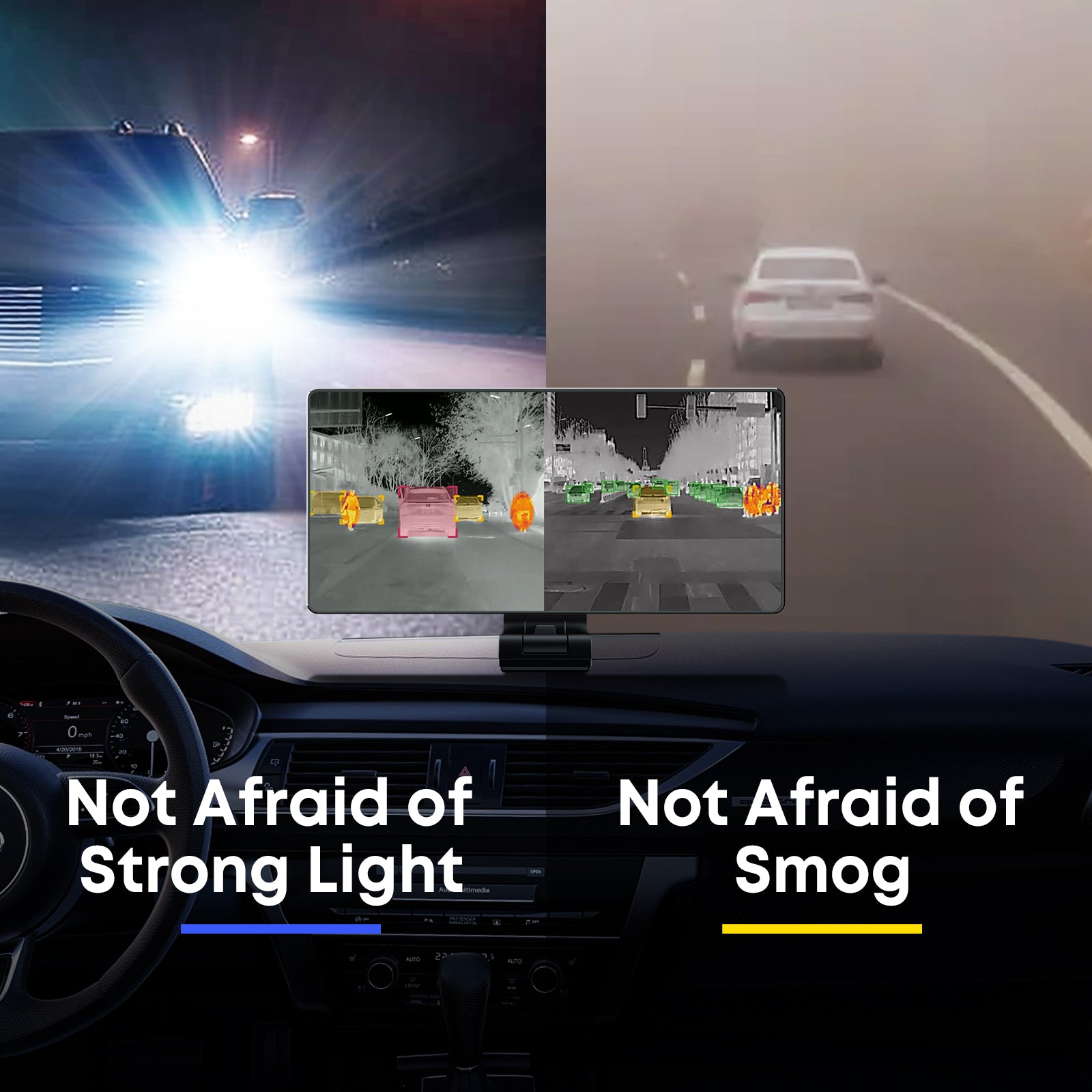
Darkness, rain, fog, and high beams have always been hazards to safe driving. The Automotive AI Night Vision Master, with its high-sensitivity core and "Razor X" ultra-clear image algorithm, penetrates the night / fog, detecting cyclists, deer up to 300 meters away, issuing sound / image warnings in just 0.1 seconds. In some regions, it’s affectionately known as the “deer collision prevention miracle.”


AI {Det} Life Collision Warning
The AI{Det} neural network deep learning algorithm rapidly identifies pedestrians, cyclists, motorcyclists, cars, and animals. Utilizing “Insight+” to intelligently eliminate false targets, it accurately identifies and highlights real targets, making safety warning distance judgments based on vehicle speed. AI{Det} automatically adapts to national highways, expressways, and rural roads, delivering the clearest images in every scenario.
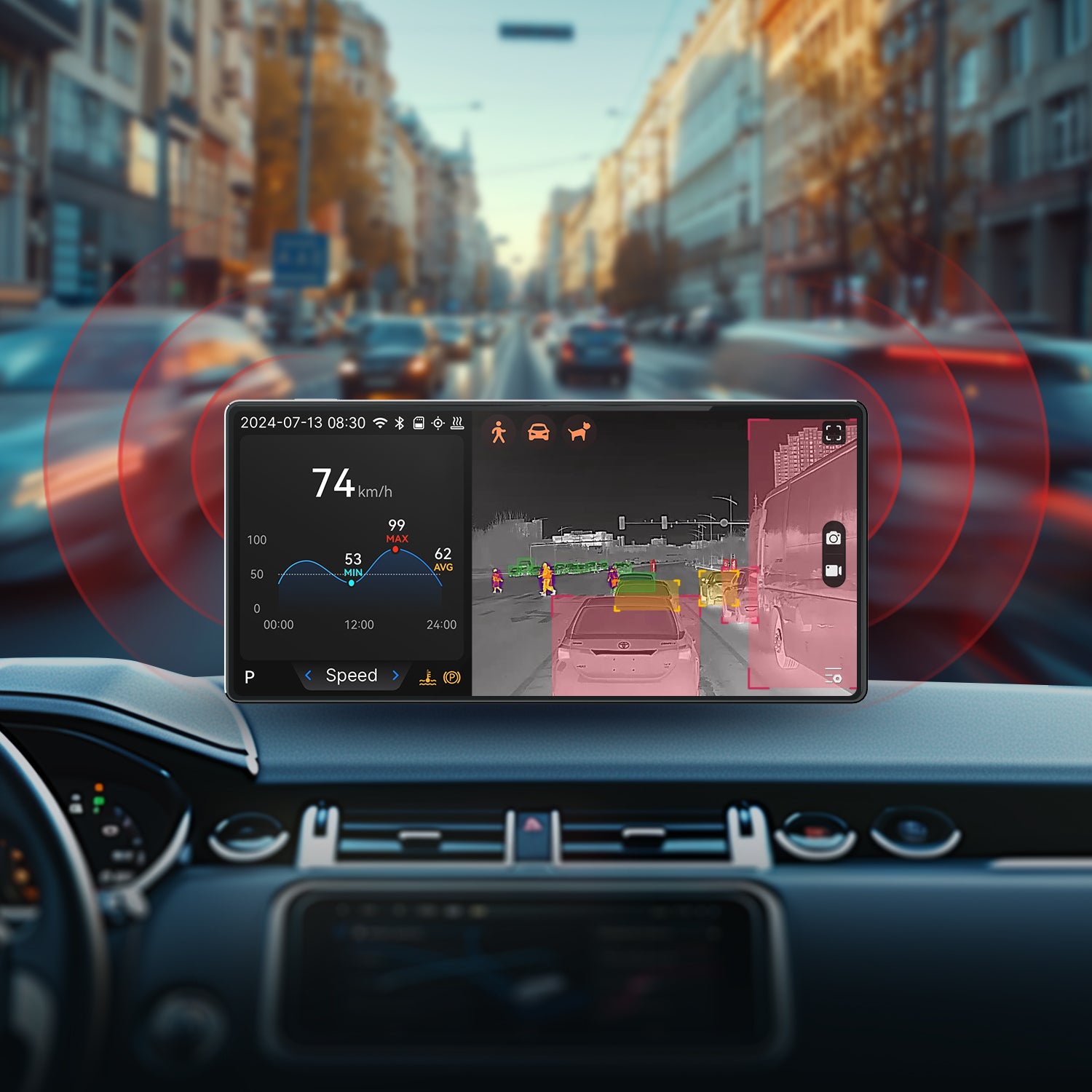
Shutterless Technology, Zero Lag
Thermal imaging often requires frequent shutter clicks for image correction, causing screen freeze and delay. The Automotive AI Night Vision Master pioneers Shutterless technology, ensuring completely lag-free, zero-delay performance, delivering clear, smooth images without missing a second of potential driving hazards.
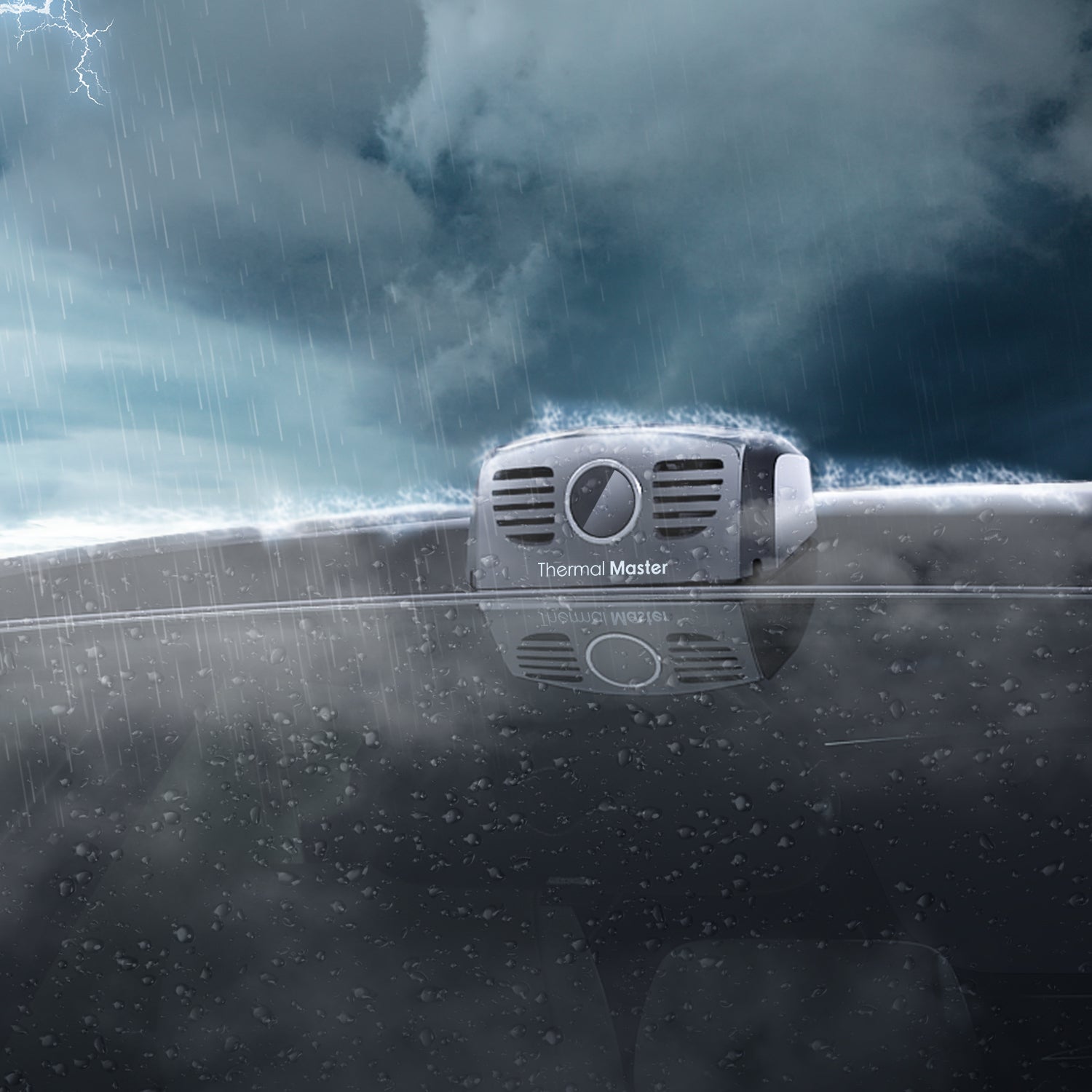
All-Time, All-Weather, Master of Day and Night
The Automotive AI Night Vision Master is designed to handle all environments, with an IP69K rating protecting it against 80°C high-pressure water jets and ensuring 100% dustproof capability. In -20°C freezing temperatures, it features automatic snow and frost removal. It connects directly to screens and wirelessly to your phone, letting you share your infrared journey with friends anytime, anywhere.
Night Vision Thermal Camera FAQs
Can a car thermal camera see in complete darkness?
Yes, a night vision thermal camera can see in complete darkness because it doesn’t rely on visible light, headlights, or street lighting to work. Instead, it detects heat differences emitted by people, animals, vehicles, and other objects. Even when the road is completely unlit, those heat signatures remain visible, allowing the system to generate a clear and usable image.
In real driving situations, a night vision thermal camera keeps working when headlights and standard cameras reach their limits. Darkness alone does not reduce its effectiveness, which is especially important on rural roads, unlit highways, or remote areas. For drivers, this means fewer blind spots, earlier awareness, and more confidence when visibility is otherwise extremely limited.
How is a night vision thermal camera different from IR night vision?
A night vision thermal camera works differently from traditional IR night vision systems. IR night vision depends on reflected infrared light and often requires an additional illuminator, which can limit performance in very dark environments. A night vision thermal camera, by contrast, detects heat directly from objects, allowing it to work independently of lighting conditions.
Because of this, a night vision thermal camera is less affected by glare from headlights, streetlights, or sudden brightness changes. In everyday driving, this leads to more stable and consistent images. For drivers, the difference is noticeable: thermal imaging remains reliable in situations where IR night vision may struggle or lose detail.
Can a night vision thermal camera see through darkness?
Yes, a night vision thermal camera can see through complete darkness by visualizing temperature differences rather than relying on light. Warm objects such as people, animals, and vehicles naturally stand out against cooler backgrounds, even when the environment is pitch black.
This capability makes a night vision thermal camera particularly useful in areas where headlights provide limited information, such as winding rural roads or poorly lit neighborhoods. By revealing what is ahead without depending on light, a night vision thermal camera helps drivers maintain awareness and avoid surprises when driving at night.
Is a car thermal camera useful for night driving?
A night vision thermal camera is very useful for night driving because it allows drivers to detect potential hazards earlier than headlights alone. Headlights illuminate only a limited distance, while a night vision thermal camera can reveal pedestrians, animals, or stopped vehicles before they become visible to the naked eye.
For drivers who frequently drive at night, this earlier awareness reduces stress and sudden reactions. A night vision thermal camera supports smoother braking and more controlled decision-making, which leads to a safer and more comfortable night driving experience overall.
Does a car thermal camera work in fog or rain?
Yes, a night vision thermal camera generally works better than standard cameras in fog, smoke, or light rain. Since it detects heat rather than reflected light, visual interference caused by weather has less impact on performance.
While extremely heavy rain or dense fog can still affect clarity to some degree, a night vision thermal camera usually maintains better situational awareness than traditional systems. This added visibility can be reassuring for drivers facing changing weather conditions, especially at night or on unfamiliar roads.
Can night vision thermal cameras be used during the day?
Yes, night vision thermal cameras can be used during the day just as effectively as at night. Heat signatures exist regardless of lighting conditions, so bright sunlight does not interfere with how night vision thermal cameras operate.
During daytime driving, night vision thermal cameras can still help highlight people, animals, or vehicles that blend into visually complex backgrounds. This makes them useful not only after dark, but also during early mornings, late afternoons, or overcast conditions where visual contrast is low.
Can an automotive thermal camera improve driving safety?
A night vision thermal camera improves driving safety by helping drivers notice hazards earlier and more clearly. Pedestrians, animals, and vehicles stand out based on heat rather than color or brightness, reducing the chance of overlooking something important.
With earlier detection, drivers can react more calmly and predictably. Over time, using a night vision thermal camera helps reduce sudden braking, unexpected maneuvers, and overall accident risk, particularly during night driving and low-visibility conditions.
Can a thermal imaging camera for cars detect pedestrians?
Yes, a night vision thermal camera is very effective at detecting pedestrians because the human body emits a strong heat signature. Even in dark areas or when pedestrians wear dark clothing, they remain clearly visible in thermal imaging.
This early visibility gives drivers more time to slow down or adjust their path safely. By detecting pedestrians sooner, a night vision thermal camera plays an important role in improving safety for vulnerable road users, especially at night or in poorly lit environments.
Is a thermal imaging camera for cars suitable for highway driving?
A night vision thermal camera is well-suited for highway driving, particularly at night when vehicles travel at higher speeds. At these speeds, reaction time is critical, and a night vision thermal camera helps drivers spot hazards farther ahead than headlights alone.
On long, poorly lit highway stretches, a night vision thermal camera adds an extra layer of awareness. This makes nighttime highway driving feel more controlled and reduces the risk of sudden surprises during long-distance trips.
Can automotive thermal cameras detect engine heat issues?
Yes, a night vision thermal camera can help identify engine heat issues by revealing unusual temperature patterns. Overheating components such as engines, brakes, or exhaust systems often become visible before a problem escalates.
For drivers and technicians, a night vision thermal camera provides insight beyond basic visual checks. It can support early detection and preventative maintenance, helping reduce unexpected breakdowns and costly repairs over time.
Who should consider buying a night vision thermal camera?
A night vision thermal camera is a strong choice for drivers who regularly travel at night, especially on roads with limited lighting or frequent wildlife activity. Anyone who wants earlier hazard detection and improved visibility can benefit from a night vision thermal camera.
It is also well-suited for long-distance commuters, professional drivers, and safety-conscious car owners. By improving awareness and reducing reaction time, a night vision thermal camera delivers practical, everyday value rather than being a niche or luxury feature.