



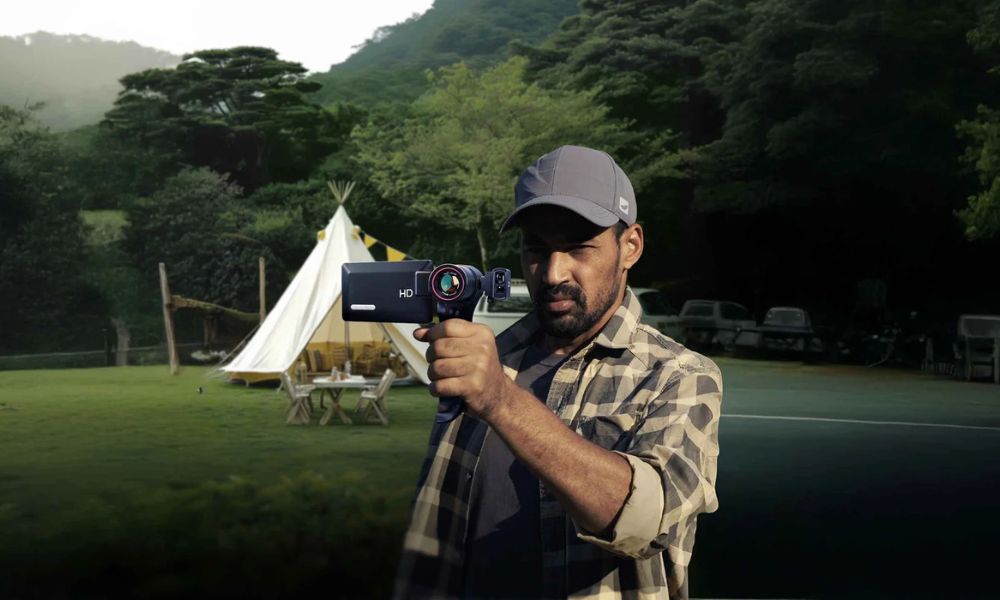
Yes, you can use a thermal scope during the day. Unlike night vision devices that rely on available light, thermal scopes detect heat signatures, allowing them to function in bright sunlight as well as in darkness. But how do they perform in daytime conditions? What factors affect visibility? Below, we explore how thermal imaging sights work in sunlight, their advantages, and the best conditions for their effective use.
How Does a Thermal Scope Work in Daylight?
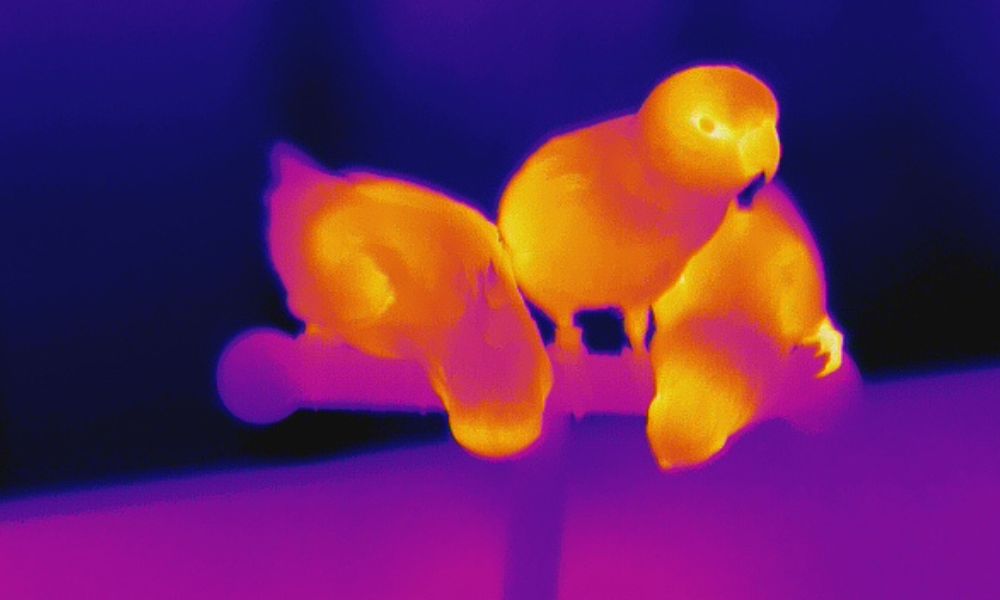
Thermal scopes work on the same principle, day and night. They detect infrared radiation (heat), not visible light. All objects, including animals, vegetation, and the ground, emit heat. Thermal imagers capture these thermal signals and convert them into visible images, allowing you to see temperature differences, not color or light intensity.
Because thermal imaging doesn't rely on sunlight, it works effectively even in daylight. During the day, animals still generate body temperatures that contrast with their surroundings, making them visible through thermal imagers. However, environmental factors such as elevated ground temperatures, direct sunlight, or excessively high ambient temperatures reduce the contrast between the animal and the background.
In short, thermal imagers "don't see" sunlight; they see heat. This is why they can be used around the clock, whether it's the midday sun or after nightfall.

What Are the Benefits of Using a Thermal Scope in Sunlight?
Using thermal scope in sunlight offers several practical advantages, making them ideal for wildlife observation and outdoor monitoring.
Unrestricted by Light Conditions
Unlike traditional optical or night vision devices, thermal imagers do not rely on visible light. They can operate reliably in direct sunlight, shade, or dimly lit transitional areas (such as dawn and dusk).
Animals are Easier to Detect by Their Environment
Warm-blooded animals emit heat, creating a striking contrast with vegetation, rocks, and terrain. For example, thermal imaging can easily detect animal movement or hidden wildlife in tall grass or partially obscured areas.
Reduced Limitations of Visual Camouflage
Some animals blend naturally into their environment through camouflage. Thermal imaging ignores color patterns and focuses on thermal signals, making it easier to spot animals that might otherwise be missed.
Tracking Moving Targets in Bushes or Sparse Vegetation
Thermal imagers can detect heat sources through sparse vegetation, bushes, or shady areas with limited visibility. For example, it is ideal for use in woodlands or rugged terrain during the day.
Supports all-Weather Observation
The thermal imager can operate in all weather conditions, eliminating the need to switch equipment between day and night. The same device can be continuously used for wildlife monitoring or outdoor expeditions.
What Types of Thermal Scopes Are There?
Thermal scopes come in various forms depending on their purpose and function. Here are some of the most common types:
- Handheld Thermal Scopes: These devices are lightweight and portable, allowing for independent use, targeting, and scanning to view the thermal signal in real time. Ideal for wildlife observers and outdoor enthusiasts.
- Thermal Monoculars: Thermal monoculars are compact monocular devices designed for rapid scanning and animal detection. They are lighter and simpler than full-featured thermal imagers, making them a choice for hikers, birdwatchers, or those using small equipment for quick reconnaissance.
- Thermal Binoculars: Like traditional binoculars, thermal binoculars are equipped with two eyepieces, providing a more comfortable viewing experience and better depth perception. They are suitable for extended animal observation or situations requiring a more immersive thermal imaging effect.
- Weapon-Mountable Thermal Scopes: These thermal Scope sights are designed for mounting on firearms. While they can also detect heat, they are primarily designed for shooting and are less suitable for simple wildlife observation. If your primary purpose is animal observation rather than hunting, a handheld or monocular device will suffice.
- Clip-On Thermal Adapters: These devices connect to existing optics (such as binoculars or viewfinders) and convert them into thermal imaging tools. They are ideal if you already have high-quality optics and want to add thermal capabilities without purchasing entirely new equipment.
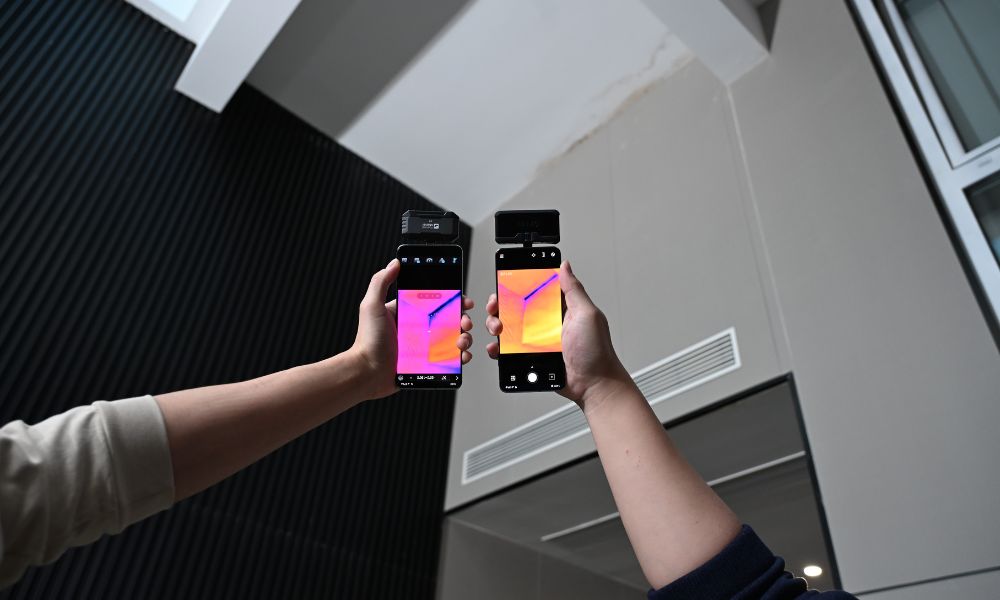
- Smartphone Thermal Imaging Modules: These compact thermal sensors connect to your smartphone via USB or wireless. They are portable and affordable, making them ideal for recreational wildlife observation and daytime scanning.
What Features Matter for Daytime Thermal Scope Use?
When choosing a thermal imaging scope for daytime animal observation, some features are more important than others because they directly affect image sharpness, detection range, and ease of use.
Thermal Resolution
Higher thermal imaging resolution results in richer image detail. This allows for the differentiation of subtle temperature differences between an animal and its surroundings in open or sunny areas.
Thermal Sensitivity (NETD)
Thermal sensitivity determines the minimum temperature difference a thermal imaging scope can detect. A lower NETD value (in mK) means it can better capture subtle temperature changes.
Detection Range
A longer detection range lets you spot animals from farther away before getting close. In open fields or expansive landscapes, a thermal imager with greater detection capabilities lets you spot animals from greater distances.
Field of View (FOV)
A wider field of view allows you to scan larger areas without constantly adjusting the device. This is ideal for searching for moving wildlife or scanning open terrain.
Refresh Rate
A higher refresh rate (measured in Hertz (Hz)) provides smoother, real-time images as the animal moves. This helps you track animal movement in real time, avoiding blur or lag.
Color Palettes and Image Modes
A variety of colors and image modes allow you to select the display mode with the best contrast based on daylight conditions. Some modes make thermal signals clearer against bright backgrounds.
Portability and Comfort
A lightweight body, excellent ergonomic design, and long battery life provide a more comfortable and longer viewing experience, especially suitable for hiking or long-term scanning.

Is a Thermal Scope Better Than Night Vision in Daylight?
Yes! During the day, thermal imaging sights are better than night vision goggles because they detect heat rather than visible light, so they can work clearly even in bright conditions where traditional night vision goggles cannot function effectively.
Best Times and Conditions to Use a Thermal Scope During the Day
While thermal scopes can operate during the day, image clarity and contrast are significantly enhanced when observing animals at specific times and environmental conditions.
- Early Morning: Early morning is the ideal time for observation because the ground and the surrounding environment are relatively cool. Warm-blooded animals stand out against a cooler background, creating stronger thermal contrast.
- Evening or Dusk: As temperatures gradually decrease throughout the day, thermal contrast increases again. This makes it easier to spot animals moving through fields, woodlands, or bushes.
- Cloudy Days: Clouds block direct sunlight, preventing excessively high ground temperatures. Reduced surface thermal interference makes animals easier to distinguish from their surroundings.
- Shady or Forested Areas: Compared to open areas with direct sunlight, woodlands and shady environments maintain lower surface temperatures, making thermal signals more clearly visible.
- Moderate Temperature Conditions: Thermal scopes perform best when ambient temperatures are not too high. In very hot weather, ground temperatures may approach animal body temperature, reducing contrast and slightly increasing the difficulty of detection.
Legal Considerations for Daytime Thermal Scope Use
Laws surrounding daytime thermal scope use vary by country, state, and region. In many places, civilians are legally allowed to own and use thermal scopes for wildlife observation and outdoor activities. However, regulations can differ markedly when the device is used for hunting or mounted to a firearm.
For example, in the United States, states such as California, Alaska, Colorado, and Oregon explicitly prohibit the use of thermal optics for hunting certain game animals or entirely restrict thermal devices attached to firearms.
Because wildlife and equipment laws change frequently, it’s important to check local hunting and conservation regulations before using a thermal scope in the field. Daytime observation is generally less restricted than nighttime use, but compliance with local rules ensures responsible and lawful use.
Conclusion
In summary, thermal imaging sights are perfectly usable during the day because they detect heat, enabling the detection of animals and monitoring of their activity under various sunlight conditions. By understanding how environmental factors affect performance and selecting the appropriate features, you can become proficient in using thermal imagers for daytime observation.
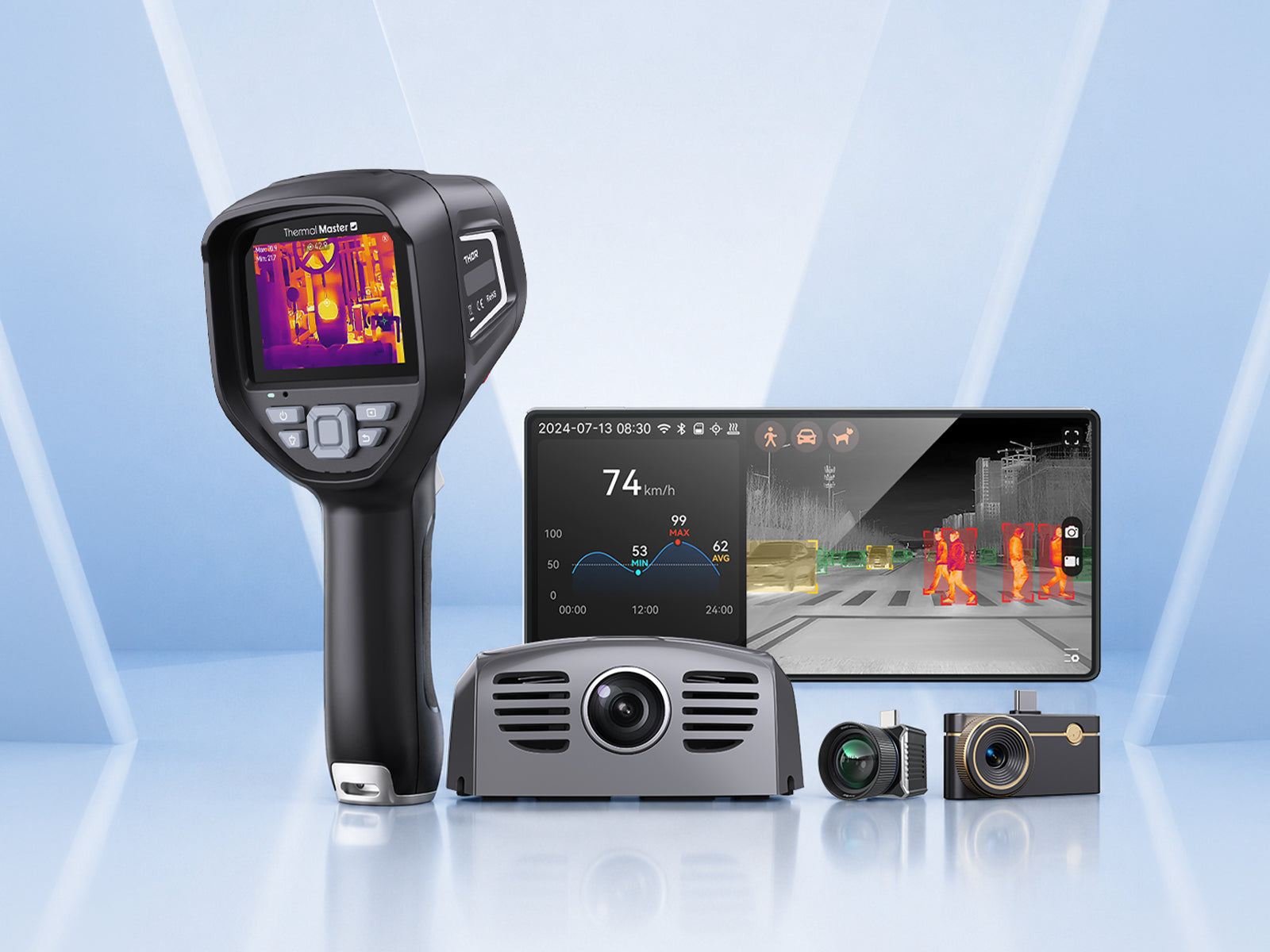
If you're exploring using thermal imaging to observe wildlife, Thermal Master offers a range of models designed for practical outdoor applications, providing reliable resolution, sensitivity, and portability in both day and night conditions. Whether you're scanning open fields or forests, visit the official website to learn about the various options and find the model best suited to your needs.
FAQs
Can a civilian own a thermal scope?
Yes, in most places, including much of the United States, civilians can legally own a thermal scope for personal use such as wildlife observation. However, laws may vary by state or country, especially if the device is mounted to a firearm or used for hunting, so it’s important to check local regulations.
Can you see rattlesnakes with a thermal scope?
Yes, you can see rattlesnakes with a thermal scope, but it depends on the conditions. Because rattlesnakes are cold-blooded, their body temperature changes with the environment. If their temperature contrasts with the surrounding ground, they can appear clearly; if not, detection may be more difficult.
How far can a thermal scope detect animals during the day?
How far a thermal scope can detect animals during the day depends on the device’s resolution, sensor sensitivity, and lens size. In general, quality thermal scopes can detect large animals several hundred yards away, while smaller animals may only be visible at shorter distances. Daytime heat conditions can also affect contrast, which may slightly reduce effective detection range compared to cooler periods like early morning or late afternoon.
Related Reading:
How Can You Turn Your Smartphone into a Thermal Camera?
What’s the Difference between Thermal Imaging and Night Vision?

Leave a comment
All comments are moderated before being published.
This site is protected by hCaptcha and the hCaptcha Privacy Policy and Terms of Service apply.