



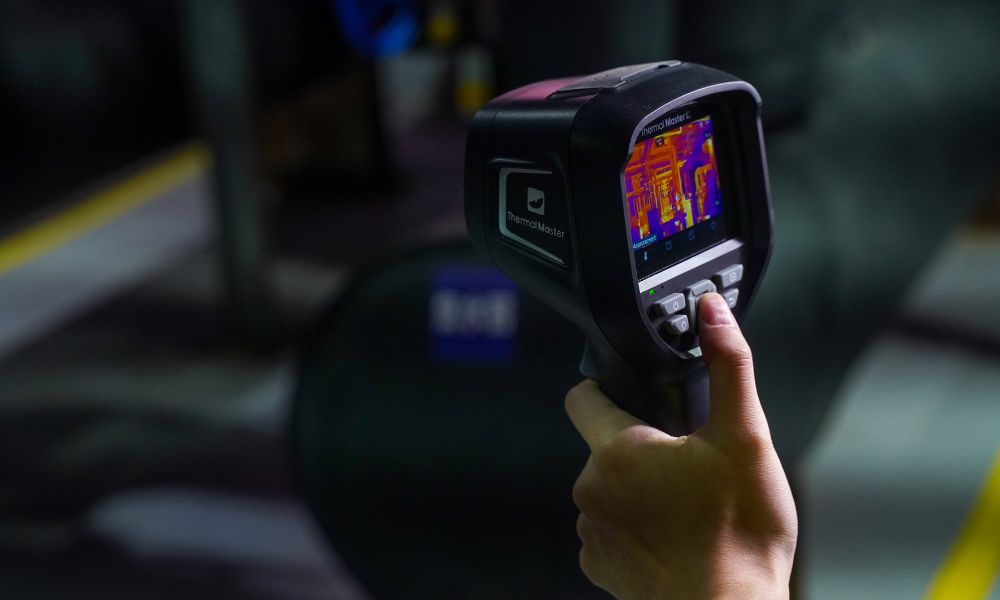
Before damage occurs, plumbing issues remain hidden within walls, floors, bathroom fixtures, or mechanical rooms. Handheld thermal cameras enable plumbers to quickly identify temperature patterns associated with leaks, pipe routing, and insulation defects.
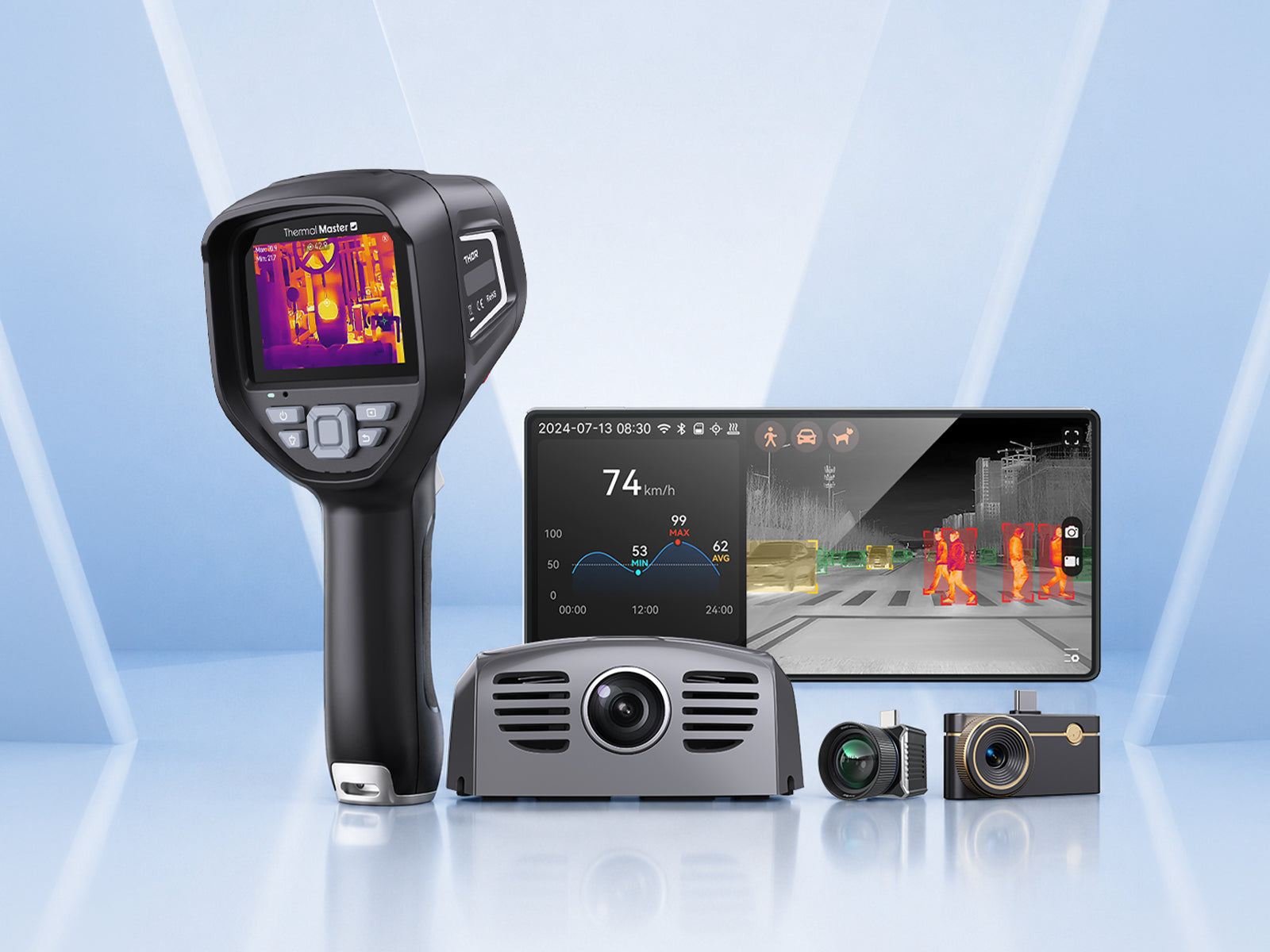
Here, we explore how handheld thermal imaging technology facilitates precise pipeline inspection and compare the Thermal Master Thor001 and Thor002 models to see how they assist in this process.
Why Do Plumbers Need a Handheld Thermal Imager for Precision Inspection?
Handheld thermal imagers help plumbers detect issues that are invisible during routine visual inspections. By revealing surface thermal patterns associated with hot and cold water lines, damp drywall, radiant heating systems, condensation, or moisture-prone areas, these devices allow plumbers to pinpoint problems before opening up walls or floors.
Handheld thermal imagers also reduce guesswork during leak detection, pipe tracing, radiant heating system inspections, condensation troubleshooting, and the verification of repair effectiveness. While confirmation via moisture meters, pressure testing, pipe inspection cameras, or visual inspection is still necessary, thermal imaging enables plumbers to quickly identify the specific areas that require further investigation.

What Plumbing Problems Can a Handheld Thermal Imager Help Detect?
A handheld thermal imager can help detect plumbing problems that create visible surface temperature changes. The most common plumbing issues include:
- Hidden Supply Line Leaks: Small leaks can cool or warm nearby drywall depending on water temperature.
- Drain Line Leaks: Moisture may appear only after a sink, tub, washer, or shower is used.
- Radiant Floor Heating Problems: Cold or uneven areas may point to flow issues or loop imbalance.
- Pipe Insulation Gaps: Cold lines can sweat in humid spaces and create moisture damage.
- Water Heater Connection Issues: Unusual heat spread near fittings may support closer inspection.
- Ceiling Leaks Below Bathrooms: Thermal patterns can help separate plumbing leaks from roof or HVAC issues.

How Do You Use a Handheld Thermal Imager for Plumbing Inspection Step by Step?
Step 1: Scan the suspected area before running water
Start by scanning the wall, floor, ceiling, or fixture area before activating any plumbing. This gives you a clean baseline between normal dry surfaces and suspicious temperature zones. A baseline scan helps you avoid confusing old stains, shadows, or HVAC airflow with active moisture.
Step 2: Run the suspected plumbing fixture
Run the sink, shower, washer, or hot water line briefly while keeping the inspection area safe. Wait several minutes, then scan the same area again with the handheld thermal imager. If the pattern expands, shifts, or becomes more defined, the issue may be connected to that fixture or line.
Step 3: Trace the thermal pattern beyond the visible stain
Move the handheld thermal imager slowly across the nearby wall, floor, ceiling, and adjacent room. Look for vertical streaks, spreading cool patches, warm pipe paths, or cold areas near baseboards. This helps you follow the likely moisture route instead of focusing only on the visible damage.
Step 4: Compare suspicious areas with dry reference surfaces
Always compare a suspected leak area with a nearby surface that should be dry. The difference between the two surfaces matters more than the color palette alone. This comparison helps you judge whether a cool area is meaningful or just normal material variation.
Step 5: Confirm the finding before repair
Use a moisture meter, pressure test, access panel inspection, or drain camera to confirm the thermal result. A handheld thermal image should guide the next test, not replace it. If the leak is near wiring, outlets, or electrical equipment, stop DIY inspection and call a qualified professional.

How Should You Choose a Handheld Thermal Imager for Plumbing Work?
Handheld thermal cameras used for pipeline inspection should possess sufficient image clarity, temperature measurement range, and ease of use to handle actual field environments. Important selection points include:
- Thermal Resolution: Higher detail helps separate pipe paths, wet zones, and normal framing.
- Temperature Range: A wide range supports hot water, cold water, HVAC, and equipment checks.
- Accuracy: Better measurement helps compare suspicious areas with dry reference surfaces.
- Display Quality: A built-in screen is useful for longer inspections and client explanations.
- Image Modes: Visible and thermal fusion can help match anomalies to exact surfaces.
- Durability: Jobsite-ready construction matters in crawl spaces, basements, and utility areas.
Best 2 Thermal Master Handheld Thermal Imagers for Precision Plumbing Inspection
Thermal Master Thor002
Thermal Master Thor002 is the best overall handheld thermal imager for plumbers who need a reliable field inspection tool. Its 512 x 384 X3IR ultra-clear imaging and <40mK thermal sensitivity help reveal pipe routes, damp zones, cold spots, and mechanical-room temperature patterns. The 3.5-inch 640 x 480 IPS hard screen makes longer inspections easier in bathrooms, crawl spaces, ceilings, and utility rooms. With a -20°C to 550°C temperature range, ±2°C / ±2% accuracy, and 5 vision modes, Thor002 works well for plumbing, HVAC, electrical, and building maintenance diagnostics.
Key Features:
- 512 x 384 X³ IR Ultra-Clear Imaging: Helps reveal pipe paths, damp areas, and hidden temperature changes.
- <40mK Thermal Sensitivity: Helps detect subtle temperature differences around wet surfaces, cold pipes, and insulation gaps.
- ±2°C / ±2% Accuracy: Supports practical surface comparison during plumbing and HVAC inspections.
- 3.5-Inch IPS Hard Screen: Provides a dedicated display for longer plumbing inspections.
- 5 Vision Modes: Pro-Mix, IR-Fuse, PIP, IR, and Visible modes help match thermal clues with real surfaces.
- -20°C to 550°C Temperature Range: Covers cold lines, hot water lines, HVAC areas, and mechanical equipment.
Thermal Master Thor001
Thermal Master Thor001 is the better choice when plumbing inspection depends on a more precise temperature comparison. It offers 512 x 384 X3IR ultra-clear imaging, <35mK thermal sensitivity, and ±1.5°C / ±1.5% accuracy for measurement-sensitive work. This makes it useful for comparing suspicious damp areas, radiant-floor zones, pipe-temperature differences, and nearby dry reference surfaces. For plumbers who need higher accuracy and stronger sensitivity in a handheld thermal imager, Thor001 is the stronger precision option.
Key Features:
- ±1.5°C / ±1.5% Accuracy: Supports more precise comparison between suspicious and normal surfaces.
- <35mK Thermal Sensitivity: Helps capture smaller temperature differences during leak checks and pipe tracing.
- 512 x 384 X³ IR Ultra-Clear Imaging: Helps reveal moisture paths, pipe routes, and small temperature differences.
- 3.5-Inch IPS Hard Screen: Gives plumbers a dedicated screen for longer inspection workflows.
- 5 Vision Modes: Help match thermal anomalies with visible wall, ceiling, and fixture details.
Thermal Master Thor001 and Thor002 Specifications Compared
|
Feature |
Thermal Master Thor001 |
Thermal Master Thor002 |
|
Best For |
Precision-focused plumbing inspection and measurement-sensitive diagnostics |
General professional plumbing, HVAC, electrical, and building maintenance inspections |
|
Thermal Resolution |
256 x 192 native, 512 x 384 X3IR ultra-clear imaging |
256 x 192 native, 512 x 384 X3IR ultra-clear imaging |
|
Thermal Sensitivity |
<35mK |
<40mK |
|
Temperature Range |
-20°C to 550°C |
-20°C to 550°C |
|
Accuracy |
TruePix ±1.5°C / ±1.5% |
TruePix ±2°C / ±2% |
|
Display |
3.5-inch 640 x 480 IPS hard screen |
3.5-inch 640 x 480 IPS hard screen |
|
Vision Modes |
Pro-Mix, IR-Fuse, PIP, IR, Visible |
Pro-Mix, IR-Fuse, PIP, IR, Visible |
|
Frame Rate |
25Hz |
25Hz |
|
Field of View |
40° x 30° |
40° x 30° |
|
Minimum Imaging Distance |
0.3m |
0.3m |
|
Recommended Choice |
Choose Thor001 when precision measurement is the priority |
Choose Thor002 for most plumbers and maintenance teams |
When Should You Use a Handheld Thermal Imager or Call a Plumber?
If the suspected issue is localized, easily accessible, and away from electrical hazards (such as wall stains, ceiling marks, damp baseboards, moisture near an air conditioner, or leaks from small fixtures), you can conduct an inspection yourself using a handheld thermal imager.
However, you should engage a professional plumber if the thermal camera reveals an anomaly that is extensive, spreading, or recurring; if the problem area is near power outlets, electrical panels, main water lines, or an upstairs bathroom; or if there are signs of wall softening, bulging, or a musty odor.
While a handheld thermal imager allows you to quickly pinpoint suspected problem areas, you must still verify the exact source of the issue before cutting, sealing, or replacing materials.

Conclusion
The best handheld thermal imager for precision plumbing inspection should help you find likely leak zones, trace pipe routes, and document temperature patterns clearly. For professional field work, Thermal Master Thor002 is the strongest primary option because it offers a dedicated handheld screen, 512 x 384 X3IR imaging, and multiple vision modes.
If higher measurement accuracy is the priority, Thermal Master Thor001 is the better precision-focused option. Used correctly, handheld thermal imaging reduces guesswork, improves inspection speed, and helps plumbers make cleaner repair decisions.
FAQs
Can a handheld thermal imager find plumbing leaks behind walls?
A handheld thermal imager cannot see through walls, but it can show surface temperature patterns caused by hidden moisture or pipe temperature changes. This helps plumbers narrow the inspection area before opening drywall. The result should still be confirmed with a moisture meter, access panel inspection, or pressure test.
Is a handheld thermal imager better than a phone thermal camera for plumbing?
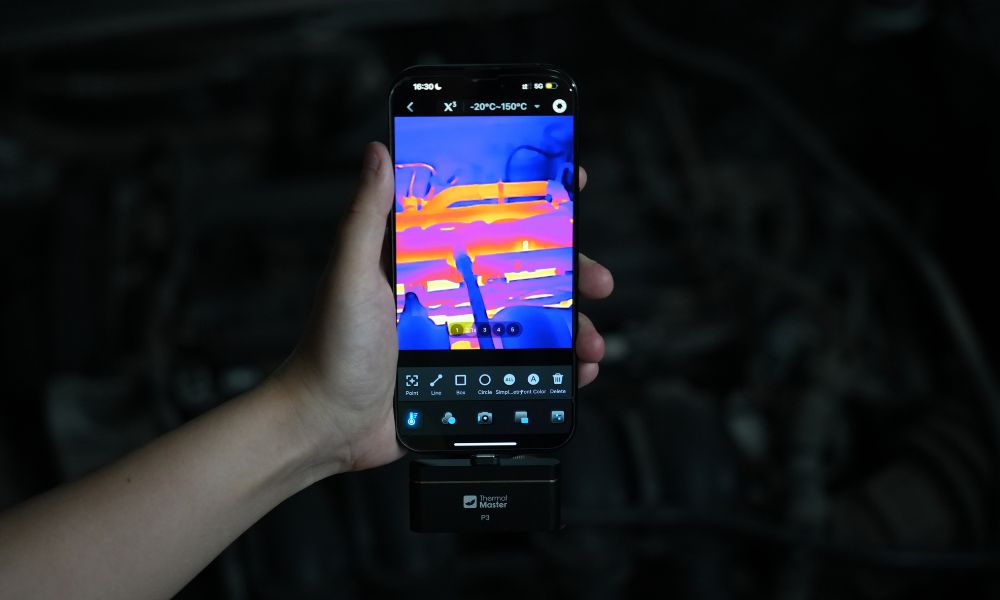
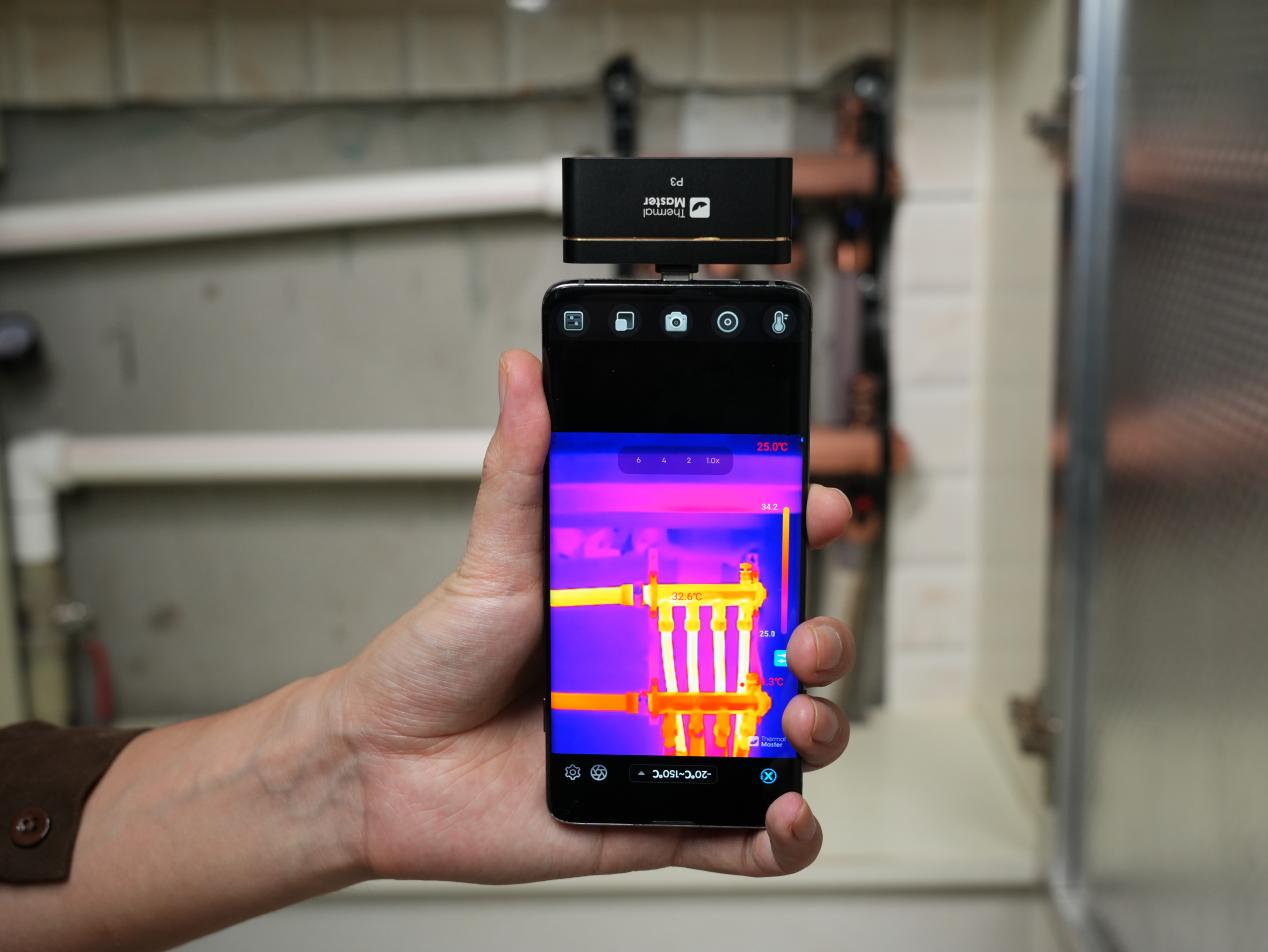
For frequent professional plumbing work, a handheld thermal imager is usually better because it has a dedicated screen and field-ready handling. It is easier to use during longer inspections in bathrooms, crawl spaces, ceilings, and mechanical rooms. A phone thermal camera is still useful for quick checks, but it is better as a secondary tool.
Can handheld thermal imaging detect drain leaks?
Handheld thermal imaging can help detect drain leaks when water changes the surface temperature of nearby drywall, flooring, or ceilings. It is useful after running a sink, shower, washer, or bathtub to see whether the pattern changes. You should still confirm the leak with visual inspection, moisture testing, drain testing, or a plumbing camera.
Related Reading:
Thermal Imaging Camera for Building Inspection: A Complete Guide
How Can You Turn Your Smartphone into a Thermal Camera?
$300 vs $3000 Handheld Thermal Imager: Thermal Master Thor002 VS FLIR E8 Pro

Hinterlasse einen Kommentar
Alle Kommentare werden vor der Veröffentlichung geprüft.
Diese Website ist durch hCaptcha geschützt und es gelten die allgemeinen Geschäftsbedingungen und Datenschutzbestimmungen von hCaptcha.