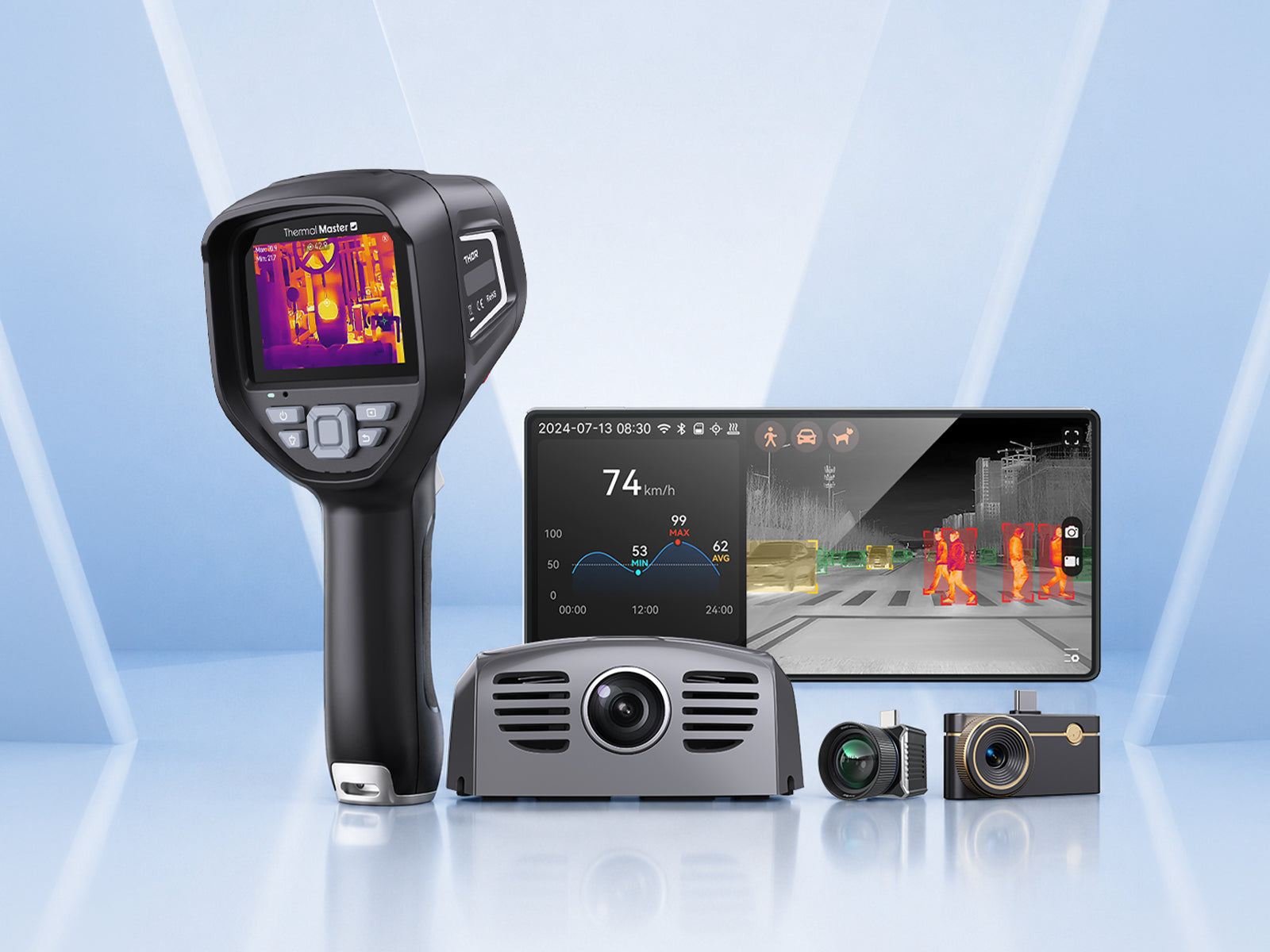



Which Cars Have Used Thermal Cameras?
Thermal cameras have been used in a select number of high-end and safety-focused vehicles to improve night driving visibility and hazard detection. These systems allow you to detect pedestrians, an...

How Thermal Night Vision Works?
Thermal imaging night vision devices work by detecting heat rather than visible light, allowing you to see clearly even in complete darkness. But how exactly does it work? And why is it so effectiv...
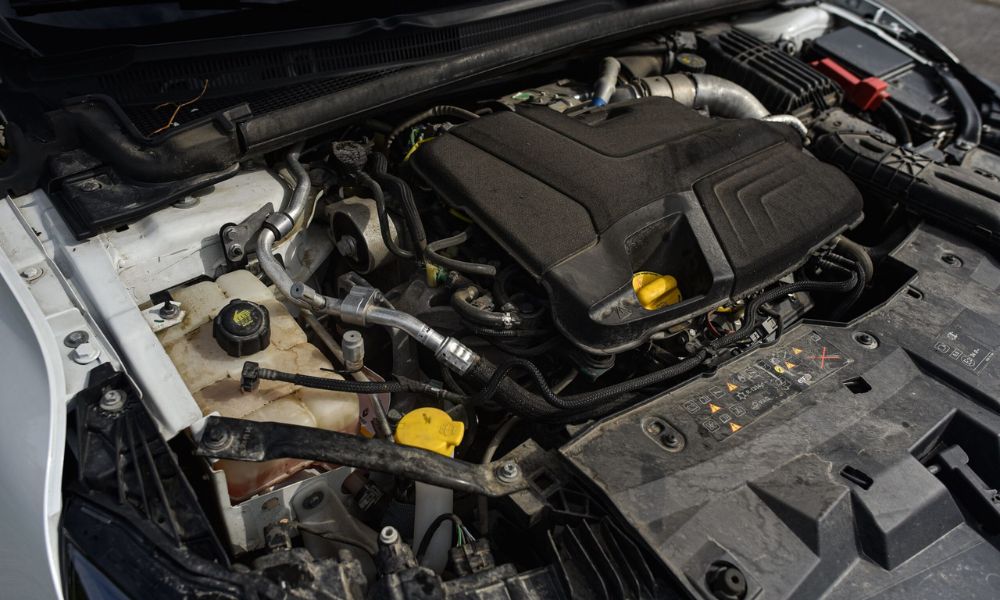
How to Detect Car Battery Drain with a Thermal Camera?
Car battery leakage is usually caused by parasitic current, meaning that electronic components continue to draw power even after the vehicle is turned off. It's difficult to pinpoint the exact sour...
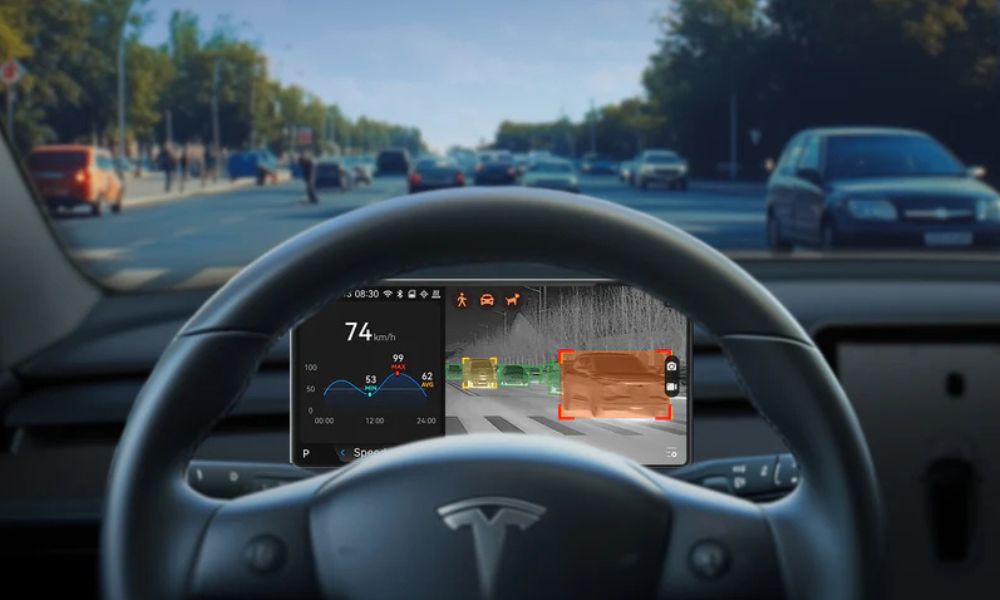
3 Best Vehicle-Mounted Thermal Cameras of 2026
Today, automotive thermal imaging technology has become an essential safety upgrade, enabling drivers to "see" the road ahead by detecting infrared thermal signals before high beams illuminate targ...
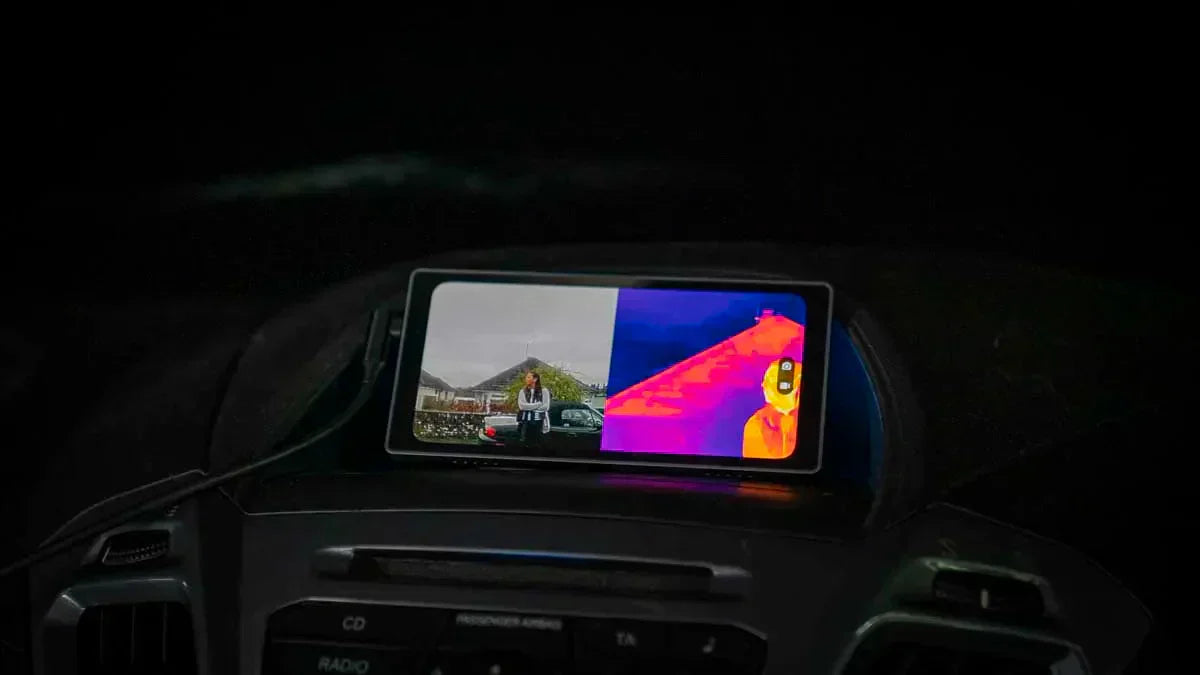
Night driving continues to present challenges for motorists, especially in low visibility environments where headlights, weather and darkness reduce reaction time. Many vehicles today still rely so...
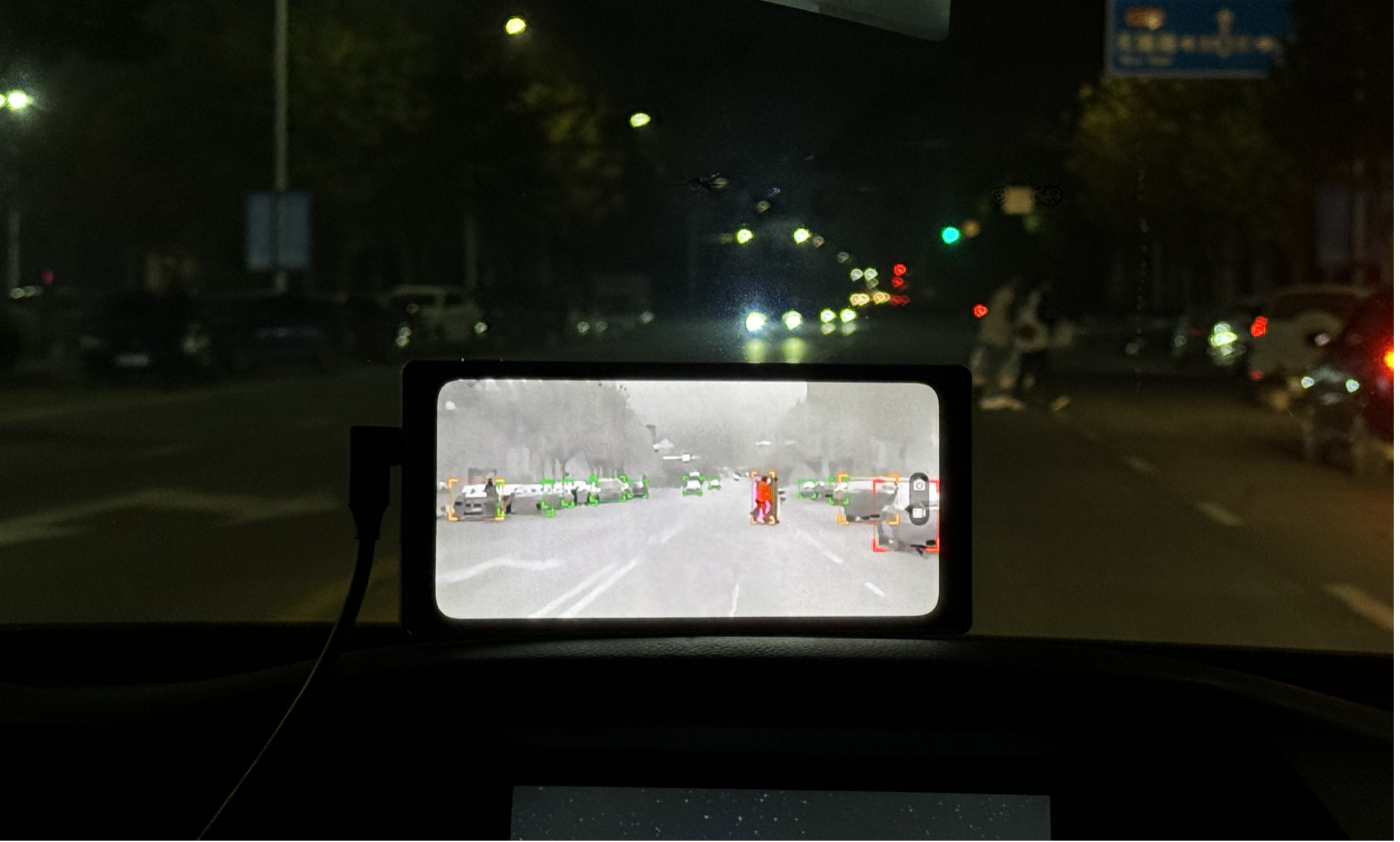
Why Every Car Should Be Equipped with Automotive AI Night Vision?
Driving at night or in bad weather is more than just uncomfortable. It can be dangerous. Darkness, rain, fog, and glare from high beams all reduce visibility and increase the chances of accidents. ...