



Thermal imaging technology has transformed how we perceive the world. By detecting heat instead of visible light, thermal cameras provide crucial insights across various fields. From industrial applications to medical diagnostics, this technology enhances efficiency and safety. But how does it work, and why is it so valuable?
How Thermal Imaging Works?
Unlike conventional cameras that capture visible light, thermal cameras detect infrared radiation. Every object emits infrared energy, commonly referred to as heat. The hotter an object is, the more infrared radiation it emits. Thermal imaging sensors convert these heat signatures into a visible image, where different temperatures appear in distinct colors or shades of gray.
Key Components of a Thermal Camera
- Infrared Sensor: Captures infrared radiation emitted by objects.
- Optical Lens: Focuses infrared energy onto the sensor.
- Signal Processor: Converts raw thermal data into a readable image.
- Display: Presents thermal images in real-time for analysis.

Why Thermal Imaging Matters?
Thermal imaging has a broad range of applications. It plays a crucial role in industries such as construction, healthcare, automotive, and security. The ability to detect heat variations makes it invaluable for identifying issues that are invisible to the naked eye.
Industrial and Construction Use
In construction, a thermal imager helps detect structural weaknesses, insulation gaps, and electrical faults. Identifying these issues early prevents costly repairs and improves safety. Similarly, in industrial settings, thermal cameras monitor equipment temperature, reducing downtime and preventing failures.

Medical Applications
In healthcare, thermal imaging assists in diagnosing circulatory and inflammatory conditions. It enables non-contact temperature monitoring, making it useful for detecting fever or infections. Medical professionals use it as a supplementary tool for assessing vascular health and detecting abnormalities.
Automotive and Safety Enhancement
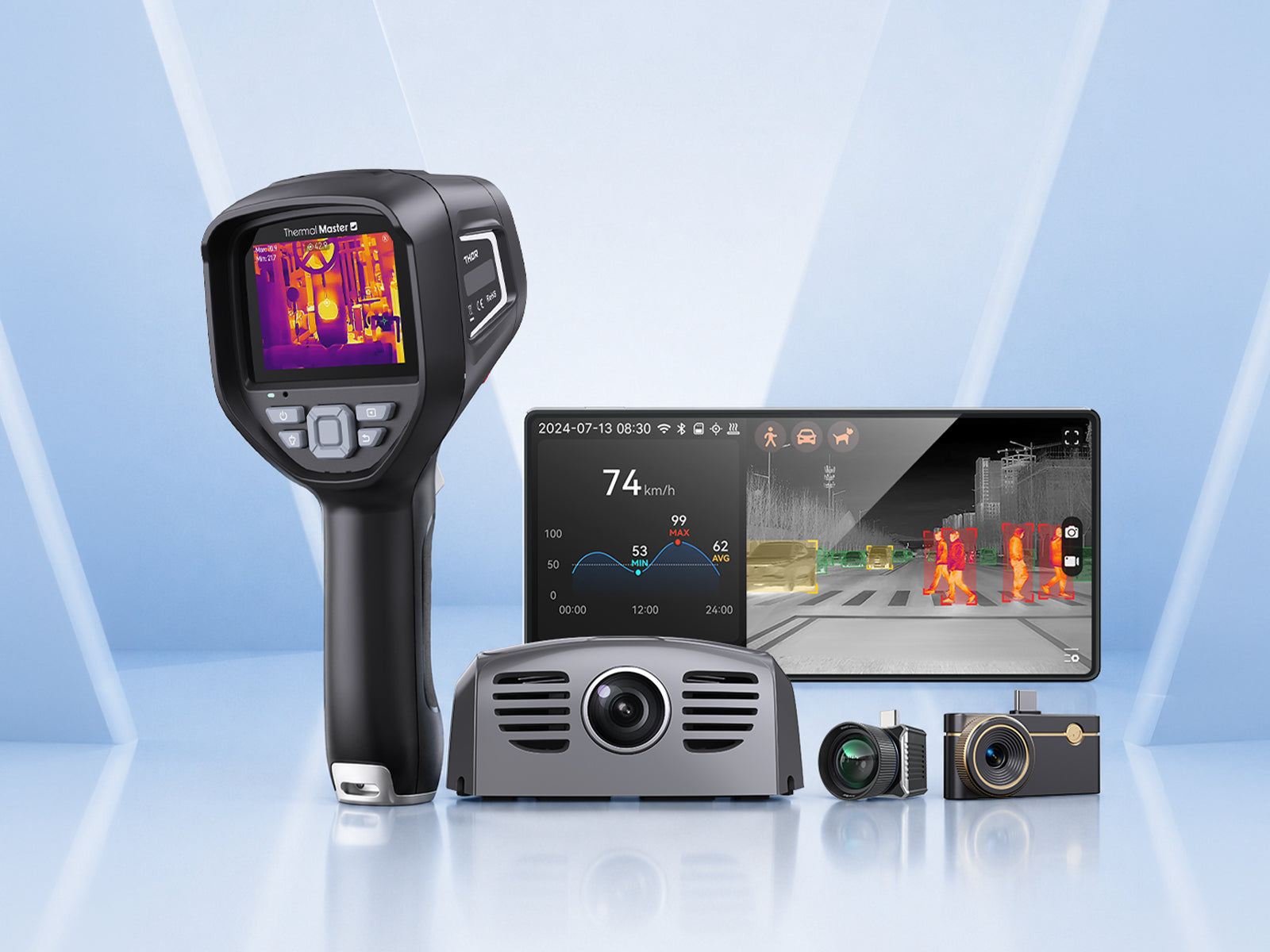
Modern vehicles integrate thermal imaging for enhanced night vision. Infrared cameras help drivers detect pedestrians and animals in low-visibility conditions. This technology significantly improves road safety, especially in fog, darkness, or extreme weather.

Consumer and Professional Use
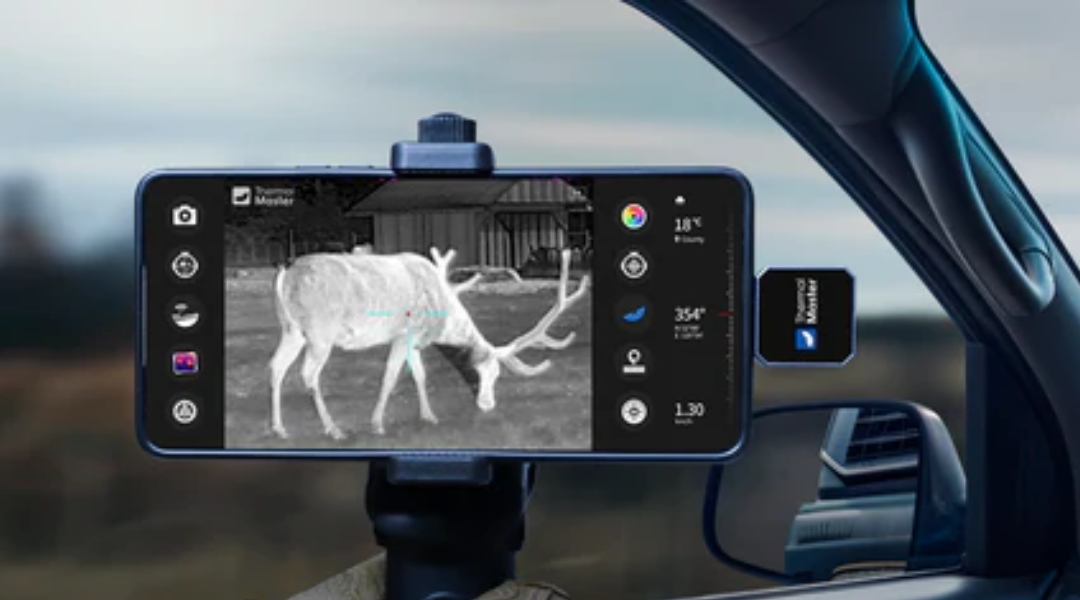
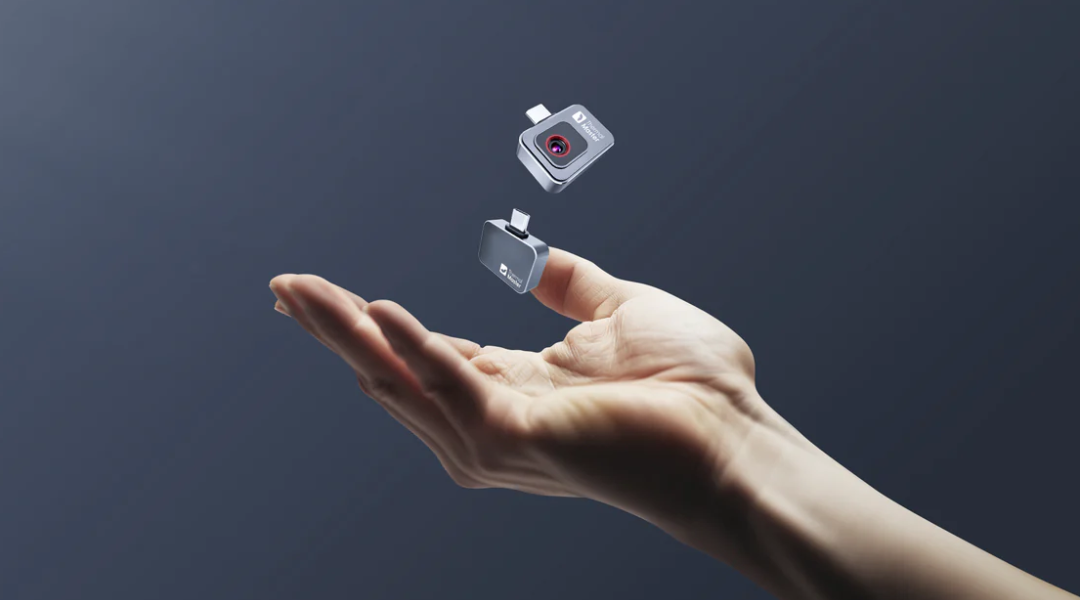
The adoption of thermal imaging in smartphones has made this technology more accessible. A thermal camera for smartphones is an affordable and practical option for personal and professional use. Home inspectors, electricians, and outdoor enthusiasts leverage smartphone thermal cameras to detect temperature variations in real-time. Whether identifying heat leaks at home or tracking wildlife, these compact devices provide reliable thermal imaging at a fraction of the cost of industrial-grade cameras.

What Can Thermal Imaging Detect?
Common things thermal imaging can detect include:
- Electrical Faults: overheating wires, loose connections, overloaded circuits, and failing components in electrical panels.
- Heat Loss and Insulation Problems: missing insulation, thermal bridges, and energy leaks in walls, roofs, and windows.
- Moisture and Water Leaks: temperature differences caused by damp areas behind walls, ceilings, or floors.
- HVAC System Issues: blocked ducts, air leaks, or uneven heating and cooling in ventilation systems.
- Mechanical Overheating: abnormal heat in motors, bearings, pumps, and industrial equipment.
- Solar Panel Faults: defective photovoltaic cells or hotspots that reduce system efficiency.
- Electronics and PCB Problems – overheating components or current leakage in circuit boards.
- Animals or People in Low Visibility – heat signatures that allow detection in darkness, smoke, or fog.
Advantages of Thermal Imaging
Thermal imaging technology offers several advantages compared with traditional inspection methods, especially when it comes to detecting hidden issues quickly and safely.
Some key advantages include:
- Non-Contact Inspection – Thermal cameras detect heat remotely, allowing technicians to inspect equipment without touching or shutting it down.
- Early Fault Detection – Abnormal heat patterns often appear before equipment failure, helping identify potential problems in advance.
- Real-Time Results – Thermal cameras provide instant visual feedback, making it easier to locate overheating components or energy loss.
- Large-Area Scanning – A single thermal image can quickly scan wide areas, helping technicians inspect buildings, electrical panels, or machinery efficiently.
- Improved Safety – Thermal imaging allows inspections to be performed from a safe distance, reducing the risk when working around high-voltage equipment or hot surfaces.
- Versatile Applications – Thermal cameras can be used across many fields, including electrical maintenance, building inspection, HVAC diagnostics, industrial monitoring, and electronics repair.
Limitations of Thermal Cameras
Although thermal imagers are powerful inspection tools, they do have certain limitations. Understanding these limitations helps you interpret thermal images more accurately.
Some common limitations include:
- Cannot See Through Solid Objects: Thermal cameras detect surface temperature differences and cannot see through walls, metal, or other solid materials.
- Affected by Reflective Surfaces: Shiny materials such as polished metal can reflect infrared radiation, which may lead to inaccurate readings.
- Environmental Conditions can Influence Results: Wind, rain, sunlight, and ambient temperature can affect how heat appears in thermal images.
- Requires Proper Interpretation: Thermal images show temperature differences, but identifying the exact cause of a problem still requires experience and additional inspection.
- Resolution limitations: Entry-level thermal cameras may have lower resolution, making it harder to detect very small heat differences or distant targets.
Future of Thermal Imaging
As thermal imaging technology advances, its applications continue to expand. Improved sensor sensitivity and AI-driven analysis are making thermal imaging more accurate and versatile. Future innovations may enhance early disease detection, improve energy efficiency, and strengthen public safety measures.
Thermal imaging is a powerful tool that goes beyond conventional vision. From detecting structural flaws to enhancing medical diagnostics, its impact is significant. As accessibility improves, thermal cameras, including smartphone-based solutions, will become indispensable across various industries. Understanding how thermal imaging works and recognizing its benefits highlights its growing importance in modern technology.

Leave a comment
All comments are moderated before being published.
This site is protected by hCaptcha and the hCaptcha Privacy Policy and Terms of Service apply.