



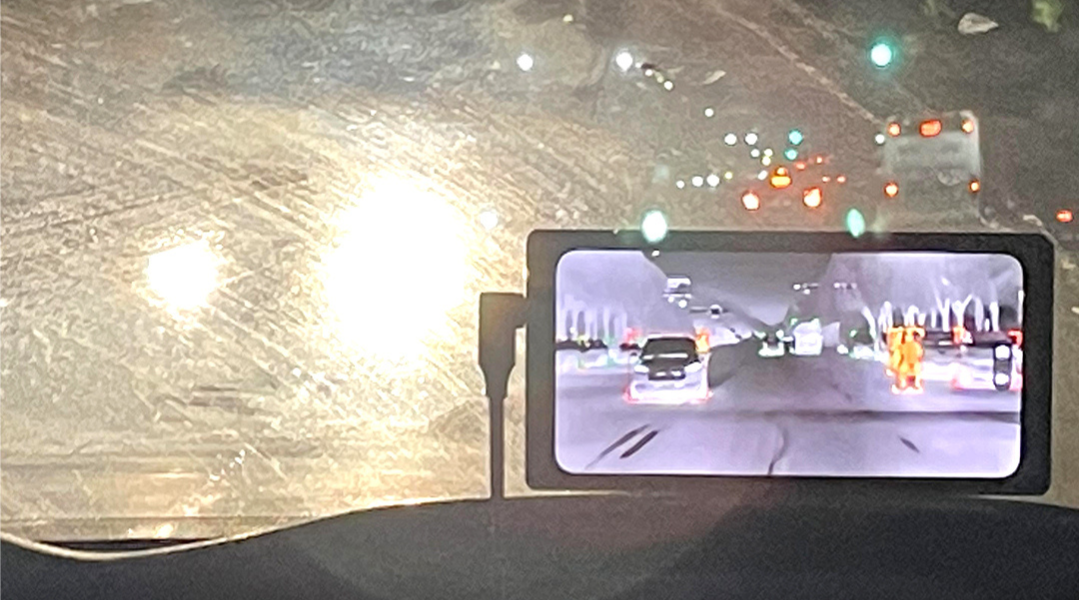
Driving at night presents its own set of challenges, from low visibility to the glare of headlights from oncoming vehicles. High beams, in particular, can be distracting and, at times, dangerous. Drivers often struggle with the sudden glare, which can temporarily reduce their visual clarity.
Car night vision technology offers a practical solution to this issue, improving nighttime driving safety and helping drivers stay more aware of their surroundings. In this article, we’ll explore how high beams affect night driving, how car night vision can help, and introduce you to an advanced night vision tool that can make a significant difference.
Understanding the Impact of High Beams on Night Driving
When driving at night, visibility is naturally reduced. High beams are intended to enhance the driver’s ability to see distant objects on dark roads, but they also produce a powerful glare that affects other drivers. This can cause temporary blindness, making it difficult for drivers to focus on the road and increasing the risk of accidents. Here’s a breakdown of how high beams impact night driving:
-
Reduced Visibility for Oncoming Traffic
High beams are bright and angled to illuminate a large area ahead, which is useful in low-traffic situations. However, when used around oncoming vehicles, high beams can be too intense and reduce the visibility of other drivers. This temporary blindness can last for several seconds, long enough to miss obstacles, pedestrians, or other vehicles. -
Increased Eye Strain
When exposed to bright lights suddenly, our eyes need time to adjust. This constant adjustment causes strain on the eyes and can lead to fatigue, which can be dangerous during longer drives. Drivers may feel exhausted more quickly, which impacts their reaction times. -
Limited Reaction Time
High beams create a tunnel effect, where the light casts shadows on areas outside the main beam. This tunnel effect limits peripheral vision, reducing drivers' ability to spot hazards that lie outside the illuminated path. In high-speed scenarios, the limited reaction time due to this effect can be hazardous.

How Car Night Vision Assists in High-Beam Situations?
Car night vision technology, especially thermal imaging night vision, is designed to make nighttime driving safer and more comfortable. Here are a few key benefits:
-
Enhanced Visibility in All Conditions
Unlike traditional headlights that rely on visible light, night vision thermal cameras infrared radiation (heat) emitted by objects and people. This means that a car night vision system can detect hazards regardless of lighting conditions. Even in fog, rain, or the glare of oncoming high beams, thermal night vision provides a clear view of the road ahead. -
-
Improved Peripheral Awareness
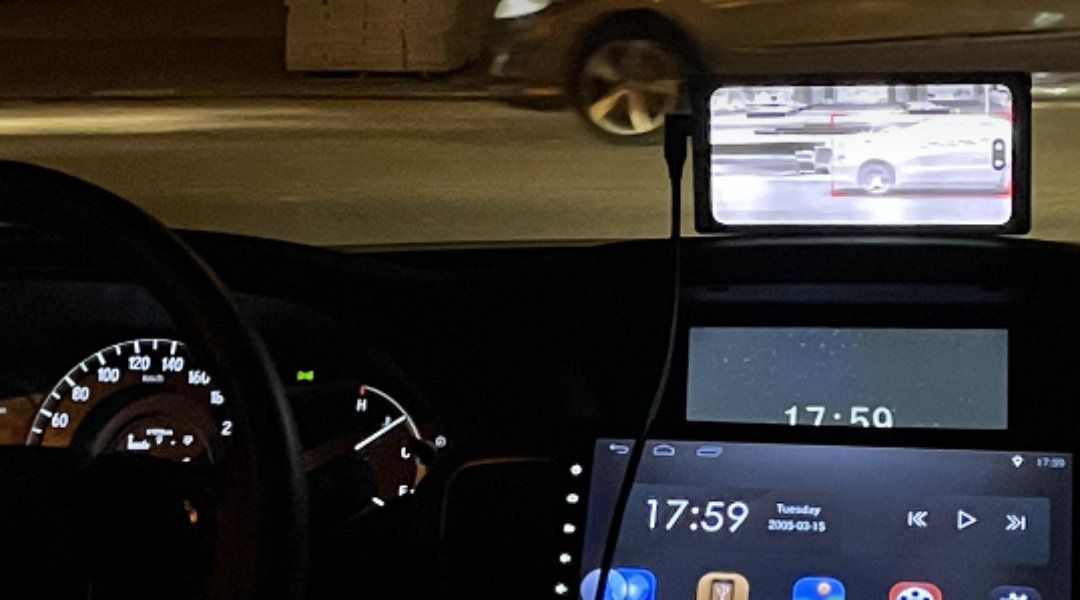
Many thermal night vision systems, such as the Thermal Master NV300 Max, offer a wider field of view than headlights alone. By capturing a broader range of the road, thermal night vision enhances peripheral awareness, helping drivers spot animals, pedestrians, or obstacles that might be outside the range of headlights. This can be crucial in high-beam situations, where traditional headlights might miss these details.

Key Features of the NV300 Max for Night Driving Safety
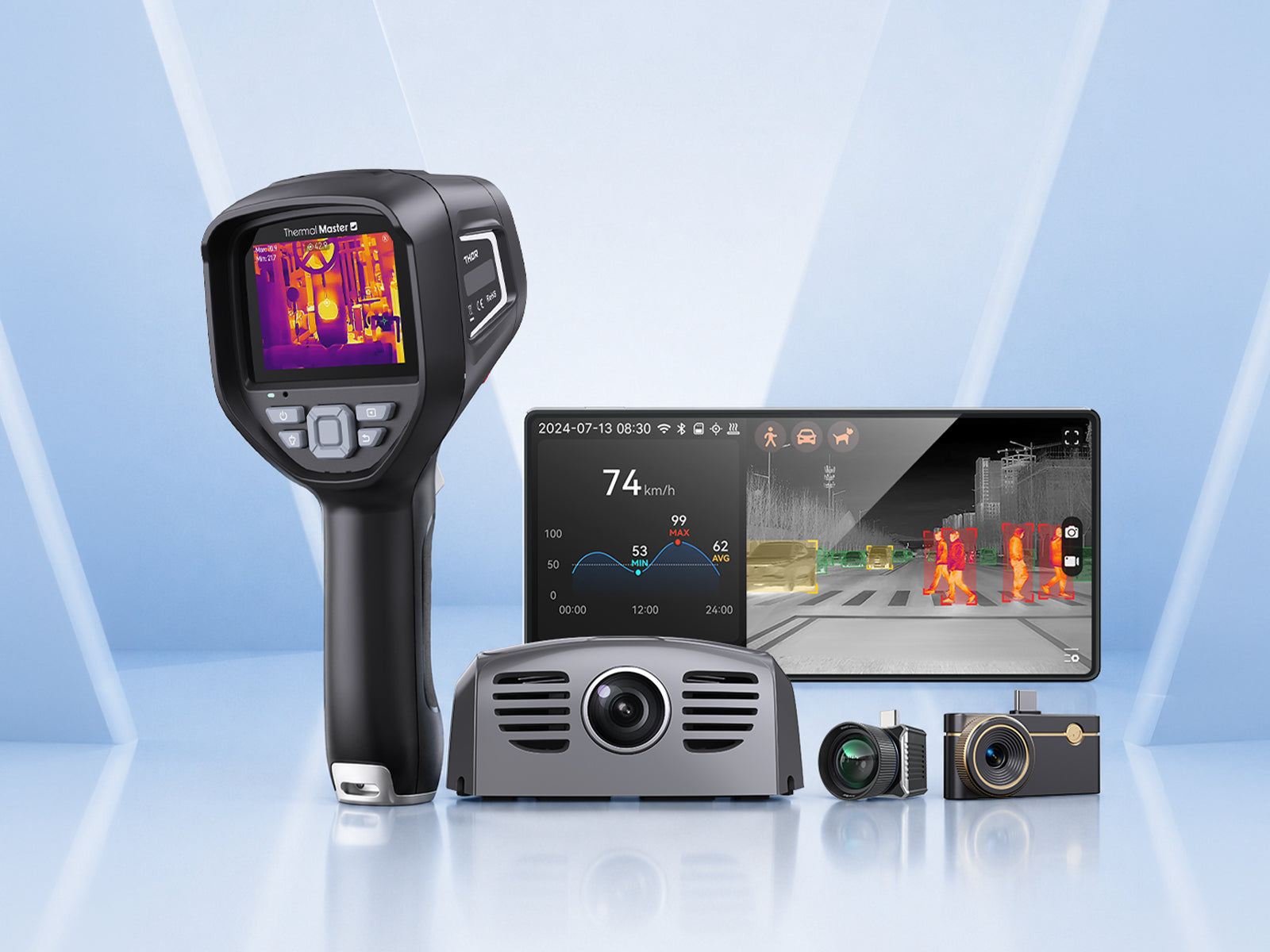
The NV300 Max by Thermal Master provides a comprehensive night vision solution for drivers facing challenging nighttime conditions. Here’s a look at how it works and what makes it unique:
-
Thermal Imaging
The NV300 Max uses advanced thermal imaging technology to create a clear, high-contrast image, even in complete darkness. By detecting heat signatures, it effectively visualizes people, animals, and other vehicles, enhancing night driving safety in all weather conditions. -
All-Weather Functionality
The NV300 Max is effective in all weather conditions, whether it’s foggy, rainy, or snowing. By relying on thermal signatures rather than visible light, this night vision system offers a reliable alternative to standard headlights, which can be less effective in adverse weather. -
Dashcam Integration
Equipped with a dashcam function, the NV300 Max records driving footage in both standard and night vision modes. This feature provides added security by capturing important visual information during night drives, which can be useful in case of an incident. -
Simple Installation and Compatibility
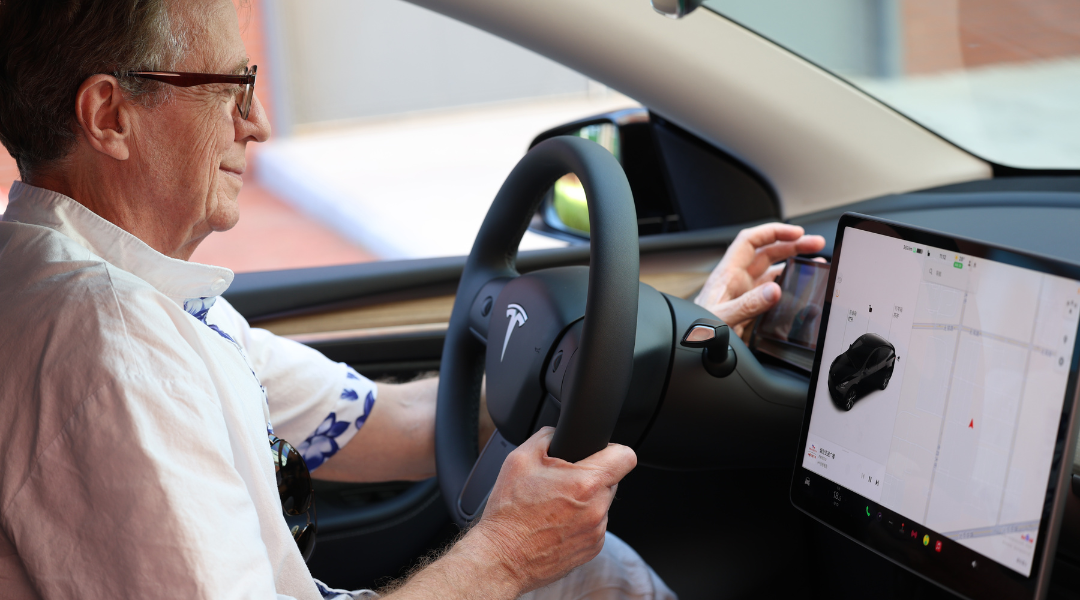
The NV300 Max is easy to install and compatible with most vehicles. It’s designed to work as a plug-and-play device, making it accessible to a wide range of drivers who want to improve their night-driving safety without a complex setup.

Safety Tips for Dealing with High Beams at Night
While car night vision systems like the NV300 Max significantly improve visibility, there are still practical steps drivers can take to reduce the impact of high beams and stay safe:
- Use Low Beams When Possible: When driving behind another vehicle or approaching one, it’s courteous and safer to switch to low beams. This prevents glare and keeps everyone’s vision clear.
- Look Slightly to the Right: If an oncoming vehicle has high beams on, avoid staring directly into the light. Instead, shift your gaze slightly to the right side of your lane. This reduces the brightness you experience and helps maintain visibility of the road.
- Adjust Your Mirrors: High beams from vehicles behind can also be distracting. Use the night setting on your rearview mirror to dim the lights, and adjust your side mirrors to reduce the amount of light reflecting back into your eyes.
- Install Night Vision Assistance: Adding night vision assistance, like the NV300 Max, enhances overall visibility and reduces reliance on traditional headlights. By detecting heat signatures and improving peripheral awareness, it makes driving at night with high beams a safer experience.

Dealing with high beams can be challenging, but with the right tools, nighttime driving can be safer and more comfortable. For example, thermal imaging night vision systems like the NV300 Max can enhance visibility, allowing drivers to drivers with greater confidence in low-light conditions.
By integrating this technology with safe driving practices, you can minimize the risks associated with high beams and enjoy a clearer, safer driving experience.
Related Reading:
Turn Night into Day When Driving with Infrared Car Night Vision
Latest Car Night Vision System Helps You Avoid Hitting Pedestrians
Why You Can Avoid Hitting Pedestrians on Foggy Days with Car Night Vision?

Leave a comment
All comments are moderated before being published.
This site is protected by hCaptcha and the hCaptcha Privacy Policy and Terms of Service apply.