



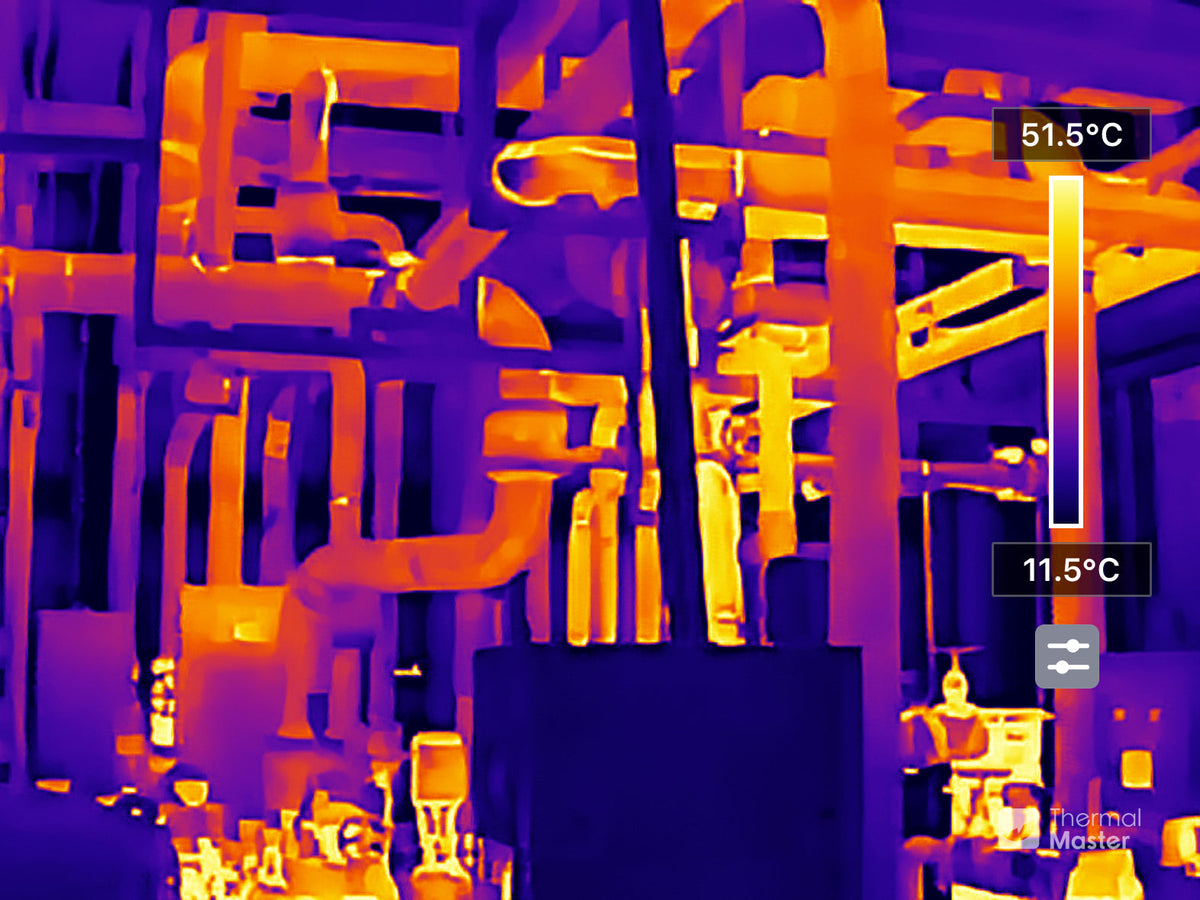
IR cameras and thermal cameras both use infrared technology, but they do not show the same information.
When people search for IR vs thermal, they are usually comparing IR night vision with thermal imaging. One helps you see objects when visible light is limited, while the other reveals temperature differences that cannot be seen by the eye.
What Is the Difference Between IR and Thermal?
A thermal camera is a type of infrared camera, but the two terms are often used differently.
An IR night vision camera uses reflected infrared light to show what an object looks like. A thermal camera detects infrared radiation emitted by objects to show heat distribution.
IR night vision: Shows reflected infrared light.
Thermal imaging: Shows emitted heat patterns.
That is why the same object can look very different through the two cameras.

IR and Thermal Show Different Information
The difference becomes clearer when you look at what each type of camera actually shows.
Finding the target: An IR camera can make objects easier to see when visible light is limited. Thermal imaging goes a step further by making warmer and cooler areas stand out, helping you quickly locate an unusual area.
Seeing small differences: Two components or surfaces may look almost identical to the eye or through a standard IR view. A thermal image can reveal subtle temperature differences between them, making abnormal patterns easier to notice.
Comparing areas: Thermal imaging also makes it easier to compare nearby components or surfaces. Instead of only seeing where something is, you can see how its temperature pattern differs from the surrounding area.
In short, IR helps you see the object, while thermal imaging adds temperature information that can help identify and compare unusual areas.
When Is Thermal Imaging More Useful?
Thermal imaging is useful when something looks normal but its temperature tells a different story. Electrical connections, HVAC components, and mechanical parts can all develop unusual heat patterns before there is an obvious visual sign.

Thermal Master P1 for Quick Home Inspections
A room feels colder than the rest of the house, but there is no obvious gap around the window. Plug P1 into a phone and scan along the frame, and colder areas can stand out on the thermal image, making it easier to see where the temperature changes.
You can use the same quick scan around doors, air vents, or other areas where drafts or insulation problems may be suspected. P1 also measures temperatures from -4°F to 1112°F with ±3.6°F accuracy, so a colder spot can be checked against the surrounding surface instead of relying on the thermal image alone.
Thermal Master P2 for Electrical Inspections
A loose connection may look no different from the terminals around it. Under load, however, it may begin to run warmer.
With P2, a 512×384 X³IR-enhanced thermal image keeps closely spaced terminals clear and easy to distinguish, making it quicker to locate where unusual heat is coming from. Small temperature differences are also easier to notice with a NETD of ≤40 mK.
Once something stands out, P2’s ±2.7°F measurement accuracy lets you compare its temperature with nearby connections before confirming the cause with electrical testing.
Choosing Between IR and Thermal Cameras
The choice between IR vs thermal depends on what information you need.
If you need to recognize objects, people, or visual details in a dark environment, IR night vision is designed for that purpose.
If you need to find unusual heating, compare temperatures, or see thermal differences, a thermal camera provides information that conventional IR night vision cannot.
Thermal images still need to be interpreted carefully. Reflections, emissivity, airflow, equipment load, and environmental conditions can all affect the result.
A simple way to remember the difference is: IR helps you see the object in the dark, while thermal imaging helps you see how heat is distributed across it.

Read More
How Thermal Imaging Helps Find Hidden PCB Hot Spots?
Thermal Master P1 vs FLIR ONE Pro: Which Smartphone Thermal Camera Is
Can You Turn an Android Phone Into a Thermal Camera?
5 Car Problems You Can Spot in Hot Weather With a Thermal Imaging Came


Leave a comment
All comments are moderated before being published.
This site is protected by hCaptcha and the hCaptcha Privacy Policy and Terms of Service apply.