



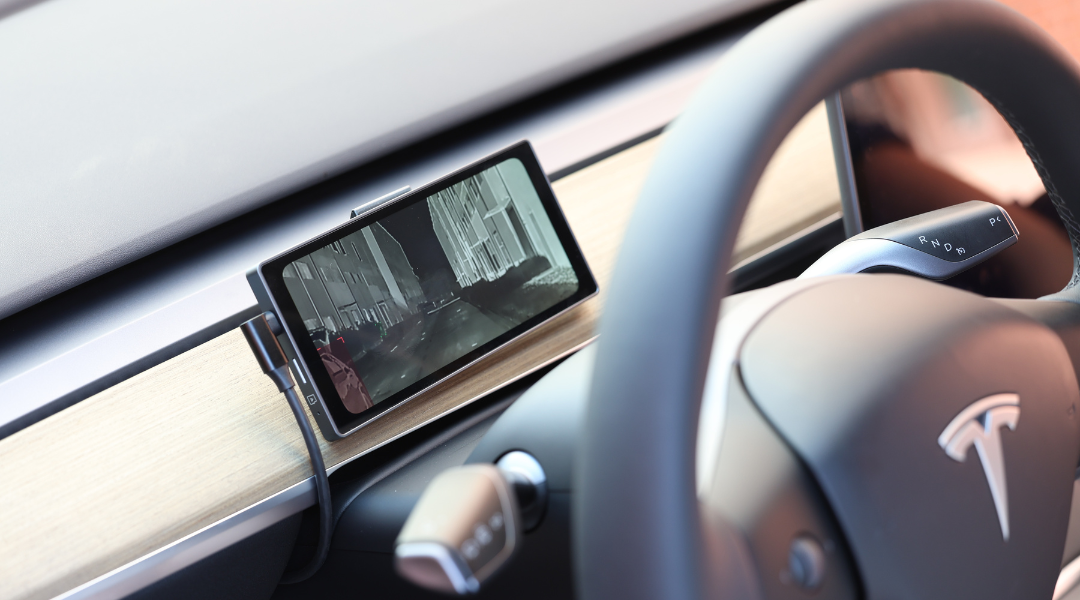
Driving at night poses unique challenges. Reduced visibility, glare from headlights, and unexpected obstacles make nighttime driving more dangerous than daytime travel. Traditional headlights often fail to illuminate hazards far enough ahead, increasing the likelihood of accidents.
However, advancements in thermal imaging technology are transforming road safety, offering a promising future for nighttime driving.
What is Thermal Night Vision Technology?
Thermal night vision works by detecting heat signatures emitted by objects, animals, and humans. Unlike conventional cameras or headlights, it does not rely on visible light. Instead, it captures infrared radiation, which allows it to detect objects even in complete darkness. This capability is especially valuable in identifying pedestrians, wildlife, and vehicles that may not be visible with standard headlights.
Thermal imaging technology is widely used in various industries, including security, firefighting, and now automotive applications. Its integration into vehicles enhances driver awareness and helps mitigate risks associated with nighttime driving.

Benefits of Thermal Night Vision in Vehicles
Improved Pedestrian Detection
Pedestrians crossing poorly lit roads are a common cause of accidents. Night vision thermal camera detects their body heat, making them visible to drivers even when streetlights or headlights fail.
Animal Collision Avoidance
Wildlife crossing rural roads at night poses significant risks. A thermal imaging camera can identify animals, such as deer or stray dogs, well in advance, allowing drivers to react in time to avoid collisions.
Enhanced Reaction Times
Detecting hazards early provides more time to react. With thermal night vision, drivers can identify potential obstacles farther ahead compared to traditional headlights, reducing the chances of abrupt braking or swerving.
Improved Visibility in Adverse Conditions
Fog, rain, or snow can severely impair visibility. Unlike headlights, which scatter light in these conditions, thermal night vision cameras remain unaffected, offering clear visuals regardless of weather.

Why Thermal Night Vision Is Safer Than Traditional Solutions?
Existing solutions like adaptive headlights or high-beam assist focus on optimizing visible light. However, these technologies still rely on environmental lighting, which has limitations in complete darkness or extreme weather.
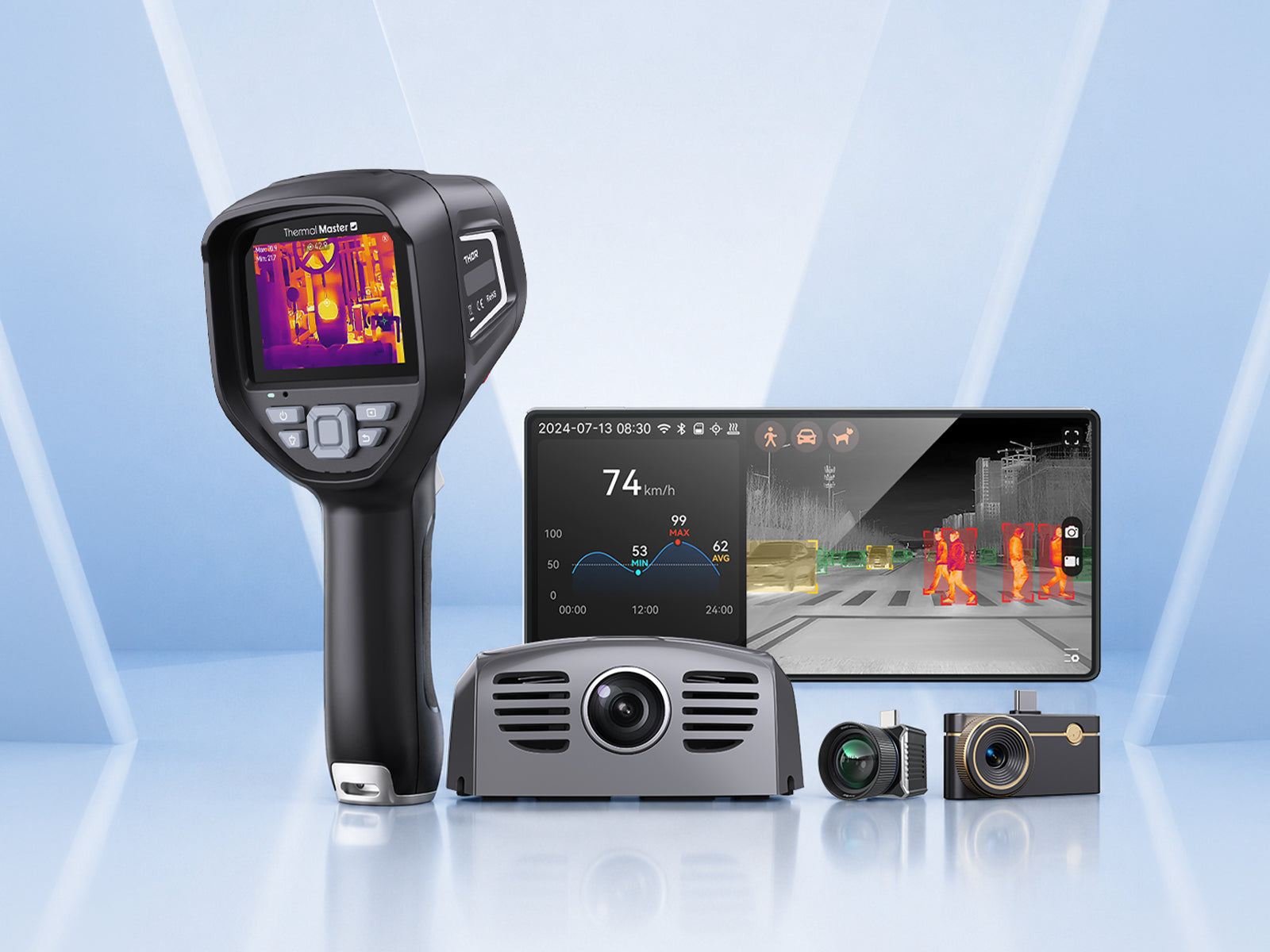
In contrast, thermal imaging operates independently of ambient light and can penetrate through environmental barriers like fog and light snow. For example, the Thermal Master NV300 Max, a cutting-edge thermal night vision camera, provides unparalleled clarity in identifying objects and hazards in all lighting and weather conditions. Its advanced infrared sensors offer a broader field of view, ensuring maximum road coverage for safer navigation.

Applications Beyond Personal Vehicles
Thermal night vision is not limited to private vehicles. It has significant potential in commercial and public transportation:
- Fleet Management: Trucks and buses equipped with a thermal camera enhance safety on long-haul routes and in urban areas.
- Emergency Services: Ambulances and police vehicles benefit from improved visibility, enabling quicker response times in critical situations.
- Autonomous Driving: Thermal cameras provide critical data for self-driving cars, ensuring reliable detection of obstacles, especially at night.
The Future of Road Safety
Thermal night vision is becoming increasingly accessible due to advancements in technology and reduced production costs. Automakers are integrating thermal imaging systems into mid-range and high-end vehicles, making the roads safer for everyone.
Governments and safety organizations are also advocating for enhanced road safety measures, which include promoting the adoption of advanced driver-assistance systems (ADAS). With its proven ability to prevent accidents, thermal night vision is expected to become a standard feature in future vehicles.
The Thermal Master NV300 Max exemplifies how thermal imaging technology can be seamlessly integrated into vehicles to provide superior safety. With features like advanced heat detection and weather resistance, it is leading the way in reshaping nighttime driving experiences.

Thermal night vision is not just an innovative feature—it is a necessity for improving road safety. By enabling drivers to see beyond the limitations of visible light, it helps prevent accidents, save lives, and build a safer transportation ecosystem. As the technology becomes more widespread, it is poised to transform the future of road safety.
Related Reading:
5 Advantages of Thermal Night Vision for Safer Driving
Why Car Thermal Night Vision Is the Future of Road Safety?
How Car Thermal Night Vision Enhances Safety in Low-Visibility Driving Conditions?



Leave a comment
All comments are moderated before being published.
This site is protected by hCaptcha and the hCaptcha Privacy Policy and Terms of Service apply.