



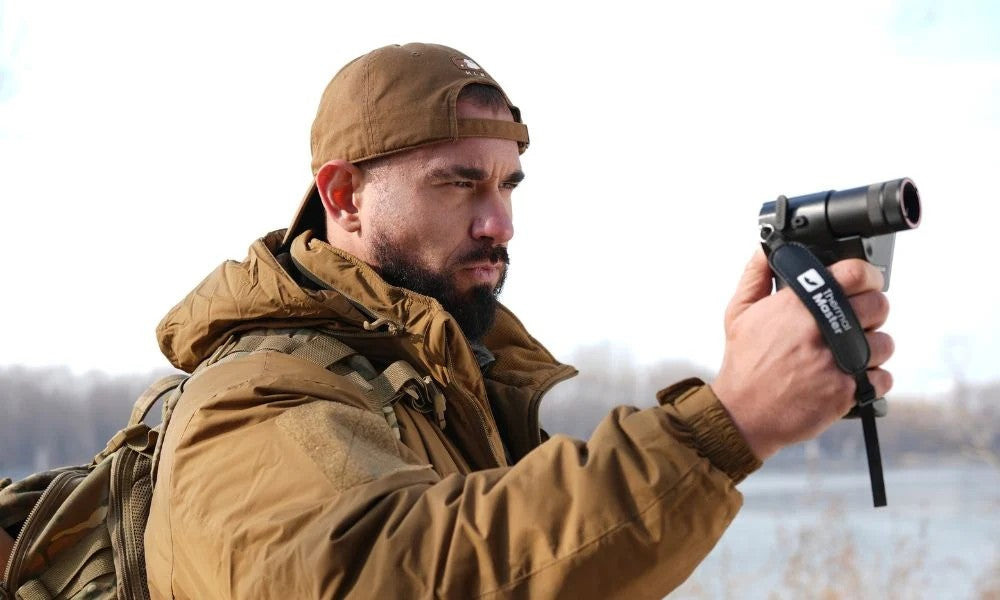
Have you ever heard of a bird nearby but had no idea where it was? When visibility gets worse, finding it can become even more difficult. Infrared thermal imaging cameras offer a faster way to locate birds that are hard to spot with the naked eye.
For birders, knowing when and where to look matters. The right gear can make the search easier, especially when visibility is poor.
Why is finding birds so difficult?
Birds can be surprisingly difficult to spot, even when they are nearby. Their natural camouflage blends into the surroundings, while dense foliage and branches can easily hide them from view. Low light around dawn, dusk, or in shaded areas can make things even harder, while bright sunlight and backlighting can also make it difficult to see birds clearly. Even when you can hear a bird calling, it can still be difficult to tell exactly where the sound is coming from.

A method of bird spotting 10 times faster than using binoculars
With the right gear, bird spotting can be up to 10 times more efficient than using binoculars, helping you pinpoint a bird’s location faster.
1.Start with the right time and location
Check recent sightings to learn when the bird is most active and what type of habitat it prefers.
2.Arrive early and observe
Get there before the birds become active and check likely areas such as woodland edges, creek areas, and dense vegetation.

3.Scan with thermal imaging
Instead of searching tree by tree, use Infrared thermal imaging cameras to scan a wider area first. Look for possible heat signatures, then narrow your search and adjust the focus.
4.Confirm with binoculars
Once you find a possible target, point your binoculars in the area and confirm the bird visually.
Why Thermal Imaging Helps You Find Birds Faster
Infrared thermal imaging cameras give you a different way to search for birds. Instead of relying only on color, shape, or movement, it detects differences in heat and helps you spot birds through their thermal signatures. This can be especially useful in low light or when birds find it difficult to distinguish from surrounding vegetation. By scanning a wider area first and looking for heat signatures, you can quickly narrow down where to look and then use binoculars to confirm the bird.

How to choose the right infrared thermal imaging camera for birding
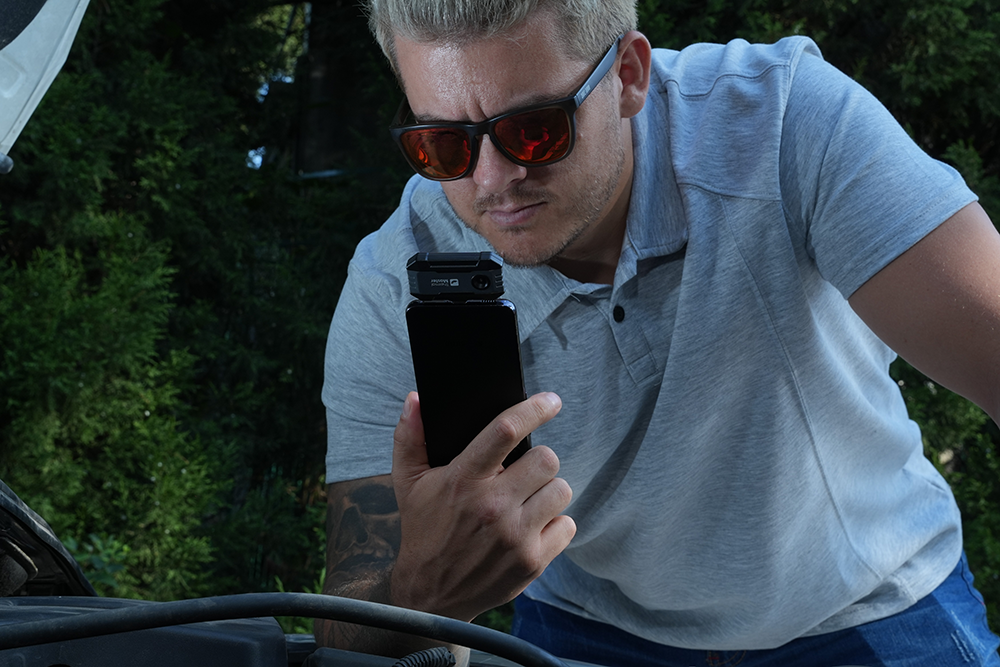
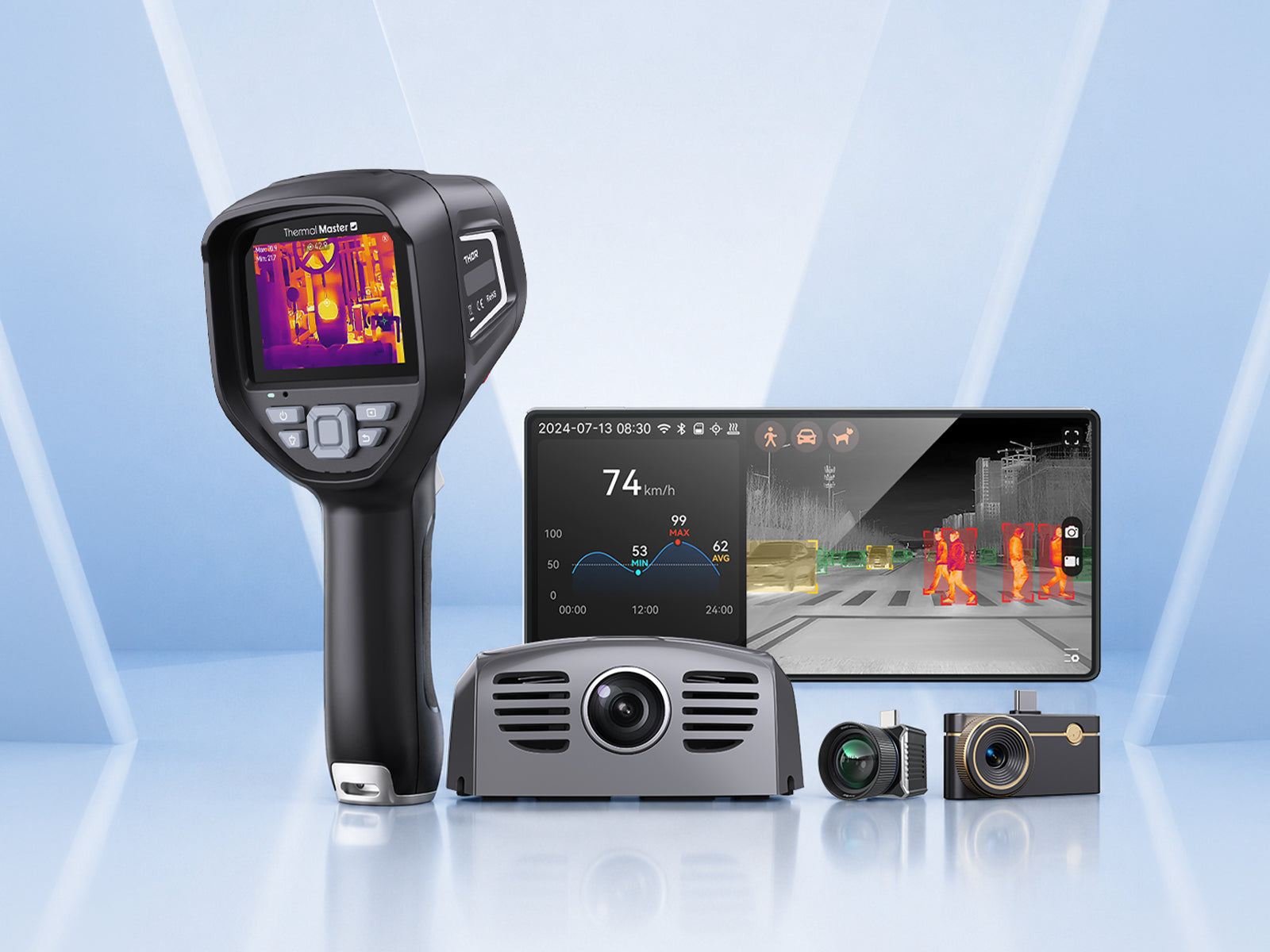
Choose infrared thermal imaging cameras based on how you bird. For occasional birding, a smartphone thermal camera may be enough. For longer field sessions, a rotating-screen thermal camera offers more comfort.

T2Max for Long Range Searching
If you often look for birds around woodland edges, open fields, or lakes, the hardest part is often not knowing where birds are active, but figuring out exactly where to look. Birds may be sitting far away along a shoreline, in a distant tree, or at the edge of an open field.

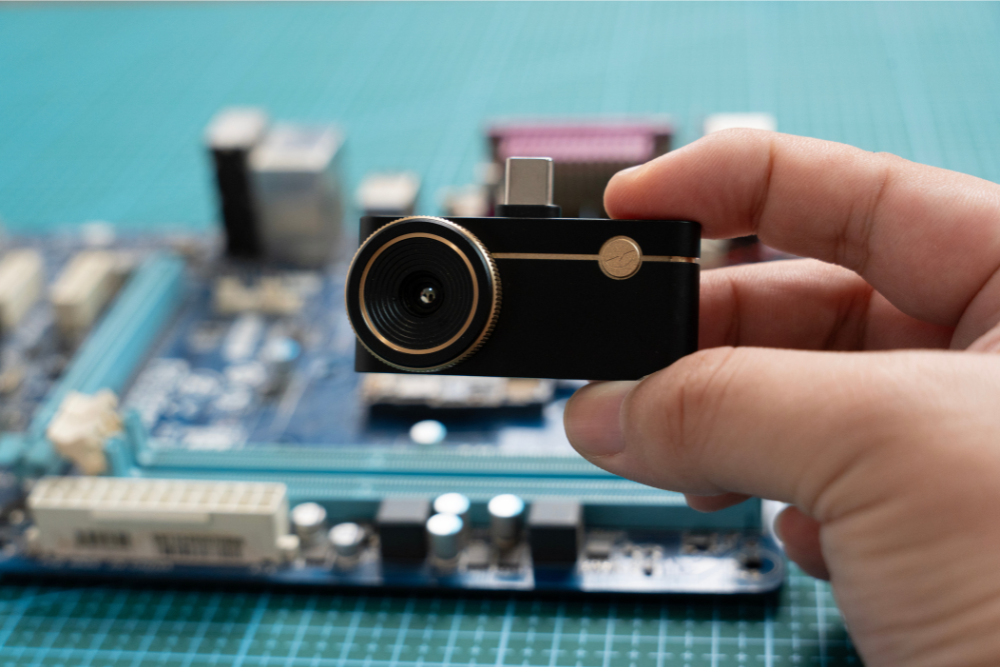
In situations like this, a portable thermal camera with a longer detection range and adjustable focus can make searching much easier. The T2Max connects directly to your phone, and its detection range of up to 150 yards can quickly pick up medium sized birds such as pigeons. You can scan the area quickly first, then adjust the focus to narrow down the target.
The T2Max also features Super Bird Finder 4.0 birding mode, which uses AI to make thermal imaging more suitable for bird watching. Whether you're checking a lakeside, open field, or woodland edge, this can make it easier to locate birds before switching to binoculars for a closer look.

DV2 when you’re out all night
For birders who spend hours searching for owls after sunset, the key is being able to keep searching. Especially in August, when owl activity can be harder to predict, you may need to repeatedly scan the treetops while waiting for one to leave its perch.


The DV2 is well suited for this kind of extended nighttime birding. It features a 5 inch HD touchscreen and 360° rotation, making long observation sessions more comfortable without forcing you to stay at the same viewing angle. It also features Super Bird Finder 4.0 birding mode, making it easier to find and observe birds in the field.

P3 for Casual Birding
Imagine you're walking through a park and notice a bird moving somewhere in the trees. You scan with binoculars but can't find it among the branches. With a P3, you can quickly scan the treetops with thermal imaging, then switch to binoculars to confirm.
 The P3 is mainly a thermal camera for measurement and inspection, but its app also includes a birding mode, 15× digital zoom, and hotspot tracking. If you already own one, you can try thermal birding without another device.
Conclusion: Find the birds you have been missing all along
Infrared thermal imaging cameras offer another way to spot birds that are easy to miss. Whether you’re using the T2Max to quickly locate birds, the DV2 to keep searching in the field, or the P3 to casually scan the trees, the right setup can make a difference. You might even find birds you would normally walk right past.

Read More
- What are the Best Binoculars for Birdwatching?
- Why Every Camper Needs a Thermal Camera for Safety and Survival
- 5 Ways Thermal Cameras Enhance Your Outdoor Adventures

Leave a comment
All comments are moderated before being published.
This site is protected by hCaptcha and the hCaptcha Privacy Policy and Terms of Service apply.