


Infrared thermal imaging technology, also known as thermography, is a non-invasive diagnostic tool that has revolutionized the way we detect and monitor heat-related issues. This guide will delve into the world of thermal imaging, exploring its principles, types, applications, and future potential.
Understanding Infrared Radiation
Infrared camera (IR) radiation is a segment of the electromagnetic spectrum that lies just beyond the red end of visible light. All objects emit IR radiation, and the amount is directly proportional to their temperature. This principle forms the basis of thermal imaging.
How Infrared Thermal Imaging Works
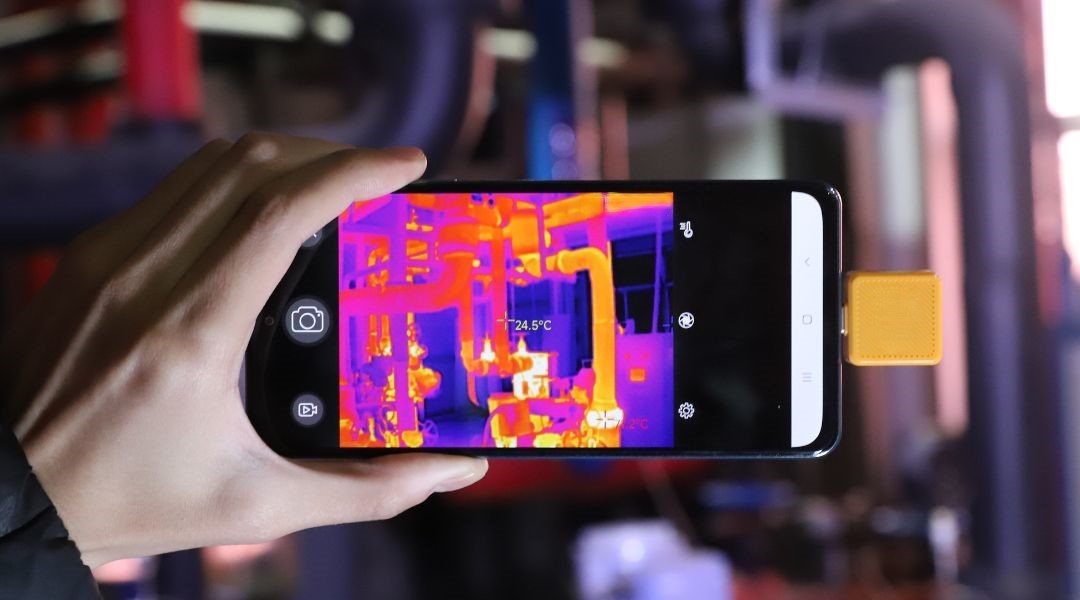
Thermal imaging cameras capture the IR radiation emitted by objects and convert it into a visual representation. This involves:
- An IR detector that senses temperature variations.
- A processor that translates these variations into an image.

Applications of Infrared Thermal Imaging
Thermal imaging is a versatile technology with applications across various sectors:
- Building Inspection: Identifying insulation issues and energy loss.
- Electrical Maintenance: Detecting overheating components before they fail.
- Medical Diagnostics: Spotting inflammation or blood vessel abnormalities.
- Security and Surveillance: Monitoring areas in complete darkness.
- Agriculture: Assessing plant health and optimizing irrigation.

Advantages of Infrared Thermal Imaging
The benefits of thermal imaging are numerous:
- Non-Destructive Testing: It doesn't require physical contact with the object under inspection.
- Real-Time Analysis: Immediate feedback on thermal conditions.
- Safety: Inspections can be conducted from a safe distance, avoiding potential hazards.

Limitations and Challenges
While thermal imaging offers many advantages, it also has some limitations:
- Environmental Factors: Weather conditions can affect the accuracy of readings.
- Cost: High-quality thermal imaging equipment can be expensive.
- Expertise: Proper training is necessary to interpret thermal images effectively.
Recent Advancements in Thermal Imaging Technology
The field of thermal imaging is continuously evolving with:
- Integration with AI and IoT: Enhancing image analysis and automation capabilities.
- Development of High-Resolution Cameras: Providing more detailed thermal images.
- Miniaturization: Making thermal imaging equipment more portable.
Best Practices for Using Infrared Thermal Imaging
To maximize the benefits of thermal imaging, follow these best practices:
- Safety Precautions: Always adhere to safety guidelines provided by the manufacturer.
- Calibration and Maintenance: Regularly calibrate and maintain your thermal imaging equipment.
- Data Management: Keep detailed records of thermal images for trend analysis and
- reporting.

Future of Infrared Thermal Imaging
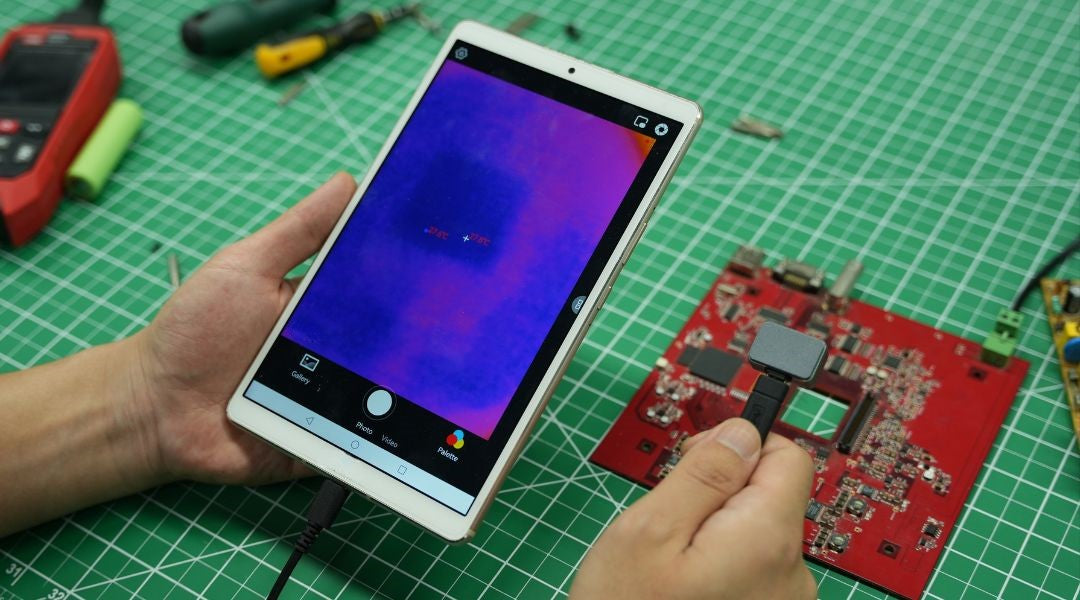
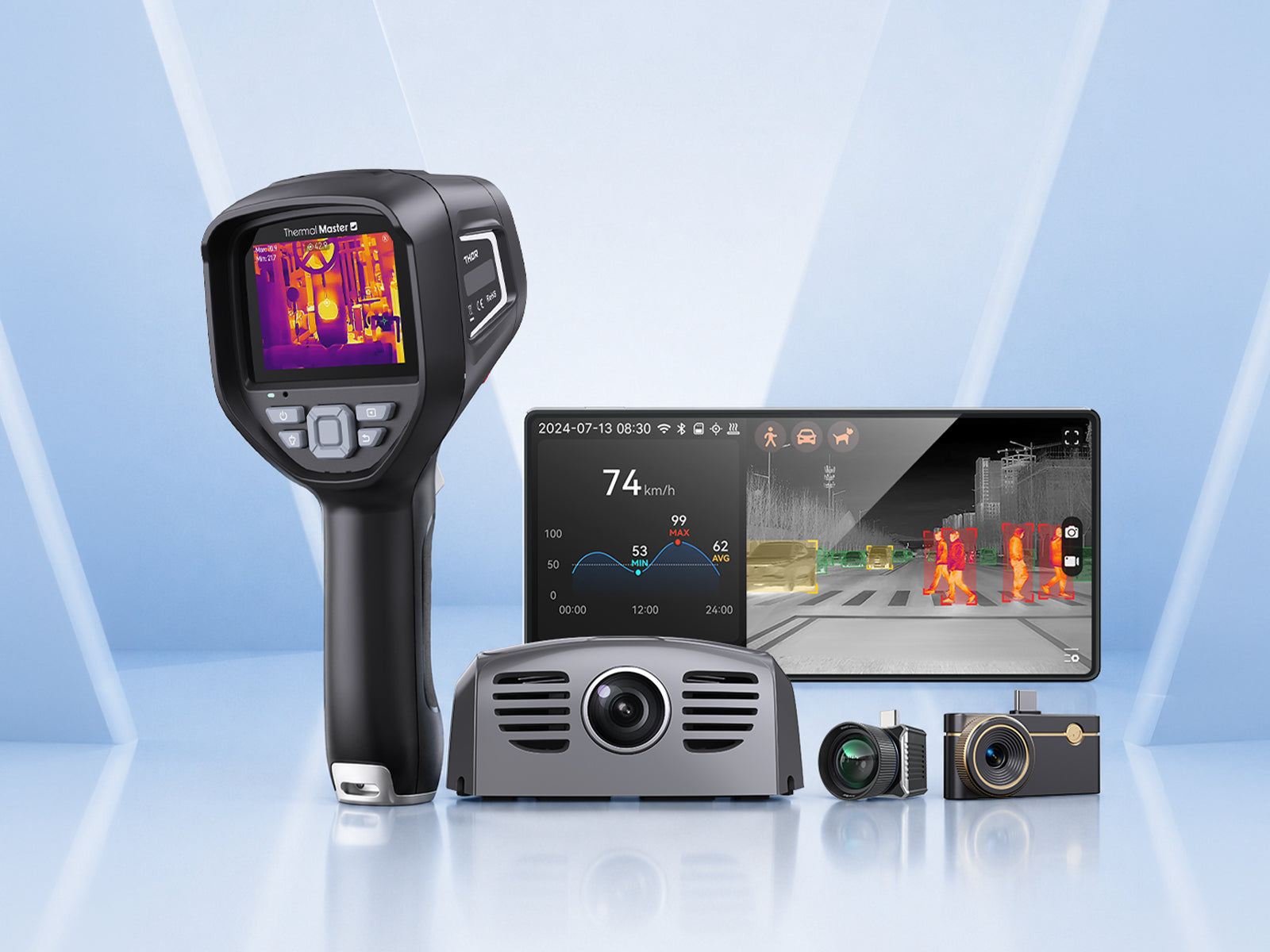
As thermal camera technology continues to evolve, infrared thermal imaging is becoming more accessible for professionals and homeowners alike. Whether using a handheld thermal camera for industrial inspections or a compact smartphone thermal camera for everyday diagnostics, thermal imaging remains one of the most effective tools for identifying hidden heat-related issues.
FAQs
Q: What is the primary use of thermal imaging?
Thermal imaging is used for detecting and monitoring heat-related issues in various applications, including building inspections, electrical maintenance, and medical diagnostics.
Q: How does thermal imaging differ from traditional inspection methods?
Thermal imaging is non-invasive, provides real-time analysis, and allows for inspections from a safe distance.
Related Reading:


Leave a comment
All comments are moderated before being published.
This site is protected by hCaptcha and the hCaptcha Privacy Policy and Terms of Service apply.