



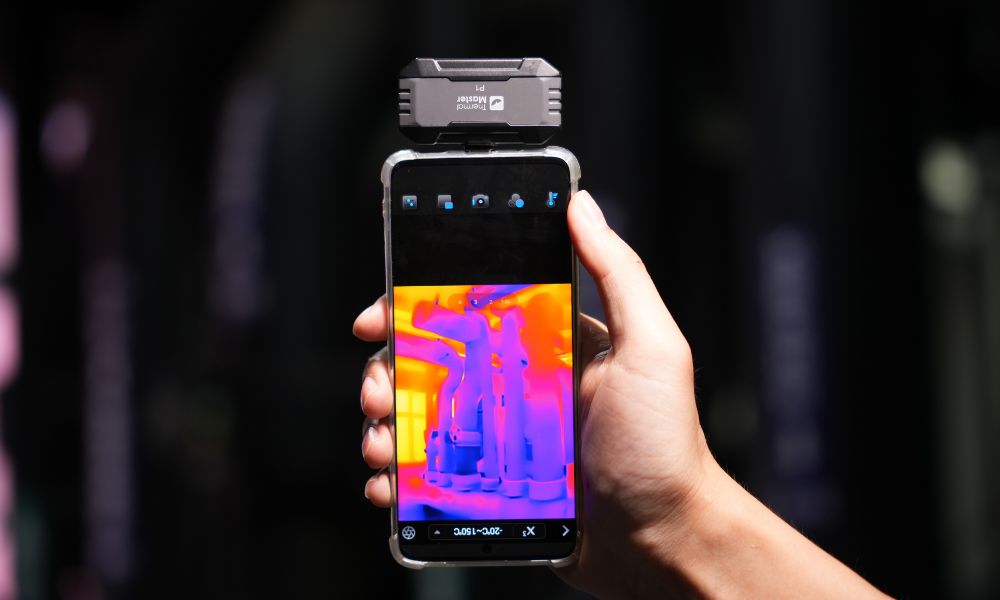
When comparing Thermal Master and FLIR, it's essential to consider which one best suits your daily needs carefully. Whether you require a general inspection tool or a thermal imager for close-range diagnostics, understanding their advantages will make the selection easier.
Below, we'll explore the specific differences between these two brands and how to choose the right thermal imager.
Key Takeaways
- Thermal Master excels in close-range, high-resolution imaging and is ideal for electronics, automotive, HVAC, and small-scale industrial inspections.
- FLIR is a well-established brand offering standardized tools, advanced software, and broad applications in building, electrical, HVAC, and industrial maintenance.
- For small components or localized diagnostics, Thermal Master provides clearer thermal detail and manual focus capabilities.
- FLIR is better suited for large-scale inspections, professional workflows, and data reporting, supporting enterprise and compliance needs.
- Choosing between the two depends on your specific use case, budget, and whether you need portability or professional-grade features.
Why Compare Thermal Master and FLIR Thermal Cameras?
When choosing a thermal imager, many people consider Thermal Master and FLIR, as both focus on portable thermal imagers suitable for inspection, diagnostics, and troubleshooting.
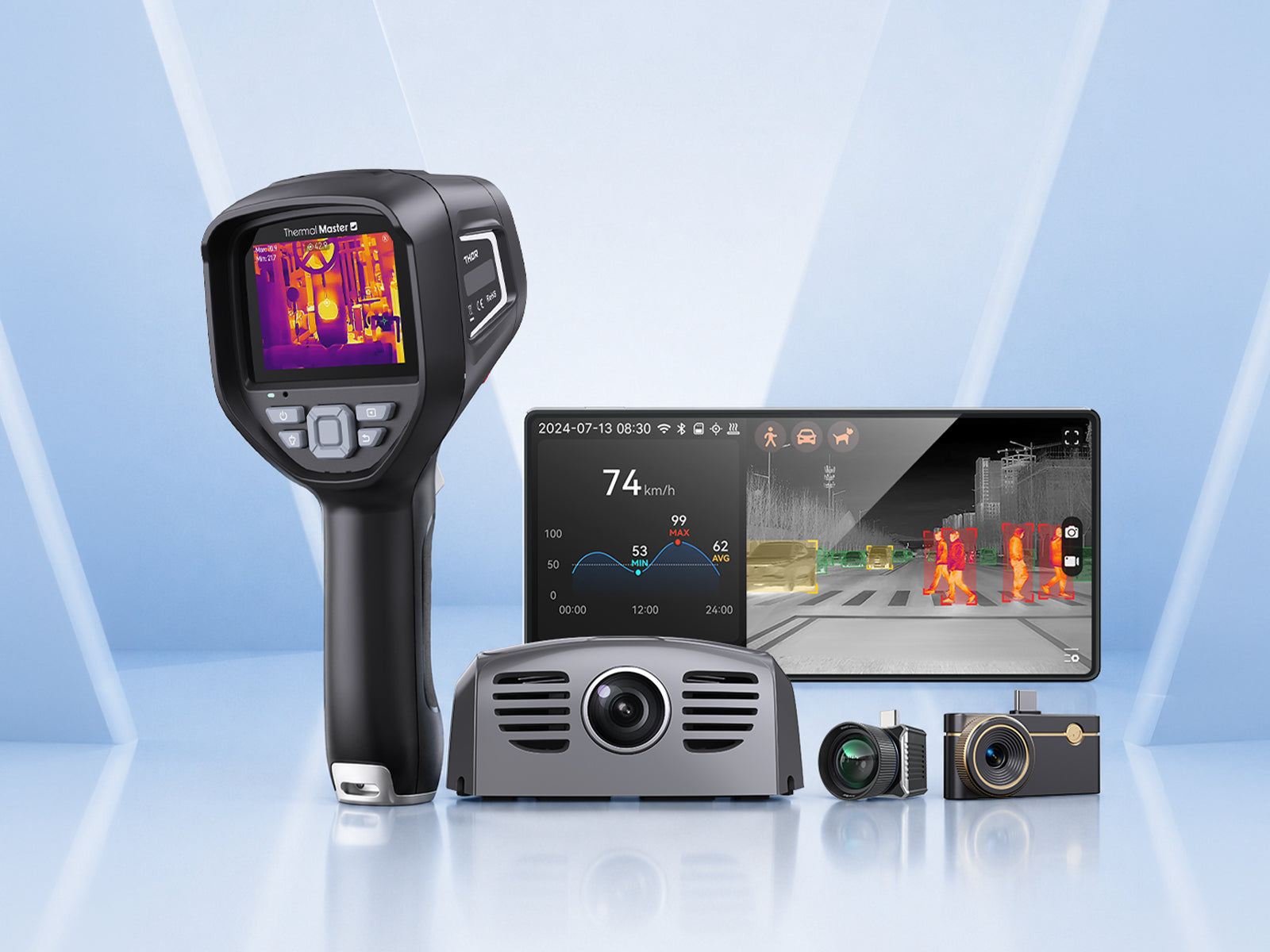
Thermal Master is an emerging thermal camera brand that emphasizes close-up detail, high-resolution imaging, and cost-effective solutions, supporting applications such as building inspection, electrical diagnostics, HVAC, and industrial maintenance. Its products are lightweight, portable, and easy to use, making them accessible to both professionals and DIY users.
FLIR is a well-known brand in the thermal camera industry, renowned for its reliable performance, standardized tools, and advanced software. Its thermal imagers are widely used in building, electrical, HVAC, and industrial inspection, providing features required for professional workflows, such as measurement tools and reporting capabilities.
What Are Thermal Master and FLIR Cameras Used For?
Thermal Master Uses
- Electronics & PCB inspection
- Automotive troubleshooting
- HVAC leak detection and insulation checks
- Building & residential inspection
- Small industrial equipment monitoring
- On-site field diagnostics
- Professional temperature analysis and report generation via PC software
FLIR Uses
- Building & residential inspection
- HVAC diagnostics
- Electrical & mechanical inspection
- Industrial maintenance
- Energy audits
- Professional workflows requiring data reporting

What Should You Consider Before Choosing a Thermal Camera?
Before comparing different brands or models, it's important to consider how the thermal camera will be used in the actual work environment. Here are some factors to consider:
- Detection Distance and Target Size: If you primarily inspect walls, rooms, or large equipment, a camera capable of clearly capturing the entire surface is more practical. Conversely, for small components, connectors, or circuit boards, you need close-up clarity and the ability to detect subtle temperature differences.
- Your Job Type: For building inspections or HVAC diagnostics, a thermal camera that provides indirect and clear image readings is sufficient. For electronics repair, automotive troubleshooting, or PCB inspection, a thermal camera with precise close-up thermal details is more suitable, quickly pinpointing problems.
- How You Use the Results: Some users rely solely on thermal images to immediately identify problems, while others need to save data, compare images from different time periods, or generate reports. You can choose based on whether you require data saving.
- Ease of Use in Daily Work: In practical use, setup time and interface design directly impact efficiency. Cameras that are quick to deploy and easy to operate are more practical than those with complex features that slow down daily inspections.
- Budget and Practical Value: A higher price does not guarantee suitability for different types of work environments. You should weigh the cost against the actual user experience and choose the features that support your testing tasks, rather than paying for features that you rarely use.
Thermal Master vs FLIR: Key Differences at a Glance
Price and Overall Value
- FLIR: Their mobile phone thermal imaging cameras generally range from $200 to over $530. The entry-level FLIR ONE model is priced between $200 and $320, while the Edge or Edge Pro wireless models typically range from $300 to over $500.Therefore, FLRI offers a wide range of products with various models.
- Thermal Master: Most of their thermal camera for phones are priced between $129 and $270. For example, the thermal master P1 starts at around $129, while the thermal master P2 and P2 Pro are priced between $190 and $270. They are a practical choice for electronics repair, car diagnostics, and HVAC troubleshooting.
Image Quality and Detail
- FLIR: Primarily emphasizes software-based image fusion technology, incorporating visible light details into thermal images. This improves visual context and scene recognition, making it suitable for inspecting larger areas.
- Thermal Master: Prioritizes raw resolution and thermal detail. This makes the distinction between hot and cold areas clearer, allowing you to see clear trends when inspecting small targets or subtle temperature changes.
Close-up Use and Focusing
- FLIR: Most FLIR mobile thermal cameras use fixed-focus lenses. This makes them suitable for walls, rooms, and general inspections, but sharpness drops rapidly at close range.
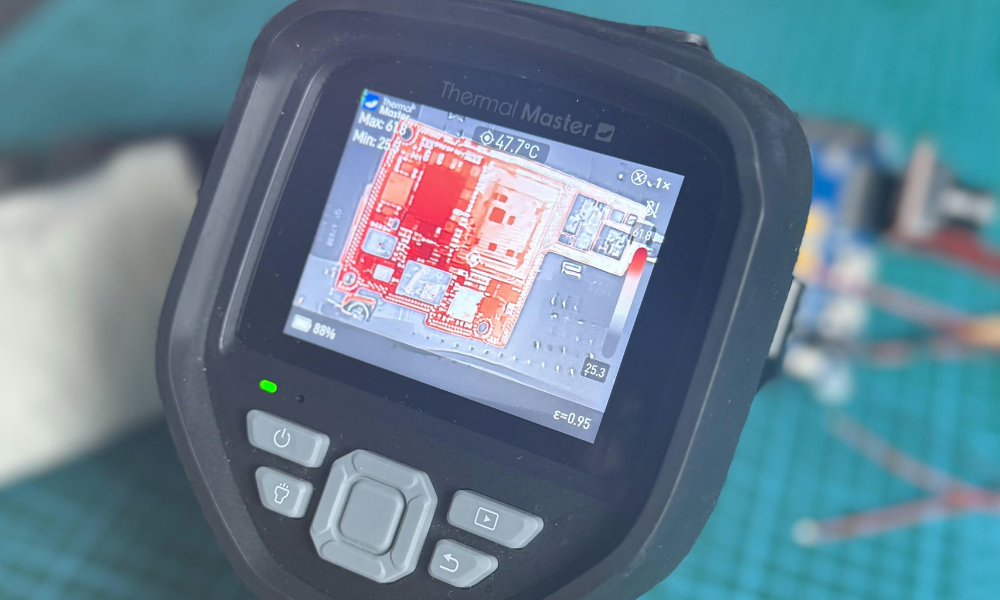
- Thermal Master: Offers a thermal camera with manual focus and macro capabilities, achieving clear imaging at centimeter-level distances, such as the Thermal Master P3. This makes them ideal for PCB inspection, electronics repair, and fine-tuning.
Software Experience
- FLIR: Its software ecosystem is built for professional workflows, providing advanced measurement tools, reporting capabilities, and cloud integration to meet the needs of document-intensive environments.
- Thermal Master: Primarily focuses on simplifying and accelerating the software experience, concentrating on quick setup and practical professional data analysis, avoiding unnecessary complexity.
Power and Portability
- FLIR: Many FLIR mobile devices feature built-in batteries and wireless connectivity, enabling independent operation; however, this comes at the expense of increased size, weight, and cost.
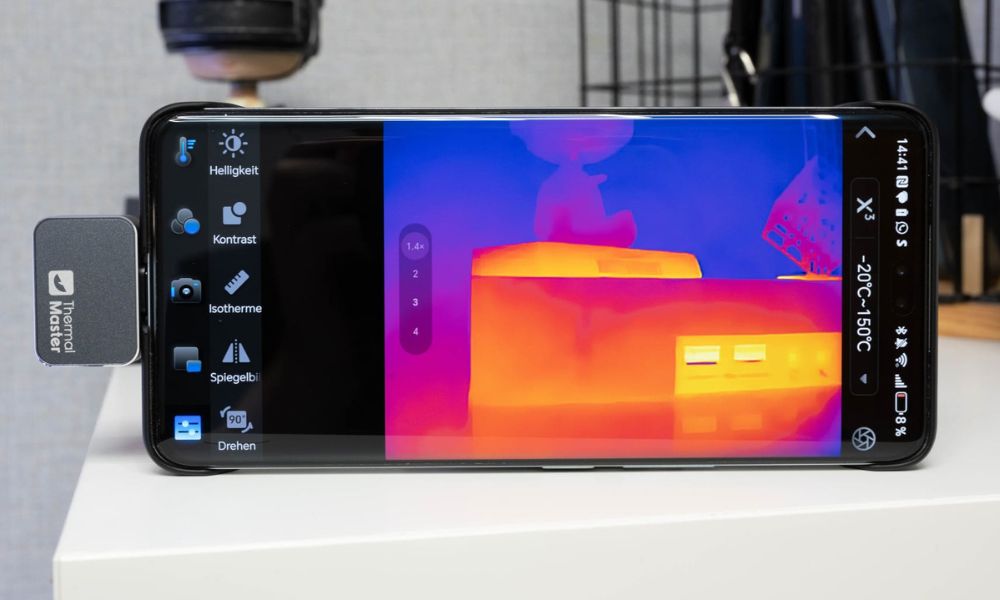
- Thermal Master: Its mobile thermal cameras are typically powered directly by smartphones, making them lighter, more compact, and easier to carry between different work locations.
Optimal Application Scenarios
- FLIR: Best suited for industrial, enterprise, and compliance-driven applications where standardized tools and long-term ecosystem support are crucial.
- Thermal Master: Ideal for practical diagnostic work requiring clear, close-up imaging and cost-effectiveness, such as electronics repair, automotive troubleshooting, HVAC inspection, PCB testing, and detailed inspection.

Which One Is Right for You?
If you prioritize cost-effectiveness and frequently need to work at close range, then Thermal Master is a better choice. It also supports electronics repair, automotive diagnostics, and scenarios requiring hands-on troubleshooting, and can connect to a PC for professional temperature reports.
If you prefer a well-known brand, FLIR is a good option, but it may be more expensive. Its mobile thermal imager is also ideal for home inspections, HVAC system testing, and building diagnostics.
Summary
Ultimately, the choice between a Thermal Master and an FLIR thermal imager depends on your specific needs. FLIR is a well-known and trusted choice, while Thermal Master offers powerful imaging performance and value for money. Once you consider the intended use and budget of the thermal imager, you can easily make the right choice.
FAQ
Is Thermal Master suitable for professional use?
Yes. Thermal Master cameras are widely used in professional scenarios such as electronics repair, PCB inspection, automotive diagnostics, and HVAC troubleshooting. While they may not focus on enterprise compliance workflows, they provide strong thermal detail and practical diagnostic performance for hands-on professionals.
Which brand is better for close-up thermal inspection?
Thermal Master is generally better for close-range work. Models with manual focus and macro capability allow you to clearly inspect small components, circuit boards, connectors, and localized heat sources that fixed-focus systems may struggle with.
Where does Thermal Master ship from?
Thermal Master ships its products from different locations depending on where you are ordering from. For customers in the United States, the European Union, and the United Kingdom, orders are typically shipped from a nearby regional warehouse to speed up delivery. For customers in other countries, shipments usually come from Thermal Master’s China warehouse. If there’s a stock shortage, orders may be shipped from China for all regions.
Related Reading:
Can My Phone Do Thermal Imaging?
What’s the Difference between Thermal Imaging and Night Vision?

Leave a comment
All comments are moderated before being published.
This site is protected by hCaptcha and the hCaptcha Privacy Policy and Terms of Service apply.