



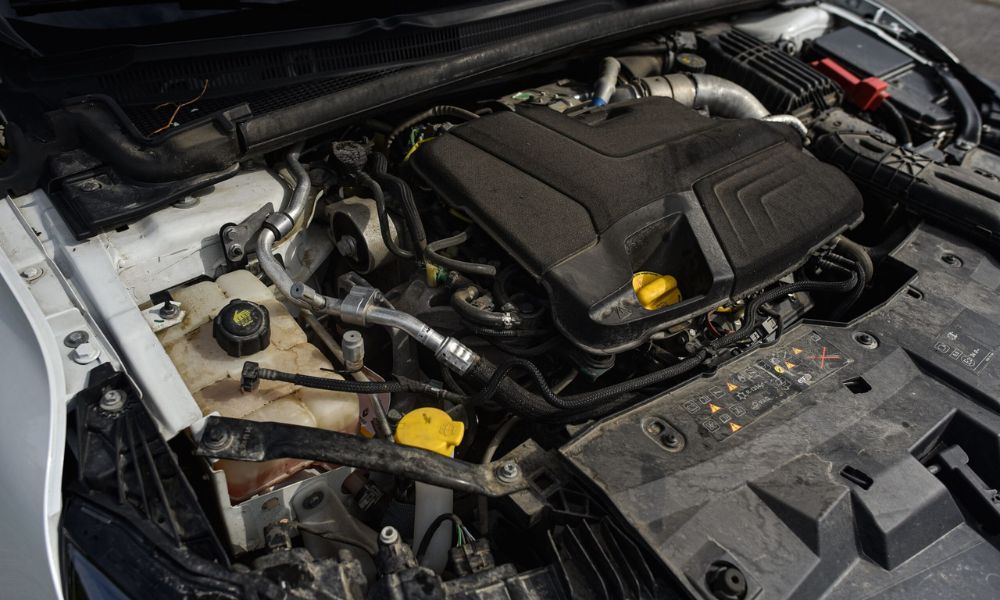
Car battery leakage is usually caused by parasitic current, meaning that electronic components continue to draw power even after the vehicle is turned off. It's difficult to pinpoint the exact source of the leak using traditional tools. However, thermal imagers can help by detecting minute temperature differences caused by the current.
So, how do you use a thermal imager to detect car battery leakage? Let's take a look.
What Is Parasitic Battery Drain?
Parasitic battery drain occurs when electrical components continue to consume power from a vehicle’s battery after the ignition has been turned off. While a small amount of standby current is necessary to maintain volatile memory for systems such as the clock, radio presets, and security modules, an abnormal draw typically indicates a technical fault.
What Causes Parasitic Battery Drain?
Parasitic battery drain is typically triggered by electrical components that fail to shut down or operate outside their intended parameters. The primary causes include:
- Malfunctioning Relays: A relay that becomes physically "stuck" in the closed position will continuously supply power to high-draw components—such as cooling fans or fuel pumps—long after the vehicle is parked.
- Lighting Circuit Faults: Switches for glove boxes, trunks, or vanity mirrors can become misaligned. If the switch fails to break the circuit when the compartment is closed, the bulb remains illuminated, creating a constant, hidden load.
- Electronic Module "Sleep" Failures: Modern vehicles rely on electronic control units (ECUs) that must enter a low-power "sleep mode" after the ignition is turned off. Software glitches or internal shorts can prevent these modules from powering down, keeping the communication bus active and causing continuous battery drain.
- Defective Alternator Diodes: The alternator uses diodes to ensure current flows in only one direction. A blown or leaking diode can allow electricity to flow backward from the battery into the alternator’s internal windings, leading to rapid discharge and heat buildup.
- Improperly Installed Aftermarket Accessories: Non-factory equipment, such as GPS trackers, dash cams, or upgraded audio systems, often bypasses the vehicle's standard power management systems. If wired incorrectly, these devices can bypass the ignition switch and draw power 24/7.
Can a Thermal Camera Detect Battery Drain?
Yes, a thermal camera detects battery drain by visualizing the heat generated by electrical resistance. When a component stays active, it creates a subtle thermal signature that stands out against the cool surfaces of a parked car. This allows you to pinpoint faulty fuses or modules instantly without disconnecting any wiring.

Why Use a Thermal Camera to Detect Battery Drain?
Thermal imager technology is faster and more convenient, allowing for intuitive location of hot spots in circuits without removing fuses. Unlike multimeters, it can detect leakage without disconnecting the battery, preventing dormant electronic modules from accidentally "waking up" and masking faults.
Where Should You Scan with a Thermal Camera for Car Battery Drain?
To locate a parasitic drain, you should scan the following high-priority areas:
- Fuse Boxes: Scan both the engine bay and interior fuse panels; a warm fuse indicates an active circuit.
- Alternator: Check for heat around the housing, which often signals a failed internal diode leaking power.
- Relays: Look for "hot" relays that remain engaged after the car has been shut down.
- Aftermarket Gear: Inspect non-factory installations like dash cams, alarms, or audio amplifiers.
How to Test a Car for Parasitic Battery Drain Using a Thermal Camera?
Vehicle Preparation
Turn off all accessories and allow the vehicle to sit for 30-60 minutes. This ensures residual engine heat dissipates, and all electronic control units (ECUs) are fully in sleep mode to avoid false alarms.
Check Fuse Boxes
Systematically check the fuse boxes inside the vehicle and in the engine compartment. Because parasitic currents generate heat through resistance, any fuse displaying a "hot" indicator indicates that the circuit is still active.
Check Alternator
Next, check if the alternator casing is hot. If the engine is cold, it indicates a faulty internal diode, causing battery current to leak back into the alternator windings.
Check Wiring and Relays
Finally, trace the wiring harness and check each relay. If a relay shows signs of heat while the vehicle is parked, it may be stuck or faulty, continuously supplying power to components such as the cooling fan.
What Is the Most Common Parasitic Drain on a Car Battery?
The most common sources of parasitic battery drain typically involve components that fail to deactivate or systems that stay active unintentionally:
- Interior and Trunk Lights: Glove box, trunk, or vanity mirror lights are the most frequent culprits. If a switch is misaligned or the door doesn't close properly, the bulb remains on, creating a constant, hidden power draw.
- Stuck Relays: Relays for high-draw components like the cooling fan or fuel pump can become physically "stuck" in the closed position. This keeps the component powered 24/7, even after the ignition is turned off.
- Electronic Control Modules: Modern vehicles have dozens of ECUs that must enter "sleep mode." A software glitch or hardware short can keep a module active, preventing the entire communication bus from powering down.
- Defective Alternator Diodes: A failed internal diode can allow electricity to flow backward from the battery into the alternator windings. This causes a significant drain and often creates a detectable heat signature on the alternator housing.
Which Thermal Imagers Can Detect Car Battery Drain?
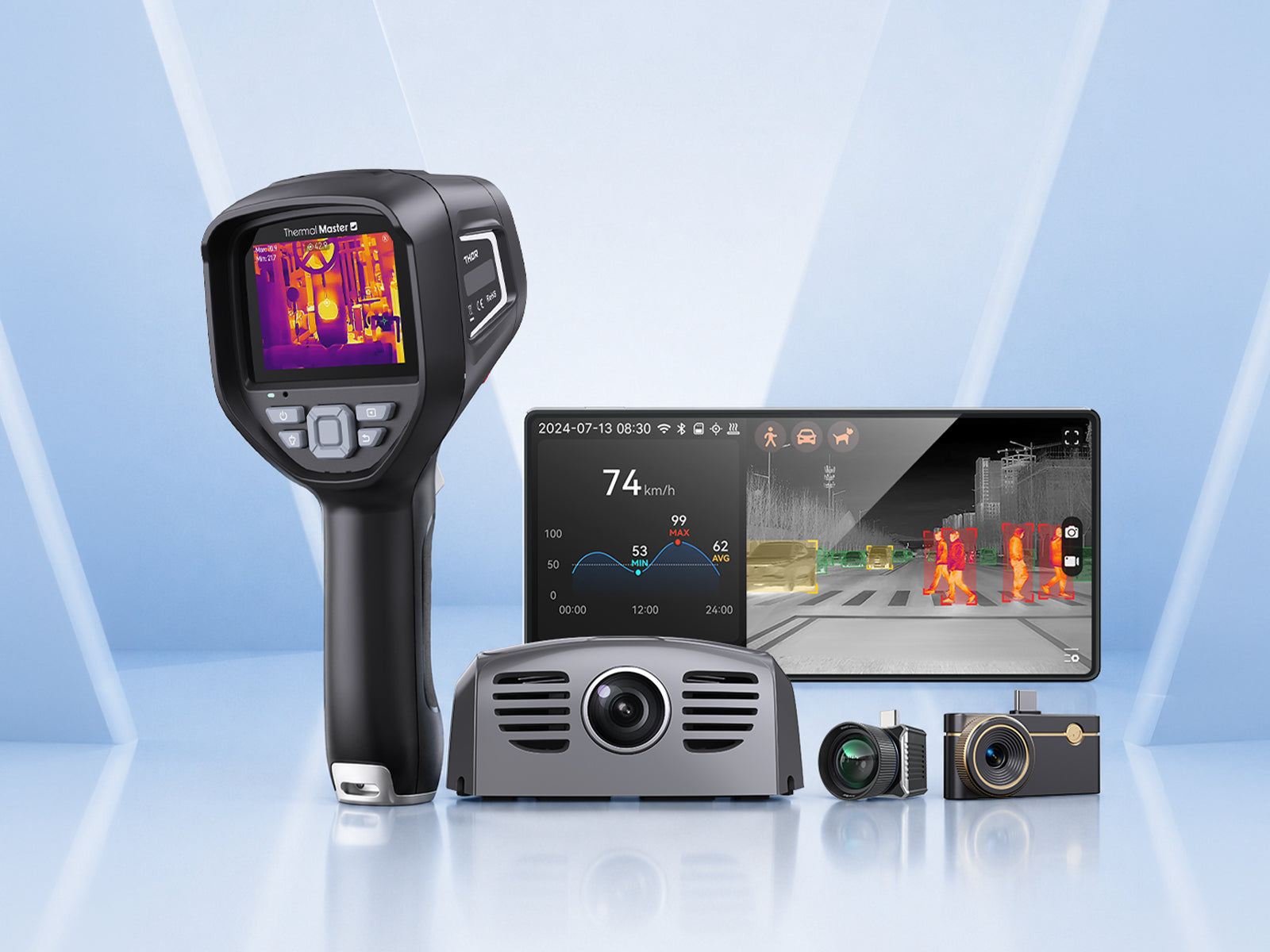
To effectively diagnose these electrical problems, the choice of high-precision tools is crucial. Thermal Master offers solutions such as the P3, P2 Pro, and P1 to help you troubleshoot automotive problems.
Thermal Master P1
The Thermal Master P1 features a 320×240 Super IR resolution thermal imager with a measurement range of -20°C to 600°C. It's a versatile tool available for both iOS and Android systems. Its ≤40mK sensitivity is ideal for accurately locating parasitic leaks in fuse boxes or inspecting high-temperature engine components.
Thermal Master P2 Pro
This thermal master p2 portable 10g, offers 256×192 infrared resolution and features a unique magnetic macro lens. It excels at detecting tiny short circuits on ECU circuit boards, providing professional accuracy for even the most complex automotive electrical faults.
Thermal Master P3
Thermal Master P3 offers a crisp 512×384 Super IR resolution and a smooth 25Hz frame rate for real-time scanning. It simplifies the inspection process for complex wiring harnesses, enabling technicians to easily generate professional thermal imaging reports.

Conclusion
In summary, car battery drain is often a result of parasitic draws from components that fail to shut down. A thermal camera detects the subtle heat these active circuits produce, allowing for rapid identification of faulty fuses or modules. This visual approach eliminates guesswork, enabling faster diagnostics and more efficient repairs.
FAQ
Are thermal cameras useful for automotive repair?
Thermal imaging is a game-changer for automotive repair, allowing you to "see" hidden heat caused by electrical shorts or mechanical friction. It lets you instantly pinpoint parasitic drains and cooling blockages without invasive teardowns, making complex troubleshooting fast and visual.
Can a thermal camera detect battery drain in a car?
Yes, a thermal camera can detect battery drain by visualizing the heat generated by electrical resistance. When a component stays active, it creates a "hot spot" on fuses, relays, or wiring harnesses that is easily visible against a cold, parked car. This allows you to pinpoint the exact source of a parasitic draw without pulling fuses or disconnecting the battery.
Can a thermal camera detect electrical problems in a car?
Yes, a thermal camera instantly pinpoints electrical issues by visualizing the heat caused by resistance. It allows you to find parasitic drains, short circuits, and loose connections in fuse boxes or wiring harnesses without invasive teardowns. By mapping "hot spots," you can identify faulty components that remain active even when the car is off.
Related Reading:


Leave a comment
All comments are moderated before being published.
This site is protected by hCaptcha and the hCaptcha Privacy Policy and Terms of Service apply.