



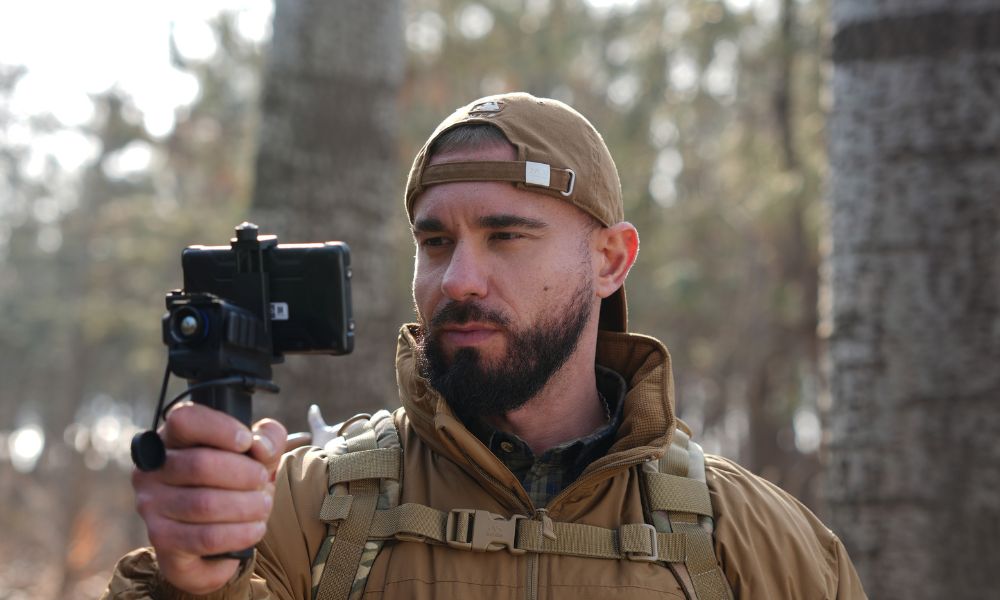
Ideal birdwatching binoculars should offer a clear field of view, a comfortable viewing experience for extended periods, rapid focusing capabilities, and reliable performance across a wide range of outdoor environments.
This guide will detail which thermal imaging birdwatching devices deliver exceptional performance, and—by introducing you to three specific thermal imaging binoculars from Thermal Master—will help you identify the ideal equipment best suited to your personal outdoor observation habits.

What Features Matter Most in Birdwatching Binoculars?
An effective birdwatching device should combine image clarity, thermal sensitivity, detection range, frame rate, and outdoor suitability, rather than relying solely on high magnification. It should be capable of detecting birds' thermal signatures even in forests, wetlands, dense fog, tall grass, or total darkness.
Important factors you should focus on include:
- Thermal Resolution: Higher thermal resolution (e.g., 384×288 or 512×384 Super IR) renders bird plumage contours with greater clarity at long distances and enhances the distinction between the target and its background. This allows you to detect smaller bird species more clearly within forests, wetlands, and complex outdoor environments.
- NETD Thermal Sensitivity: A lower NETD value (e.g., ≤25mK or ≤20mK) enables the detection of even the most minute temperature differences—providing clearer observation—during cold mornings, rainy or foggy weather, or within densely shaded woodlands. Furthermore, heightened thermal sensitivity allows birds concealed within surrounding vegetation to emerge more naturally in the thermal image.
- Frame Rate: A refresh rate of 50Hz or 60Hz ensures a smoother tracking experience when birds are in flight or executing rapid changes in direction. A higher frame rate eliminates motion blur, thereby enhancing the quality of real-time thermal observation during dynamic birdwatching activities.
- Detection Range: A long-range detection capability of 1,000 to 1,600 yards allows you to conduct observations without disturbing the natural behavior of wildlife. This ultra-long-range detection capability is ideally suited for wetland observation, tracking bird migrations, and birdwatching in open terrain.
- Field of View (FOV): A wider field of view (e.g., 17°–19°) facilitates more natural tracking of moving birds while scanning expansive outdoor areas. This enhances observational comfort when tracking fast-moving wildlife.
- Battery Life: Extended battery life (e.g., 6 to 18 hours) provides ample power to support full days of outdoor observation, hiking expeditions, and bird migration monitoring. Reliable battery endurance ensures that observations remain uninterrupted by the need for recharging during prolonged birdwatching excursions.
- Weight and Portability: Lightweight thermal imaging devices—ranging from portable monoculars weighing as little as 18g to compact handheld observation systems—are easy to carry and are particularly well-suited for use during hiking trips and extended outdoor activities.

Best Thermal Birdwatching Binoculars and Thermal Monoculars
High-quality birding binoculars equipped with thermal imaging technology enable you to locate concealed birds, even in challenging outdoor environments, quickly. Currently, Thermal Master offers three models of the best binoculars for birdwatching, specifically designed for wildlife observation and for detecting distant heat sources.
Thermal Master X3
The Thermal Master X3 boasts a native infrared resolution of 384*288, which can be matched to a resolution of 768*512 after the X³ super-resolution algorithm. It also features a 12μm resolution detector with a thermal sensitivity of ≤25mK, enabling clearer identification of subtle thermal signals from birds in environments such as forests and wetlands. It delivers smooth, dynamic images while maintaining clear thermal contrast between birds and surrounding vegetation. Furthermore, it supports 60Hz real-time thermal imaging and a detection range of up to 1640 yards (approximately 1500 meters), significantly enhancing your capabilities for remote wildlife observation, birdwatching, and outdoor thermal tracking.
Key Features:
- 768*512 X³IR™ Resolution: Provides clearer thermal detail and improved target recognition during long-range bird observation.
- ≤25mK NETD Sensitivity: Detects subtle bird heat signatures more effectively in cold mornings and shaded forests.
- 60Hz High Frame Rate: Maintains smoother motion tracking when observing flying birds or fast-moving wildlife.
- 1640-Yard Detection Range: Supports long-distance wildlife observation without disturbing natural animal behavior.
- 15mm High-Energy Lens: Improves long-range thermal visibility during open-field and wetland birdwatching.
- 18-Hour Battery Life: Supports extended outdoor observation sessions and migration monitoring.

Thermal Master DV2
The Thermal Master DV2 birdwatching monocular features an upgraded X³IR™ resolution, increasing from 256×192 to 512×384, delivering richer detail even in low-light conditions such as early morning, foggy days, or nighttime. Its thermal sensitivity (NETD) is ≤15mK, enabling the detection of extremely small heat sources. Furthermore, it is equipped with a 5-inch touchscreen and a 50Hz refresh rate, ensuring a comfortable and smooth viewing experience even during extended outdoor observations.
Key Features:
- 512×384 X³IR™ Resolution: Enhances bird outline visibility and thermal detail during outdoor observation.
- ≤15mK NETD: Detects smaller temperature differences for clearer wildlife separation in dense environments.
- 50Hz Thermal Imaging: Improves smooth tracking performance during bird movement and flight.
- 1094-Yard Dynamic Ranging: Helps estimate observation distance more accurately in open outdoor terrain.
- 5-Inch 1280×720 Touchscreen: Provides easier long-term viewing during birdwatching sessions.
- Dual Image Modes: HD mode improves detail while Highlight mode helps birds stand out more clearly.

Thermal Master T2 Max
The Thermal Master T2 Max monocular features a high-performance 15mm lens and a NETD of ≤20mK, significantly enhancing wildlife visibility in scenarios such as dawn observation, forest monitoring, and tracking migratory birds. Its design ensures effortless portability during hiking trips and outdoor adventures. Furthermore, a 50Hz frame rate—combined with various color modes optimized for outdoor environments—further boosts observational clarity amidst rapidly changing environmental conditions.
Key Features:
- 1094-Yard Bird Detection: Supports long-range thermal birdwatching in wetlands and open fields.
- ≤20mK Thermal Sensitivity: Improves visibility of smaller birds and subtle heat targets.
- 50Hz Refresh Rate: Maintains smoother thermal viewing during movement tracking.
- 512×384 X³IR™ Resolution: Enhances thermal image sharpness and target detail.
- 15× Digital Zoom: Helps you observe distant birds without physically approaching wildlife.
- 5000mAh Battery System: Supports long outdoor birdwatching sessions and field exploration.

Which Birdwatching Binoculars Are Best for Different Environments?
Different birdwatching environments require different binocular capabilities. The best binoculars for open wetlands may not perform equally well inside dense forests or nighttime environments.
Forest Birdwatching
When birdwatching in a forest, you often encounter challenges such as obstructed views caused by branches, shifting patterns of light and shadow, and birds that appear only fleetingly. The Thermal Master DV2 and X3 birdwatching monoculars address these issues with exceptionally low NETD (Noise Equivalent Temperature Difference) sensitivity and smooth frame rates. These features allow you to observe birds as they dart rapidly through trees and vegetation, helping you maintain a clear, uninterrupted view for effective tracking.
Wetlands and Open Terrain
Birdwatching in wetlands and open terrain demands greater detection range and more stable thermal imaging clarity, as birds are typically observed from a considerable distance. The Thermal Master X3 excels in this environment, boasting a detection range of 1,640 yards (approximately 1,500 meters) and a 60Hz refresh rate. This combination ensures a smoother experience for observing wildlife from afar while minimizing the risk of disturbing the birds.
Nighttime Birdwatching
Nighttime birdwatching puts the sensitivity of thermal imaging monoculars to the ultimate test, as light levels become extremely dim after dark. With NETD ratings of ≤15 mK and ≤20 mK, respectively, the Thermal Master DV2 and T2 Max enable you to detect owls, nocturnal birds, and avian migration patterns with exceptional clarity.
Hiking and Portable Birdwatching
When embarking on hiking trips or engaging in extended outdoor observation sessions, it is highly advisable to opt for portable birdwatching gear to minimize physical fatigue and discomfort. To this end, the Thermal Master T2 Max offers a lightweight and efficient thermal imaging solution. It combines a compact, highly portable design with robust long-range detection capabilities and reliable thermal imaging performance, ensuring you remain well-equipped for any outdoor environment.

Are Thermal Birdwatching Binoculars Better Than Traditional Binoculars?
Thermal imaging binoculars for birdwatching excel at detecting concealed birds in darkness, dense fog, thick forests, and conditions of low visibility, as they generate images by rendering thermal signatures rather than relying on visible light. While traditional binoculars perform better at distinguishing plumage colors and fine species details, the two systems can be effectively combined: thermal imaging technology is used first to quickly pinpoint a target, followed by the use of standard optical equipment for detailed visual observation.
How Do You Choose the Right Birdwatching Binoculars?
To select the best binoculars for birdwatching, you should take into account a combination of factors: your observation style, budget, environment, and level of experience. Your primary focus should be on ensuring the device's performance aligns with your actual outdoor usage requirements, rather than blindly pursuing the most expensive option available.
For birdwatching during daytime hikes or outdoor excursions, a lightweight and compact thermal monocular offers the optimal balance between portability and thermal imaging visibility.
If you frequently engage in nocturnal birdwatching or wildlife observation within forest environments, it is advisable to consider thermal imaging devices with a low NETD (Noise Equivalent Temperature Difference)—such as the Thermal Master DV2. This is because thermal sensitivity directly determines your ability to clearly detect well-concealed subjects.
For long-range observation in wetlands or open terrain, prioritize devices equipped with powerful lenses and extended detection ranges—such as the X3 birdwatching monocular—over those with merely high magnification levels. This approach will prove far more effective in enhancing your overall observation experience.

Summary
The ideal binoculars for birdwatching are those that perfectly align with your specific observation environment and personal habits. Today, thermal imaging binoculars and monoculars offer tremendous advantages for nighttime observation, forest tracking, wetland exploration, and long-range wildlife detection.
Devices such as the Thermal Master X3, DV2, and T2 Max—which combine high thermal sensitivity, long-range detection capabilities, smooth frame rates, and a portable, rugged outdoor design—enable you to enjoy a more efficient birdwatching experience, even in the most complex and demanding environments.
Related Reading:
Can You See Birds with a Thermal Camera?

Hinterlasse einen Kommentar
Alle Kommentare werden vor der Veröffentlichung geprüft.
Diese Website ist durch hCaptcha geschützt und es gelten die allgemeinen Geschäftsbedingungen und Datenschutzbestimmungen von hCaptcha.