



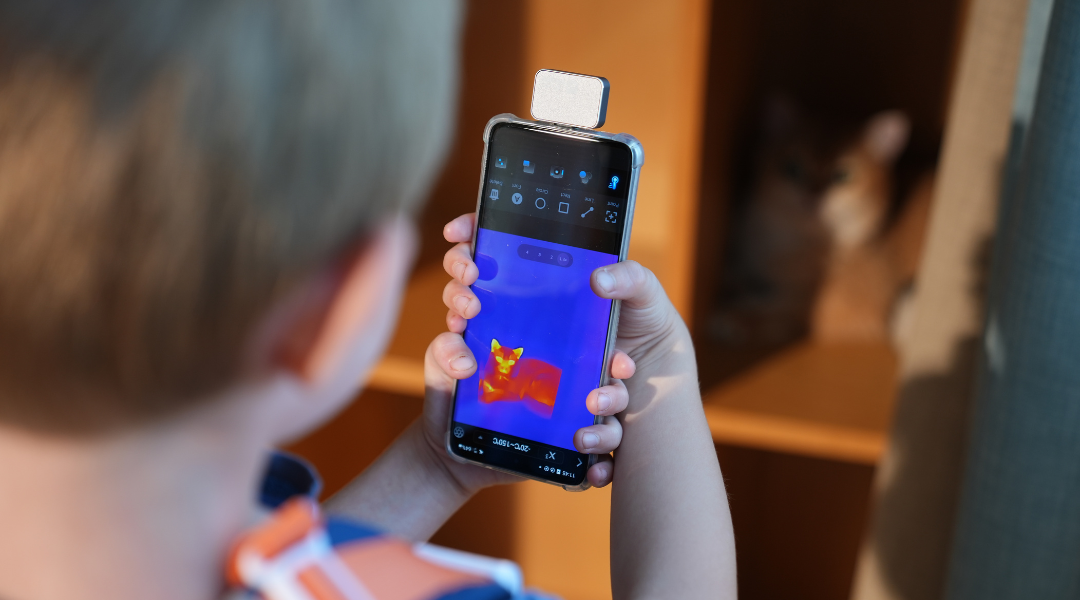
Thermal cameras are essential tools in various fields, offering insights beyond what the human eye can see. They detect infrared (IR) radiation, commonly called heat, allowing users to visualize temperature differences.
If you’re new to thermal imaging, this guide will help you understand the fundamentals, including how thermal cameras work, common applications, and tips on selecting the right camera for your needs.
What is Thermal Imaging?
Thermal imaging, also known as thermography, is the process of capturing and analyzing the heat emitted by objects. Every object with a temperature above absolute zero (-273.15°C or -459.67°F) emits infrared radiation, which is invisible to the human eye. Thermal cameras detect this radiation and convert it into an image where different colors represent temperature variations. Warmer areas are often shown in red or white, while cooler areas appear blue or purple.
Why Learn About Thermal Cameras?
Understanding thermal cameras helps you see thermal patterns that are invisible to the naked eye. From detecting leaks and electrical faults to improving energy efficiency and enhancing outdoor visibility, thermal imaging technology has a wide range of applications in everyday life and professional work. It can also help you choose the right equipment and use it more effectively.
Thermal vs Night Vision vs Spot Thermometer
People often confuse thermal cameras, night vision devices, and spot thermometers, but their uses are quite different.
A thermal imager detects the heat energy (infrared radiation) emitted by an object and converts it into a visible image. It can operate in complete darkness without visible light. Therefore, it can be used to detect heat loss, leaks, electrical faults, or to locate people and animals in low visibility conditions.
On the other hand, a night vision device enhances existing light (such as moonlight or infrared illumination) to help you see in the dark. It does not detect heat, so it cannot show temperature differences or moisture hidden behind walls.
A spot thermometer uses infrared sensing technology to measure the temperature of a single point, but it does not generate an image. It is suitable for quickly checking surface temperature, but it cannot show temperature variations over large areas or locate hidden problems.
How Do Thermal Cameras Work?
Thermal imaging cameras consist of sensors that detect infrared radiation. The following is an overview of how thermal imagers work:
- Lens: The lens of a thermal camera focuses infrared radiation onto a sensor.
- Sensor: The sensor, typically a microbolometer, detects the radiation and converts it into an electrical signal.
- Image Processing: The camera processes this signal to create a color-coded image, showing the temperature distribution.
- Display: The image is displayed in real time, allowing users to view temperature differences instantly.
Unlike conventional cameras that rely on visible light, thermal cameras work in complete darkness, making them highly useful for night vision applications.
Types of Thermal Cameras
Thermal cameras are broadly classified into two types based on their sensor technology:
1. By Detector Technology
- Uncooled Thermal Imagers: Uncooled thermal imagers operate at ambient temperature without requiring a dedicated cooling system. They are compact, cost-effective, and widely used for building inspections, electrical diagnostics, HVAC maintenance, and general industrial applications.
- Cooled Thermal Imagers: Cooled thermal imagers use advanced cooling systems to improve thermal sensitivity and long-range detection performance. Due to their higher cost and enhanced imaging capability, they are commonly used in military, aerospace, scientific research, and high-end surveillance applications.
2. By Form Factor
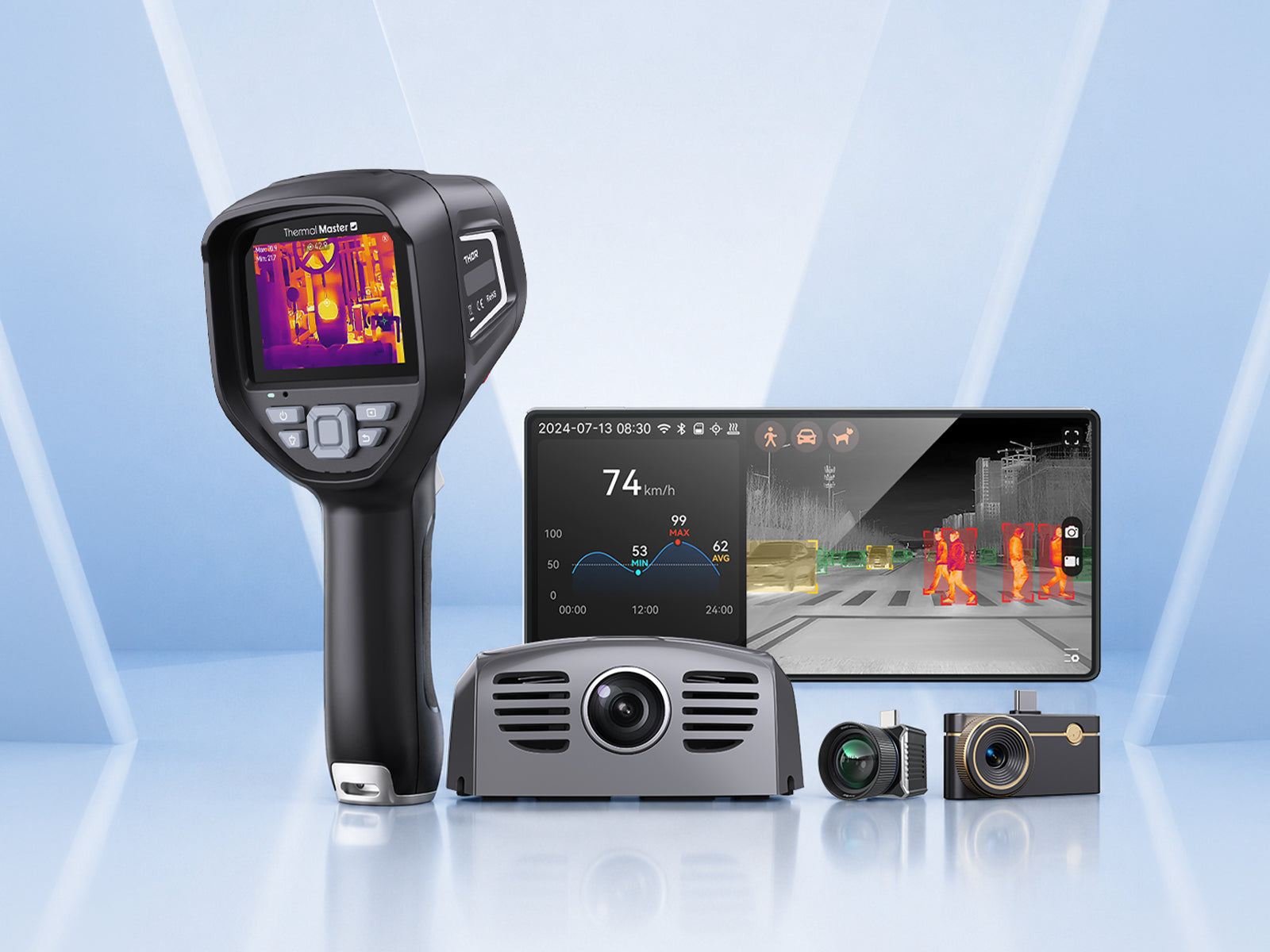
- Handheld Thermal Imagers: Handheld thermal cameras are standalone devices with built-in displays designed for portable on-site inspections. They are commonly used for industrial inspection, electrical troubleshooting, automotive diagnostics, and field maintenance.
-
Smartphone-Compatible Thermal Imagers: Smartphone thermal camera connect to smartphones through USB-C or Wi-Fi, turning mobile devices into portable thermal imaging tools. They are lightweight, compact, and ideal for quick inspections, easy recording, and mobile diagnostics on both Android and iPhone devices.
- Fixed or Wall-Mounted Thermal Imagers: Fixed thermal imagers are permanently installed for continuous thermal monitoring. They are commonly used in industrial facilities, security systems, equipment monitoring, and overheating detection applications.
Key Applications of Thermal Cameras
Thermal cameras are versatile tools used in many fields, including:
- Building Inspections: In construction, thermal cameras detect heat loss, moisture issues, and insulation problems in buildings, promoting energy efficiency and safety.
- Electrical Maintenance: Thermal imaging identifies overheating circuits or equipment that could lead to failures, allowing for proactive maintenance.
- Healthcare: Thermal cameras help in assist in identifying / screen for and detecting fevers, especially in crowded settings.
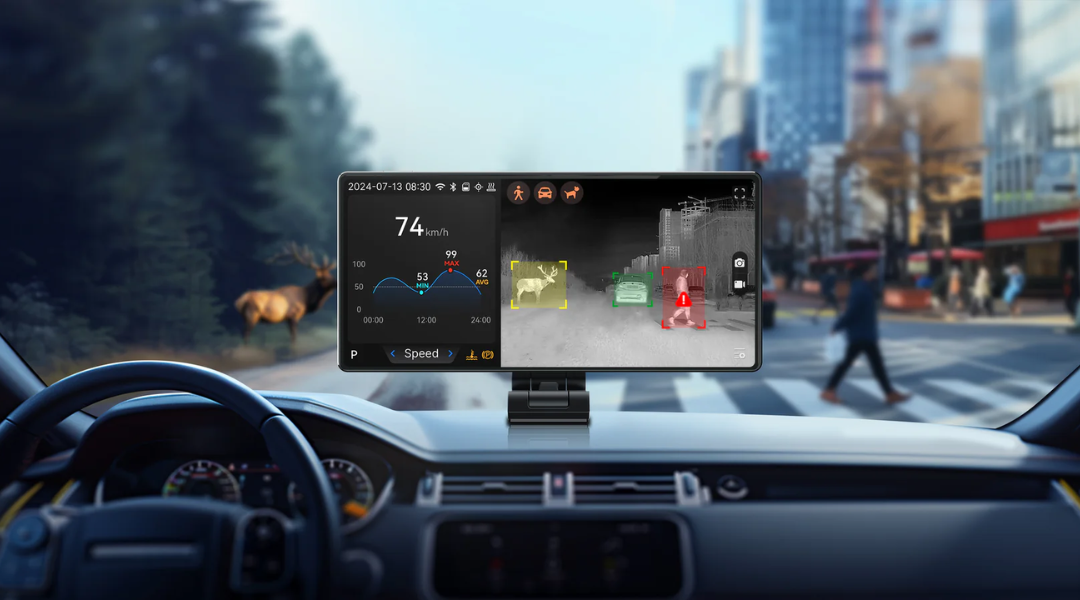
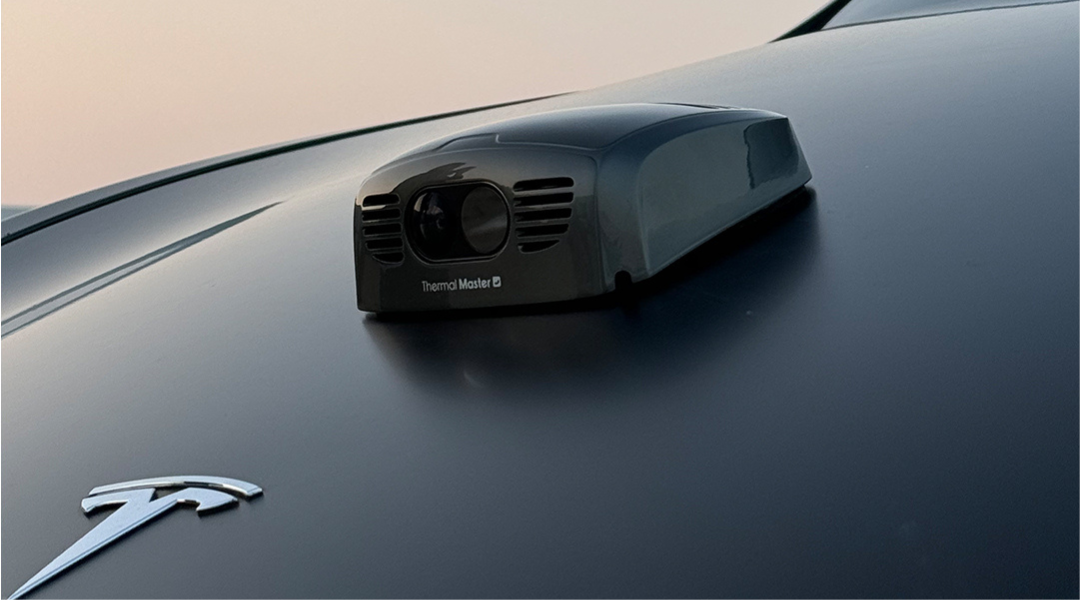
- Automotive and Transportation: Infrared imaging aids in detecting objects on the road in low-visibility conditions, enhancing vehicle safety.
- Environmental and Wildlife Studies: Researchers use thermal cameras to monitor wildlife at night or locate animals in dense vegetation.
- Firefighting: Thermal imaging assists firefighters in locating hotspots, trapped individuals, or pets during rescue operations.

How to Choose the Right Thermal Camera?
Selecting a thermal camera depends on your application needs and budget. Here are essential features to consider:
- Resolution: Resolution refers to the number of pixels in a thermal image. Higher resolution provides more detail, which is crucial for tasks requiring high precision. Typical resolutions range from 160x120 pixels to 640x480 pixels, with some models also featuring X³IR™ technology, which can further increase the number of pixels.
- Sensitivity (NETD): The sensitivity of a thermal imager is measured by the noise equivalent temperature difference (NETD). The lower the NETD value, the higher the sensitivity, and the smaller the temperature difference the camera can detect. For example, the Thermal Master Thor001 features < 35mK and X³IR™ imaging technology, enabling it to detect finer details.
- Temperature Range: Different applications require different temperature ranges. For example, industrial applications may need a higher temperature range compared to home inspection cameras.
- Field of View (FOV): The FOV determines how much area a camera can capture. A wide FOV is useful for scanning large areas, while a narrower FOV is better for focusing on specific objects.
- Frame Rate: The frame rate determines how quickly the thermal camera updates images. A higher frame rate is essential for capturing fast-moving objects.

Tips for Using a Thermal Camera Effectively
Getting the best results from a thermal camera requires practice. Here are some tips to help:
- Avoid Reflective Surfaces: Shiny or reflective surfaces can affect accuracy by creating false heat readings. Position the camera to avoid these surfaces whenever possible.
- Adjust Emissivity Settings: Different materials emit heat differently. Adjust the camera's emissivity setting to match the object you’re observing for accurate temperature readings.
- Monitor Environmental Conditions: Ambient temperature, humidity, and airflow can impact thermal imaging. Perform inspections in consistent conditions when possible.
- Analyze in Context: Thermal cameras detect temperature differences, but they don’t diagnose issues. Use thermal data alongside other inspection methods for a comprehensive understanding.

What’s Next: Future of Thermal Camera Technology
Advances in thermal imaging technology are making cameras smaller, more affordable, and more accessible. Emerging applications in consumer electronics, such as mobile phone thermal modules, promise to extend the benefits of thermal imaging to everyday users. In the medical field, higher-sensitivity thermal sensors are paving the way for more non-invasive diagnostic tools.
Thermal cameras offer a unique way to visualize heat, making them invaluable across various industries. By understanding how thermal cameras work, their types, and the key features to consider, beginners can make informed choices when using this technology. A smartphone thermal camera can be a good choice for beginners. As advancements continue, thermal imaging will likely expand into new areas, making it an increasingly valuable tool in everyday life.
FAQs
1. Can thermal cameras see through walls?
No. Thermal cameras cannot see through solid walls. They detect heat patterns on surfaces. However, temperature differences caused by insulation gaps, moisture, or electrical issues behind a wall can sometimes appear on the surface, making hidden problems easier to identify.
2. Do thermal cameras work in daylight?
Yes. Unlike night vision devices, thermal cameras do not rely on visible light. They detect infrared radiation (heat), so they work equally well in complete darkness or bright daylight.
3. Can thermal cameras detect water leaks?
Thermal cameras do not detect water directly, but they can reveal temperature differences caused by moisture behind walls or under floors. For best results, thermal imaging is often combined with a moisture meter to confirm findings.
4. What should beginners look for when buying a thermal camera?
Beginners should focus on thermal resolution, sensitivity (often listed as NETD), temperature range, and ease of use. A user-friendly interface and clear image processing are often more important than advanced professional features for first-time users.

Leave a comment
All comments are moderated before being published.
This site is protected by hCaptcha and the hCaptcha Privacy Policy and Terms of Service apply.