



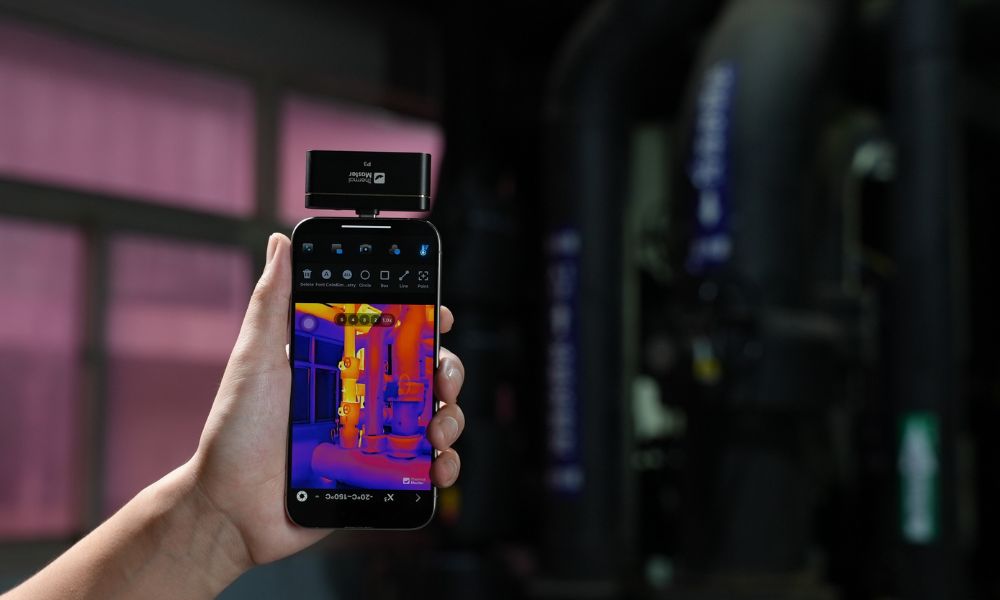
During emergency repairs, thermal imagers can help you more quickly pinpoint hidden pipe leaks. This minimizes unnecessary damage and enhances troubleshooting efficiency. Below, discover exactly how thermal imaging technology assists you in identifying pipe faults and accelerating the repair process.
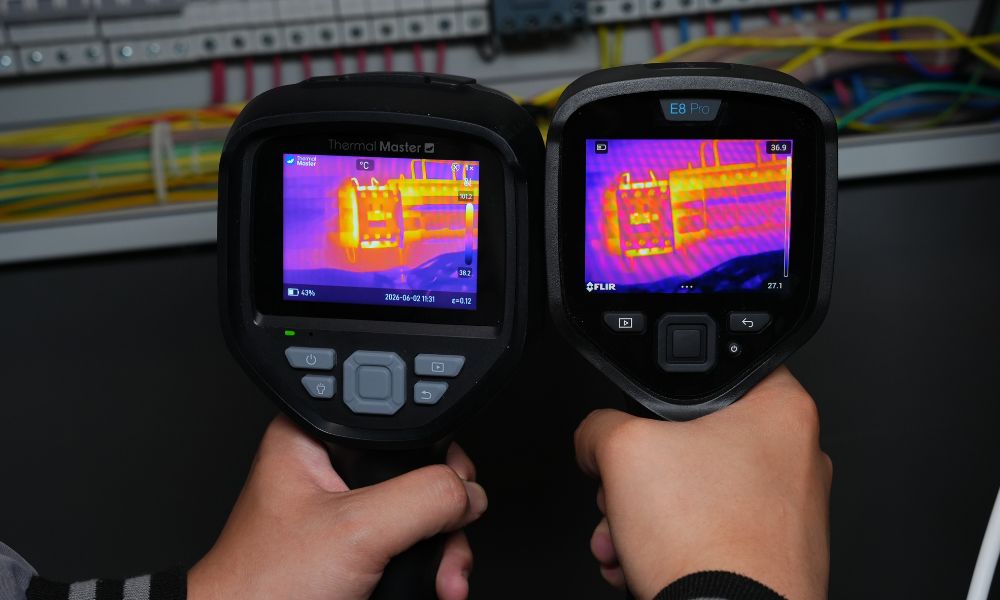
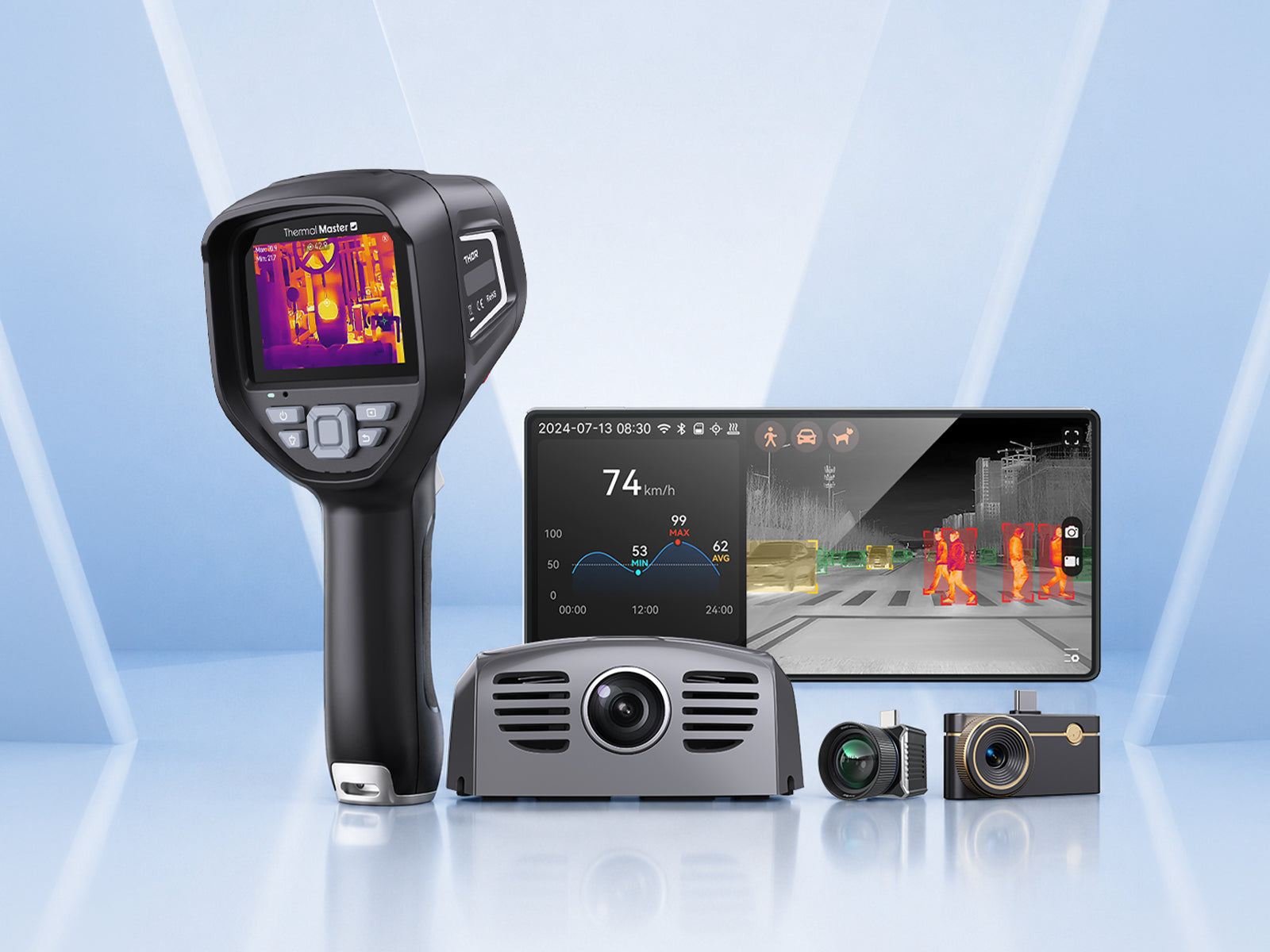
You will also learn more about the two thermal imagers offered by Thermal Master—devices specifically designed for leak detection, pipe inspections, and home maintenance.
Why Is a Thermal Camera Useful for Emergency Plumbing Repairs?
Thermal cameras enable you to quickly pinpoint concealed pipe leaks without the need to dismantle walls, ceilings, or floors. By revealing temperature differentials caused by water leakage, they make it significantly easier to locate problem areas, thereby minimizing unnecessary property damage. Particularly during emergency plumbing repairs, thermal imaging technology saves valuable time and helps you identify the root cause of the issue with greater efficiency.

How Do You Use a Thermal Camera During Emergency Plumbing Repairs?
Step 1: Scan the Suspected Leak Area
The most critical step is to scan the affected area as soon as possible after a problem is detected. Active water flow generates the strongest thermal contrast, making leak points easier to identify. Begin by scanning walls, ceilings, floors, cabinetry, and utility spaces located near visible signs of water damage. This allows you to capture crucial thermal imaging evidence before temperatures equalize and become undetectable.
Step 2: Compare Normal and Abnormal Temperature Patterns
Once the initial scan is complete, compare temperature differences across similar surfaces. In practice, cold water leaks manifest as cooler areas, while hot water leaks create warmer areas. By identifying these anomalous temperature patterns, you can effectively narrow down the scope of your investigation and pinpoint the exact location requiring repair.
Step 3: Trace Pipe Routes
Plumbing systems are often concealed beneath wall or floor finishes. Using a thermal imager, you can detect subtle temperature variations along the pipe's route, thereby visualizing its actual layout. This also enables you to accurately identify the precise location where a sudden temperature shift occurs.
Step 4: Verify the Leak Location
Once you have zeroed in on a suspicious area, perform additional scans from various angles and distances. This helps distinguish genuine pipe leaks from unrelated thermal anomalies caused by sunlight, household appliances, or HVAC systems. This allows you to avoid unnecessary demolition work and focus your efforts more precisely on the actual repairs needed.
Step 5: Confirm Repairs After Completion
After completing the leak repair work, scan the repaired area once again. The resulting thermal images should now display a more uniform temperature distribution compared to the initial scan. Before restoring the wall or floor finishes, you can use thermal imaging technology to visually verify the effectiveness of the repair work.

What Emergency Plumbing Problems Can a Thermal Camera Detect?
A thermal camera can assist with many common plumbing emergencies by identifying hidden temperature variations associated with water movement and moisture intrusion.
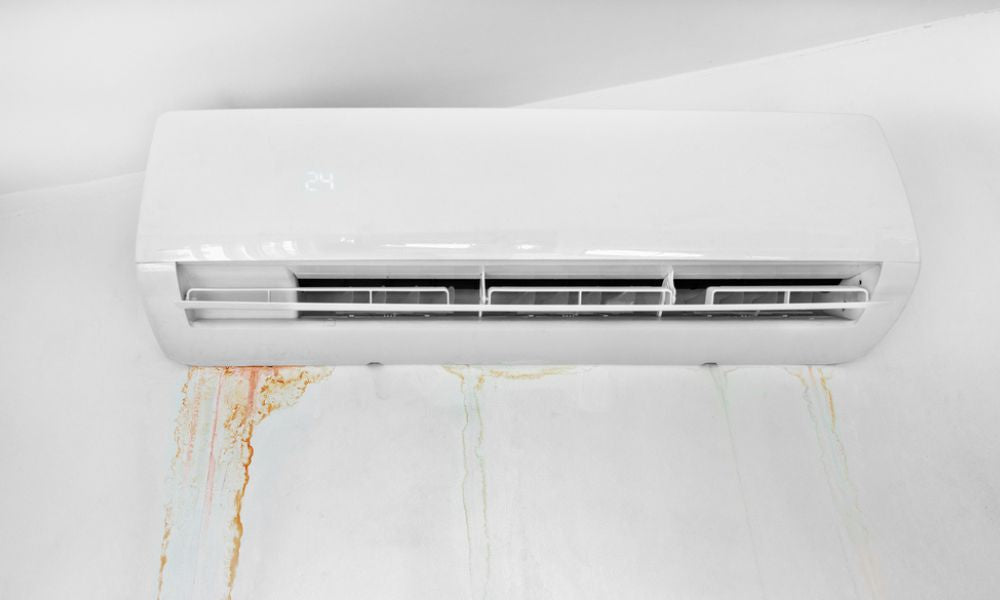
- Burst Pipes: A burst pipe generates a distinct thermal signature, as water rapidly infiltrates and spreads through surrounding building materials. This moisture alters the temperature of drywall, wood, insulation, and flooring, causing the affected areas to appear clearly visible in thermal images.
- Concealed Wall Leaks: Minor leaks hidden within walls may not cause immediately visible damage to the naked eye. However, thermal imaging can detect abnormal temperature distribution patterns—often before paint begins to blister, water stains appear, or mold begins to grow—enabling you to identify issues earlier and effectively prevent the escalation of structural damage.
- Slab Leaks: Locating leaks in pipes situated beneath a concrete floor slab is one of the most challenging tasks among all plumbing diagnostics. Thermal imaging technology assists in identifying temperature differentials on the floor surface, which serve as telltale signs of a malfunction in the underlying plumbing system.
- Underfloor Heating System Faults: Hydronic (water-based) underfloor heating systems are susceptible to issues such as pipe leaks, blockages, or poor circulation. Thermal imagers can visualize the heat distribution across the floor surface, making it significantly easier to pinpoint anomalous areas.
- Frozen Pipes: In cold weather conditions, thermal imaging technology can precisely pinpoint areas within a plumbing system where temperatures are abnormally low. This allows you to proactively identify potential freezing risks before the pipes rupture.

What Are the Limitations of Thermal Cameras for Plumbing Repairs?
Thermal cameras are highly efficient for leak detection; however, before using one to diagnose a piping system, it is essential to understand some of its inherent limitations.
- Thermal Cameras Cannot Directly "See" Water: Thermal cameras cannot directly detect water itself, nor can they see through walls. Instead, they function by identifying temperature differences on the surfaces of objects; these temperature anomalies can indicate the potential presence of hidden moisture or pipe leaks within.
- Not All Thermal Anomalies Indicate a Leak: Temperature variations can be caused by gaps in insulation, air leaks, solar radiation, HVAC airflow, or other environmental factors. Therefore, auxiliary tools—such as moisture meters or pressure testers—are required to confirm whether a pipe leak is actually present.
- Environmental Conditions Affect Detection Accuracy: If the temperature of the leaking water is very close to that of the surrounding materials, the thermal camera will struggle to capture distinct thermal signatures. Conversely, the greater the temperature difference, the clearer and more defined the resulting thermal image will be.
- Underground Leaks Are Difficult to Pinpoint: Although thermal imaging technology can identify certain issues within underground piping, precisely locating leaks that are buried deep beneath the ground typically requires the use of specialized leak detection equipment.
By understanding the limitations of thermal cameras, you can utilize them more effectively, thereby avoiding misdiagnoses of pipe failures during emergency repair operations.

Best Thermal Cameras for Emergency Plumbing Repairs
Thermal Master P3
The Thermal Master P3 is ideally suited for rapidly pinpointing concealed plumbing issues. It proves highly practical for detecting wall leaks, ceiling moisture, underfloor heating system malfunctions, and temperature anomalies within hidden piping. Featuring a 256×192 infrared detector, 512×384 X³ enhanced resolution, and a thermal sensitivity of <35mK, it enables you to detect the subtle temperature differences caused by even the tiniest leaks. This allows you to identify potential plumbing failures at an earlier stage, while simultaneously minimizing the need for wall or floor demolition during emergency repairs.
Key Features
- 512×384 X³ IR™ Resolution: Enhances thermal image detail, making the telltale signs of minute leaks easier to identify.
- <35mK NETD (Thermal Sensitivity): Detects the subtle temperature variations associated with concealed moisture or slow pipe leaks.
- 15x Digital Zoom: Allows for closer inspection of pipe routing, wall cavities, and inaccessible plumbing areas.
- Manual Focus Macro Lens: Improves image clarity when inspecting nearby pipes, valves, and fittings.
- Temperature Measurement Range up to 600°C (1112°F): Supports plumbing fault diagnostics and is also suitable for equipment maintenance inspections.
- Plumbing Inspection Support: Supports inspections for plumbing systems, HVAC, building structures, and equipment maintenance.

Thermal Master Thor001
The Thermal Master Thor001 is designed for the professional troubleshooting of large-scale or complex plumbing emergencies, making it an excellent tool for plumbers, home inspectors, and HVAC technicians. It is also applicable for use in commercial buildings, investigations into foundation leaks, diagnostics of radiant underfloor heating systems, and extensive moisture detection projects.
Boasting a temperature measurement accuracy of TruePix ±1.5°C, a thermal sensitivity of <35mK, and a 512×384 Super Infrared Resolution, it delivers highly detailed thermal analysis data for the most demanding inspection tasks. This enables you to pinpoint concealed leak sources faster and verify the quality of repairs with greater precision.
Key Features
- TruePix ±1.5°C Temperature Accuracy: Provides reliable temperature measurements for diagnosing piping and moisture-related issues.
- 512×384 IR™ Resolution: Generates sharper thermal images to identify leak locations and the extent of moisture spread.
- <35mK Thermal Sensitivity: Detects minute temperature variations associated with concealed moisture intrusion.
- 3.5-inch IPS Display: Offers a clear view for on-site analysis.
- 8-Hour Battery Life: Supports extended emergency inspection tasks without frequent recharging.
- 8 cm Macro Capability: Enables detailed inspection of valves, pipe joints, fittings, and other small piping components.

When Should You Use a Thermal Camera Instead of Traditional Leak Detection Methods?
Thermal imaging cameras allow you to quickly pinpoint concealed plumbing issues without the need to dismantle walls, ceilings, or floors. This enables you to identify suspicious areas before resorting to more invasive leak detection methods, thereby making the entire inspection process faster and more efficient.
Furthermore, traditional leak detection methods—such as visual inspections, pressure testing, and acoustic detection tools—can be utilized to verify findings within the specific problem areas that have already been identified. By employing a thermal imaging camera as your primary diagnostic tool, you can effectively minimize guesswork, ensure your inspection efforts are highly targeted, and ultimately accelerate the entire repair process.
Summary
Thermal imagers can enhance the efficiency of emergency pipe repairs by assisting you in locating hidden leaks, tracing pipe routes, identifying moisture intrusion, and verifying the integrity of completed repairs. While thermal imaging technology cannot directly penetrate walls or detect water itself, it reveals temperature differentials associated with pipe malfunctions.
By minimizing guesswork and the need for invasive demolition, thermal imagers save time, reduce repair costs, and minimize property damage when responding to plumbing emergencies.

FAQ
Can a thermal camera detect water leaks behind walls?
The answer is yes in many situations, because leaking water often changes the temperature of surrounding materials, so you can identify suspicious areas without opening large sections of the wall.
Can a thermal camera find underground plumbing leaks?
The answer is sometimes, because thermal imaging may reveal temperature differences near the surface under favorable conditions, so you can use it as part of a broader leak detection strategy.
Is a thermal camera better than a moisture meter?
The answer is not necessarily, because each tool serves a different purpose, so you can use thermal imaging to locate suspicious areas and a moisture meter to confirm moisture presence.
Can homeowners use a thermal camera for plumbing emergencies?
The answer is yes, because modern thermal cameras are easy to operate and provide immediate visual feedback, so you can quickly investigate potential leaks before calling a professional plumber.
Does thermal imaging damage walls or pipes?
The answer is no, because thermal imaging is completely non-contact and non-destructive, so you can inspect plumbing systems safely without causing additional property damage.
Related Reading:
How Can You Turn Your Smartphone into a Thermal Camera?
Can a Thermal Imaging Camera for Water Leak Detection Really Find Leaks?
How to Use a Plumbing Thermal Imaging Camera for Plumbing Inspections?

Leave a comment
All comments are moderated before being published.
This site is protected by hCaptcha and the hCaptcha Privacy Policy and Terms of Service apply.