


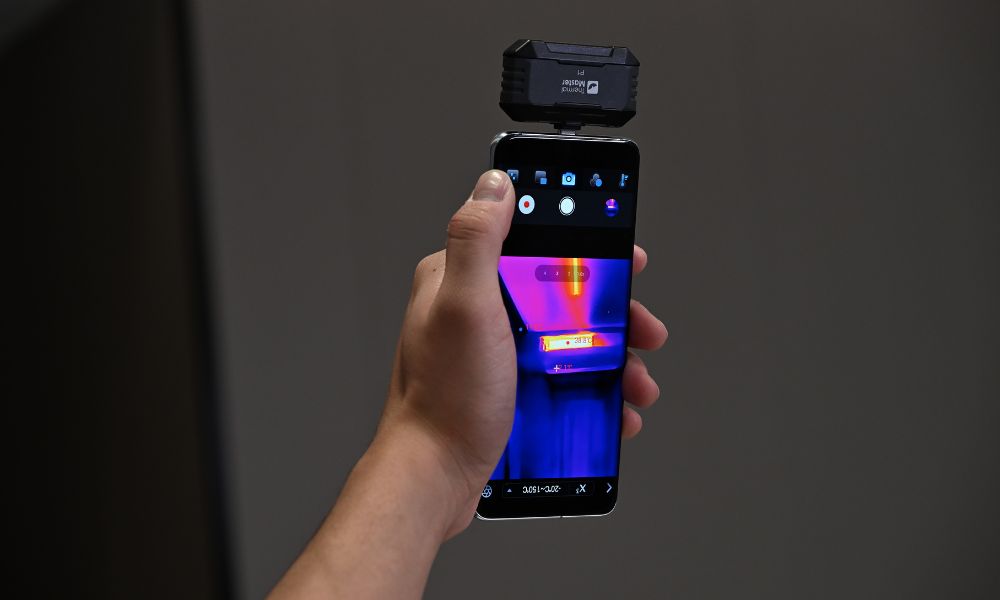
You can repair a heating system more accurately by using a thermal camera to detect hidden temperature abnormalities and airflow problems. A thermal imaging camera helps you identify overheating components, blocked ducts, insulation failures, and uneven heat distribution before major system damage occurs.
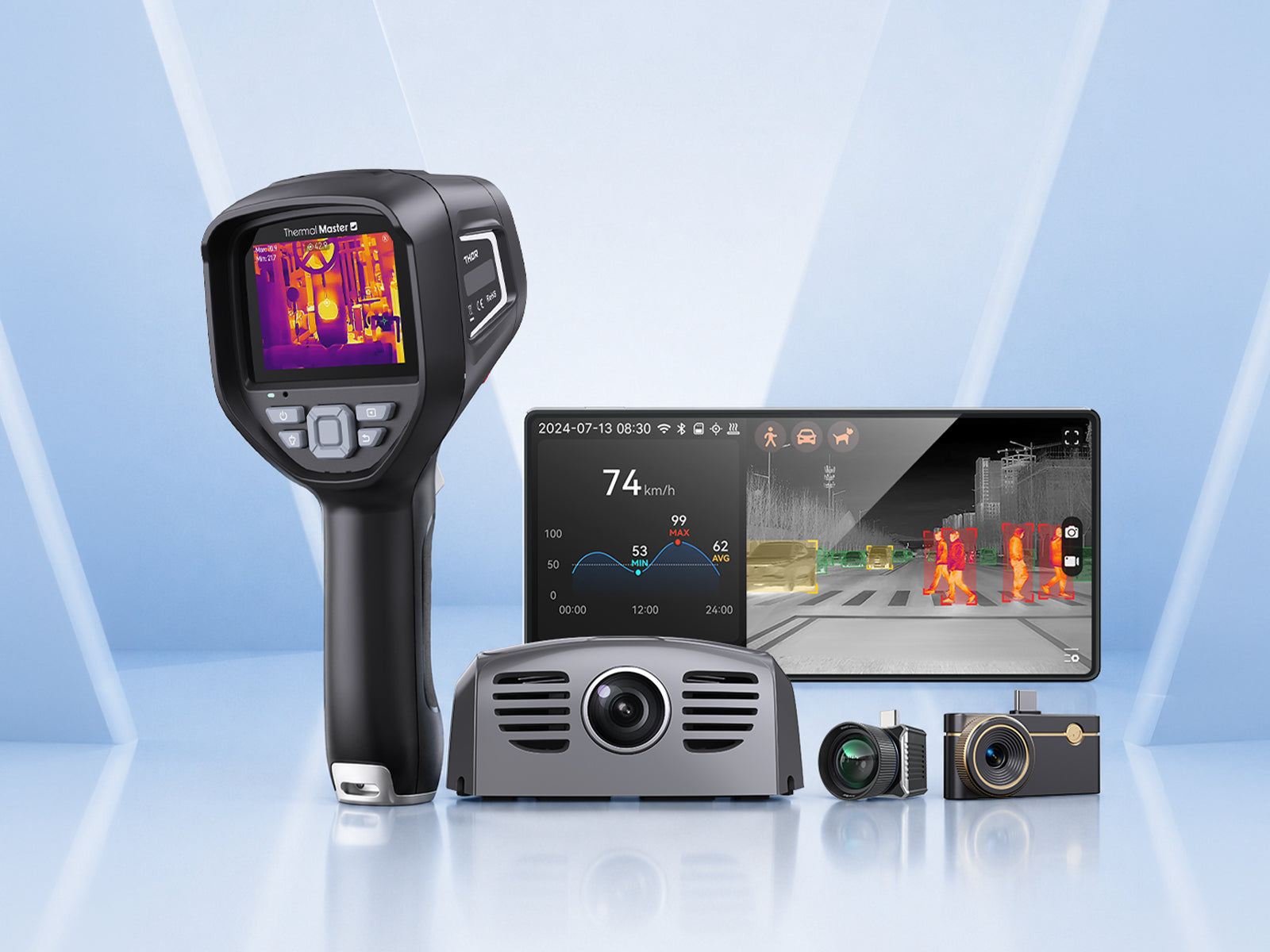
To address this need, Thermal Master offers thermal cameras and handheld thermal imaging devices designed for HVAC diagnostics and heating inspections. Understanding how thermal imaging works during heating system repair can help you troubleshoot problems faster while reducing unnecessary disassembly.
Why Is a Thermal Camera Useful for Heating System Repair?
Thermal imagers enable you to quickly identify hard-to-detect heating system faults through non-contact inspection. Without the need to dismantle walls or disassemble equipment, you can uncover issues such as airflow obstructions, overheating electrical components, duct leaks, gaps in insulation, and uneven heat distribution. This allows you to troubleshoot HVAC faults more efficiently, enhance the precision of repairs, and detect—as well as resolve—potential system issues at an early stage.

How Do You Repair a Heating System with a Thermal Camera?
Step 1: Scan the System While It Is Running
First, perform a thermal scan of the heating system while it is operating under normal conditions. At this stage, the active airflow and heat generation processes create more pronounced temperature differentials, resulting in more accurate thermal analysis results. Allow the system to run stably for a few minutes, then use a thermal imager to inspect the vents, ductwork, radiators, piping, blower motor, and electrical control panel.
Step 2: Identify Abnormal Heat Distribution Patterns
Compare the heat distribution across different rooms and heating components; this reveals abnormal temperature variations. For instance, uneven heating may indicate obstructed airflow, compromised insulation, or a malfunction within the system's internal electrical components. With a thermal imager, you can quickly pinpoint "hot spots" (overheated areas) and "cold zones" (areas with abnormally low temperatures) without having to dismantle major components of the HVAC system.
Step 3: Inspect Vents and Ductwork
Carefully inspect the vents and ductwork to identify potential airflow obstructions or areas of heat loss. Under normal heating conditions, the heat output across various rooms and ventilation channels should remain relatively uniform. If you detect vents with abnormally low temperatures or irregularities in ductwork temperatures, it suggests issues such as airflow blockages, duct leaks, or damaged insulation—all of which compromise overall heating efficiency.
Step 4: Inspect Electrical Components
Use the thermal imager to inspect relays, wiring, motors, capacitors, and control circuit boards, checking each component individually for signs of overheating. Faulty electrical components generate excessive heat; therefore, thermal imaging technology is invaluable for providing early warning of potential failures. By performing this step, you can resolve electrical faults within the furnace or HVAC system before they lead to system downtime or create safety hazards.
Step 5: Verify the Effectiveness of Repairs
Once repairs to the heating system are complete, perform a second thermal scan to confirm that temperatures across all components have returned to normal levels. Compare the thermal images taken before and after the repairs to verify that airflow has improved, heating distribution is balanced, and the temperatures of electrical components have stabilized. This ensures the quality of the repair work, eliminating the need to wait for a future system breakdown to validate the effectiveness of the maintenance performed.

What Heating System Problems Can a Thermal Camera Detect?
A thermal imaging camera can detect multiple heating system issues that are difficult to locate using standard inspection tools. In simple terms, thermal analysis reveals temperature inconsistencies that usually indicate hidden mechanical, electrical, or airflow-related problems.
- Blocked HVAC Ducts: Restricted airflow creates colder thermal zones inside ducts and vents, reducing overall heating efficiency.
- Heat Loss Through Walls: Poor insulation or structural gaps allow heat to escape, which appears as abnormal cold areas during thermal scanning.
- Overheated Furnace Components: Blower motors, relays, and heating elements may generate excessive heat before mechanical failure occurs.
- Radiator Circulation Problems: Uneven radiator temperatures often indicate trapped air, clogged pipes, or water circulation restrictions.
- Electrical Connection Failures: Loose terminals and overloaded wiring create localized hotspots that thermal cameras can quickly identify.
- Leaking Heating Pipes: Hidden hot water leaks behind walls or floors usually create irregular thermal patterns around surrounding materials.
- Uneven Room Heating: Thermal imaging helps compare airflow and heat distribution across multiple rooms to locate system imbalance.
In practice, these problems often remain unnoticed until energy bills increase or heating performance drops significantly. A thermal imaging camera helps you detect them much earlier while reducing unnecessary repair work.

What Should You Avoid When Using a Thermal Camera on Heating Systems?
Using a thermal camera correctly helps you avoid inaccurate readings and improve heating system diagnostics.
- Scanning too early: Components may not reach stable temperatures immediately after startup, which can affect thermal accuracy.
- Ignoring reflective surfaces: Metal ducts and shiny pipes can reflect heat and create misleading thermal images.
- Relying only on thermal imaging: A thermal camera shows heat patterns but cannot directly measure airflow or refrigerant performance.
- Inspecting in unstable conditions: Sunlight, open windows, or nearby heat sources can affect thermal readings during inspection.
- Missing small temperature differences: Minor hotspots or cold spots may indicate early heating system problems that should not be ignored.

Which Thermal Cameras Work Best for Heating System Repair?
Thermal Master P2 Pro
The Thermal Master P2 Pro is an excellent choice for heating system maintenance, seamlessly combining portable thermal imaging technology with HVAC diagnostic capabilities. Using only your smartphone, you can quickly inspect heating vents, radiators, air ducts, gaps in insulation, and overheating electrical components. Equipped with a 256×192 infrared resolution and a thermal sensitivity of < 40 mK, it enables more precise identification of subtle airflow issues and hidden heat loss during home heating system inspections.
Key Features:
- 256×192 IR Resolution: Captures detailed thermal patterns for heating vents, ducts, and radiator inspections
- ≤40mK NETD Sensitivity: Detects small temperature differences during HVAC airflow and insulation analysis
- 15× Digital Zoom: Helps inspect ceiling vents, pipes, and electrical panels from safer distances
- 0.33W Low Power Consumption: Supports longer inspection sessions without draining your phone quickly
- ±2°C Temperature Accuracy: Improves thermal comparison when diagnosing heating abnormalities
- Point/Line/Plane Analysis: Allows more detailed HVAC thermal analysis directly inside the mobile app

Thermal Master Thor001
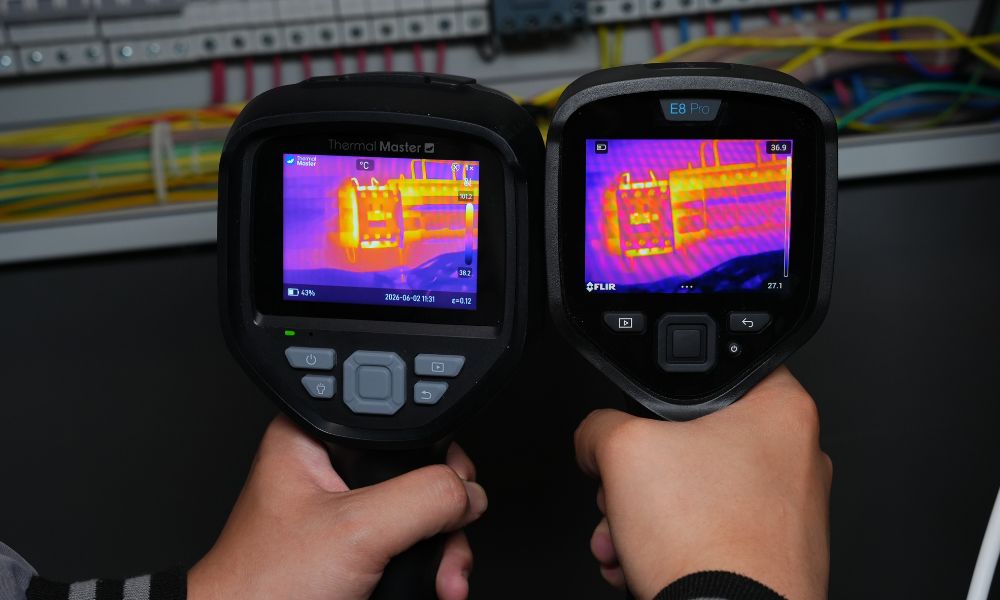
The Thermal Master Thor001 is ideally suited for professional heating system diagnostics, large-scale HVAC inspections, and extended maintenance operations. It features a 256×192 infrared detector, with its resolution enhanced to 512×384 via Super IR technology. Furthermore, its thermal sensitivity of less than 35 mK significantly improves its ability to detect subtle anomalies in the internal thermal distribution of heating systems. This enables you to more efficiently identify issues—such as overheating motors, electrical hotspots, insulation faults, and concealed airflow obstructions—while performing HVAC maintenance tasks.
Key Features:
- 512×384 Super IR Resolution: Produces clearer thermal detail during heating system and HVAC inspections
- <35mK Thermal Sensitivity: Helps detect small airflow and insulation temperature differences more accurately
- ±1.5°C Accuracy: Improves reliability when diagnosing overheating electrical or furnace components
- 3.5-inch IPS Display: Makes long heating inspections easier and more comfortable to analyze
- 8-Hour Battery Runtime: Supports extended HVAC maintenance and building inspections
- 2×/4× Digital Zoom: Allows safer inspection of high-temperature heating equipment and electrical systems

Is Thermal Imaging Better Than a Traditional Heating System Inspection?
Compared to traditional heating system inspection methods, thermal imaging technology is faster and more efficient, capable of instantly detecting latent thermal anomalies across large areas. It not only minimizes the need for disassembly but also enhances the ability to identify airflow irregularities, component overheating, insulation gaps, and electrical faults. This enables earlier diagnosis of HVAC system malfunctions, thereby improving inspection safety and facilitating preventive maintenance.
Summary
You can repair a heating system more effectively with a thermal camera because thermal imaging quickly reveals hidden heat loss, airflow problems, overheating components, and electrical abnormalities. A thermal imaging camera helps you diagnose heating issues faster while reducing unnecessary disassembly and repair costs. Smartphone thermal cameras such as the Thermal Master P2 Pro work well for portable HVAC inspections, while handheld models like the Thor002 provide stronger performance for large heating systems and commercial environments. Whether you are troubleshooting uneven room heating, duct leakage, or furnace electrical problems, thermal imaging can significantly improve repair accuracy and maintenance efficiency.

FAQ
Can a thermal camera detect heating system leaks?
The answer is yes, because leaking heating pipes and duct systems usually create abnormal thermal patterns around surrounding surfaces, so you can identify hidden leaks behind walls, ceilings, or floors more efficiently.
Can you use a smartphone thermal camera for HVAC repair?
The answer is yes, because modern smartphone thermal cameras now provide high infrared resolution and strong thermal sensitivity, so you can perform HVAC diagnostics, airflow inspections, and heating system troubleshooting directly from your phone.
Is a thermal imaging camera safe for furnace inspections?
The answer is yes, because thermal imaging allows you to inspect heating components without touching overheated electrical systems directly, so you can improve inspection safety while diagnosing furnace problems.
What is the biggest advantage of thermal imaging during heating repair?
The answer is faster fault detection, because a thermal camera visualizes temperature abnormalities instantly across large areas, so you can reduce troubleshooting time and avoid unnecessary component replacement.
Related Reading:
How to Use a Thermal Camera to Check Insulation?
How to Use a Thermal Camera for Home Inspection?
How to Use a Plumbing Thermal Imaging Camera for Plumbing Inspections?

Leave a comment
All comments are moderated before being published.
This site is protected by hCaptcha and the hCaptcha Privacy Policy and Terms of Service apply.