



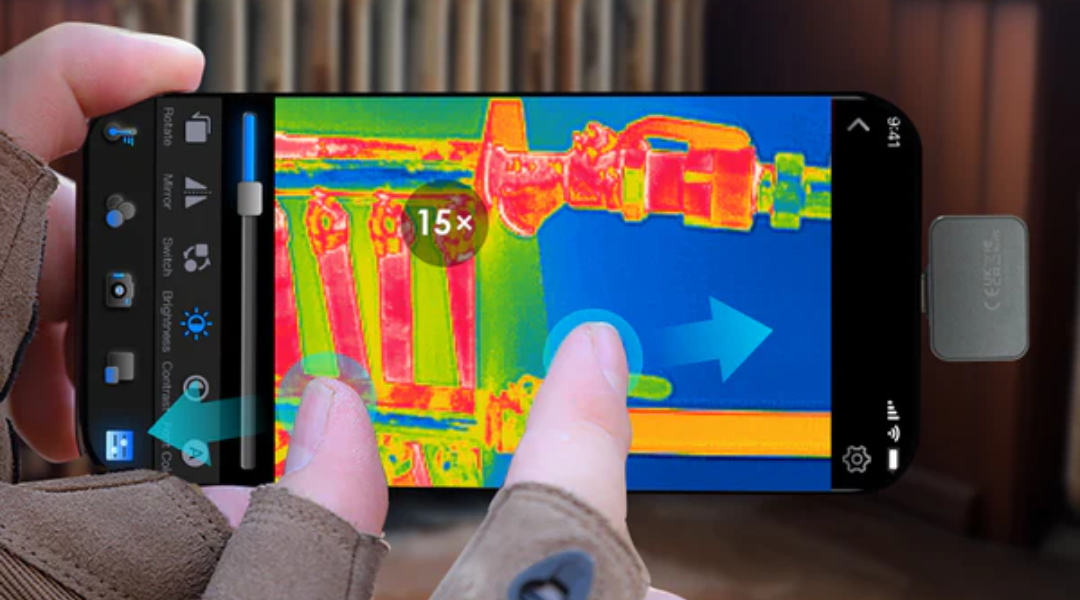
Ever wondered how those high-tech thermal cameras work on smartphones? It's not just a cool feature for night adventures; it's a window into the invisible world of heat. Thermal imaging has become increasingly accessible over the years and is now available in compact devices that fit in your pocket.
In this article, we'll explore the science behind thermal imaging and how it's integrated into smartphones.
Science Behind Thermal Imaging
Thermal imaging, also known as thermography, is a technique that detects and measures heat radiated by objects. It operates based on the principle that everything with a temperature above absolute zero emits thermal radiation. This radiation is invisible to the naked eye but falls within the infrared range of the electromagnetic spectrum.
LWIR (Long-Wave Infrared) refers to the infrared wavelength range of 8–14 μm commonly used in thermal imaging cameras.which is where thermal cameras come into play. They capture this infrared radiation and convert it into detailed images. The amount of thermal radiation an object emits is referred to as its heat signature. The hotter an object is, the more thermal radiation it emits.

Components of Thermal Imaging Cameras
A typical thermal imaging camera consists of several key components:
- Detectors:These are the sensors that detect the infrared radiation. The type and properties of these detectors determine the camera's sensitivity and resolution.
- Optics: Lenses focus the infrared radiation onto the detectors. The quality of the optics affects the clarity of the thermal images.
- Processing Units: These units process the detected radiation and convert it into visible light images that can be analyzed and interpreted.
Applications of Thermal Imaging in Smartphones
Smartphones with thermal cameras open up a world of possibilities:
- Outdoors and Adventure: They can help find missing people or animals in the dark by detecting their heat signatures.
- Industrial Use: They can detect heat leakages in industrial areas, which is crucial for maintenance and safety.
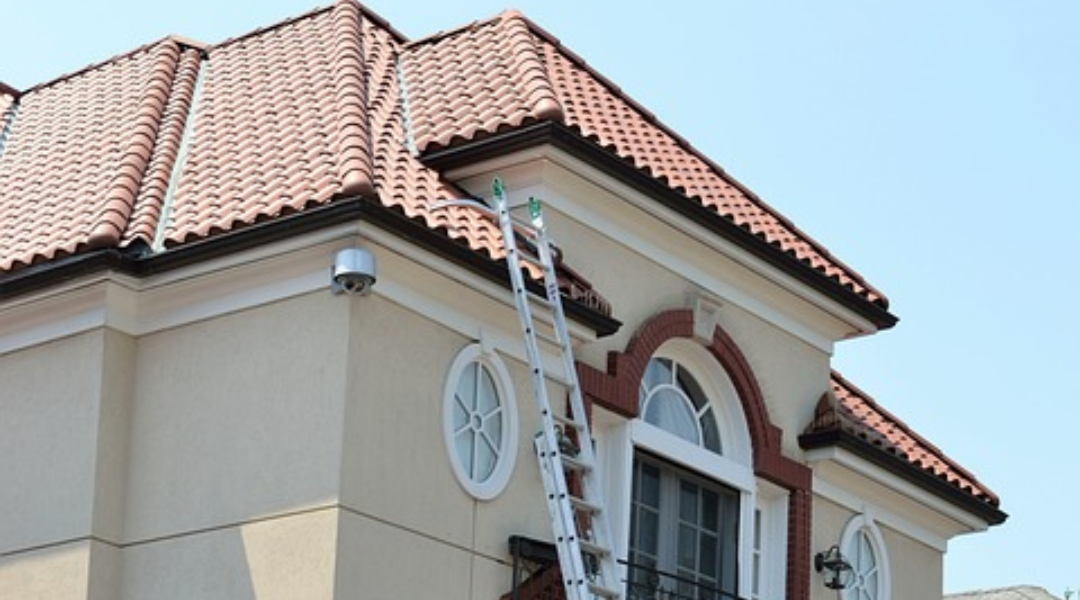
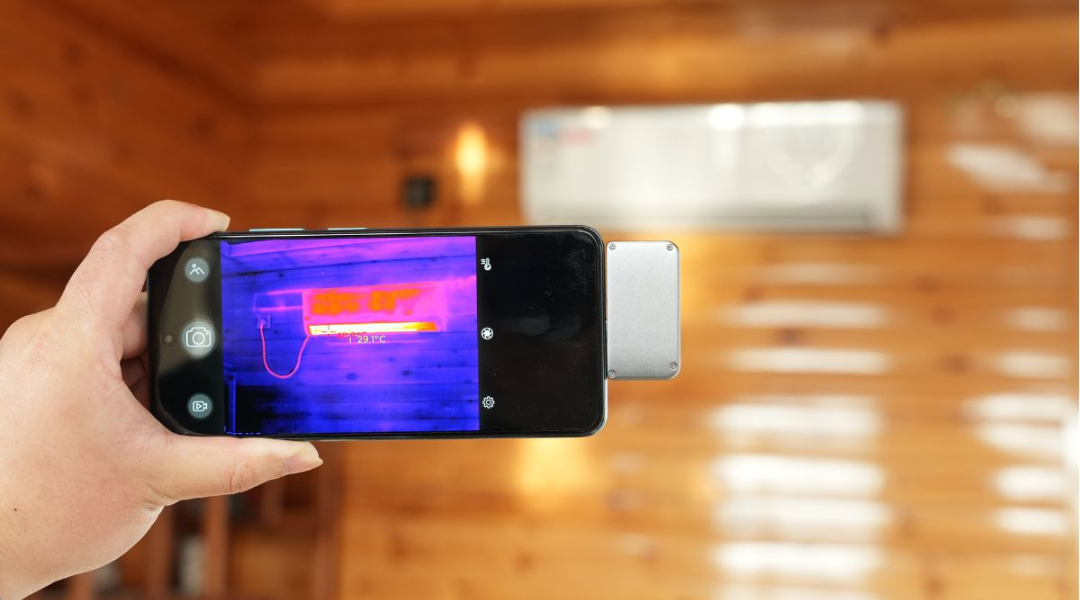
- Everyday Use: They can reveal hidden issues in your home, such as insulation problems or electrical faults.

Limitations of Thermal Imaging Cameras
While thermal cameras are powerful, they do have limitations. For instance, they cannot create thermal images of objects located behind certain materials, such as glass surfaces. Additionally, thermal cameras generally consume more power than simple PIR motion sensors because they continuously capture, process, and display thermal image data, which can be a limitation for battery-powered devices.
Advances in Thermal Imaging Technology
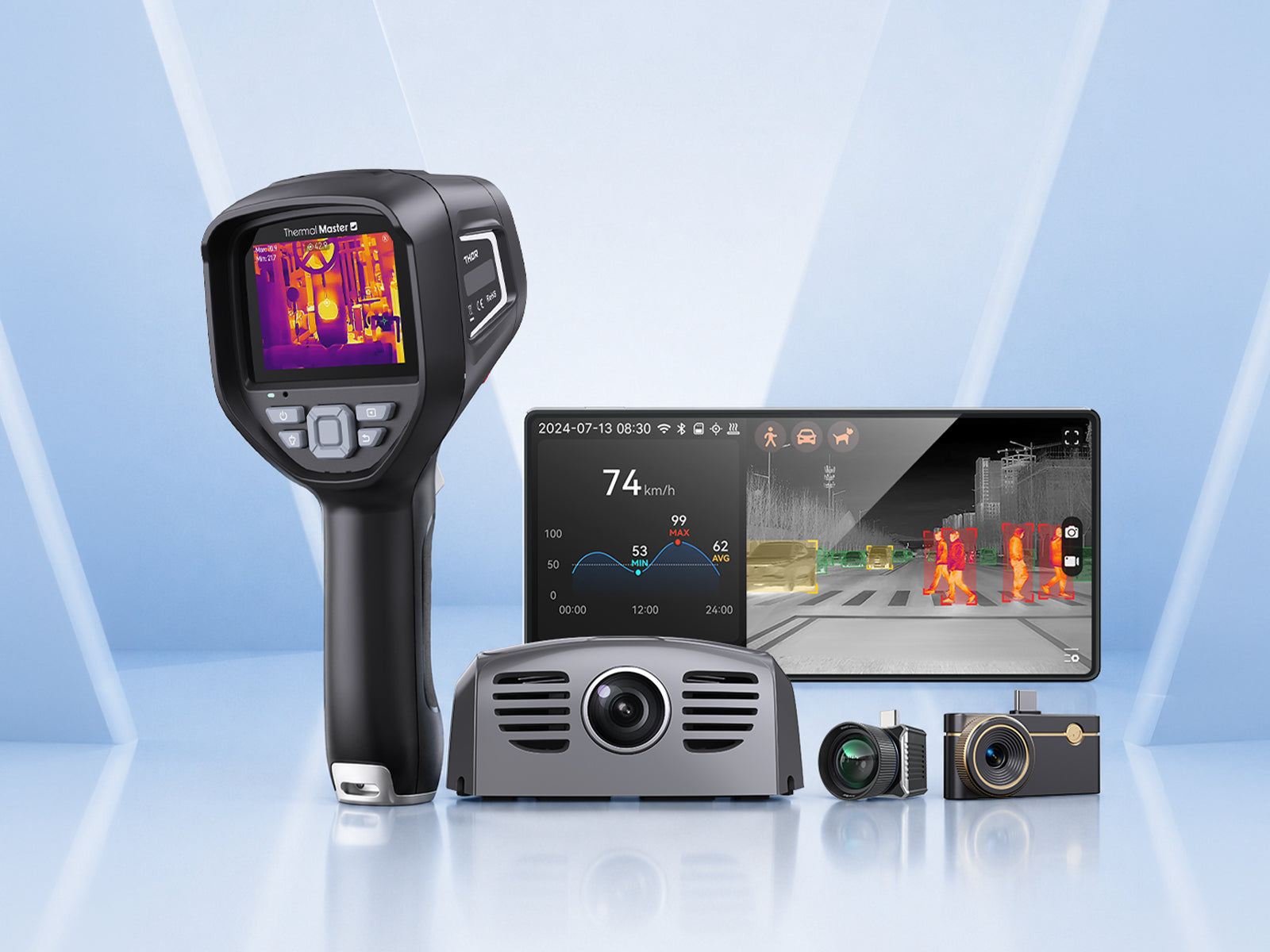
The integration of thermal imaging technology into smartphones demonstrates how far this technology has progressed. Companies such as FLIR, Seek Thermal, and Thermal Master have developed compact thermal sensors that can be integrated into smartphones; for example, the Thermal Master P3 allows users to capture thermal images anytime, anywhere.
Ongoing improvements in sensor technology and image processing continue to enhance thermal imaging performance, enabling clearer thermal images and more accurate temperature analysis across a wide range of applications.
Thermal imaging technology has evolved from specialized professional equipment into a practical tool for everyday users. As thermal cameras become more compact, affordable, and capable, they are expected to play an increasingly important role in inspection, maintenance, outdoor observation, and home diagnostics.

Leave a comment
All comments are moderated before being published.
This site is protected by hCaptcha and the hCaptcha Privacy Policy and Terms of Service apply.