



Thermal cameras have revolutionized the way we observe wildlife, offering a non-invasive method to study animals in their natural habitat. This technology allows us to peer into the darkness and observe animals without disturbing them, making it an invaluable tool for wildlife enthusiasts, researchers, and conservationists alike.
A reliable thermal imaging camera can help users detect heat signatures in low-light or completely dark environments. In this article, we'll explore how to effectively use thermal cameras for covert animal observation, ensuring you get the most out of your wildlife encounters.
What Are Thermal Cameras for Animal Observation?
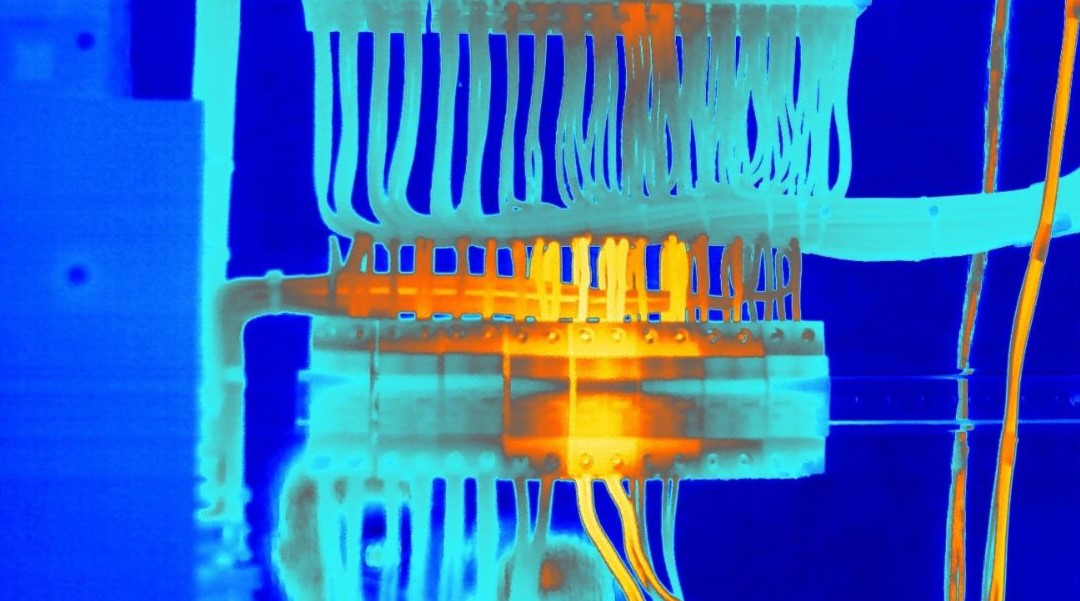
Thermal cameras work by detecting the heat emitted by living creatures, which allows them to create an image based on temperature differences rather than light. This means thermal cameras can operate effectively in complete darkness, providing a clear view of animals even at night.
For outdoor wildlife monitoring, a thermal scope can also help observers detect heat signatures from a distance without using visible light.

What Features Should a Thermal Camera Have?
When choosing a thermal camera for covert observation, consider the following features:
- Resolution and Sensitivity: High resolution and sensitivity will provide clearer and sharper images.
- Field of View and Zoom: A wide field of view and high zoom capabilities allow you to observe animals from a greater distance.
- Weather Resistance: Ensure your camera can withstand various weather conditions.
- Stealth Features: Look for models with light leak prevention modes, like the Ninja Mode found in ThermalMaster products, to avoid startling animals.
For users who need a portable device for field observation, a handheld thermal monocular can be practical for quiet wildlife viewing and long-distance outdoor observation.

How Do You Set Up a Thermal Camera?
To set up your thermal camera for covert observation:
- Choose the Right Location: Position your camera in a spot that offers a clear view of the area where animals are likely to be.
- Calibrate the Camera: Adjust the settings to optimize image quality for the specific environment.
- Use Camouflage: Hide the camera and its support structure with natural materials to blend into the surroundings.
If you plan to observe birds or smaller wildlife, thermal imaging for bird observation can help you understand how heat signatures appear in different outdoor conditions.

What Are Best Practices for Covert Observation?
- Minimize Human Presence: Stay away from the camera's field of view to avoid deterring animals.
- Use Blinds or Camouflage: Further reduce your visibility with natural blinds or camouflage clothing.
- Learn Animal Behavior: Understanding when and where animals are most active can help you predict their movements and capture more sightings.
For night observation, night wildlife viewing can help you better understand how to monitor activity in dark environments without relying on bright visible light.
How Do You Analyze Thermal Camera Footage?
Interpreting thermal images requires practice, but here are some tips:
- Identify Heat Signatures: Learn to distinguish between the heat signatures of different animals.
- Use Analysis Tools: Employ software that can enhance thermal images for better clarity and analysis.
For wooded or dense outdoor areas, forest wildlife observation gear can also help users think through visibility, distance, and field monitoring challenges.

What Ethics Apply to Thermal Animal Observation?
Always respect the privacy and well-being of animals. Ensure your observation methods are ethical and comply with local laws and regulations.
What Is the Future of Thermal Animal Observation?
As technology advances, thermal cameras are becoming more sophisticated with features like AI and machine learning. These advancements can greatly enhance the accuracy and effectiveness of wildlife observation.
Thermal cameras open up a whole new world of wildlife observation, allowing us to study animals in a way that is both respectful and revealing. By understanding how to use these devices effectively, you can contribute to our knowledge of wildlife and enjoy the thrill of observing animals in their natural state.


Leave a comment
All comments are moderated before being published.
This site is protected by hCaptcha and the hCaptcha Privacy Policy and Terms of Service apply.