



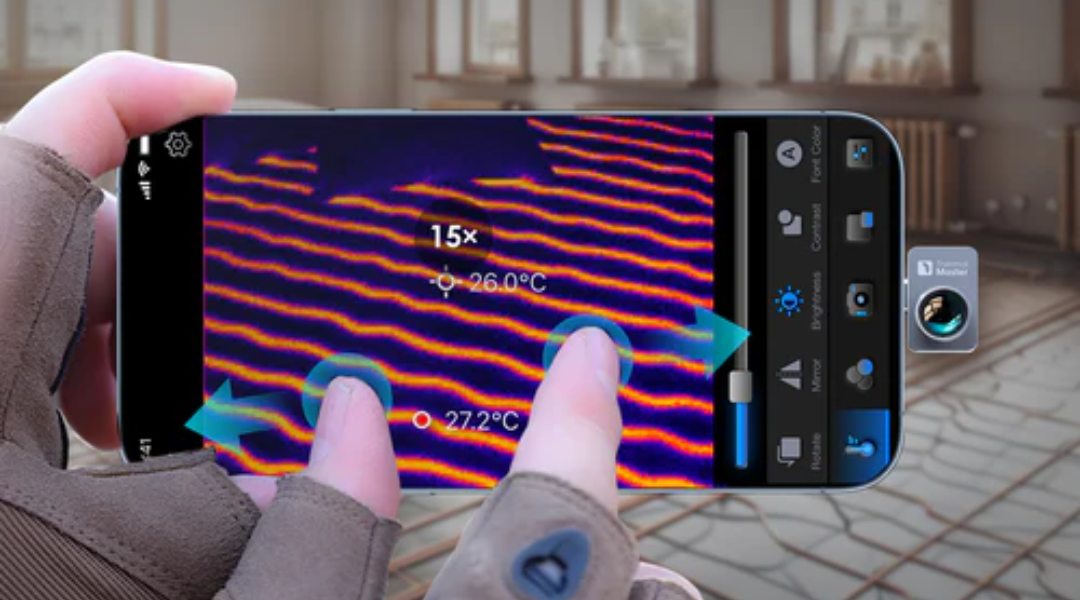
As the temperatures drop and the heating bills rise, many homeowners are looking for ways to keep their homes warm and their energy costs down. One effective method to achieve this is by identifying and addressing heat loss in your home. But how can you detect where the heat is escaping? Enter the thermal camera, a handy tool that can help you visualize and understand the thermal efficiency of your home.
In this blog post, we'll explore why thermal cameras are so valuable in identifying heat loss and how they can help you save on energy bills.
The Science Behind Thermal Cameras
Thermal cameras, also known as infrared cameras, work by detecting the infrared radiation emitted by objects. This radiation is a form of heat energy that all objects emit, and it's invisible to the naked eye. By translating this infrared radiation into visible images, thermal cameras allow us to see temperature differences that might otherwise go unnoticed. This is particularly useful for identifying areas of heat loss in your home, as these areas will appear as colder spots on the thermal image.

Identifying Heat Loss with a Thermal Camera
One of the primary benefits of using a thermal camera is its ability to pinpoint areas where heat is escaping from your home. This can include gaps around windows and doors, cracks in walls, and poorly insulated attics or crawl spaces. By identifying these areas, you can take targeted steps to improve your home's insulation and reduce heat loss.
Energy Efficiency and Cost Savings
Improving the energy efficiency of your home not only helps the environment but also your wallet. By reducing heat loss, you can lower your energy consumption and, consequently, your energy bills. A thermal imaging camera can help you identify the areas that need the most attention, allowing you to prioritize your home improvement projects and make the most of your investment.
Health and Comfort
In addition to saving money, identifying and addressing heat loss can also improve the comfort of your home. Cold spots and drafts can make indoor spaces feel uneven and unpleasant. By using a thermal camera to detect and fix these problem areas, you can create a warmer, more comfortable, and energy-efficient living environment.

How to Use a Thermal Camera?
Using a thermal camera is relatively straightforward. Simply scan the areas of your home that you suspect might be losing heat. The camera will produce an image that shows the temperature variations, with colder areas appearing in different colors, often blue or purple. Once you've identified the problem areas, you can take steps to insulate or seal them.
Types of Thermal Cameras
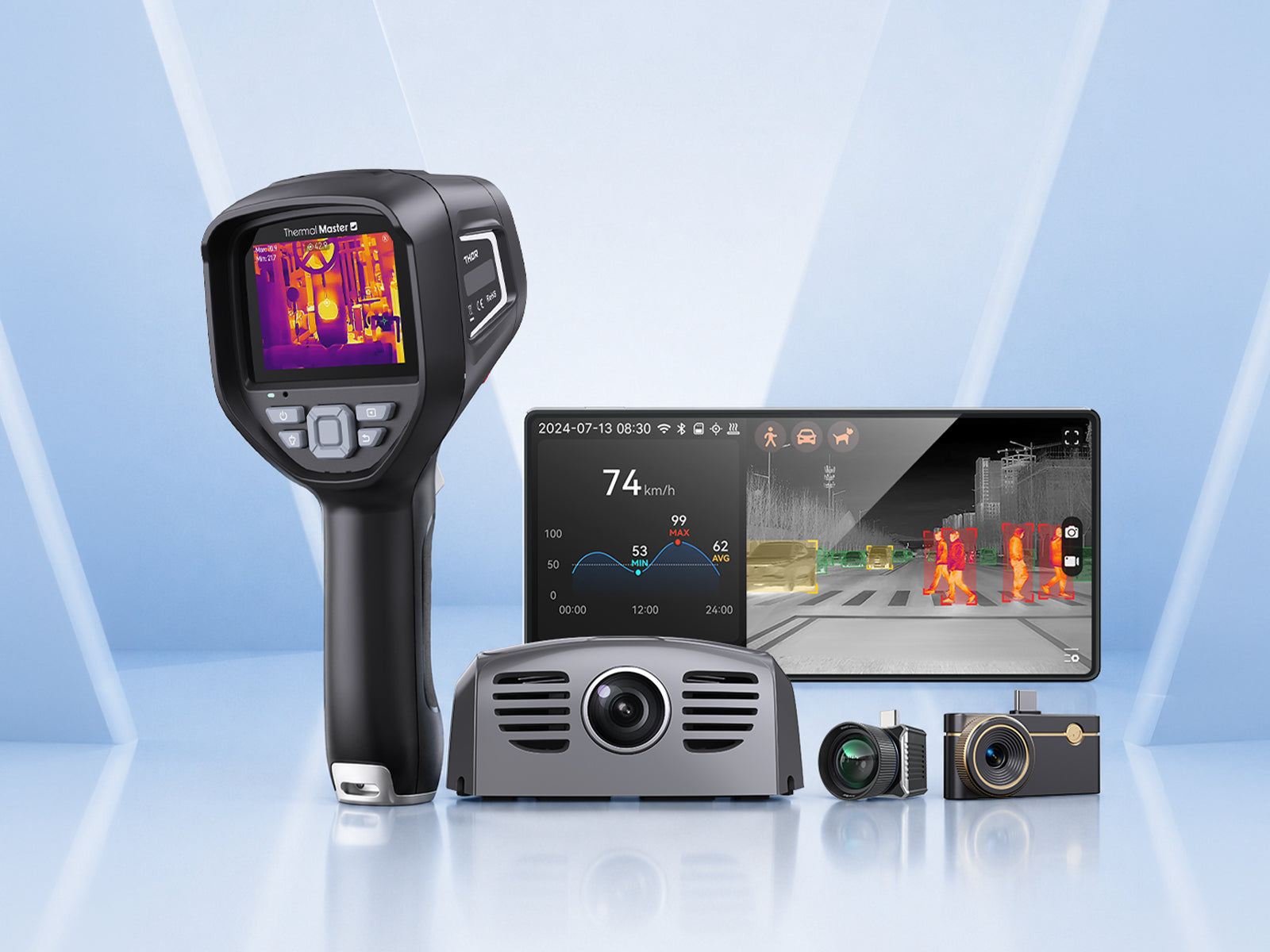
There are various types of thermal cameras available, ranging from professional-grade models used by contractors and energy auditors to more affordable consumer thermal cameras. While professional models offer higher resolution and more advanced features, consumer models can still provide valuable insights for homeowners looking to improve their home's energy efficiency.

The thermal camera is a powerful tool for identifying heat loss in your home. By visualizing temperature differences, you can pinpoint areas that need attention and take steps to improve your home's energy efficiency, reduce your energy bills, and create a more comfortable living environment. So, as the cold weather approaches, consider investing in a thermal camera to keep your home warm and your energy costs down.
Related Reading:

Leave a comment
All comments are moderated before being published.
This site is protected by hCaptcha and the hCaptcha Privacy Policy and Terms of Service apply.