



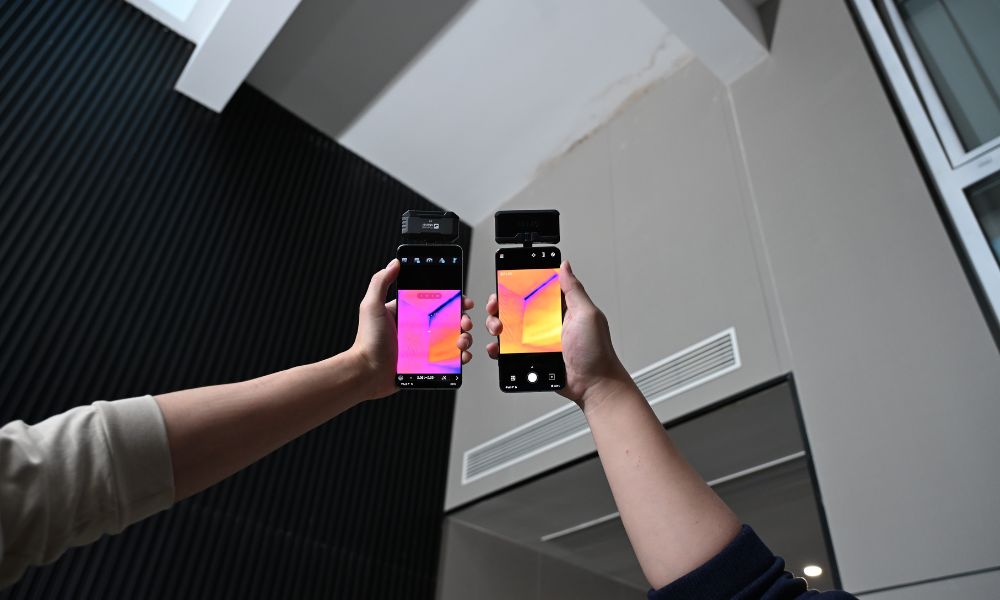
Yes, a thermal imaging camera for water leak detection can help identify hidden leaks by detecting temperature differences caused by moisture. While it can't directly see the water, it can reveal suspicious areas behind walls or ceilings without damaging the building structure. Below, we'll explain the different types and how to choose the most effective one.
What Is the Best Way to Detect Water Leaks?
There is no single “best” method for detecting leaks, as the right approach depends on the leak’s location, severity, and accessibility. Common methods include visual inspection for signs like water stains or mold, using a hygrometer to confirm dampness inside materials, and acoustic leak detection tools that listen for water escaping from pressurized pipes. Pressure testing is also widely used to verify whether a plumbing system is losing pressure, although it may not pinpoint the exact leak location.
More advanced techniques include thermal imaging cameras and tracer gas detection. Thermal cameras identify temperature differences caused by hidden moisture behind walls or ceilings without damaging the structure, making them a non-invasive option for early detection. Tracer gas detection, on the other hand, involves injecting a harmless gas into the pipeline and using sensors to locate where it escapes, offering high precision for more complex leak scenarios.
What Types of Thermal Imaging Cameras Are Available?
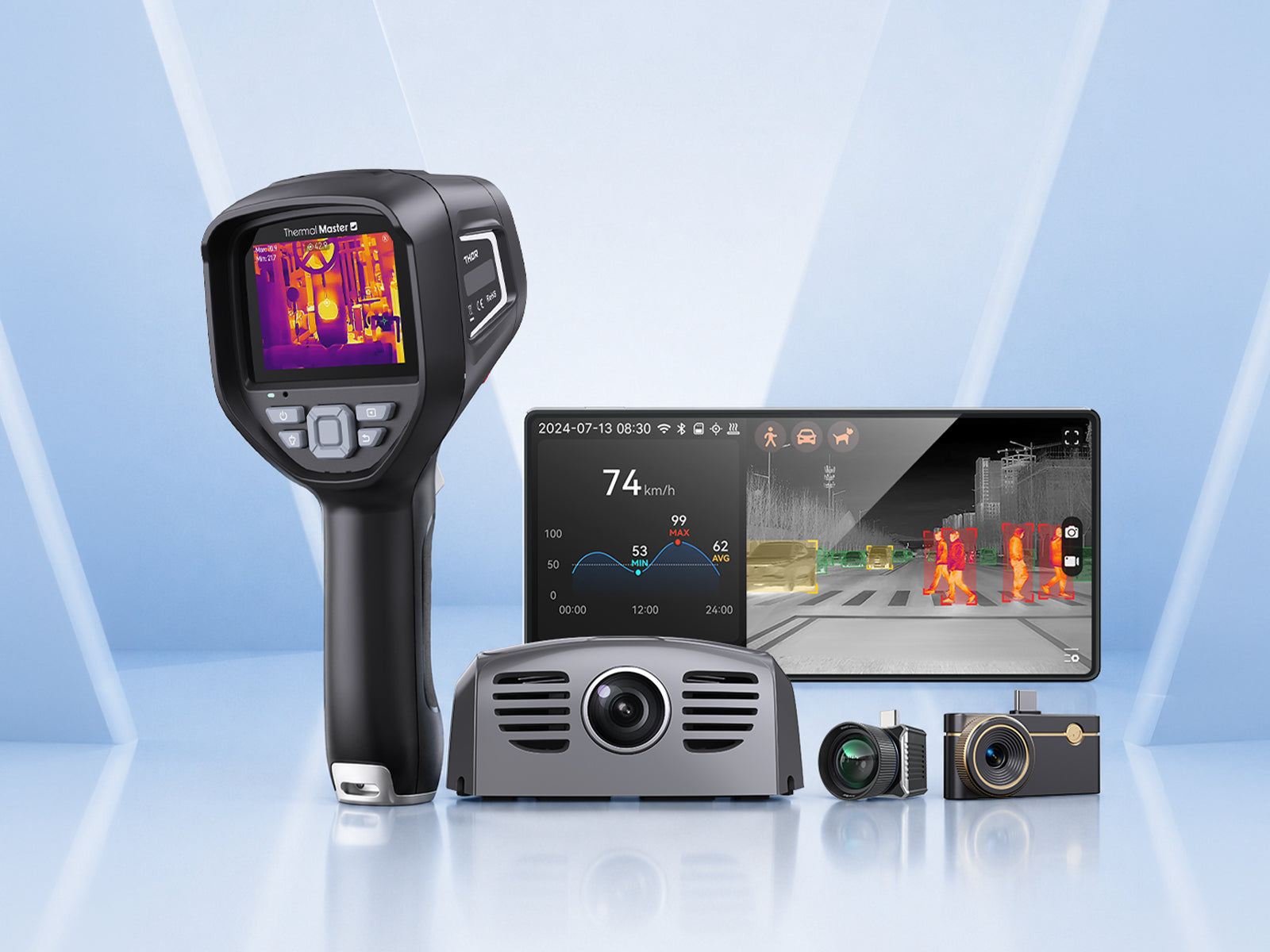
Thermal imaging cameras can be categorized into several types based on their design, resolution, and intended use. Here are some of the most common types:
- Smartphone Thermal Imager: A smartphone thermal imager is a compact device that connects to a smartphone via a plug-in or wireless connection. It works with an app to display thermal images and temperature data in real time. Due to its lightweight, portability, and affordability, it's suitable for homeowners, DIY enthusiasts, and technicians, and is suitable for tasks such as leak detection, insulation checks, and basic building inspections.
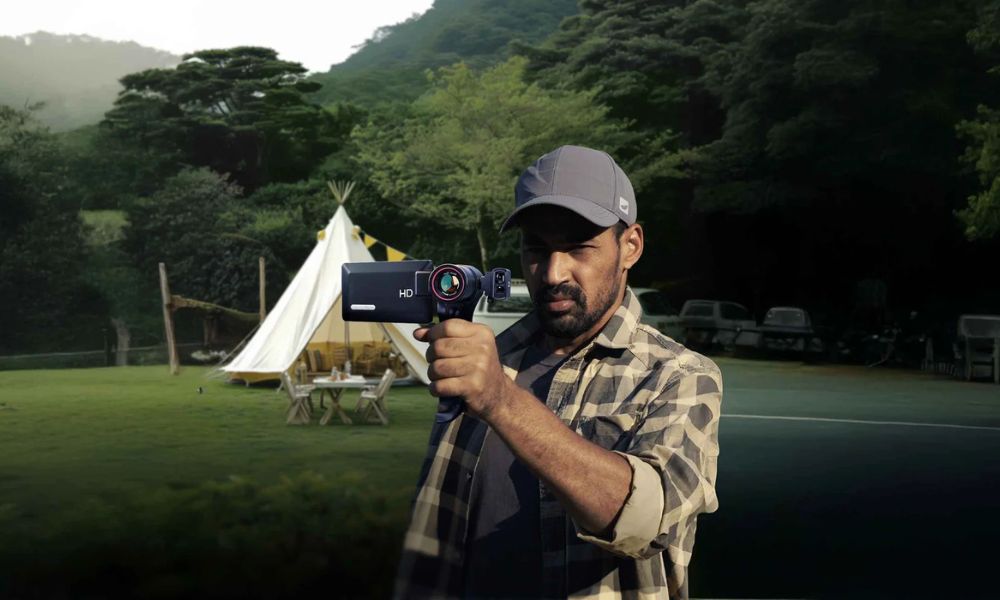
- Handheld Thermal Imager: A handheld thermal imager is a standalone device with a built-in screen and control buttons. They are commonly used by contractors, electricians, HVAC professionals, and home inspectors. Compared to smartphone models, handheld devices offer longer battery life, a more robust build, and more comprehensive measurement functions, making them more suitable for more frequent or demanding inspection jobs.
- Professional Inspection Thermal Imager: Professional inspection thermal imagers are designed for advanced building diagnostics and commercial use. They offer higher thermal resolution, greater sensitivity to minute temperature differences, and more powerful analysis software. They are often used in complex leak detection projects, energy audits, and large property inspections.
- Industrial/High-Resolution Thermal Imagers: Industrial thermal imagers are designed for specialized environments such as manufacturing plants, power systems, and heavy machinery monitoring. They offer extremely high resolution, a wide temperature measurement range, and advanced reporting capabilities. While powerful, they can be complex for residential leak detection.
-
Fixed or Monitoring Thermal Imaging Systems: Fixed thermal imaging systems are installed in a fixed location for continuous temperature monitoring. They can be used in industrial facilities, warehouses, or security applications for continuous temperature monitoring.
For most residential inspections, a smartphone or handheld thermal imaging camera for water leak detection is more than sufficient.

How to Use a Thermal Imaging Camera for Water Leak Detection?
Using a thermal imaging camera to detect leaks is a non-invasive method that can locate moisture hidden behind walls, ceilings, or floors. Here are the common steps for using it effectively:
Step 1: Create Suitable Temperature Conditions
Thermal imaging works best when there is a significant temperature difference between wet and dry areas. Therefore, you can flush potentially leaking pipes with hot or cold water before scanning. This enhances thermal contrast, making anomalies easier to spot.
Step 2: Scan Slowly and Evenly
Keep the thermal imager steady and move it slowly across a wall, ceiling, or floor. Focus on areas near pipes, bathrooms, kitchens, or any places prone to leaks.
Step 3: Look for Temperature Anomalies
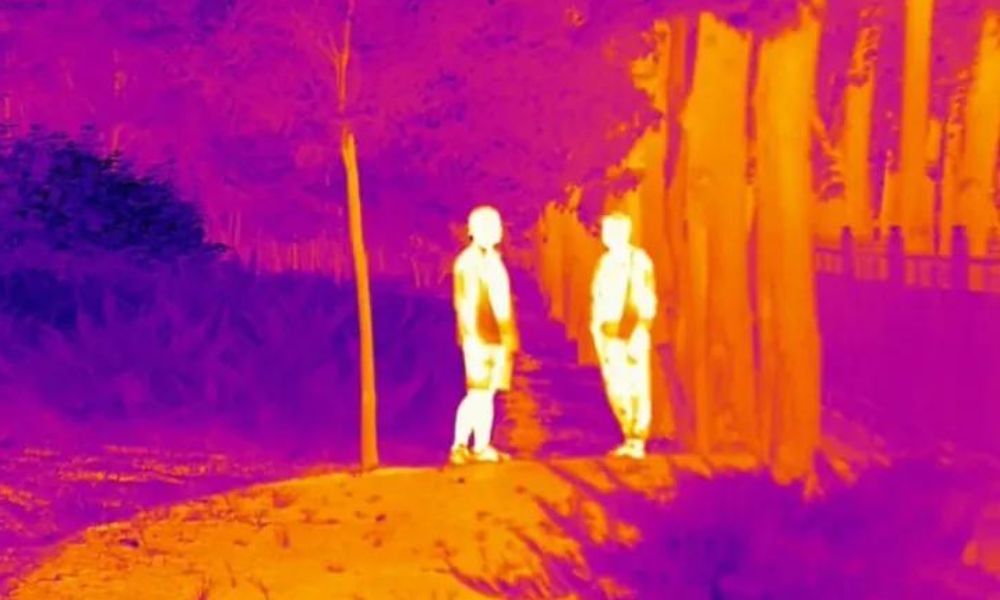
Leaking areas will appear as patches that are cooler or hotter than the surrounding surface. For example, irregular shapes, blurred edges, or diffused temperature patterns may indicate moisture buildup. Remember, thermal imagers detect temperature differences, not water.
Step 4: Compare with Surrounding Areas
To confirm a suspected area, compare it to a dry area. If an area consistently shows a temperature anomaly, it indicates hidden moisture. However, environmental factors such as airflow or sunlight should also be considered when interpreting the results.
Step 5: Verify with Additional Tools
Thermal imaging can help locate potential leak areas, but it's best to use a hygrometer or professional testing to confirm the results. This ensures that the anomaly is indeed caused by water, and not other heat-related factors.
What Features Matter in a Thermal Imaging Camera for Water Leak Detection?
When choosing a thermal camera for water leak detection, clarity and sensitivity are key. Higher thermal resolution makes it easier to detect unusual temperature changes on walls or ceilings, while good sensitivity reveals subtle temperature differences caused by humid environments. While accurate temperature readings aren't always the priority, consistent accuracy allows for faster interpretation of what you see.
In addition to performance, ease of use is equally important. Features such as an adjustable color palette and basic image enhancement can display temperature changes more clearly. Since inspections often involve scanning walls, ceilings, or confined spaces, a lightweight and comfortable device makes the inspection process smoother and more efficient.

What Is the Best Thermal Imaging Camera for Water Leak Detection?
If you’re looking for the best thermal imaging camera for water leak detection, consider the following Thermal Master models.
Thermal Master P2 Pro
The Thermal Master P2 pro smartphone thermal imager features a 256×192 infrared resolution, ≤40 mK sensitivity, and a magnetic macro lens for close-up detail. It supports iOS and Android, offers 15x digital zoom, and has a temperature range of -20°C to 400°C, making it ideal for detecting subtle temperature differences caused by hidden moisture.
Thermal Master P2
This Thermal Master P2 more affordable thermal imager, also features a 256×192 infrared resolution, ≤40 mK sensitivity, and 15x digital zoom. With a temperature range of -20°C to 350°C and weighing only 10g, it is compatible with smartphones and provides clear and reliable images for everyday moisture detection and home leak detection.
Thermal Master P1
This Thermal Master P1 economical smartphone thermal imager model features a 160×120 infrared resolution and approximately ≤40 mK sensitivity. Its measurement range is -20 to 600 C, suitable for basic leak detection and occasional home inspections.
Thermal Master Thor 002
This Thermal Master Thor 002 handheld thermal imager boasts an enhanced 512×384 X³ IR resolution and ≤40 mK sensitivity, delivering sharper details. It also features a 3.5" IPS display (640×480) and comes equipped with advanced measurement tools, making it ideal for professional inspections and complex leak detection tasks.
Conclusion
In summary, a thermal imaging camera for water leak detection can be a powerful tool when used under the right conditions. While it cannot directly detect water, it can identify temperature differences caused by hidden moisture, helping you locate potential problem areas without damaging walls or ceilings. Combined with the right detection techniques and other confirmatory tools, thermal imaging provides a fast, non-destructive way to identify leaks early and reduce repair costs.
FAQs
Can thermal imaging detect roof leaks?
Yes, thermal imaging technology can help detect roof leaks by identifying temperature differences caused by moisture buildup beneath the roofing material. When water seeps into the insulation or roofing layer, it alters how heat is absorbed and released, creating noticeable temperature changes. While thermal imagers cannot directly see the water, they can display suspicious areas that may indicate hidden roof leaks and guide further inspection.
Is thermal imaging accurate for leak detection?
Thermal imaging technology, when used properly, can detect leaks very accurately. It doesn't directly detect water, but rather identifies temperature differences caused by moisture behind walls, ceilings, or floors. Under suitable environmental conditions, using a high-quality thermal imager, it can reliably highlight suspicious areas. However, to ensure that the anomaly is indeed caused by a leak, other tools such as a hygrometer are needed to verify the results.
Can a thermal camera detect water leaks behind walls?
Yes, a thermal camera can help detect water leaks behind walls by identifying temperature differences caused by hidden moisture. When water seeps into drywall or insulation, it often creates cooler or warmer areas compared to the surrounding surface. A thermal camera captures these subtle variations, allowing you to locate suspicious spots without opening the wall. While it doesn’t see the water itself, it’s an effective non-invasive way to narrow down potential leak areas for further confirmation.
Related Reading:
How to Use a Thermal Camera for Home Inspection?
How Can You Turn Your Smartphone into a Thermal Camera?
How to Use a Plumbing Thermal Imaging Camera for Plumbing Inspections?

Leave a comment
All comments are moderated before being published.
This site is protected by hCaptcha and the hCaptcha Privacy Policy and Terms of Service apply.