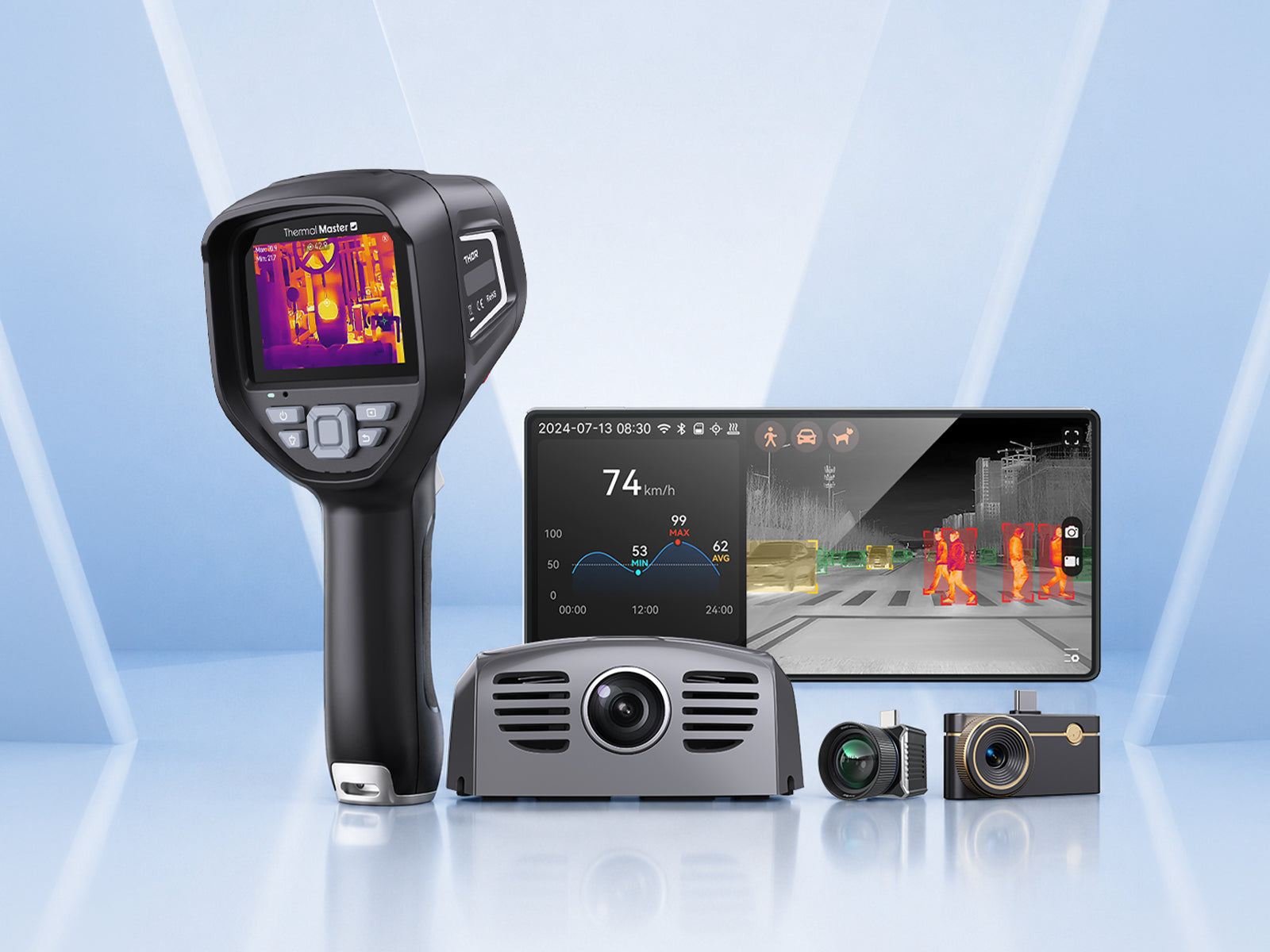



車用ナイトビジョンシステム
300m! 生体検知衝突エキスパート
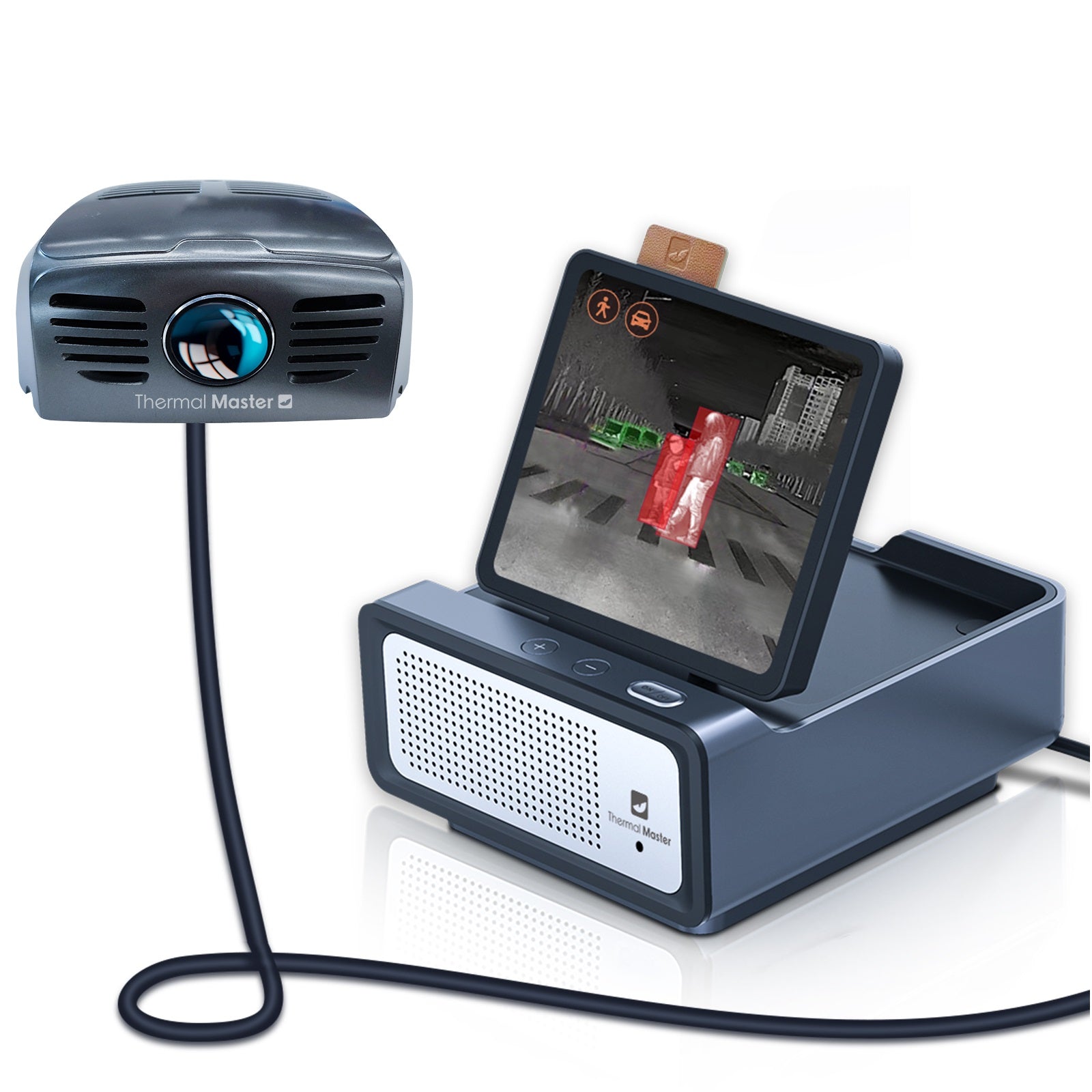
自動車用AIナイトビジョンマスター
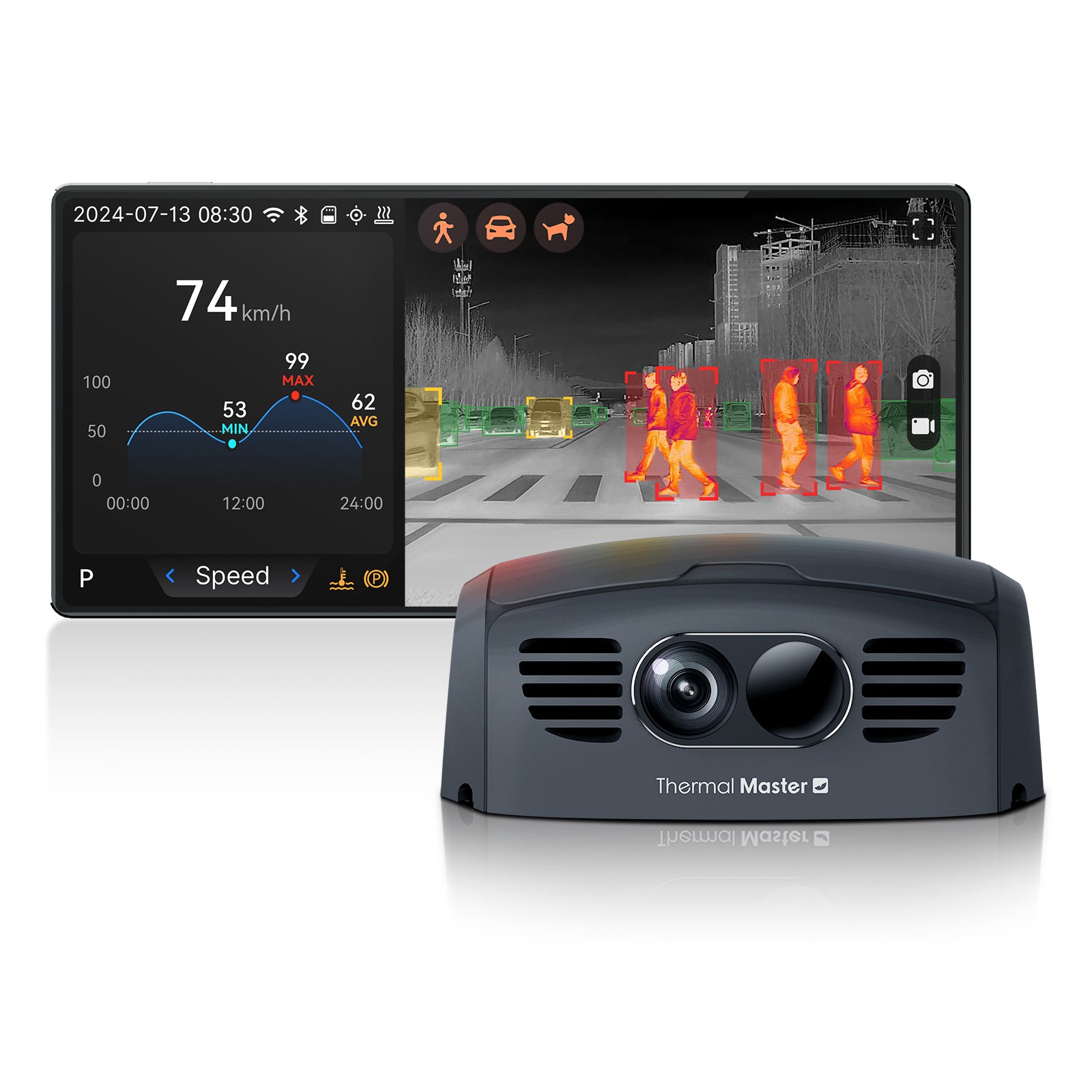
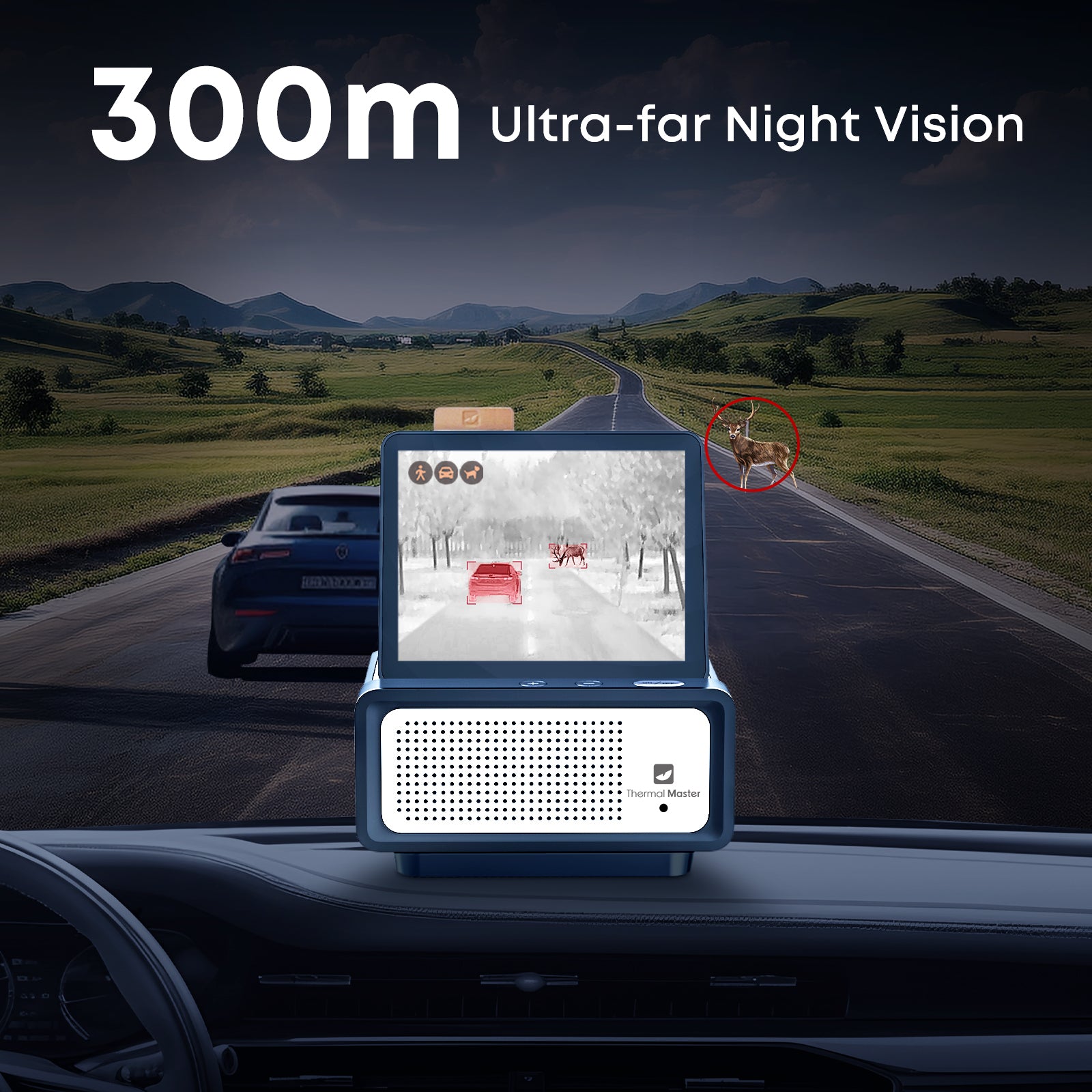
暗闇、雨、霧、ハイビームは常に安全運転の危険です。高感度コアと「Razor X」超鮮明画像アルゴリズムを備えたAutomotive AI Night Vision Masterは、夜間/霧を突き抜け、最大300メートル離れた自転車や鹿を検知し、わずか0.1秒で音/画像警告を発します。一部の地域では、「鹿との衝突防止の奇跡」として親しまれています。


AI {Det} 生命衝突警告
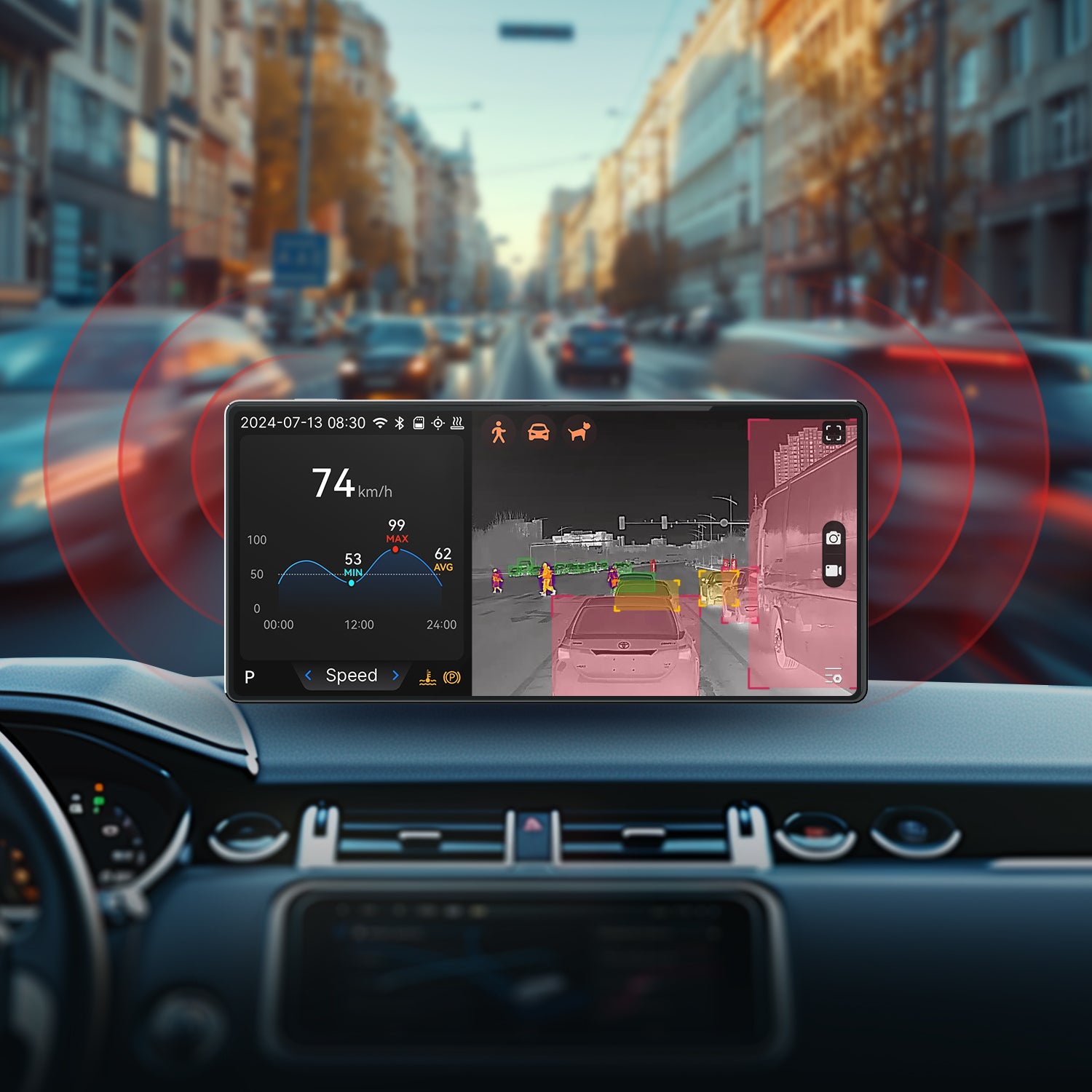
AI{Det} ニューラルネットワークディープラーニングアルゴリズムは、歩行者、自転車、バイク、車、動物を迅速に識別します。「Insight+」を活用して誤ったターゲットをインテリジェントに排除し、実際のターゲットを正確に識別して強調表示し、車速に基づいて安全警告距離を判断します。AI{Det}は国道、高速道路、地方の道路に自動的に適応し、あらゆるシナリオで最も鮮明な画像を提供します。
シャッターレステクノロジー、ゼロラグ
サーマル イメージングでは、画像補正のために頻繁にシャッター クリックが必要になることが多く、画面がフリーズしたり遅延したりします。Automotive AI Night Vision Master はシャッターレス テクノロジーの先駆者であり、完全に遅延のないゼロ遅延のパフォーマンスを保証し、運転中の潜在的な危険を 1 秒たりとも逃さずに、鮮明で滑らかな画像を提供します。
いつでも、どんな天候でも、昼と夜を制覇
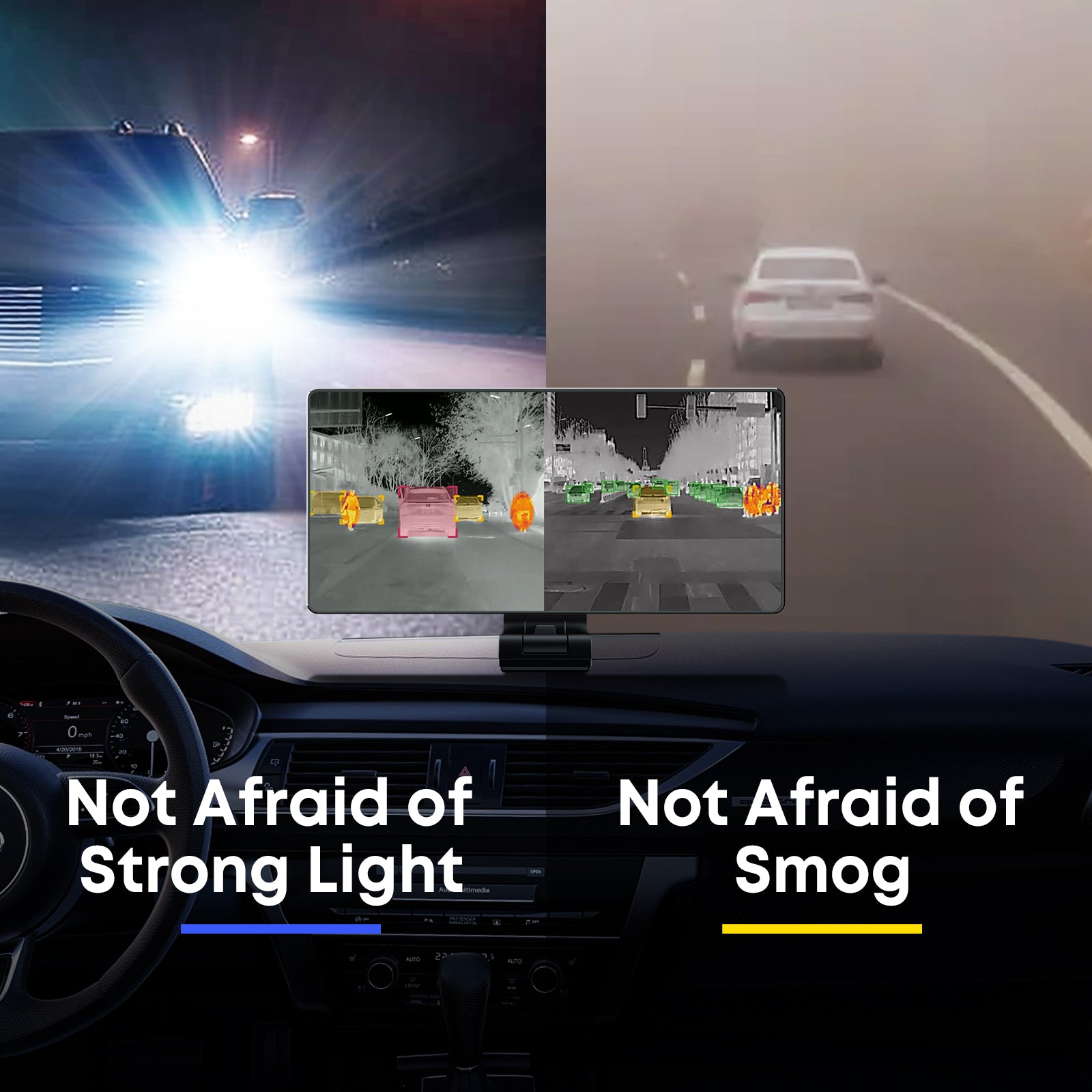
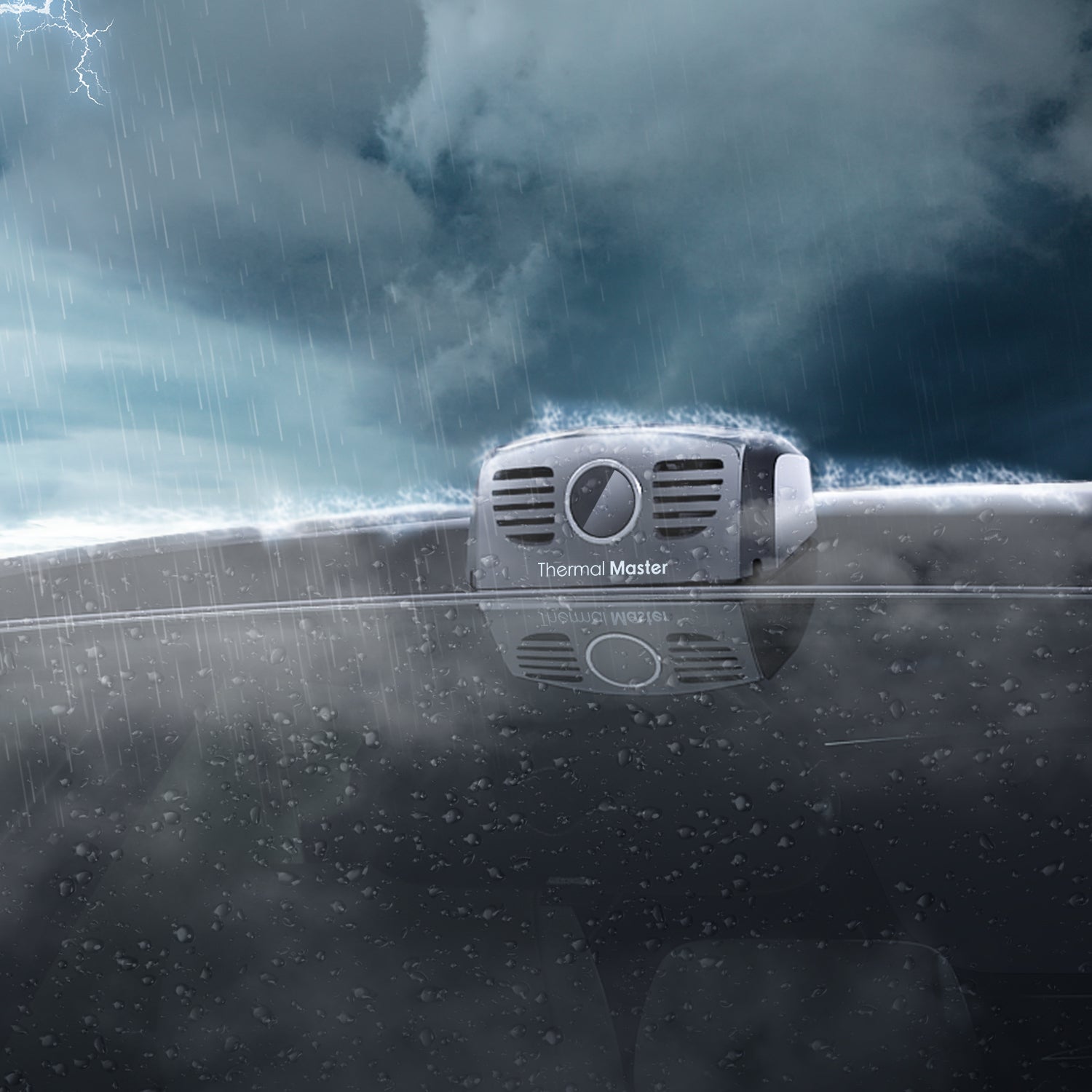
自動車用 AI ナイトビジョン マスターは、あらゆる環境に対応できるよう設計されており、IP69K 定格で 80°C の高圧水ジェットから保護し、100% の防塵機能を確保しています。氷点下 -20°C の温度でも、自動で雪や霜を除去します。画面に直接接続したり、ワイヤレスでスマートフォンに接続したりできるので、いつでもどこでも赤外線の旅を友人と共有できます。
Night Vision Thermal Camera FAQs
Can a car thermal camera see in complete darkness?
Can a car thermal camera see in complete darkness?
Yes, a night vision thermal camera can see in complete darkness because it doesn’t rely on visible light, headlights, or street lighting to work. Instead, it detects heat differences emitted by people, animals, vehicles, and other objects. Even when the road is completely unlit, those heat signatures remain visible, allowing the system to generate a clear and usable image.
In real driving situations, a night vision thermal camera keeps working when headlights and standard cameras reach their limits. Darkness alone does not reduce its effectiveness, which is especially important on rural roads, unlit highways, or remote areas. For drivers, this means fewer blind spots, earlier awareness, and more confidence when visibility is otherwise extremely limited.
How is a night vision thermal camera different from IR night vision?
How is a night vision thermal camera different from IR night vision?
A night vision thermal camera works differently from traditional IR night vision systems. IR night vision depends on reflected infrared light and often requires an additional illuminator, which can limit performance in very dark environments. A night vision thermal camera, by contrast, detects heat directly from objects, allowing it to work independently of lighting conditions.
Because of this, a night vision thermal camera is less affected by glare from headlights, streetlights, or sudden brightness changes. In everyday driving, this leads to more stable and consistent images. For drivers, the difference is noticeable: thermal imaging remains reliable in situations where IR night vision may struggle or lose detail.
Can a night vision thermal camera see through darkness?
Can a night vision thermal camera see through darkness?
Yes, a night vision thermal camera can see through complete darkness by visualizing temperature differences rather than relying on light. Warm objects such as people, animals, and vehicles naturally stand out against cooler backgrounds, even when the environment is pitch black.
This capability makes a night vision thermal camera particularly useful in areas where headlights provide limited information, such as winding rural roads or poorly lit neighborhoods. By revealing what is ahead without depending on light, a night vision thermal camera helps drivers maintain awareness and avoid surprises when driving at night.
Is a car thermal camera useful for night driving?
Is a car thermal camera useful for night driving?
A night vision thermal camera is very useful for night driving because it allows drivers to detect potential hazards earlier than headlights alone. Headlights illuminate only a limited distance, while a night vision thermal camera can reveal pedestrians, animals, or stopped vehicles before they become visible to the naked eye.
For drivers who frequently drive at night, this earlier awareness reduces stress and sudden reactions. A night vision thermal camera supports smoother braking and more controlled decision-making, which leads to a safer and more comfortable night driving experience overall.
Does a car thermal camera work in fog or rain?
Does a car thermal camera work in fog or rain?
Yes, a night vision thermal camera generally works better than standard cameras in fog, smoke, or light rain. Since it detects heat rather than reflected light, visual interference caused by weather has less impact on performance.
While extremely heavy rain or dense fog can still affect clarity to some degree, a night vision thermal camera usually maintains better situational awareness than traditional systems. This added visibility can be reassuring for drivers facing changing weather conditions, especially at night or on unfamiliar roads.
Can night vision thermal cameras be used during the day?
Can night vision thermal cameras be used during the day?
Yes, night vision thermal cameras can be used during the day just as effectively as at night. Heat signatures exist regardless of lighting conditions, so bright sunlight does not interfere with how night vision thermal cameras operate.
During daytime driving, night vision thermal cameras can still help highlight people, animals, or vehicles that blend into visually complex backgrounds. This makes them useful not only after dark, but also during early mornings, late afternoons, or overcast conditions where visual contrast is low.
Can an automotive thermal camera improve driving safety?
Can an automotive thermal camera improve driving safety?
A night vision thermal camera improves driving safety by helping drivers notice hazards earlier and more clearly. Pedestrians, animals, and vehicles stand out based on heat rather than color or brightness, reducing the chance of overlooking something important.
With earlier detection, drivers can react more calmly and predictably. Over time, using a night vision thermal camera helps reduce sudden braking, unexpected maneuvers, and overall accident risk, particularly during night driving and low-visibility conditions.
Can a thermal imaging camera for cars detect pedestrians?
Can a thermal imaging camera for cars detect pedestrians?
Yes, a night vision thermal camera is very effective at detecting pedestrians because the human body emits a strong heat signature. Even in dark areas or when pedestrians wear dark clothing, they remain clearly visible in thermal imaging.
This early visibility gives drivers more time to slow down or adjust their path safely. By detecting pedestrians sooner, a night vision thermal camera plays an important role in improving safety for vulnerable road users, especially at night or in poorly lit environments.
Is a thermal imaging camera for cars suitable for highway driving?
Is a thermal imaging camera for cars suitable for highway driving?
A night vision thermal camera is well-suited for highway driving, particularly at night when vehicles travel at higher speeds. At these speeds, reaction time is critical, and a night vision thermal camera helps drivers spot hazards farther ahead than headlights alone.
On long, poorly lit highway stretches, a night vision thermal camera adds an extra layer of awareness. This makes nighttime highway driving feel more controlled and reduces the risk of sudden surprises during long-distance trips.
Can automotive thermal cameras detect engine heat issues?
Can automotive thermal cameras detect engine heat issues?
Yes, a night vision thermal camera can help identify engine heat issues by revealing unusual temperature patterns. Overheating components such as engines, brakes, or exhaust systems often become visible before a problem escalates.
For drivers and technicians, a night vision thermal camera provides insight beyond basic visual checks. It can support early detection and preventative maintenance, helping reduce unexpected breakdowns and costly repairs over time.
Who should consider buying a night vision thermal camera?
Who should consider buying a night vision thermal camera?
A night vision thermal camera is a strong choice for drivers who regularly travel at night, especially on roads with limited lighting or frequent wildlife activity. Anyone who wants earlier hazard detection and improved visibility can benefit from a night vision thermal camera.
It is also well-suited for long-distance commuters, professional drivers, and safety-conscious car owners. By improving awareness and reducing reaction time, a night vision thermal camera delivers practical, everyday value rather than being a niche or luxury feature.