



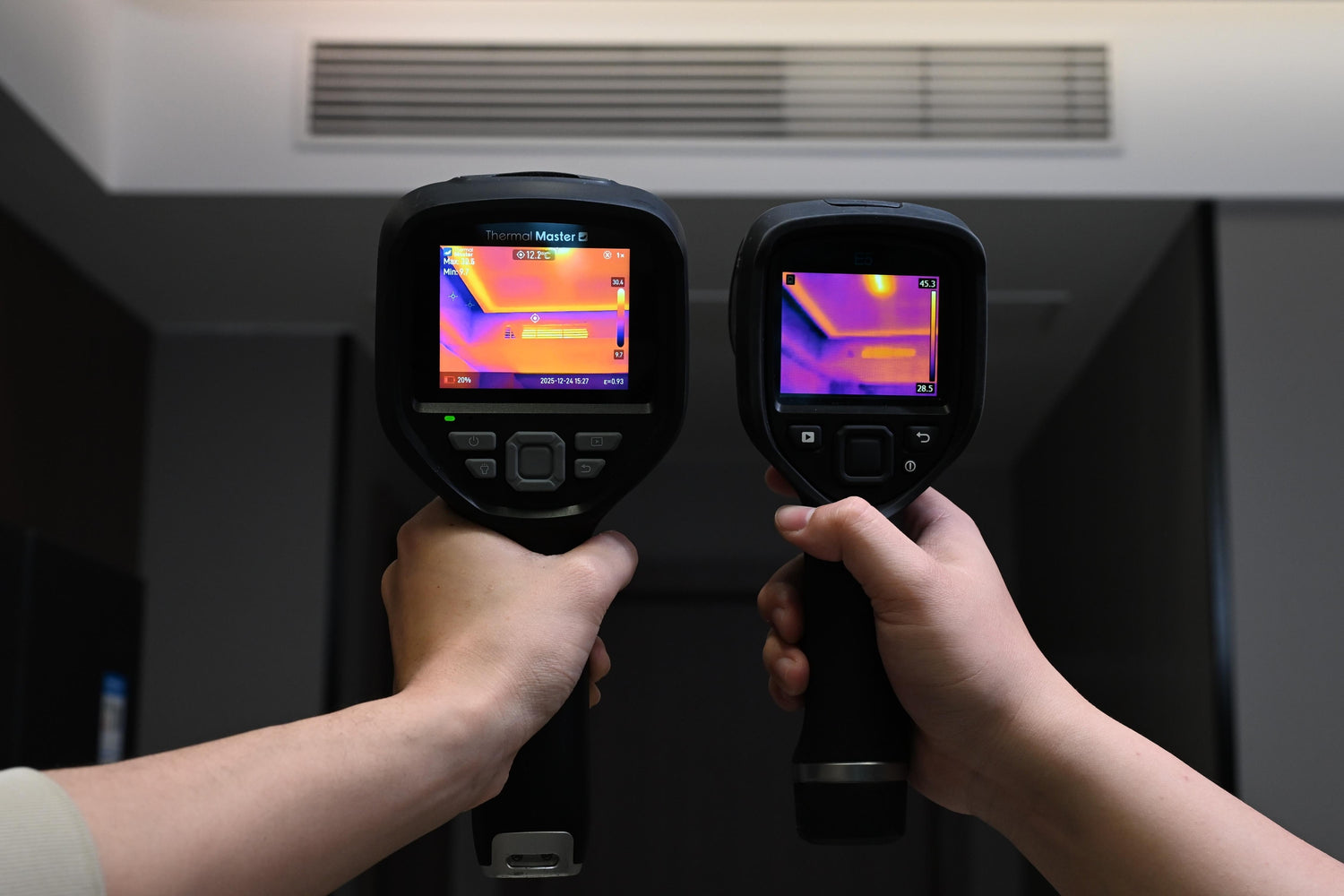
Why do subtle HVAC hidden faults always lead to energy waste and frequent service callbacks? How can technicians quickly locate invisible duct leaks, coil fouling and component blockages in complex mechanical rooms? What makes ordinary thermal cameras fail to support accurate HVAC troubleshooting and daily maintenance?

With professional and straightforward selection methods and practical tips, this article will solve the above pain points and help you pick the right Handheld Thermal Imagers for HVAC for daily inspections.

1.Common Inspection Tools Used by HVACR Technicians
- Manifold gauge set: Checks refrigerant pressure and system performance
- Probe thermometer: Measures supply and return air temperatures
- Moisture meter: Detects moisture buildup and potential water damage around air handlers
- Thermal Camera: Visualizes temperature differences to quickly locate HVAC issues and abnormal heat patterns


2.Why Handheld Thermal Imagers Make HVAC Inspections Faster and Easier?
Handheld Thermal Imagers for HVAC combine multiple inspection functions into one device, making HVACR diagnostics more efficient. Technicians can quickly identify issues such as air leaks, overheating connections, and abnormal pipe temperatures without switching between multiple tools.
From routine maintenance to troubleshooting, thermal imagers help technicians locate problems faster. Choosing the right thermal camera is therefore essential for improving HVACR diagnostic efficiency.

3.How Handheld Thermal Imagers Solves Common HVACR Inspection Challenges
Choosing Handheld Thermal Imagers for HVAC is not just about comparing specifications. The right tool should solve common inspection challenges, reduce unnecessary testing, and help technicians find problems faster.

Luis: Thermal imaging revealed the details he was missing.
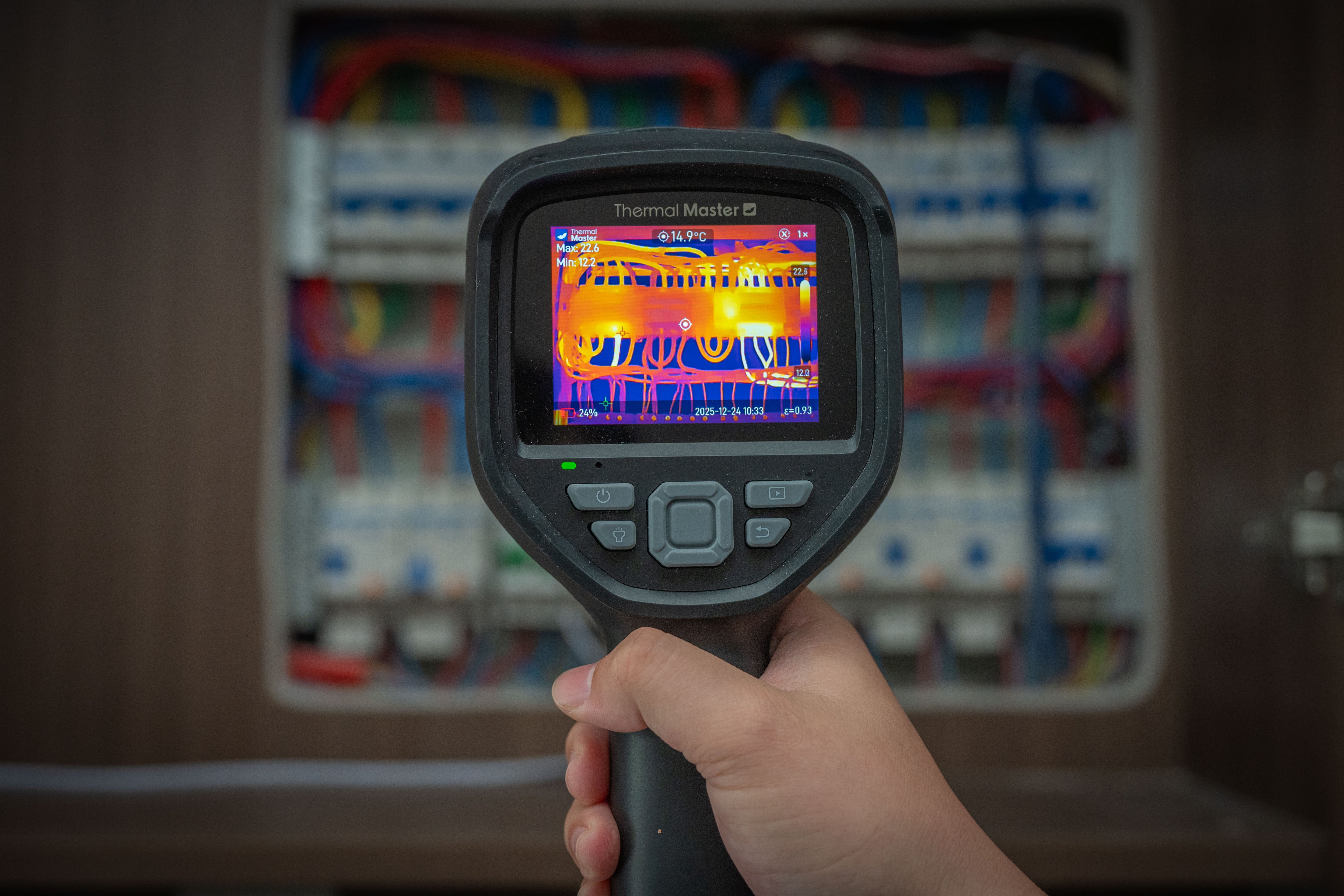
Luis previously used a thermal imager with a 2.8-inch display and often inspected HVAC equipment in dark mechanical rooms and tight utility spaces. During long inspections of ductwork and electrical panels, the small screen made it harder to read thermal patterns clearly and caused eye strain.

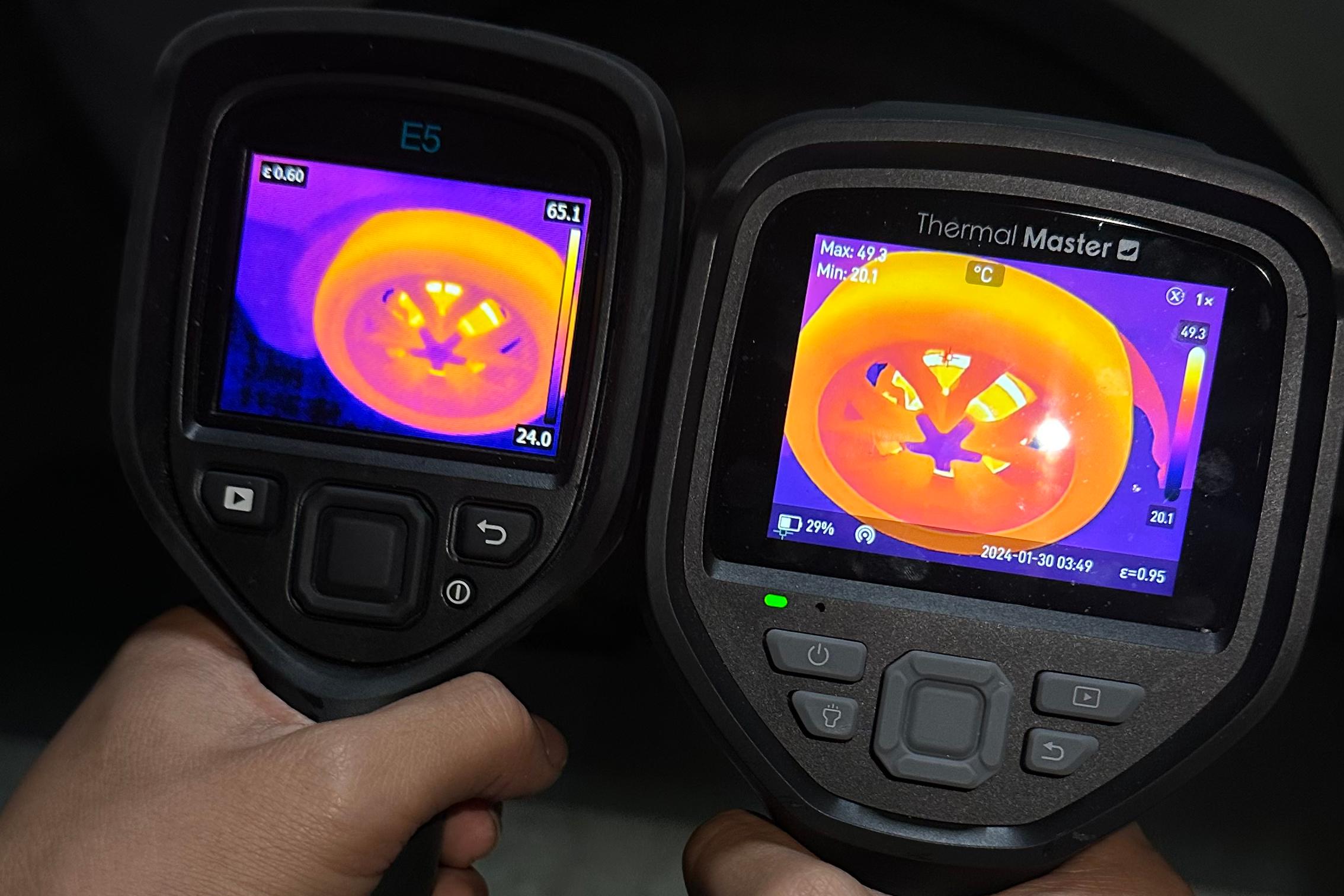
After switching to Thermal Master Thor, the 3.5-inch 640 × 480 IPS display provided a more comfortable viewing experience. Combined with X³ Super Resolution 512 × 384 thermal imaging, the thermal images became sharper and clearer, making it easier for Luis to distinguish individual components in crowded HVAC systems and quickly identify abnormal temperature areas.
Accurate readings helped pinpoint the fault.
Before using Thermal Master Thor, Emma had to rely on repeated checks with different tools to narrow down the cause.

With Thermal Master Thor, she quickly compared the temperatures of the liquid line and the filter drier. A difference of just a few degrees was enough to confirm a partial restriction without removing the part on a hunch.
A quick extra scan helped avoid a major repair.
Ryan visited a Montana branch for a routine HVAC inspection with only his usual tools and a thermal imager. Everything seemed normal, and he was ready to leave.
"Before I left, one of the technicians mentioned that the equipment didn't seem to be running as efficiently as before. I decided to take one more look and scanned the evaporator coil with Thermal Master Thor."

The thermal image revealed a small temperature difference that was easy to miss. After further inspection, Ryan found that dust had started building up on the coil, restricting airflow in that area.
"If I hadn't gone back for one more look, that dust buildup would've just kept getting worse," Ryan said. "The camera picked it up because it's sensitive enough to catch that kind of small difference."
4.Thermal Master Thor: More Than Just an HVACR Tool
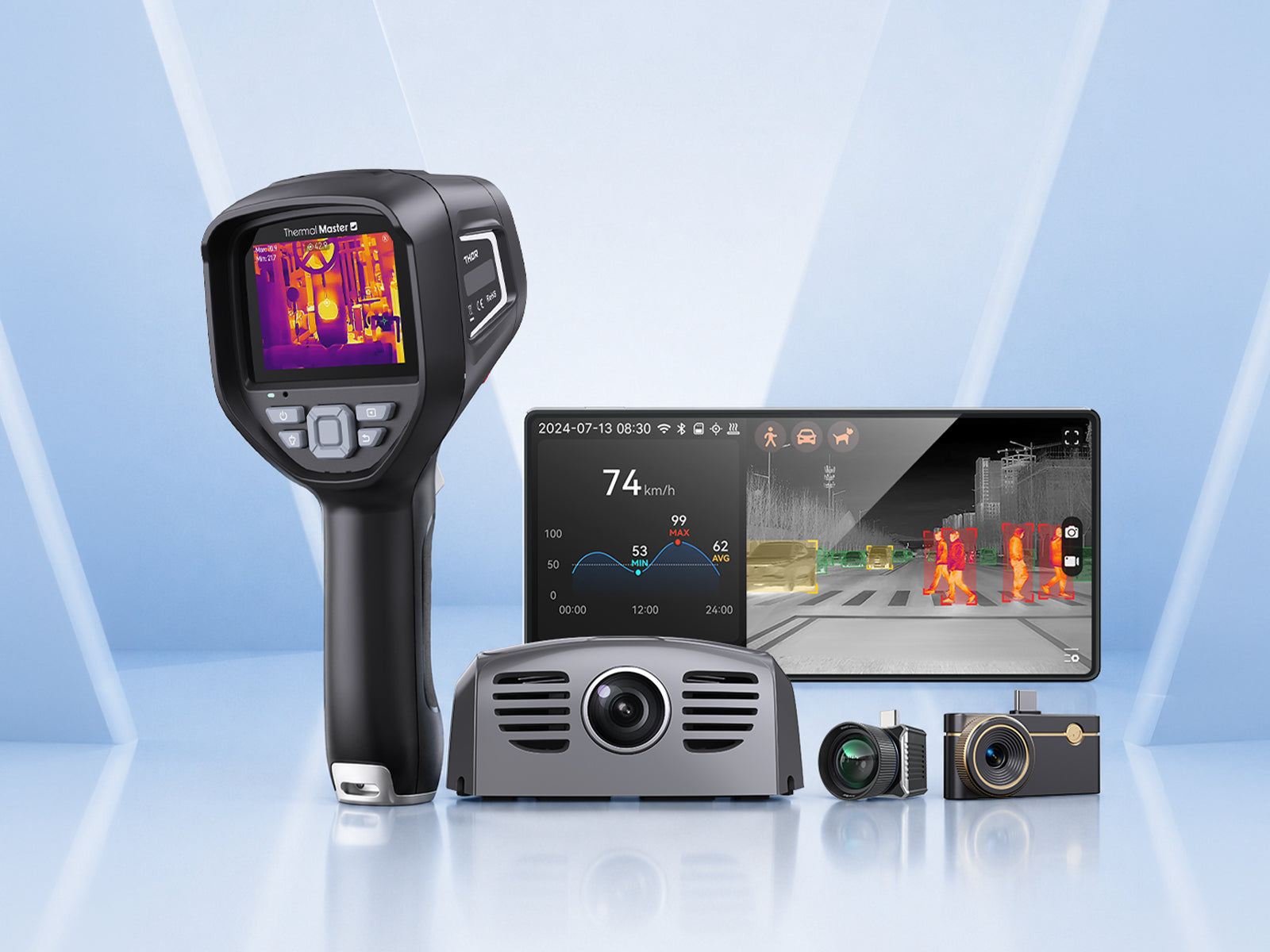
Forbes has covered Thermal Master Thor as well, calling it a handheld thermal imaging camera built for on-site and industrial use, which lines up with how it's actually being used, well outside HVACR jobs too.

A homeowner recently used the Thermal Master Thor after a heating pipe leak caused water damage in his renovated guest room. Handheld Thermal Imagers for HVAC are not only useful for system maintenance but also for detecting hidden moisture caused by heating pipe leaks. Instead of removing parts of the wall to find the problem, he scanned the ceiling and drywall with Thermal Master Thor and quickly found the areas where moisture remained. He then used the camera during the drying process to track the progress and make sure the affected areas were completely dry.

コメントを書く
全てのコメントは、掲載前にモデレートされます
このサイトはhCaptchaによって保護されており、hCaptchaプライバシーポリシーおよび利用規約が適用されます。