


サーマル単眼鏡
あなたの自由を解放しましょう!
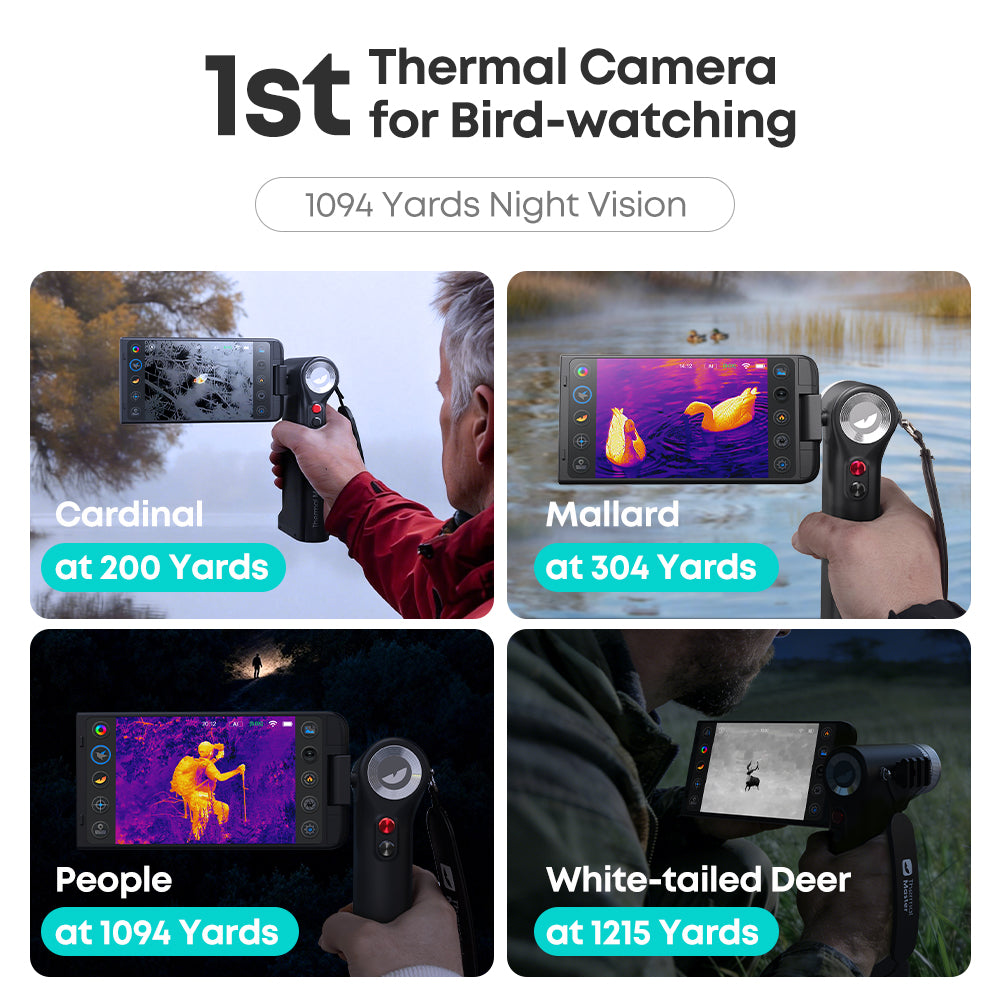
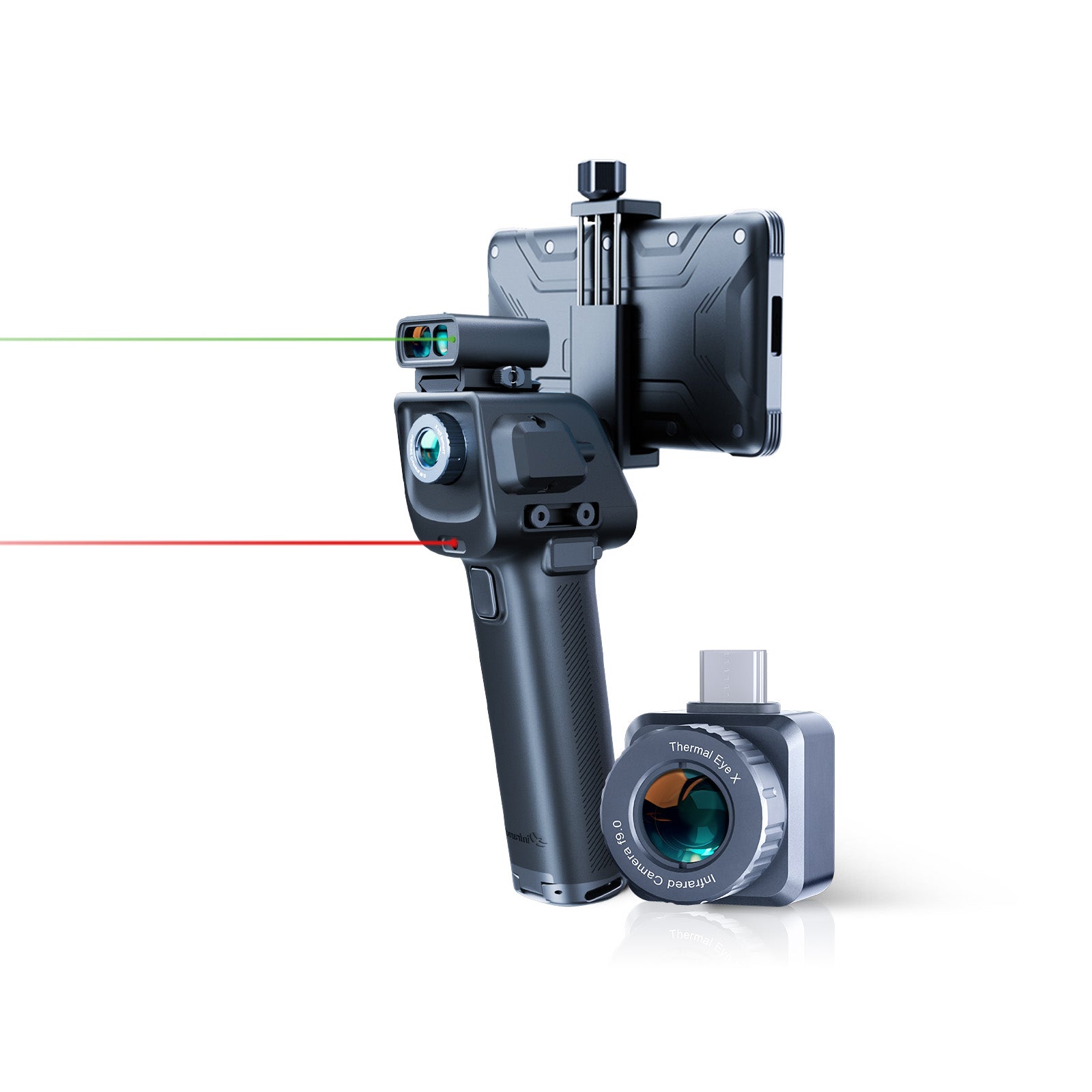
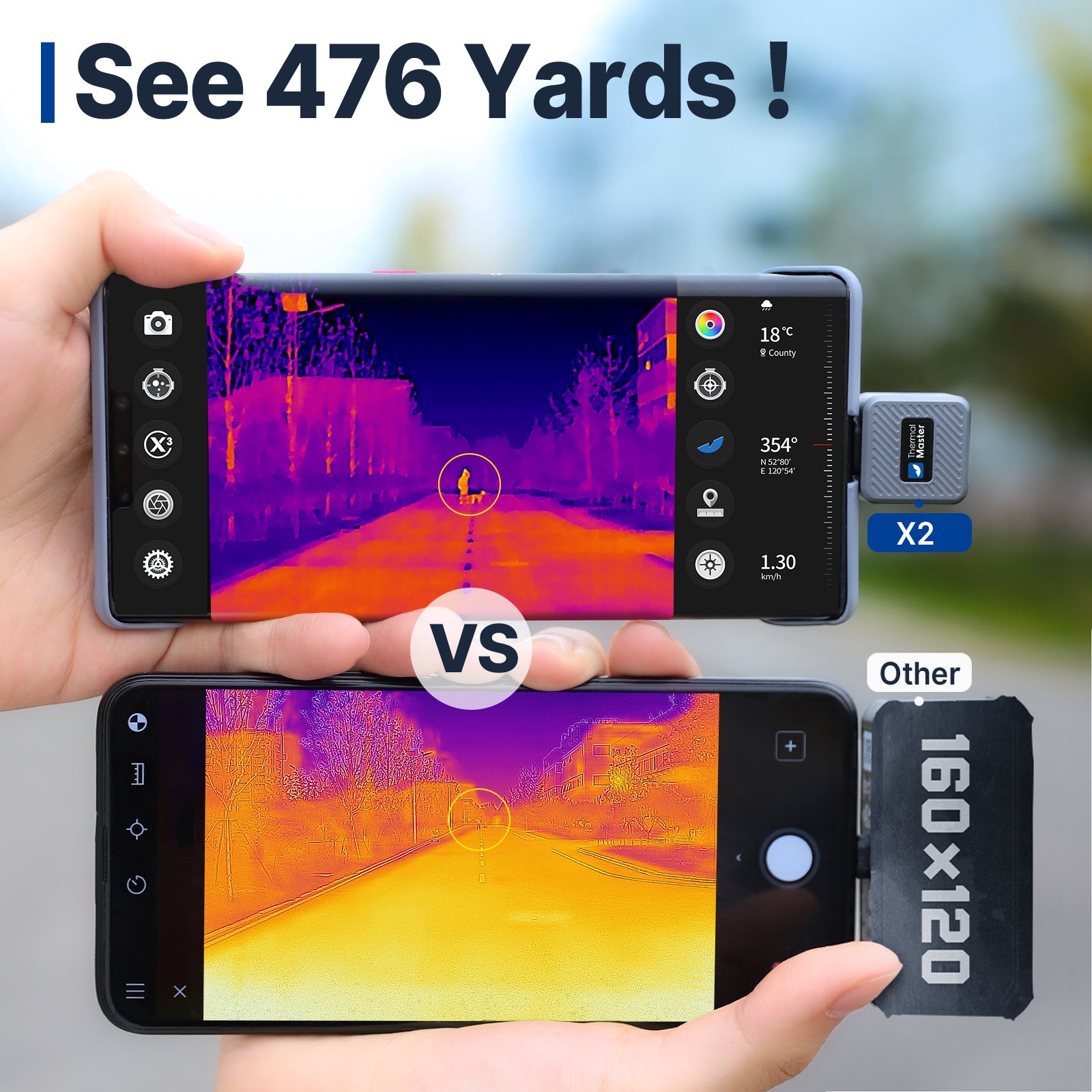
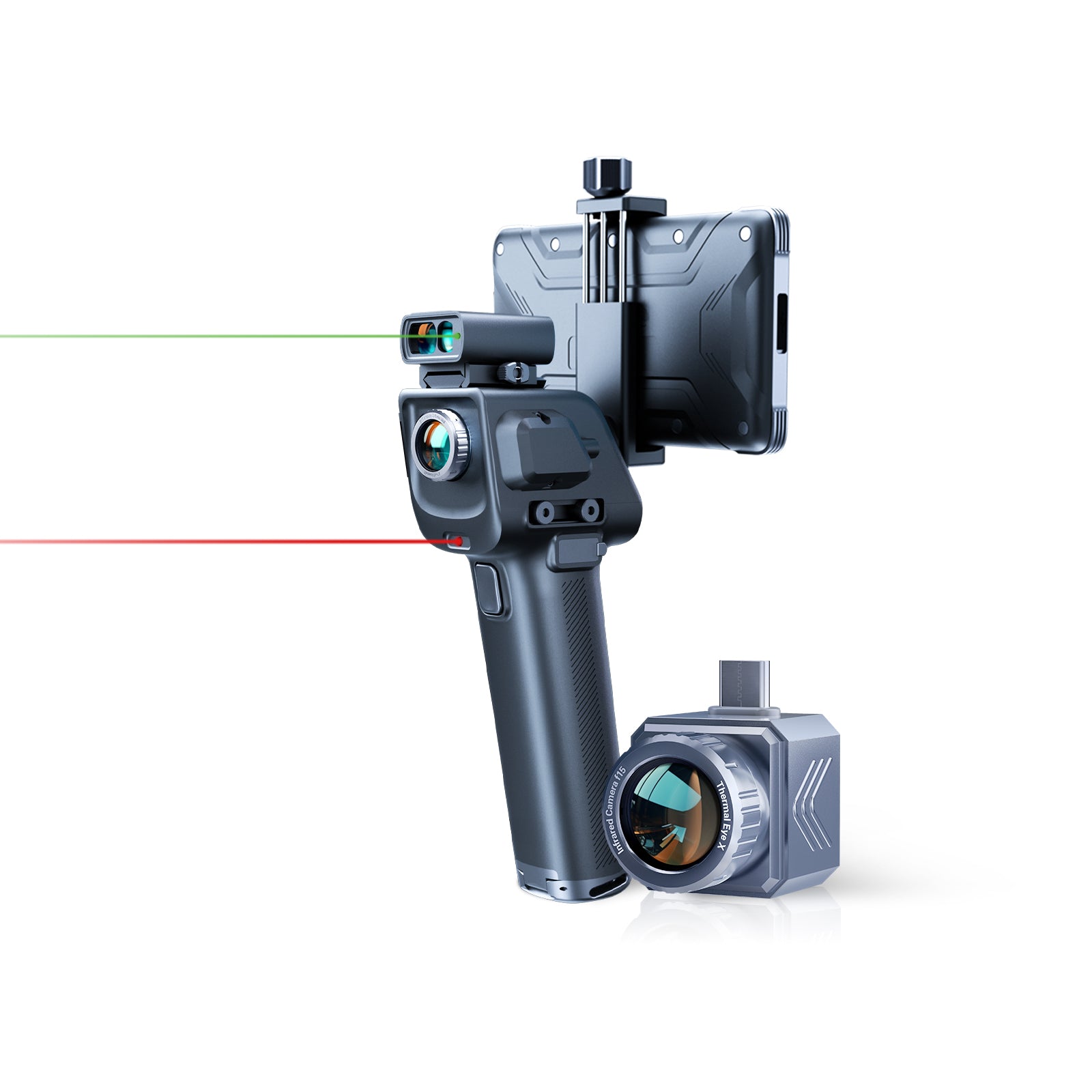
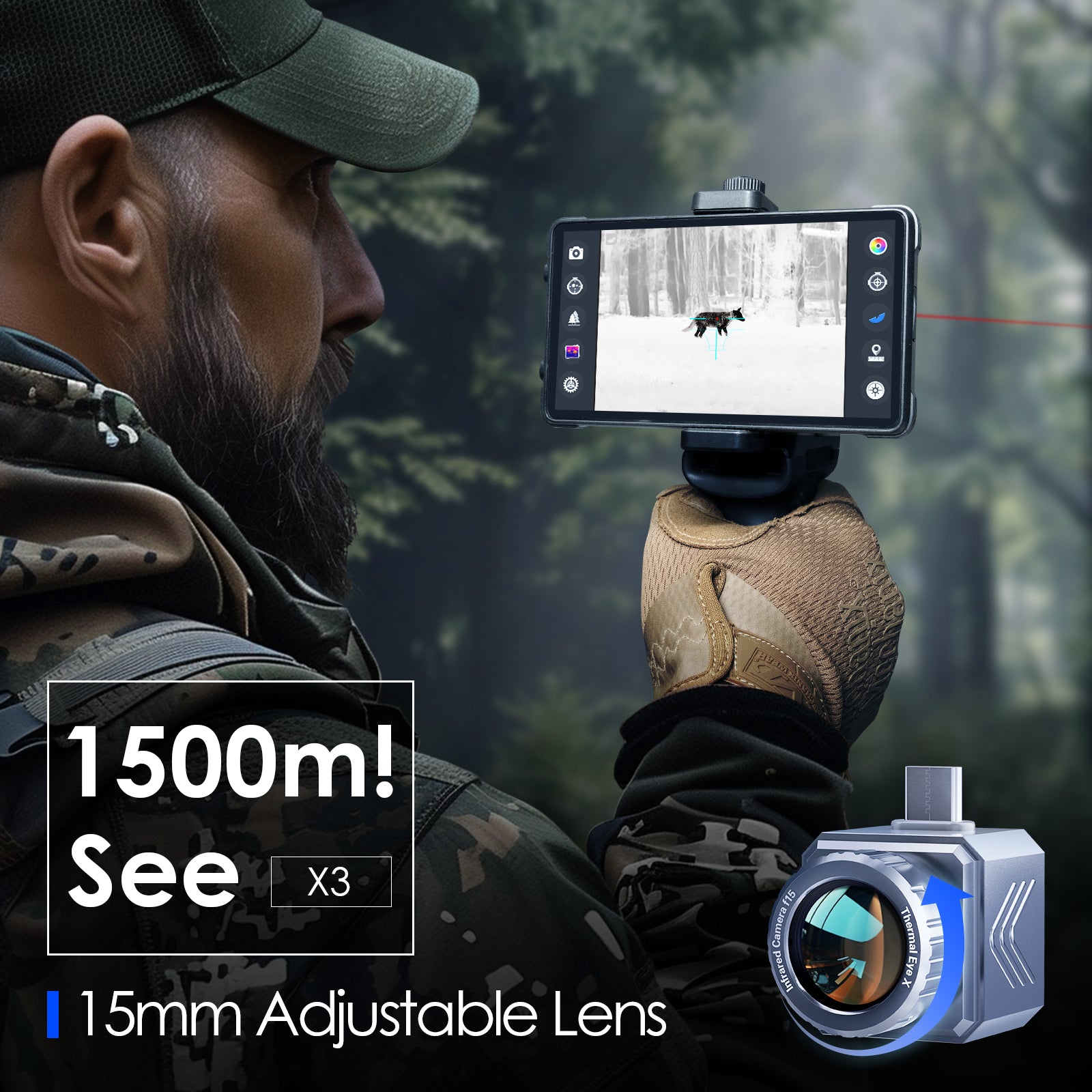
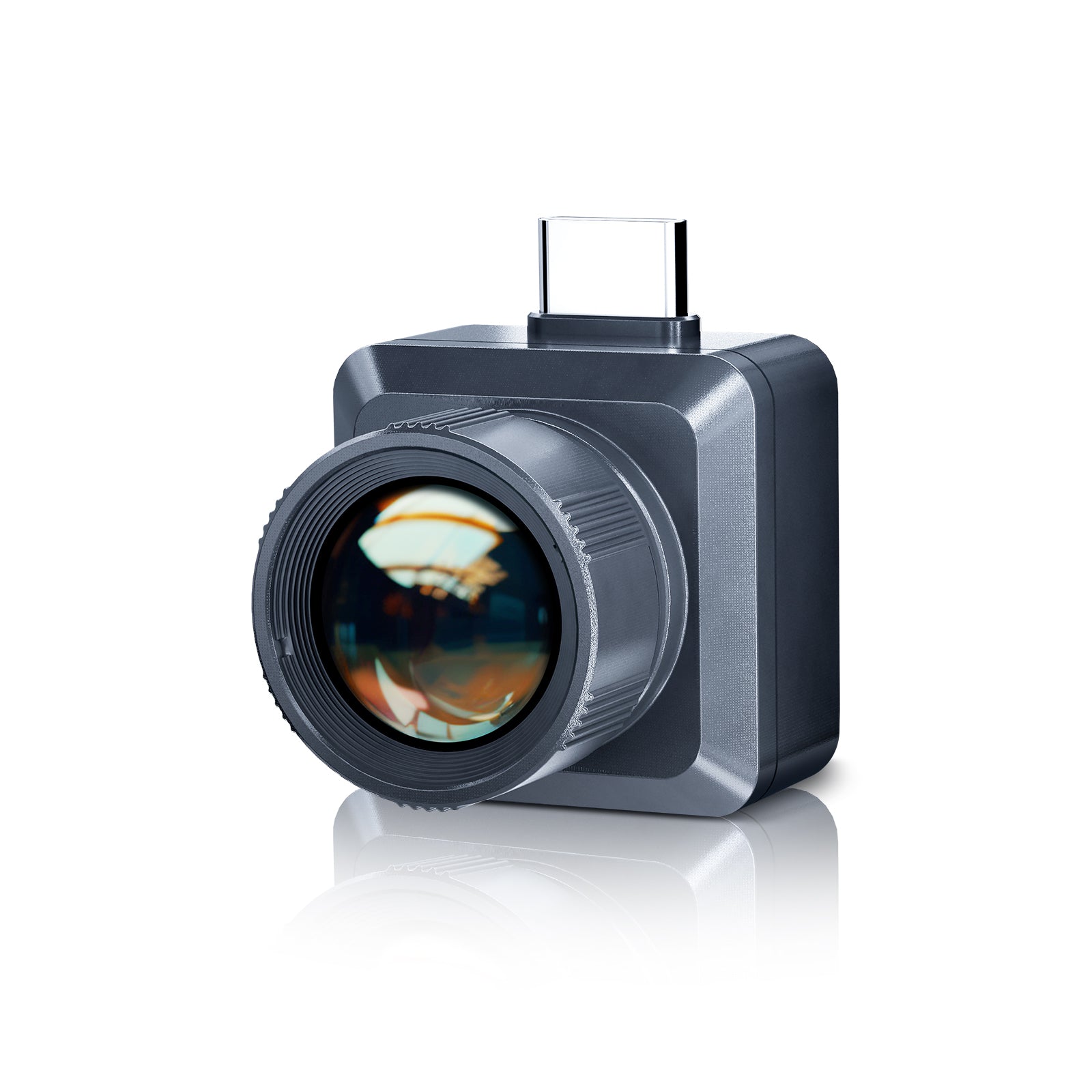
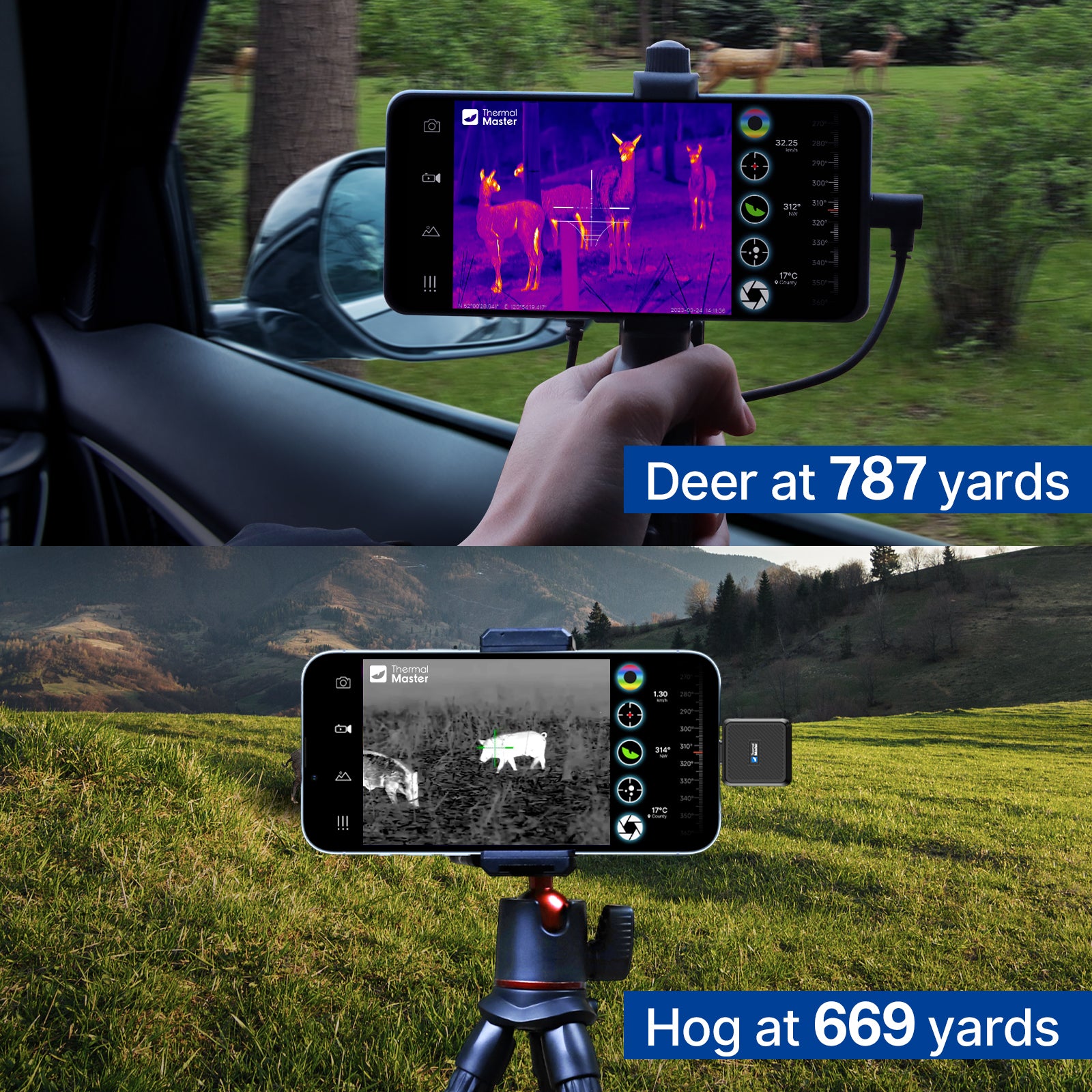
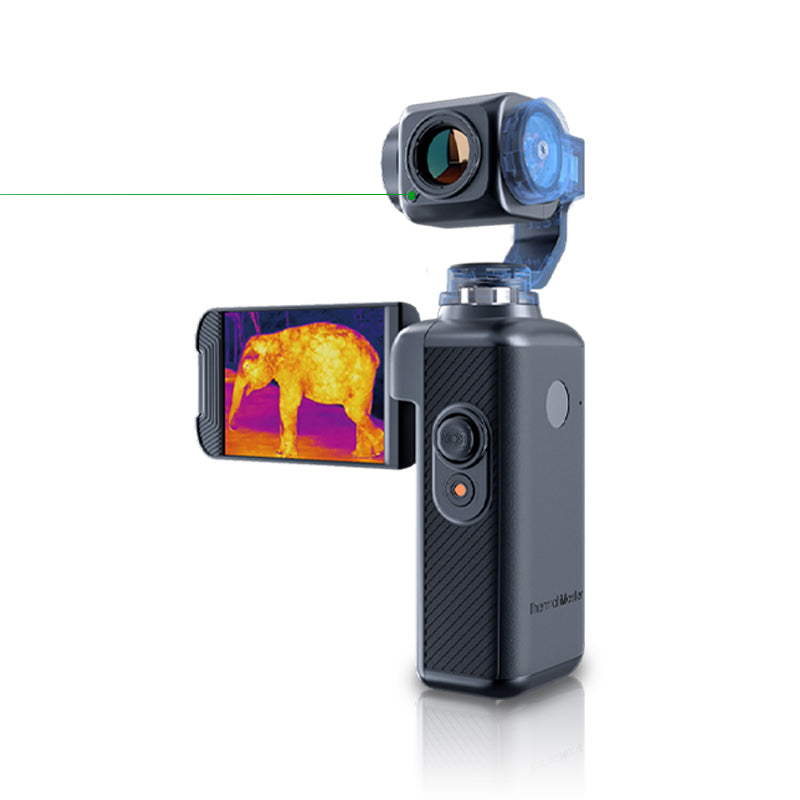
 Liquid error (sections/yg-media-with-text line 149): invalid url input
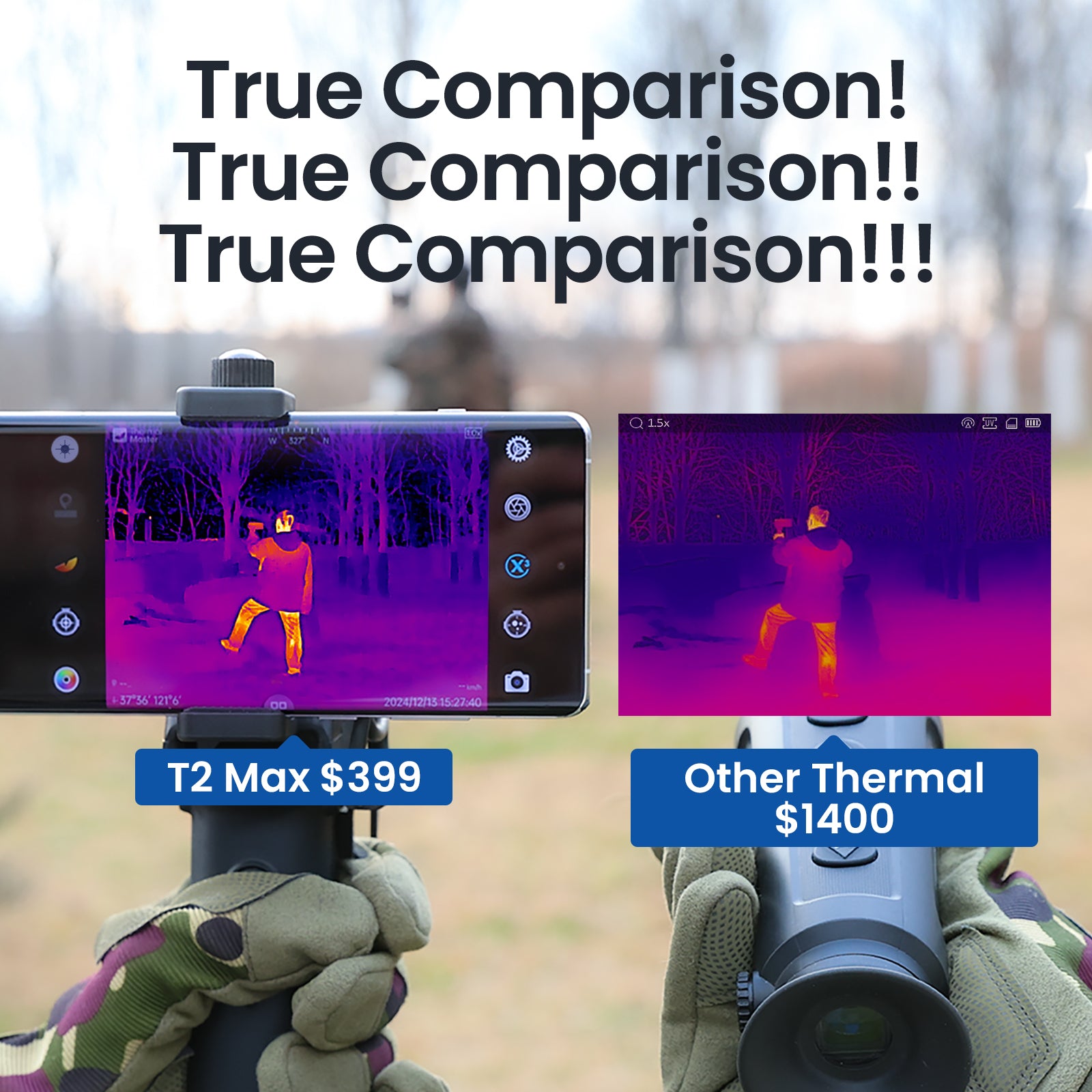
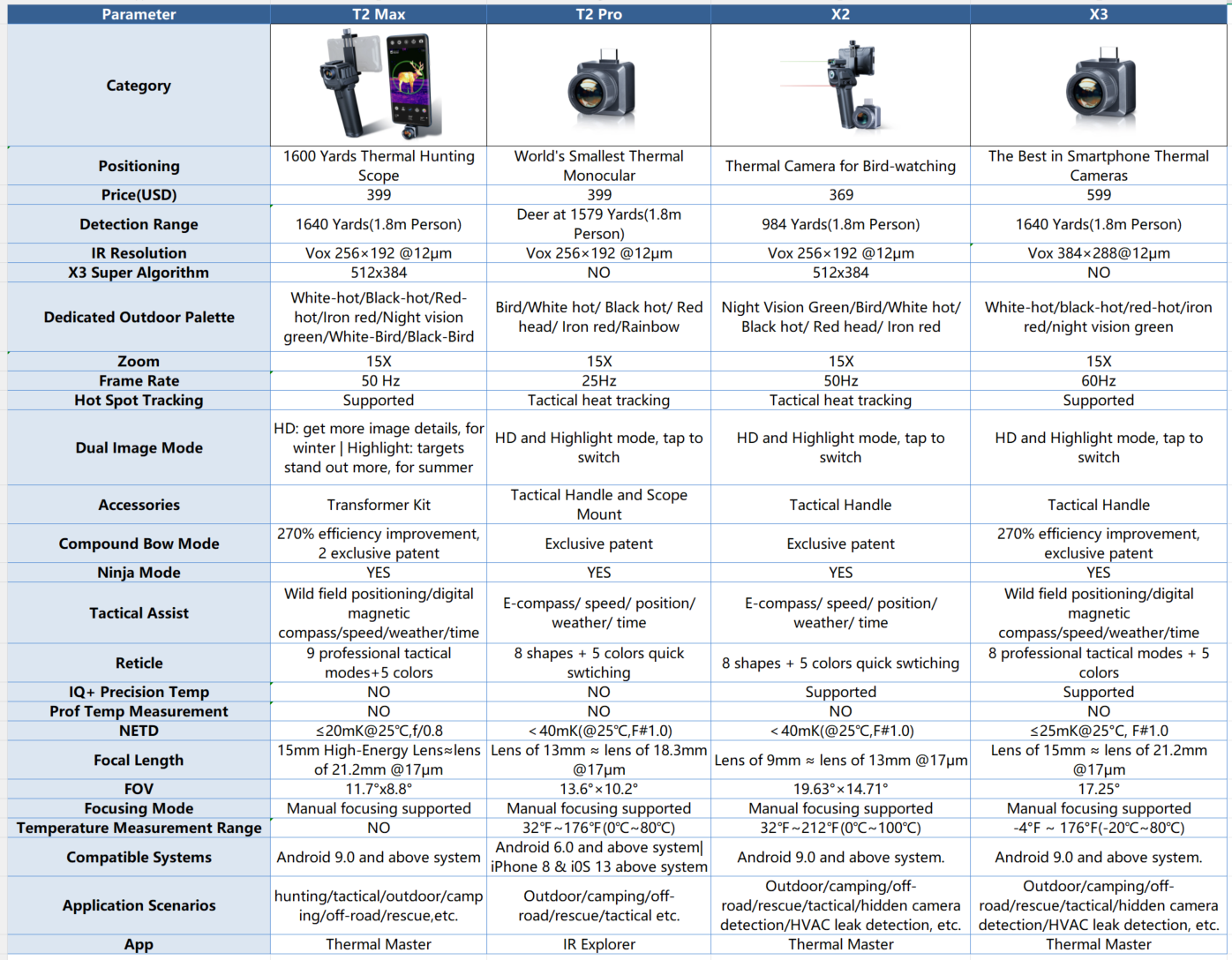
Product Comparison
サーマル単眼鏡はどのように機能しますか?

レイザーX
Thermal Master は熱画像のコア技術を保有しており、最先端の高感度検出器と ASIC 画像プロセッサを独自に開発しています。その中核となるのは、AI ディープラーニングを組み合わせてノイズと干渉をインテリジェントに抑制する強力な Razor X 画像処理エンジンです。
Razor X は、キャプチャされた各フレームをリアルタイムで分析し、さまざまなシナリオに基づいて最適なアルゴリズムを適応させて、画像のダイナミック レンジを強化します。これにより、画像がより鮮明でシャープになるだけでなく、ターゲットがより目立つようになります。
X³ターボ超解像度
赤外線検出器の物理的なピクセル境界を打ち破る当社の X³ テクノロジーは、解像度を 256 から 512 に高めます。X³ テクノロジーは、真の画像を復元しながら、何百万ものデータ ポイントを使用し、ニューラル ネットワークのディープラーニング アルゴリズムとマルチシーン インテリジェント AI 認識を活用して、リアルタイムのスマート補間を実行します。その結果、より詳細で洗練された画像が得られ、複雑な屋外環境でも遠くの微妙なターゲットを簡単に識別できるようになります。
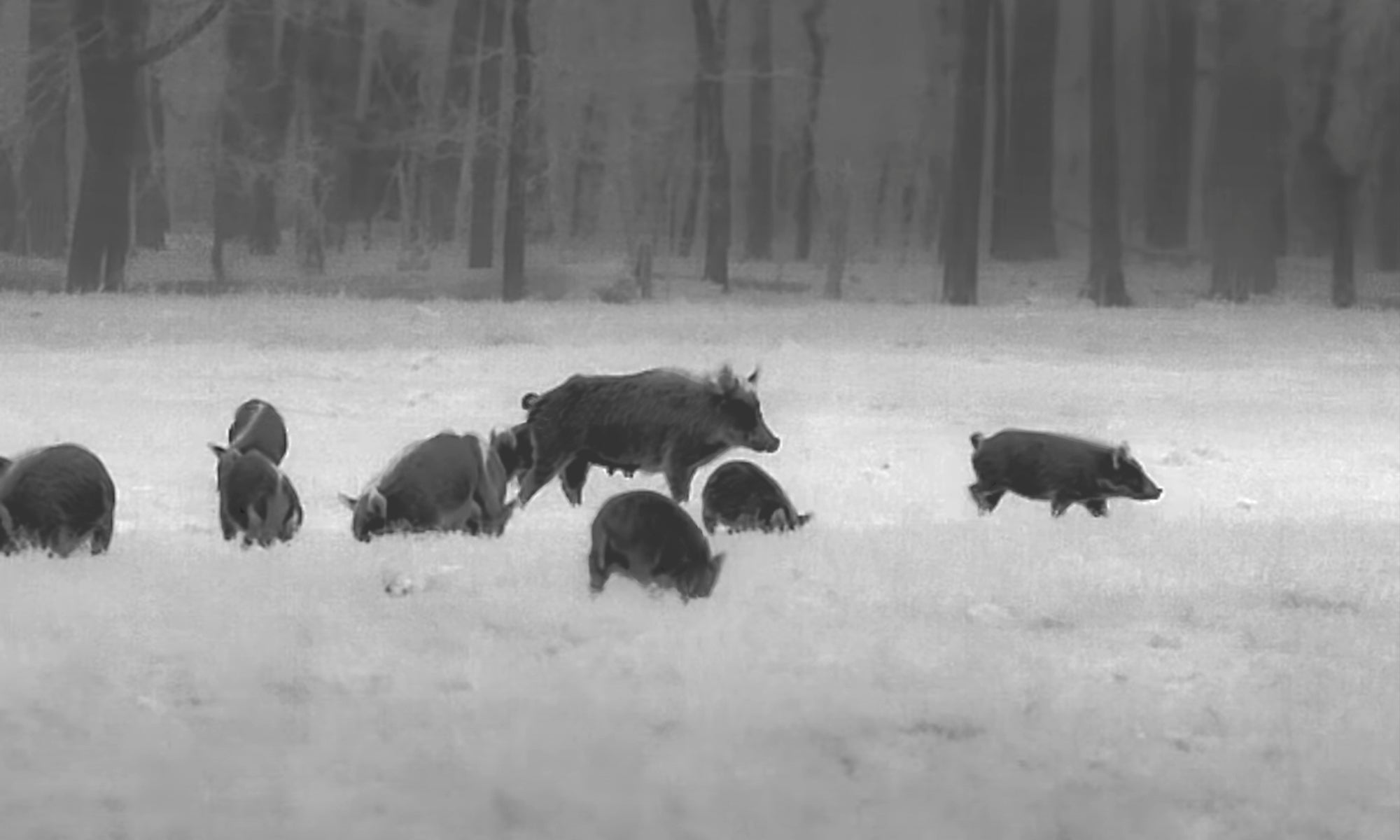
X³オフ
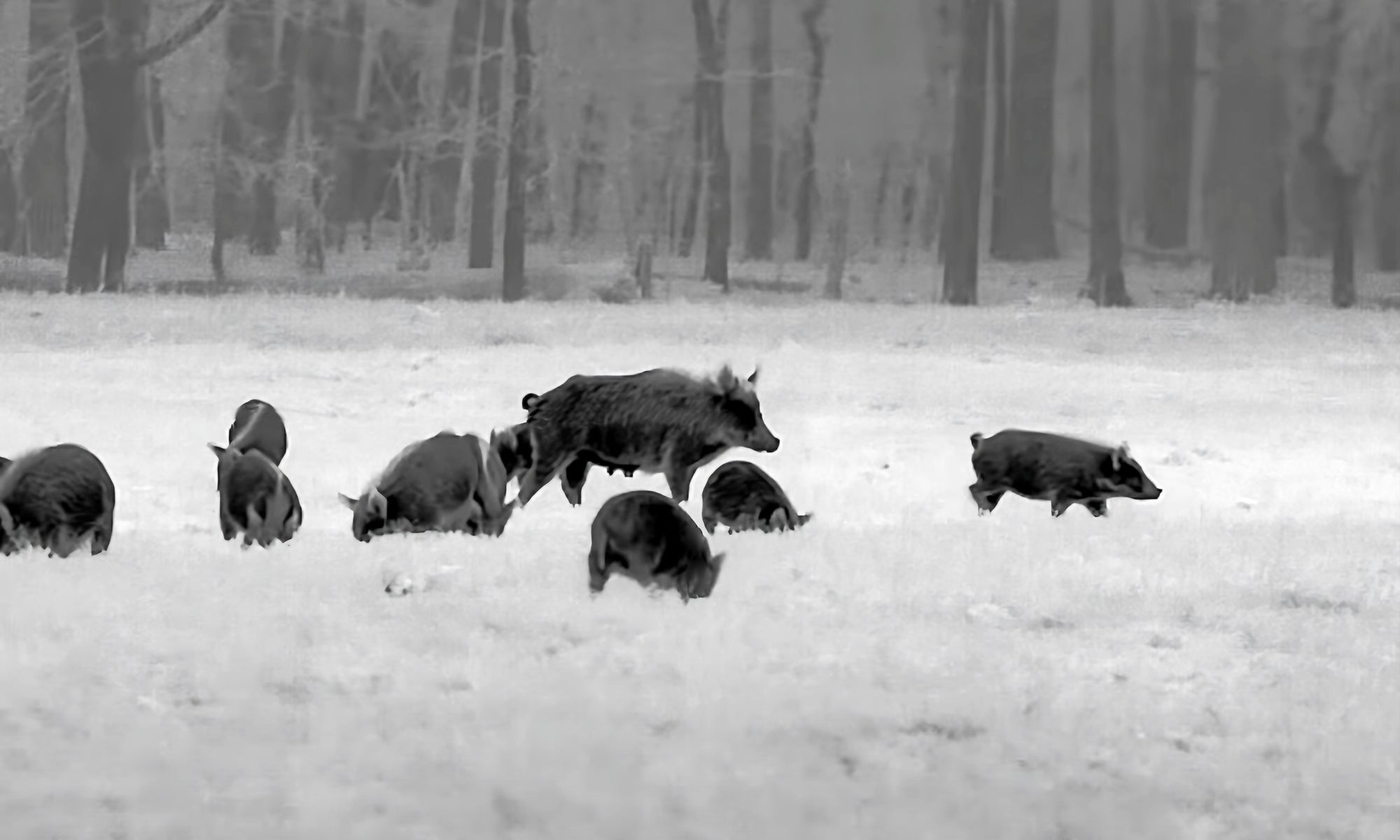
X³オン
インサイト+
インテリジェントな偽ターゲット排除システム。周囲温度が高い環境でサーマルイメージングを使用すると、屋外の岩や木の幹が明るく見え、実際のターゲットと混同されることがあります。Insight+ は、何百万ものデータ ポイントと AI ディープラーニングに基づいて、ジャングル、丘、平原などのさまざまなシーンで実際のターゲットと偽のターゲットをインテリジェントに区別し、一目で真実を明らかにします。
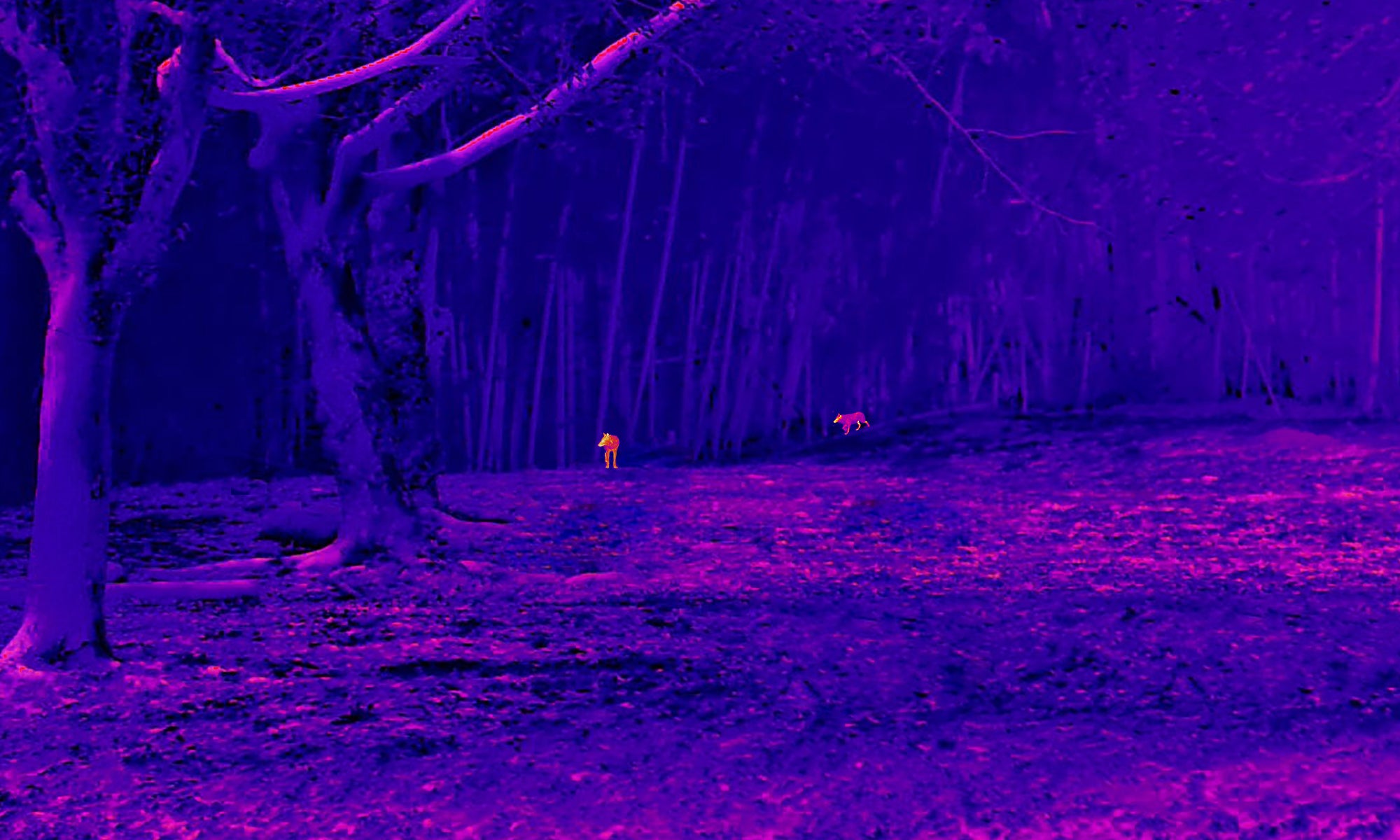
Insight+なし
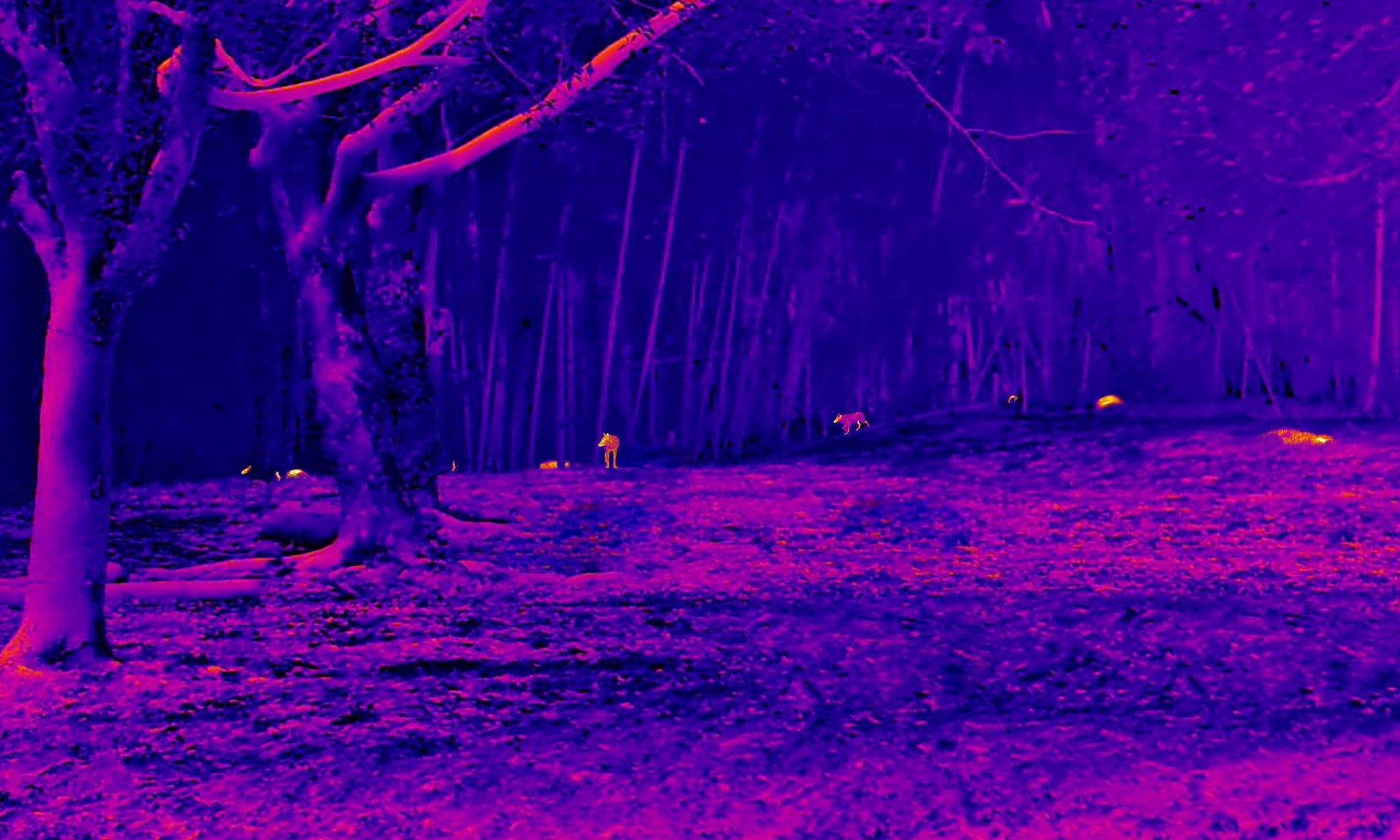
Insight+で
スーパーバード
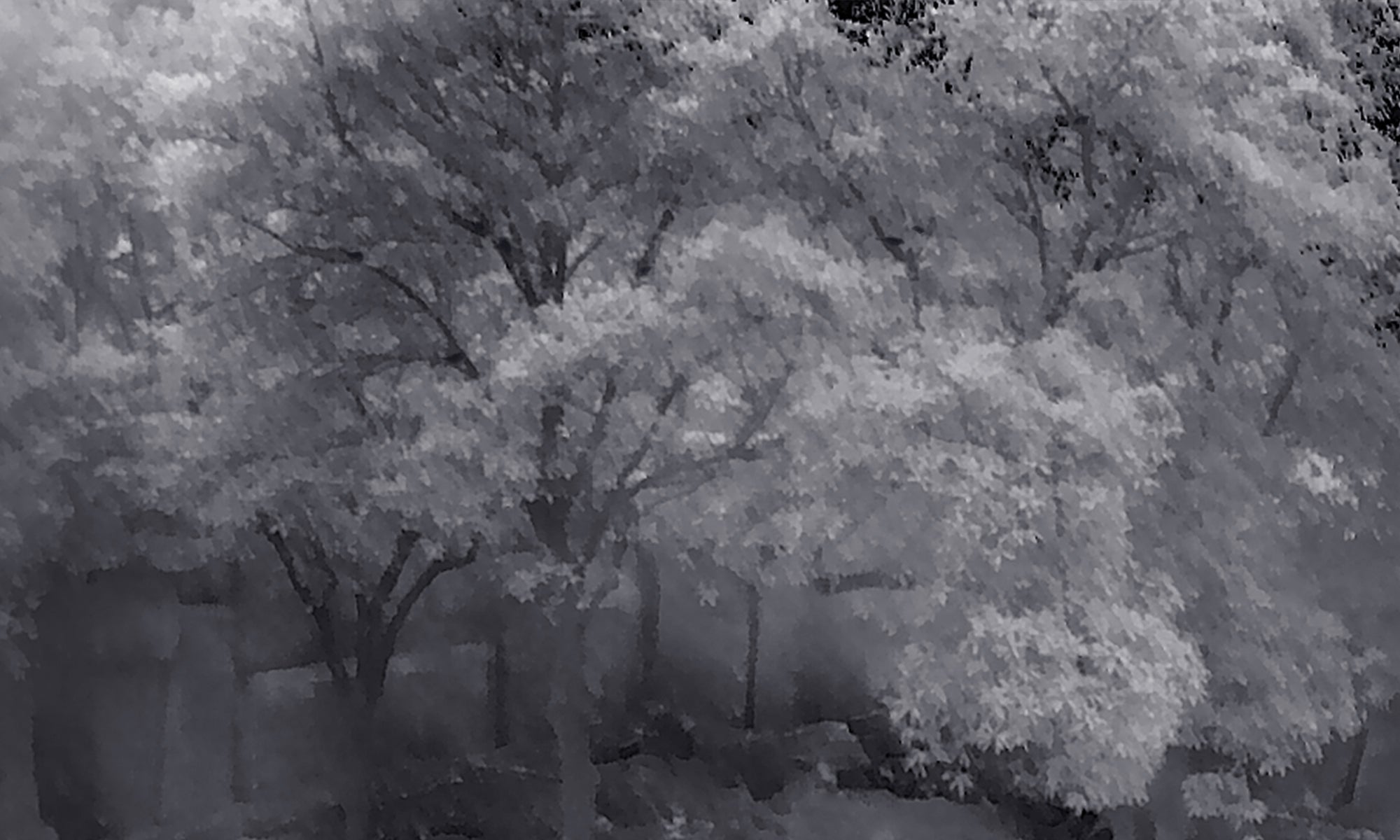
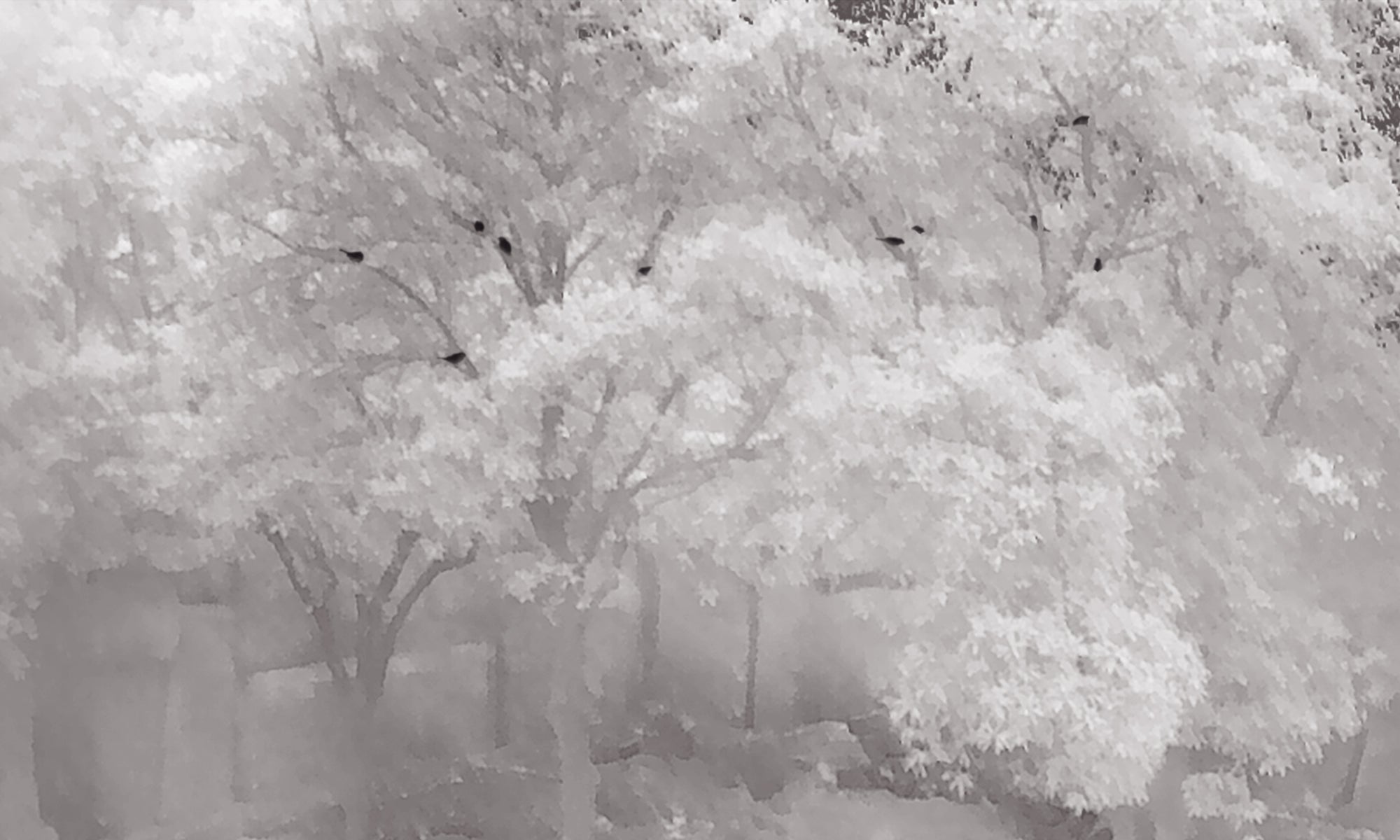
熱画像撮影における「空効果」は、アウトドア愛好家にとって難題です。木に止まっている鳥や遠くの草むらにいるイノシシを観察する場合、熱画像に空が映り込むと、木の幹や草が明るく見え、対象物が背景に溶け込んでしまいます。Super Bird は、空効果を極限まで抑えることで他の熱画像撮影「Bird」モードを凌駕しており、アウトドア愛好家の間で「魔術師」というニックネームが付けられています。
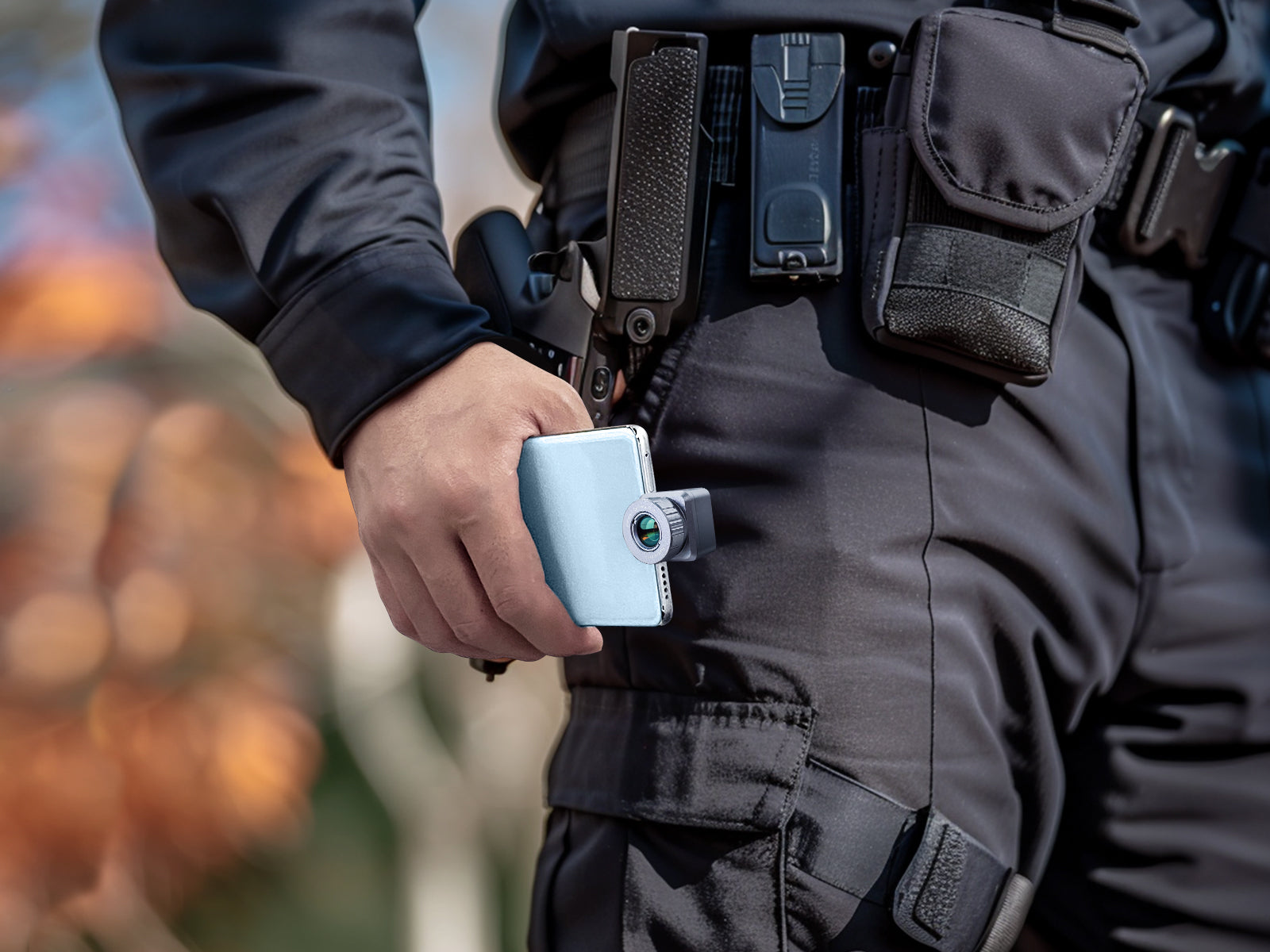
屋外で携帯電話のサーマル イメージング装置を使用すると、画面の光が観察者を露出させ、対象者を驚かせる可能性があります。 Thermal Master 独自の長焦点サーマル イメージング用 Ninja モードは、2 メートルを超える暗闇でも光を発さず、完全なステルス性を実現します。 警察や警備員は暗闇でも姿を消すことができます。 「私はあなたを見ていますが、あなたは私を見ていません。」
屋外で携帯電話のサーマル イメージング装置を使用すると、画面の光が観察者を露出させ、対象者を驚かせる可能性があります。 Thermal Master 独自の長焦点サーマル イメージング用 Ninja モードは、2 メートルを超える暗闇でも光を発さず、完全なステルス性を実現します。 警察や警備員は暗闇でも姿を消すことができます。 「私はあなたを見ていますが、あなたは私を見ていません。」
Thermal Monocular FAQs
Can a thermal hunting scope be used in fog or smoke?
Can a thermal hunting scope be used in fog or smoke?
In many cases, a thermal hunting scope performs better than traditional optical scopes in light fog or smoke because it detects heat rather than relying on visible light. This can improve target detection when visibility is reduced by environmental conditions.
However, heavy fog, dense smoke, or extreme weather can still limit image clarity and detection range. Even so, a thermal hunting scope often offers more reliable performance than standard optics in challenging environments.
Can a hunting scope be used for wildlife observation?
Can a hunting scope be used for wildlife observation?
Absolutely, a hunting scope with thermal imaging is also widely used for wildlife observation and monitoring. It allows you to observe animals from a distance without disturbing their natural behavior, especially at night.
This makes thermal scopes useful for research, conservation, and outdoor exploration in addition to hunting. Using a hunting scope for observation provides a discreet way to study animal movement and behavior in their natural habitat.
Does a thermal scope require batteries?
Does a thermal scope require batteries?
Yes, a thermal scope requires batteries to power its sensor, image processor, and display system. Battery life varies depending on usage, brightness settings, and environmental temperature, so power management is an important consideration.
For longer hunting trips, carrying spare batteries or a backup power source is strongly recommended. Reliable power ensures that a thermal scope remains operational when needed most, especially during extended nighttime or remote hunting sessions.
Can a hunting scope be used at night?
Can a hunting scope be used at night?
Yes, a hunting scope equipped with thermal imaging is highly effective for nighttime use. Unlike traditional optical scopes that rely on moonlight or artificial illumination, thermal scopes detect heat directly from animals.
This allows hunters to maintain visibility even in complete darkness or low-contrast environments. A thermal-enabled hunting scope provides consistent detection throughout the night, helping hunters track movement and identify targets without relying on external light sources.
How do I choose the right thermal hunting scope?
How do I choose the right thermal hunting scope?
Choosing the right thermal hunting scope starts with understanding how and where you hunt. Factors such as typical shooting distance, terrain type, and whether you hunt primarily at night or during the day all influence which features matter most.
Hunters in open areas may prioritize longer detection ranges, while those in dense forests may value compact size and fast image refresh. Selecting a thermal hunting scope that aligns with your real hunting habits ensures better performance and long-term satisfaction without unnecessary complexity.
Can a thermal hunting scope be used for hunting?
Can a thermal hunting scope be used for hunting?
Yes, a thermal hunting scope is specifically designed for hunting and is widely used by hunters who need reliable target detection in low-light or nighttime conditions. Instead of relying on visible light, it detects heat signatures emitted by animals, making it easier to locate game even when visibility is limited by darkness, vegetation, or terrain.
This capability is especially useful for identifying animals that are partially hidden or not moving. By using a thermal hunting scope, hunters can improve situational awareness, reduce missed sightings, and make more informed decisions while maintaining safety and accuracy in challenging hunting environments.
Can a thermal scope be used during the day?
Can a thermal scope be used during the day?
Yes, a thermal scope can be used effectively during the day because thermal imaging technology is not affected by sunlight or brightness. It detects temperature differences between objects and their surroundings, which remain present regardless of lighting conditions.
During daytime hunts, animals often rest in shaded areas, tall grass, or dense cover where they are difficult to spot with traditional optics. In these situations, a thermal scope can reveal heat signatures that are otherwise invisible, helping hunters identify animal presence even when visual contrast is low.
How do I maintain a thermal scope?
How do I maintain a thermal scope?
Proper care is essential to ensure a thermal scope continues to perform reliably over time. Maintenance includes gently cleaning the lens with appropriate materials, protecting the device from moisture, dust, and impacts, and storing it in a protective case when not in use.
It is also important to avoid exposing the device to extreme temperatures or sudden environmental changes. Regular inspection and responsible handling of a thermal scope help preserve image clarity, extend equipment lifespan, and ensure consistent performance during every hunting season.
What features should I look for in the best thermal scope?
What features should I look for in the best thermal scope?
When searching for the best thermal scope, it is important to evaluate features that directly affect real-world performance rather than focusing only on specifications. Sensor resolution and thermal sensitivity influence how clearly animals stand out from the background, while detection range determines how far targets can be identified.
Battery life, durability, and image processing quality also play a significant role in field usability. The best thermal scope is one that balances image clarity, reliability, and ease of use to match your specific hunting conditions.