



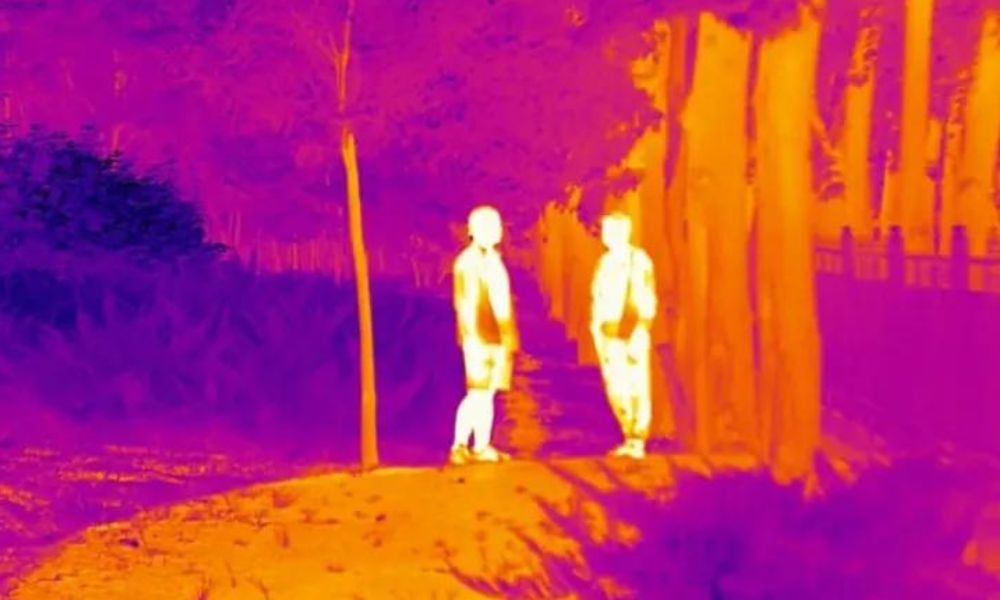
Thermal imaging cameras don't rely on visible light; instead, they detect heat. This is why hiding in the dark or wearing ordinary clothing won't make you invisible. So, is it really possible to evade thermal imaging detection? Below, we'll analyze in detail how thermal imaging cameras work, what factors can block them, and practical ways to reduce thermal detection.
Is It Actually Possible to Hide from Thermal Cameras?
No, in most real-world situations, it’s very hard to completely hide from thermal cameras. These devices detect heat differences, not visible light, so as long as your body temperature stands out from the surrounding environment, you’re likely to be detected. While certain materials or conditions can reduce how clearly you appear, truly “disappearing” from thermal imaging isn’t realistic.
Modern thermal imagers are highly sensitive to minute temperature differences. Thermal Master devices, for example, can capture subtle temperature contrasts in real time, allowing for reliable detection in both day and night conditions.
How Thermal Cameras Detect Heat?
Unlike ordinary cameras that detect visible light, thermal cameras detect infrared radiation, capturing the natural heat emitted by all objects. Their working principle is as follows:
All Objects Emit Infrared Radiation
Any object with a temperature above absolute zero emits infrared radiation. This includes people, animals, buildings, vehicles, and even the ground. The higher the object's temperature, the more infrared radiation it emits. Since the human body is warmer than its surroundings, it is very clear in thermal images.
The Sensor Detects Temperature Differences
The thermal camera contains a special infrared sensor called a microbolometer. It measures temperature differently from a thermometer; it detects the difference in thermal energy between objects. Even minute temperature changes can be detected, revealing details invisible to the naked eye.
Thermal Energy is Converted Into Digital Signals
When infrared energy reaches the sensor, it is converted into an electrical signal. The camera's internal processor then converts this electrical signal into digital data. More advanced cameras can enhance this data in real time, improving clarity and contrast.
Image Displayed as a Heatmap
Finally, the camera displays the processed data as an image. Different temperatures are displayed in different colors or grayscale levels. Warmer areas are brighter or have warmer tones, while cooler areas are darker. What you see is a thermal map, not a traditional photograph.

What Blocks Thermal Imaging?
Thermal imaging cannot be "blocked" like visible light, but certain materials can reduce or prevent the penetration of infrared radiation.
- Solid Obstacles: Thick, solid materials such as concrete, brick, wood, and insulation materials can block thermal imaging because infrared radiation does not easily penetrate dense surfaces. However, thermal imagers can still detect temperature differences on the surface of objects.
- Reflective Metallic Surfaces: Metals such as aluminum can reflect infrared radiation but cannot emit it. Therefore, materials such as metal foil or metal emergency blankets can reduce the visible heat signal. This can be understood as reflected heat from the environment still potentially appearing on the object's surface.
- Water (in Some Cases): Water can block infrared radiation to some extent; for example, objects completely submerged in water are difficult for thermal imagers to detect. However, temperature differences in exposed body parts or surfaces can still be seen.
- Minimal Temperature Contrast: The most effective way to "block" infrared radiation is to reduce temperature contrast. If an object's temperature is very close to its ambient temperature, thermal imaging can have difficulty distinguishing it. Therefore, the camera is not obstructed; only the contrast to be detected is reduced.
4 Practical Ways to Reduce Thermal Detection
In most practical situations, completely avoiding thermal imaging detection is unrealistic. You can reduce your chances of being detected by lowering your thermal contrast with your surroundings. Here are four practical methods:
Reduce Temperature Contrast
Thermal imagers work by detecting temperature differences. The lower the temperature contrast between you and your environment, the less noticeable you will be. For example, sunlight-drenched ground or warm buildings help you blend more naturally into your surroundings. Conversely, in cold environments, the human body is more visible.
Use Insulating Layers
Warm clothing slows down the rate at which body heat is transferred to the skin. Thick or multiple layers of clothing initially reduce your thermal signature. However, over time, the outer layers of clothing will warm up, so your presence may still be detected.
Use Reflective Barriers
Some metals or reflective materials can reflect some infrared radiation (instead of emitting it directly). This reduces the heat displayed on the surface. However, reflective materials can also create unusual thermal imaging patterns, which can still attract attention.
Minimize Movement
Movement makes the human body easier to spot because the human silhouette is more prominent against a stable background. Remaining still and moving slowly can make you less noticeable in thermal imaging. Rapid or sudden movements, on the other hand, are more easily detected.
Common Myths That Don’t Work
There are many claims online about easily "avoiding" thermal imagers, but most are exaggerated or misleading. For example, wearing thick clothing, using an umbrella, or simply covering the body with clothing cannot completely prevent thermal imagers from detecting you. These methods may reduce how heat is emitted, but they do not eliminate the temperature difference between the body and the environment.
Another common misconception is that household items like aluminum foil can completely block thermal imagers. While some reflective materials can reduce infrared radiation under certain circumstances, they do not provide complete concealment in real-world environments. Unless the thermal contrast is significantly reduced, there is still a possibility of detection.
Conclusion
So, can you evade detection by a thermal imager? In most real-world situations, the answer is no; you can't completely avoid it. Thermal imagers work by detecting temperature differences, and as long as there's a difference between your body temperature and the ambient temperature, you can be detected. Certain materials or environmental conditions may reduce your visibility in a thermal imager, but they won't make you completely invisible.
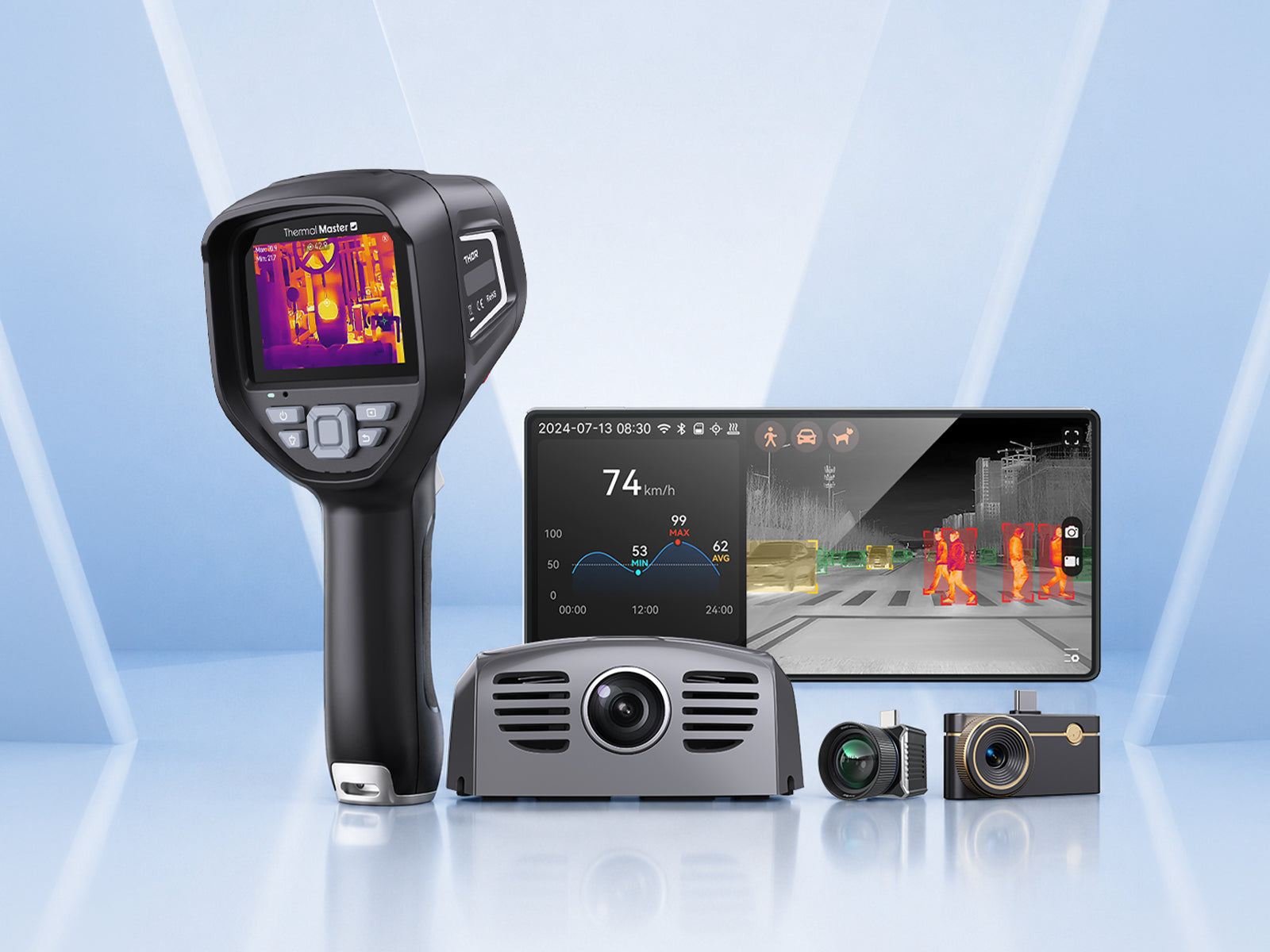
If you are interested in understanding the performance of modern thermal imaging technology in practical applications, professional-grade equipment like the Thermal Master Thor 001 can give you a clearer understanding of the capabilities and limitations of thermal imagers.

FAQs
Can thermal cameras see through walls?
No, thermal imaging cameras cannot see through walls. They detect the infrared radiation emitted by the surface of an object, not the object itself, hidden behind solid material. If there are temperature differences in the wall, such as due to heat leaks, pipes, or wires, the thermal imaging camera might detect these differences. But it cannot see through walls and cannot reveal what is behind them.
Can thermal cameras detect you at night?
Yes, thermal imaging cameras can detect you at night, and more clearly than during the day. Because thermal imaging relies on heat rather than visible light, it works in complete darkness. Furthermore, the temperature difference between the human body and the environment is greater in the cooler nighttime conditions, making the person more clearly visible in the thermal image.
Can you use thermal imaging while hunting?
Yes, thermal imaging technology can be used for hunting, such as in low light or at night. Thermal imaging devices detect heat rather than visible light, making it easier to spot animals in darkness, fog, or bushes. However, hunting regulations vary from place to place, so be sure to check local laws to ensure that thermal imaging technology is permitted for the game you are hunting and the hunting season.
Related Reading:


コメントを書く
全てのコメントは、掲載前にモデレートされます
このサイトはhCaptchaによって保護されており、hCaptchaプライバシーポリシーおよび利用規約が適用されます。