



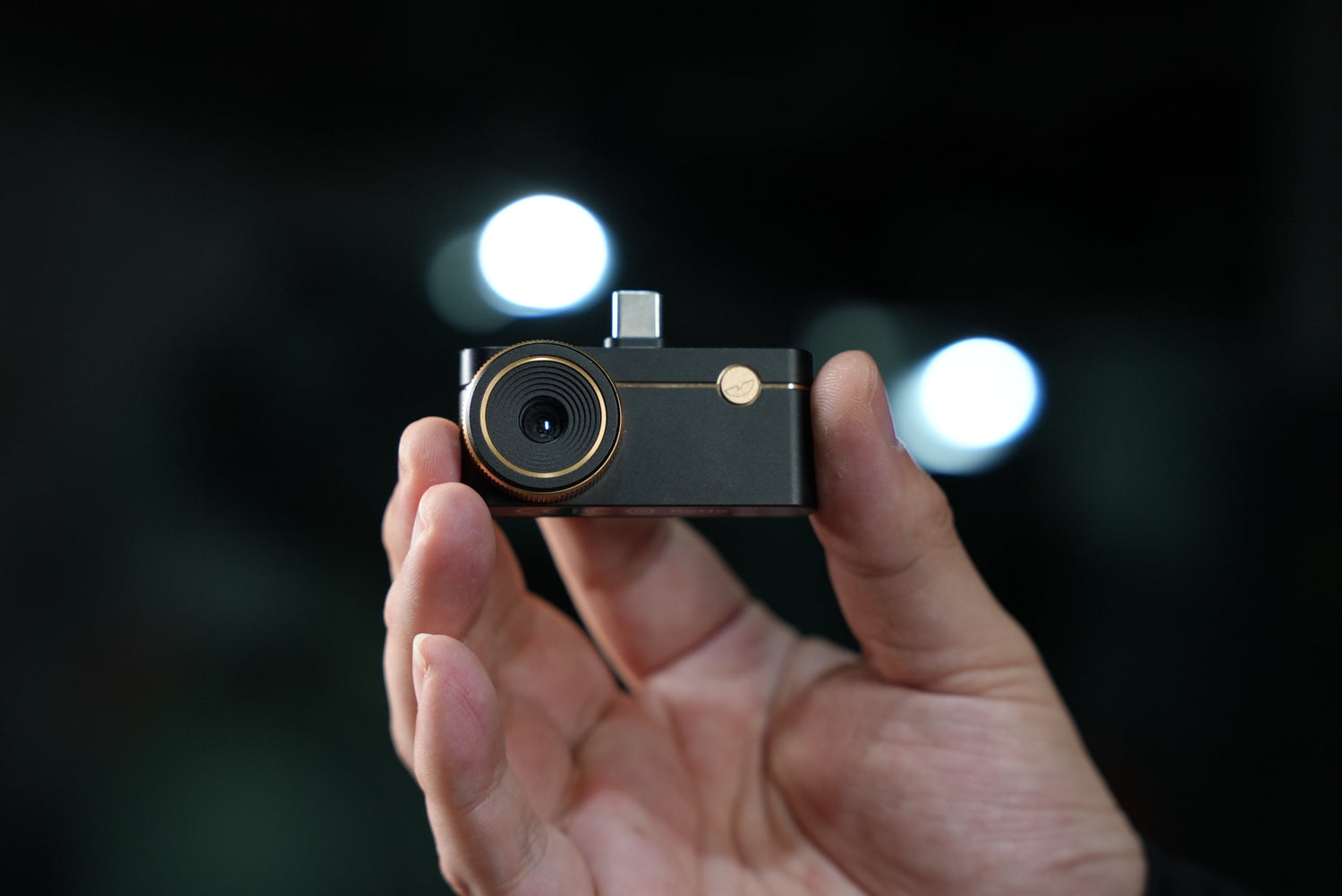
"Why are my AC bills getting higher, but my home still won't cool down?" Andy posted a question on social media. After recommendations from other users, she used a thermal camera for home energy audit and discovered that aging door seals had created air gaps, causing cool air to escape.
A small thermal camera helped her find a hidden problem that was impossible to spot with the naked eye. So, what other causes of cooling loss can thermal cameras help identify?
Why Can Thermal Cameras Detect These Problems?
Thermal cameras for home energy audits provide a more efficient way to identify these hidden problems by showing temperature differences across walls, windows, and HVAC components.

Small air leaks
Insufficient insulation
Hidden moisture inside walls
Cooling loss from ductwork
These problems can be difficult to identify during a standard inspection. Thermal cameras detect temperature differences across surfaces and convert hidden issues into visible thermal images.
Top 3 Energy Loss Problems Found with Thermal Cameras
Thermal cameras for home energy audits are especially useful for finding issues that are difficult to detect through traditional inspection methods.
Cold Air Leaks Around Windows and Doors
"Since summer started, my air conditioner has been running almost nonstop, yet some rooms in my home still don't feel cool enough, and my energy bills keep rising." After moving into an older home in Texas, David quickly noticed this issue. He used a thermal camera for a home energy audit to scan the house and discovered that the problem was not the AC system itself, but hidden cold air leaks inside the home.

HVAC Duct Leaks Reduce Cooling Efficiency
An HVAC system should distribute cool air evenly throughout the home. However, if ductwork is damaged or poorly sealed, cooled air can escape before reaching the intended areas.
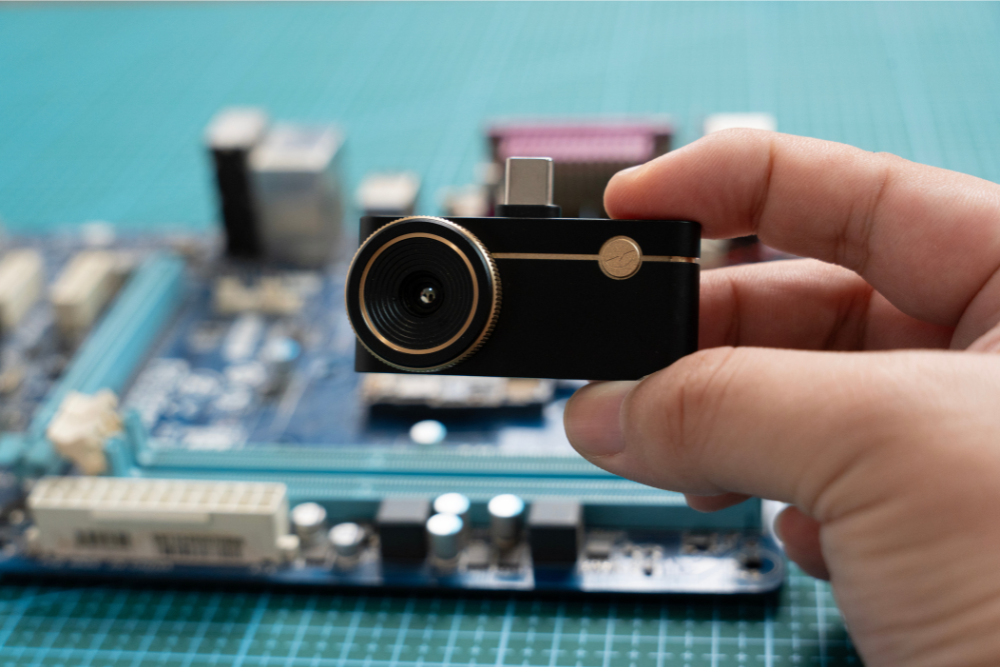
Ethan recently experienced this issue. Since an HVACR technician was not available right away, he borrowed his neighbor's Thermal Master P3, which was used for professional inspections, to check the system himself.

While scanning the ductwork, Ethan noticed an area near the front section of the duct showing a clear temperature difference on the thermal image. He then adjusted the focus for a more detailed inspection and confirmed a small air leak at the poorly sealed connection.
This is one of the common applications of thermal cameras for home energy audits, helping users quickly identify airflow problems that reduce HVAC efficiency.
Hidden Moisture Reduces Insulation Performance
When his wife noticed the damp spot on the bedroom wallpaper getting worse, John used his P3, originally purchased for PCB inspection, to scan the wall.

The thermal image revealed an abnormal temperature pattern extending downward from the top of the wall. Further inspection showed that a leak from the upstairs bathroom had allowed water to enter the wall and damage the insulation.
This also explained why the bedroom was harder to cool than other rooms. John initially blamed the AC, but the real issue was damaged insulation causing cooling loss.
How to Choose the Right Thermal Camera for Home Energy Audits ?

Higher resolution makes temperature differences easier to see, helping users locate problems more accurately. With Super Resolution enabled, the P3 delivers 512 × 384 resolution, while its low thermal sensitivity captures subtle temperature changes more clearly.
A higher frame rate provides smoother imaging and faster inspections. The P3’s manual focus ring allows users to scan large areas first, then adjust focus for detailed checks to locate issues like air leaks.

With dual-system compatibility, the P3 is easy for anyone at home to use, helping homeowners quickly identify problems and find the right solution.
P3: Recognized by Tom's Guide, Built to Cut Your Bills
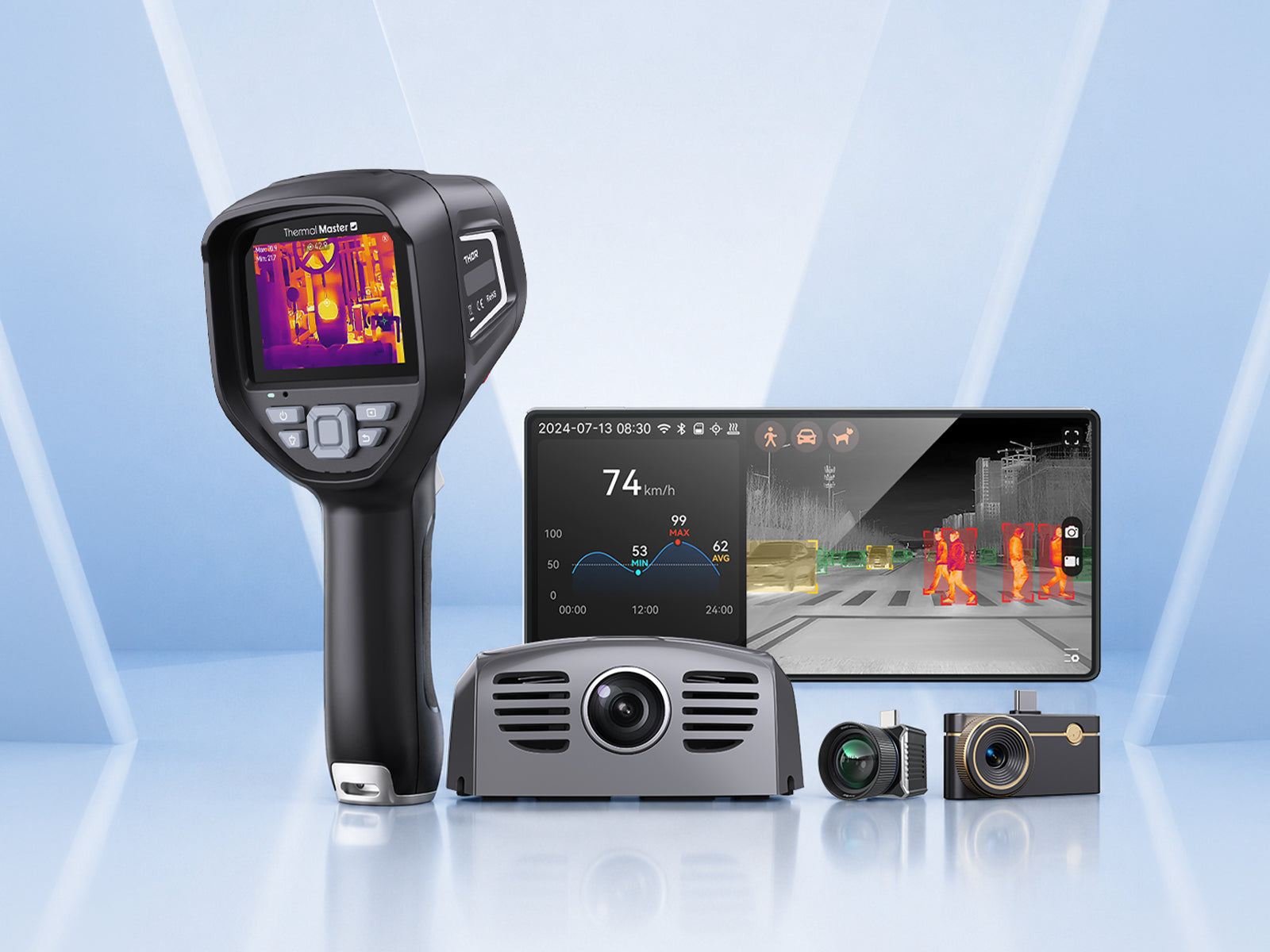
In its 2026 AI Awards, Tom's Guide named the Thermal Master P3 one of its "20 Future-Shaping Products," describing its performance as offering "predator-like vision to see through the darkness." The P3 is equipped with three in-house developed AI technologies, allowing it to more clearly reveal heat distribution patterns invisible to the naked eye.

With the P3, you can directly spot poorly insulated walls, drafty window seals, and heat loss around vents that traditional inspections often miss. As a practical thermal camera for home energy audits, it helps homeowners and professionals find hidden energy loss problems earlier. Fixing these issues early helps lower your home energy bills.
Read More
How to Do Thermal Imaging Equipment Maintenance?
How Do You Maintain a Heat Pump Using a Thermal Camera?
Thermal Imaging Camera for Building Inspection: A Complete Guide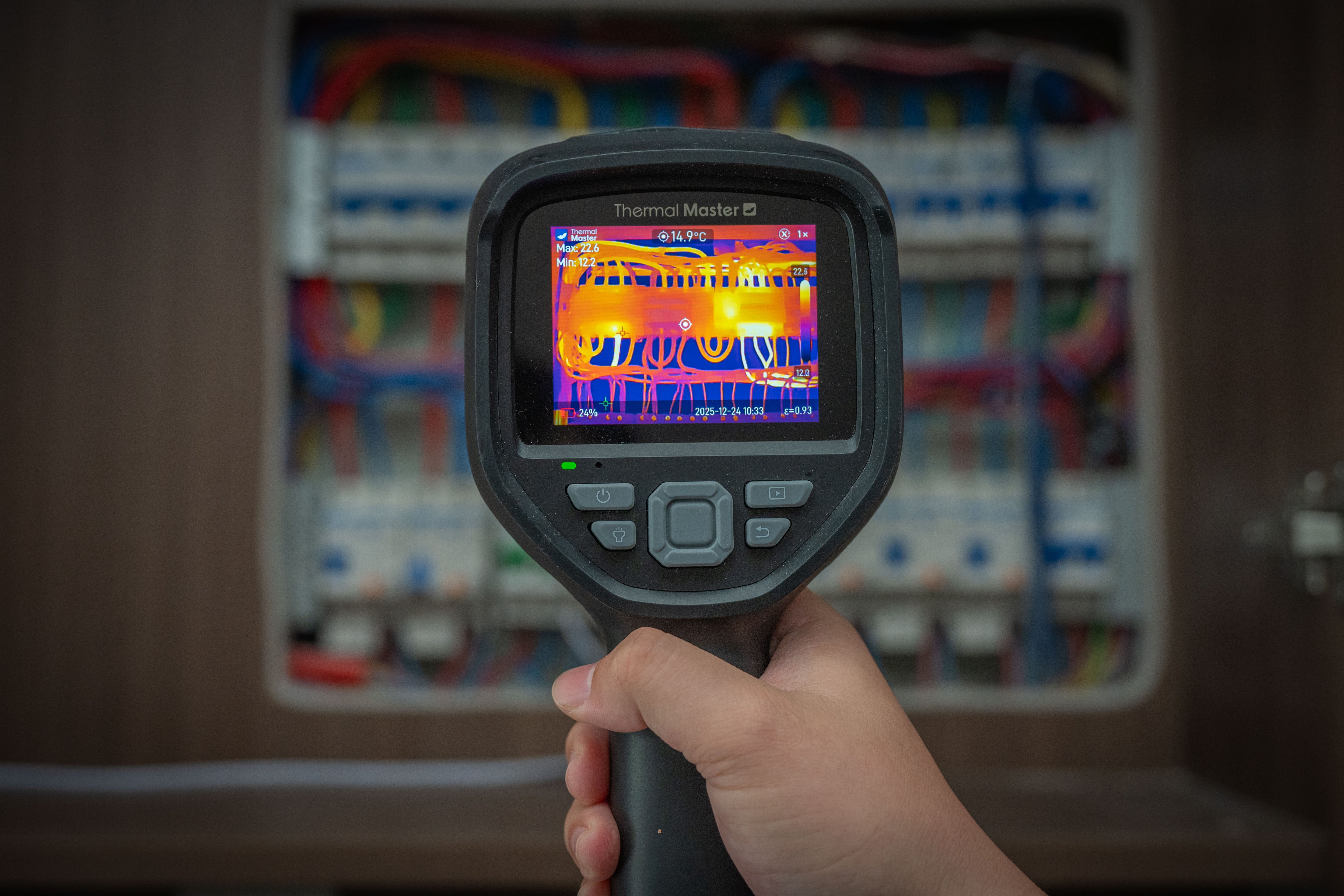

コメントを書く
全てのコメントは、掲載前にモデレートされます
このサイトはhCaptchaによって保護されており、hCaptchaプライバシーポリシーおよび利用規約が適用されます。