



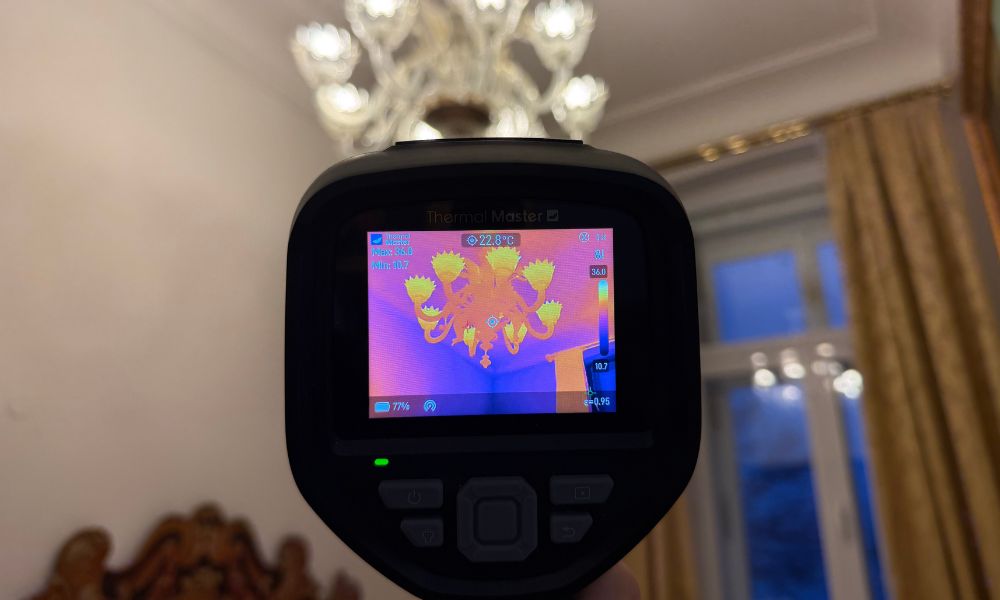
Thermal imaging cameras are used to help you discover hidden problems, such as moisture behind walls, overheated electrical components, gaps in insulation, or mechanical failures. You can quickly identify problems without guessing, allowing you to make more informed decisions.
Why Are Thermal Imaging Cameras So Useful in Inspections?
Thermal imaging cameras are incredibly useful in inspections because they allow you to see temperature differences invisible to the naked eye. Without guessing where the problem lies, you can quickly identify unusual thermal patterns and narrow down the problem area.
For home and building inspections, thermal imaging cameras can detect moisture hidden behind walls and ceilings, gaps in insulation, or air leaks. In electrical systems, it allows you to easily locate overheated circuit breakers, loose connections, or overloaded wiring. For HVAC systems, a thermal camera can reveal airflow problems or faulty components without disassembling any equipment.
Because the process is non-invasive, it's faster and less disruptive. You can find the root cause of a problem without opening walls or disassembling equipment. In short, thermal imaging technology helps inspectors work more efficiently and confidently.

Where Are Thermal Imaging Cameras Commonly Used?
Thermal imaging cameras are widely used in various situations where hidden temperature differences can be quickly and safely detected. Below are some common applications:
1. Building and House Inspection
In residential and commercial buildings, thermal imaging cameras are commonly used to detect insulation gaps, air leaks, or hidden damp areas without opening walls. By scanning ceilings, floors, and exterior walls, uneven heat distribution can be observed, which may indicate energy loss or potential water damage.
2. Electrical Fault Diagnosis
Electricians frequently use thermal imaging technology to locate overheated components and prevent larger problems. For example, loose connections, overloaded circuits, or faulty circuit breakers can generate excessive heat, which can be quickly identified by scanning distribution panels, sockets, and switch cabinets.
3. HVAC System Maintenance
Thermal imaging cameras can inspect the airflow and temperature balance of HVAC ducts and vents. Uneven heating or cooling, blocked pipes, or malfunctioning components will be clearly displayed as abnormal heat distribution.
4. Pipe and Leak Detection
Plumbers use thermal imaging to narrow down the location of hidden leaks or trace underfloor heating pipes. While thermal imaging cameras cannot actually "see" water, they can highlight temperature differences caused by moisture, enabling faster and more non-invasive leak detection.
5. Automotive Repair
In automotive repair, thermal imaging cameras can help identify engine overheating, brake problems, battery malfunctions, or electrical hotspots. By comparing the heat distribution patterns of different components, the accumulation points of abnormal temperatures can be more easily determined.
6. Outdoor and Security Applications
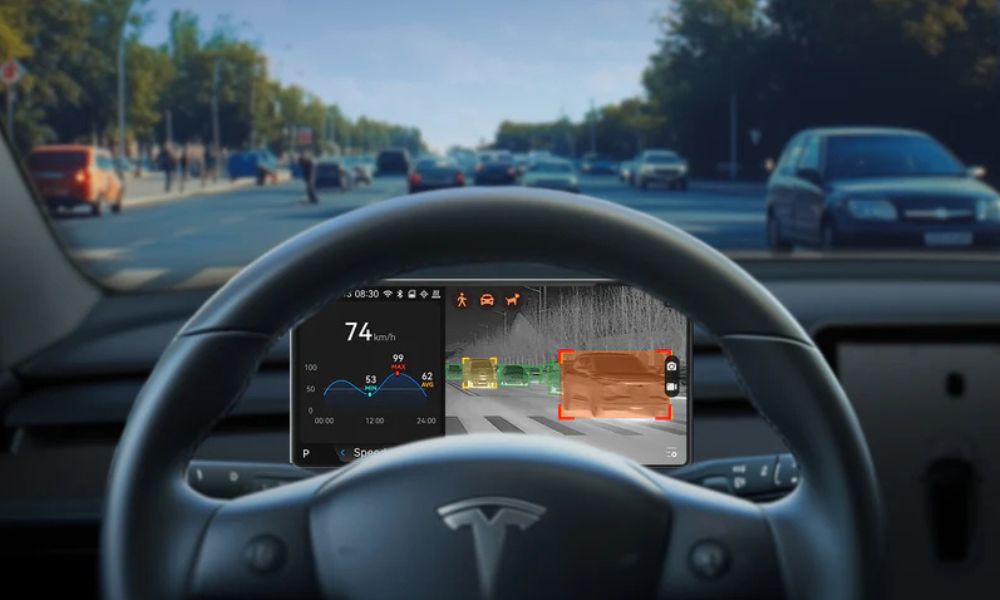
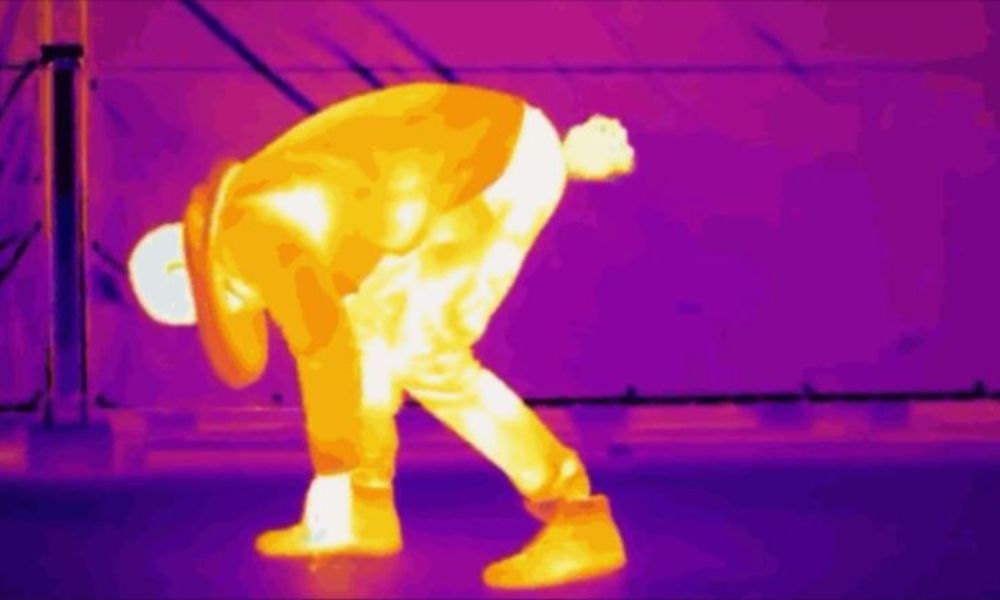
Thermal imaging technology is also used outdoors, such as in wildlife observation, search and rescue, and security monitoring. Because it detects heat rather than light, it works reliably even in low light, foggy conditions, or complete darkness.
What to Look For in a Thermal Imaging Camera?
- Thermal Resolution: Resolution determines the level of detail in a thermal imaging image. Higher resolution provides a clearer image and a stronger ability to detect subtle temperature differences. If you are engaged in professional inspection work, a clearer image detail will simplify the troubleshooting process.
- Temperature Range and Accuracy: Ensure the camera's temperature range meets your work requirements. Electrical systems, engines, and industrial equipment require a wider temperature range and more reliable accuracy to obtain correct readings.
- Thermal Sensitivity (NETD): Thermal sensitivity, expressed in NETD, reflects the camera's ability to detect subtle temperature differences. Lower NETD values result in smoother images and sharper contrast, ideal for use in environments with minimal temperature variations.
- Display and Image Modes: A clear screen and multiple viewing modes (such as thermal imaging only or thermal image fusion) can make inspection work more intuitive. Image enhancement features can also help you identify edges and temperature distribution patterns more quickly.
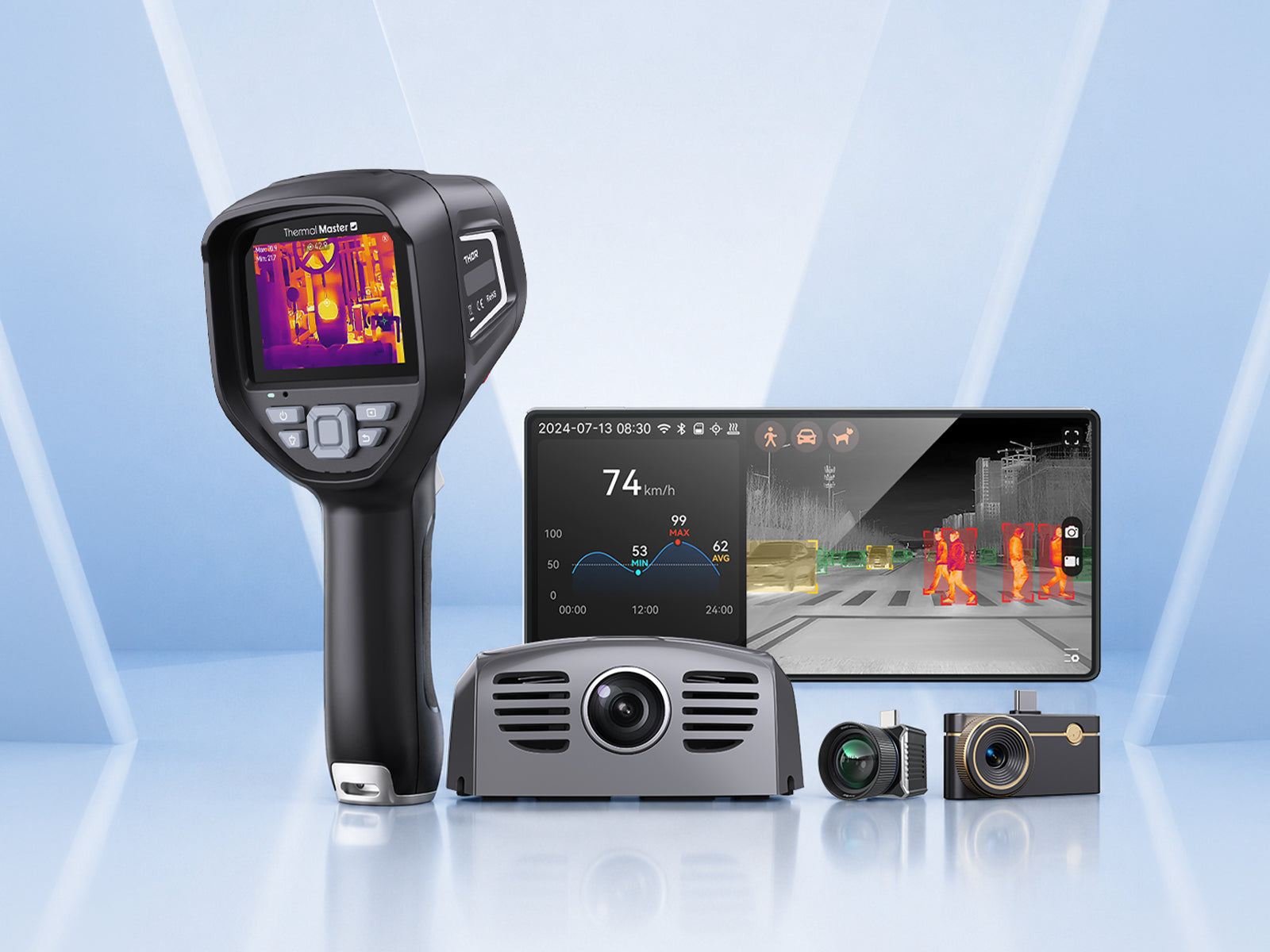
- Portability and Ease of Use: Consider where you will use the camera. Handheld cameras may be more suitable for everyday field work, while compact mobile phone thermal imaging cameras are convenient for quick inspections.
- Software and Data Management: If you need to record examination results, please choose a camera that supports image saving, reporting, or application integration. Good software tools make it easier to view and share examination results.
How to Use Thermal Imaging Cameras?
Using a thermal imager is generally straightforward, but handheld and smartphone thermal cameras differ slightly. Both can identify unusual temperature differences and correctly interpret thermal patterns.
If you are using a Handheld Thermal Imager:
- Power on and wait for the device to calibrate: Wait a few seconds for it to stabilize to ensure accurate readings.
- Adjust key settings: Set the appropriate temperature range and emissivity according to the surface material. Many handheld devices also allow manual focusing or the use of measuring tools for more precise diagnostics.
- Scan slowly and steadily: Move the thermal imager across the scanning area while observing for any unusual hot or cold spots. Also, maintain a constant distance for better comparison.
- Capture images or record data: Most handheld thermal cameras support image saving, temperature point measurement, and even voice or video recording for documentation.
If you are using a Smartphone Thermal Imager:
- Connect the thermal imager and open the app: Ensure the app recognizes the device and allows automatic calibration.
- Select the appropriate mode: Depending on the object being inspected, select thermal imaging only, fusion mode, or overlay mode.
- Carefully scan the area: Keep the phone steady and move it slowly to detect temperature changes. Avoid reflective surfaces to prevent affecting the readings.
- Save and view results within the app: Most apps allow you to adjust the color palette, add notes, or export reports directly from your phone.

Are There Any Limitations of Thermal Imaging?
Yes, thermal imaging does have some limits. It only shows surface temperature differences, so it can’t see through walls or glass. Readings may also be influenced by sunlight, reflective surfaces, or incorrect settings. In short, thermal cameras reveal heat patterns, but you may still need additional inspection to fully understand the problem.
Summary
Overall, thermal imaging cameras are useful because they help make hidden heat patterns easier to see and understand. Whether it’s checking a building, diagnosing electrical issues, or inspecting HVAC systems, they allow problems to be identified more quickly and with less guesswork. While they aren’t perfect, when used properly, thermal cameras are a practical and reliable tool for everyday inspections.
FAQs
Can infrared detect mold in walls?
Infrared cameras cannot detect mold directly, but they can help identify conditions that may lead to mold growth. Thermal imaging reveals temperature differences caused by moisture or water intrusion inside walls, which are common sources of mold. While it doesn’t confirm mold itself, it helps pinpoint areas that may need further inspection.
Can thermal cameras see through tents?
No, thermal cameras cannot truly see through tents. They detect heat emitted from surfaces, so what you see is the temperature of the tent material itself. However, if someone or something inside is producing enough heat, their body heat may create a visible outline or warmer area on the fabric.
How do plumbers detect hidden leaks?
Plumbers typically use tools like thermal cameras, moisture meters, and acoustic listening devices to track down hidden leaks. A thermal camera helps spot temperature changes caused by water behind walls or under floors, while other tools are used to confirm the exact source of the leak.
Do thermal cameras work in daylight?
Yes, thermal cameras work in daylight. They detect heat rather than visible light, so sunlight doesn’t prevent them from functioning. However, direct sun exposure can warm surfaces and affect temperature readings, so results may need careful interpretation.
How accurate are thermal imaging cameras?
Thermal imaging cameras are typically accurate within about ±2°C (or ±2%), depending on the model and how they’re set up. Higher-quality devices can offer better precision when properly calibrated. Keep in mind that factors like distance, surface material, and environmental conditions can affect the final reading.

コメントを書く
全てのコメントは、掲載前にモデレートされます
このサイトはhCaptchaによって保護されており、hCaptchaプライバシーポリシーおよび利用規約が適用されます。