



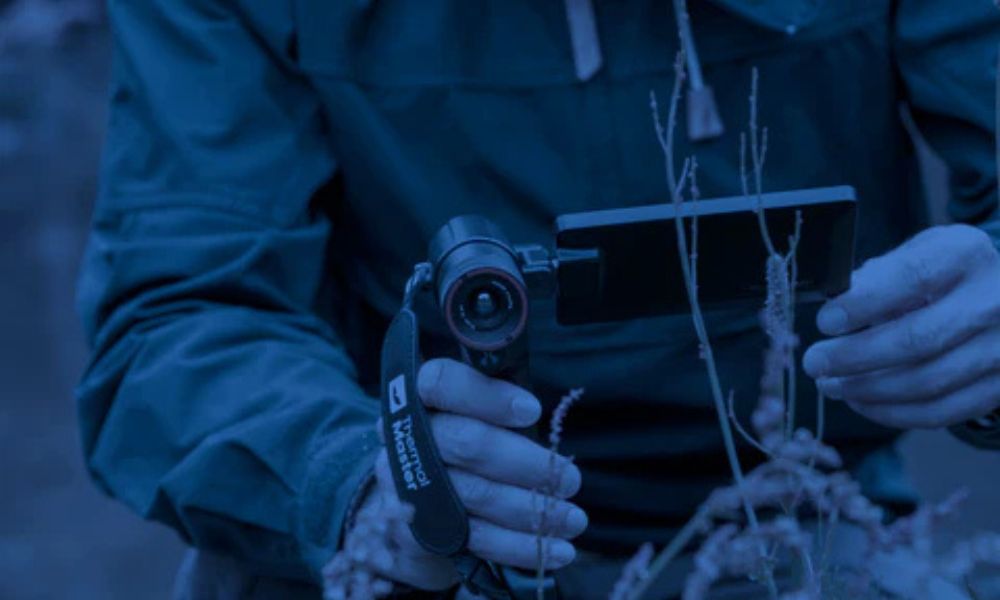
Forest birdwatching requires binoculars that can handle dense vegetation, unstable lighting, and constantly hidden wildlife movement during outdoor observation. Traditional optics often struggle inside forests because shadows, branches, fog, and overlapping trees reduce visibility throughout the day.
To address this need, Thermal Master offers thermal birdwatching binoculars and thermal monocular systems designed for wildlife observation in complex outdoor environments. This guide explains why forests require different types of birdwatching binoculars, how thermal imaging improves detection, and which devices work best in different forest conditions.
Why Are Birdwatching Binoculars Important in Forests?
Forests contain a wide variety of plant species, which can reduce the visibility of traditional binoculars. Dense branches, overlapping leaves, shadows, and unstable light all affect the clarity of bird observation. In addition, swaying leaves and the dim forest environment can continuously cause visual interference, making it difficult to track small birds during the day or in low light conditions.

What Features Should Forest Birdwatching Binoculars Have?
The best forest birdwatching binoculars should focus on visibility, smooth tracking, and long-term outdoor comfort. In simple terms, forests require devices that can quickly detect hidden movement while maintaining stable image quality in changing environments.
- High Sensitivity lower values: Lower thermal sensitivity values, such as ≤ 20 mK or ≤ 25 mK, help separate birds from warm trees, rocks, and surrounding vegetation more clearly.
- 50Hz or 60Hz Frame Rate: Higher refresh rates provide smoother tracking when birds move rapidly between branches or across forest openings.
- Wide Field of View: Wider viewing angles improve short-range scanning efficiency inside dense forests where wildlife movement changes quickly.
- Manual Focus Support: Manual focusing helps maintain sharper thermal detail when switching between nearby branches and distant observation targets.
- Long Battery Life: Forest birdwatching sessions often last several hours, so stable battery performance becomes very important during outdoor use.
- Lightweight Portable Design: Compact thermal monoculars and birdwatching binoculars reduce fatigue during hiking, climbing, and long handheld observation.
- Dedicated Birdwatching Palettes: Specialized palettes such as White-Bird or Black-Bird improve wildlife visibility under different environmental temperatures.

How Do Thermal Birdwatching Binoculars Detect Hidden Birds?
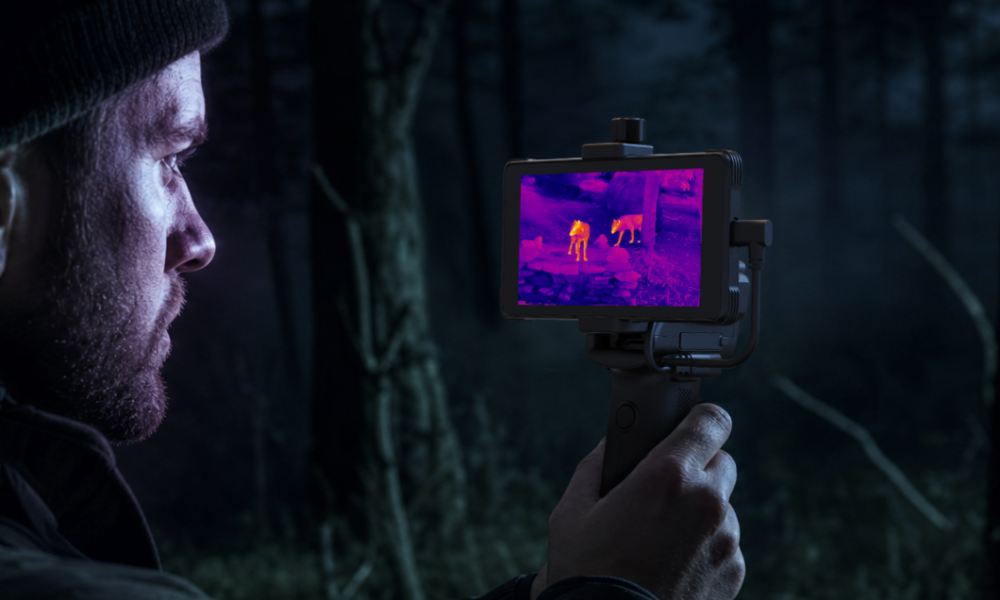
Thermal imaging binoculars detect hidden birds by capturing infrared thermal signals, making it easier to spot them in environments such as forests, wetlands, and grasslands.
- Detecting Body Temperature: Birds naturally generate heat, and thermal imaging binoculars convert temperature differences into visible thermal images. Even when feathers blend into the surrounding environment, the bird's thermal signal remains clearly visible.
- Improved Visibility in Dense Vegetation: Leaves, branches, tall grass, and bushes can obstruct the view of ordinary binoculars. Thermal imaging technology distinguishes warm, moving targets from a cooler background, making hidden birds easier to spot.
- Effective in Low Light Conditions: Traditional optical equipment relies heavily on sunlight or external lighting, while thermal imaging binoculars can continuously detect birds even at dawn, dusk, foggy days, or night.
- Faster Identification of Moving Objects: The activity of small birds is difficult to observe in trees or forest canopies. However, thermal imaging binoculars clearly show moving heat sources, allowing you to observe the activity of hidden birds.
- Reduce Environmental Visual Interference: Shadows, glare, fog, and uneven forest lighting can affect normal birdwatching visibility. Thermal imaging binoculars reduce visual interference due to their thermal contrast.
- Support Long-Distance Bird Detection: Modern thermal imaging birdwatching binoculars can detect thermal signals at relatively long distances. For example, the Thermal Master DV2 offers 940 yards of Ultra Night Vision, helping you locate birds before using visible light optics for species identification.

Which Birdwatching Binoculars Work Best for Different Forest Environments?
Different forest environments require different birdwatching binocular configurations because terrain density and observation distance vary significantly. In simple terms, compact forest hiking requires lightweight thermal systems, while large woodland areas benefit more from stronger long-range detection.
Dense Forest Birdwatching
Dense forests usually require wider viewing angles and faster target acquisition. Compact thermal monoculars or lightweight thermal binoculars work better because they allow quick scanning through nearby vegetation without causing excessive fatigue during hiking.
Wetland Forest Observation
Wetland forests often contain fog, humidity, and unstable lighting conditions that reduce visible-light clarity. Thermal birdwatching binoculars perform better in these environments because thermal imaging maintains stronger visibility during rainy mornings and low-light outdoor conditions.
Mountain Forest Birdwatching
Mountain forests usually require a stronger detection range because observation distances increase significantly across valleys, cliffs, and elevated terrain. Long-range thermal monoculars become more useful in these environments because wildlife often remains farther away.
Night Forest Wildlife Observation
Nighttime birdwatching places greater importance on thermal sensitivity, battery life, and comfortable long-term viewing. Devices with lower NETD values and larger screens generally improve nighttime observation comfort during extended outdoor sessions.

Common Mistakes When Choosing Birdwatching Binoculars for Forest Use
Many users choose the wrong birdwatching binoculars because they focus too heavily on specifications without considering real forest conditions. In simple terms, forests require balanced performance rather than just higher magnification.
- Choosing Only High Magnification: Extremely high zoom often reduces image stability and narrows the viewing area during handheld forest observation.
- Ignoring Thermal Sensitivity: Lower-quality thermal sensitivity may struggle to separate birds from warm environmental backgrounds during humid weather.
- Overlooking Frame Rate: Lower refresh rates can make moving birds appear blurry during active wildlife observation.
- Buying Heavy Devices for Hiking: Large devices may become uncomfortable during long outdoor walking and extended handheld use.
- Using Daytime Optics at Night: Traditional daytime binoculars usually lose visibility rapidly after sunset inside dense forests.
- Ignoring Battery Performance: Short battery life can limit long observation sessions during hiking or remote outdoor exploration.

Best Thermal Birdwatching Binoculars for Forest Observation
Thermal Master DV2
The Thermal Master DV2 enables thermal imaging observation of wildlife in forests, wetlands, and at night. Equipped with the Super Bird 4.0 AI algorithm and a 1280 HD Smart Touch Display, along with a 512x384 pixel super resolution algorithm, it can clearly reveal birds hidden in dense vegetation and dim light. Furthermore, its ≤ 15 mK thermal sensitivity enhances detection of subtle thermal signals in damp forests, while a 50Hz frame rate ensures smooth bird tracking. Therefore, the DV2 can also be used for owl observation, migratory bird monitoring, and long-range forest wildlife scanning.
- ≤15mK NETD Sensitivity: Enables clearer detection of subtle thermal signals from birds in forests.
- 50Hz Real-time Imaging: Improves the smoothness of target tracking when birds are moving quickly among trees.
- 512×384 Ultra-High Resolution Infrared Imaging: Reveals richer thermal imaging details.
- 5-inch 1280×720 Touchscreen: Provides a more comfortable extended outdoor birdwatching experience.
- White and Black Bird Palette: Improves bird visibility under different temperature conditions.
- 1094 Yards: Measure the distance at which animals can be observed at close and long distances.

Thermal Master X3
Thermal Master X3 is also capable of long-range thermal imaging detection in vast forests and woodlands. Equipped with a 384×288 thermal detector and a sensitivity of ≤25mK, it enhances the clarity of distant wildlife while maintaining smoother motion tracking through a 60Hz imaging system. Furthermore, its 1640-yard detection range allows it to scan wider areas, easily handling various terrains such as valleys, forest edges, and highlands, effectively detecting birds, wildlife, and outdoor activity.
- 384×288 Thermal Resolution: Presents clearer thermal imaging details, facilitating long-range wildlife observation.
- 1640-yard Detection Range: Supports large-area forest scanning and long-range bird detection.
- 60Hz Frame Rate: Maintains smoother motion tracking for wildlife observation and driving scenarios.
- ≤25mK Thermal Sensitivity: Improves target resolution in low-contrast outdoor conditions.
- 15x Zoom: Allows for flexible switching between near trees and distant targets.
- Dual Image Processors: Enhance thermal imaging clarity and reduce environmental interference.

Thermal Master T2 Max
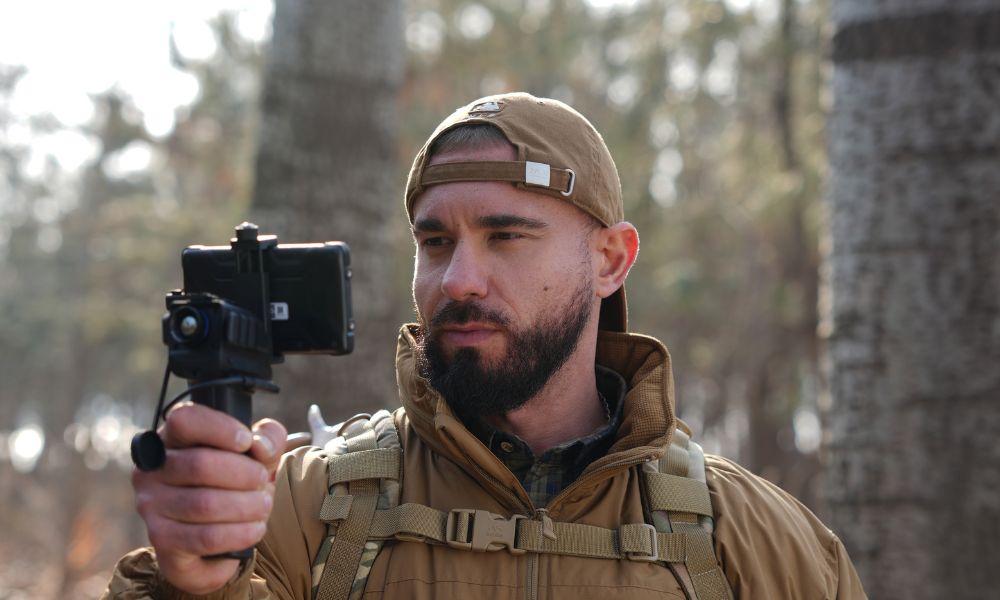
The Thermal Master T2 Max binoculars are ideal for hiking, camping, and remote forest expeditions. They also connect to smartphones, combining portability with excellent thermal imaging capabilities. Furthermore, they feature ≤20mK sensitivity, a 50Hz frame rate, and a 15mm high-energy lens, enhancing bird visibility in woodlands and at night while remaining lightweight and portable.
- 15mm High-Energy Lens: Enables clearer long-range thermal imaging observations in forests and woodlands.
- ≤20 mK NETD: More effectively detects subtle thermal signals from wildlife in low light.
- 50Hz Imaging Speed: Maintains smooth image quality for moving targets during active birdwatching in forests.
- 512×384 Ultra-High Resolution Infrared: Exceeds native infrared resolution, enhancing thermal imaging detail.
- 5000mAh Replaceable Battery: Supports extended outdoor observation away from a power source.
- Dedicated Thermal Imaging Palette for Birds: Improves bird visibility under varying outdoor temperatures.

Summary
Choosing the right binoculars for forest birdwatching depends on visibility, observation distance, and nighttime birdwatching. Traditional binoculars are suitable for birdwatching in bright sunlight, but their effectiveness is reduced in dense forests where vegetation and shadows obstruct the view. Thermal imaging binoculars, on the other hand, can detect heat signatures hidden in trees, branches, and darkness, improving wildlife detection capabilities.
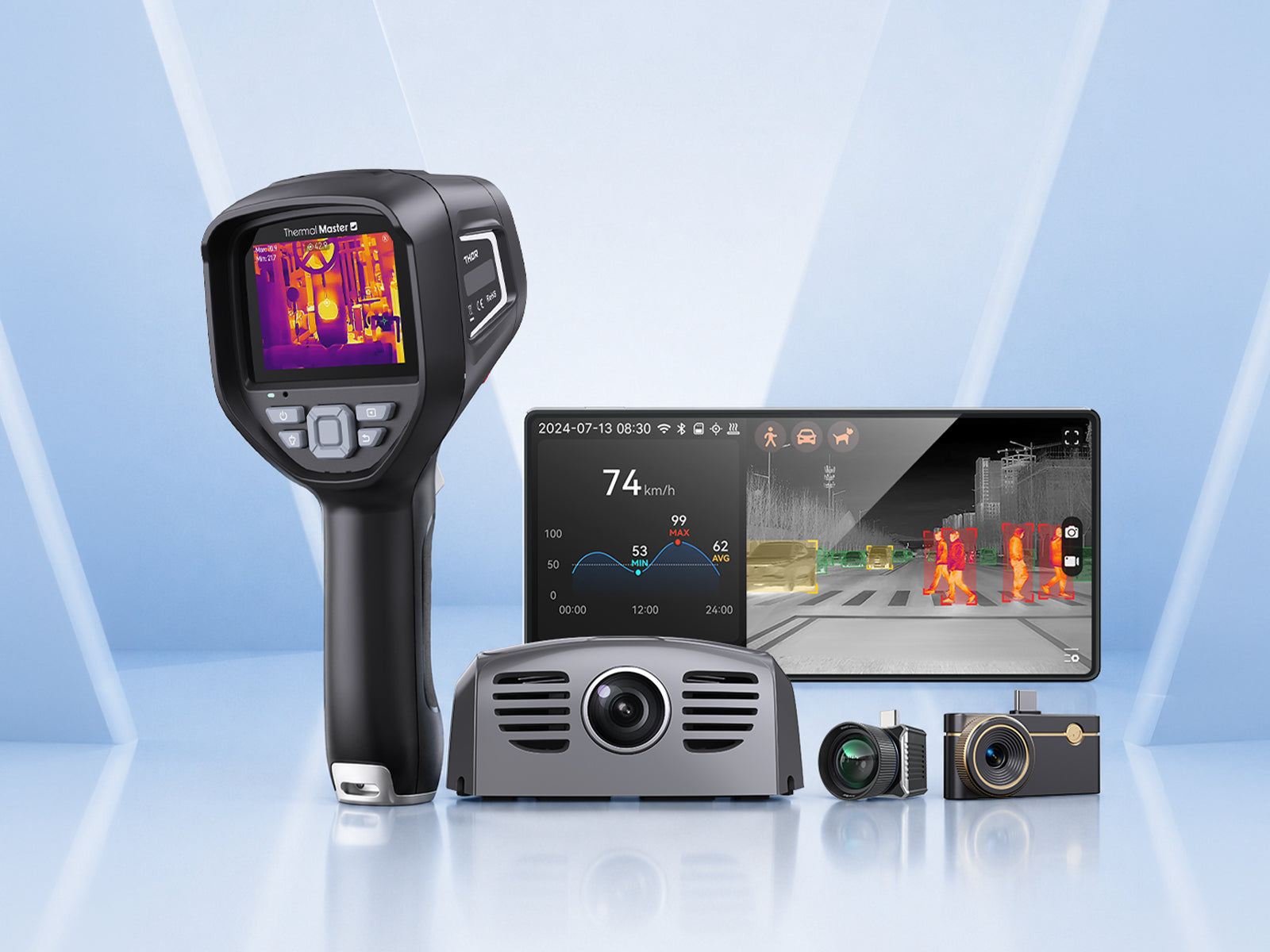
Thermal imaging devices like the Thermal Master DV2, X3, and T2 Max offer numerous advantages for forest birdwatching, from lightweight portability for hiking to long-distance wildlife observation. If you frequently birdwatch in forests, wetlands, mountain trails, or at night, thermal imaging is a good choice, significantly improving your efficiency in spotting hidden wildlife.
FAQ
Are thermal birdwatching binoculars better than traditional binoculars in forests?
The answer is often yes, because thermal birdwatching binoculars detect heat signatures instead of relying only on visible light, so you can locate hidden birds more easily inside dense forest environments.
Can thermal birdwatching binoculars work during daytime?
The answer is yes, because thermal imaging still detects body heat during daylight conditions, so you can identify birds hidden inside branches, shadows, and vegetation more clearly.
What thermal sensitivity is best for forest birdwatching?
The answer is that ≤20mK to ≤25mK sensitivity usually works very well, because lower NETD values improve subtle heat separation, so you can detect birds more clearly in humid or low-contrast environments.
Do thermal birdwatching binoculars work in foggy forests?
The answer is yes to a certain extent, because thermal imaging performs better than traditional optics during fog and rain, so you can maintain better wildlife visibility in difficult outdoor conditions.
Are lightweight thermal monoculars good for hiking birdwatchers?
The answer is yes, because lightweight thermal monoculars reduce fatigue during long outdoor movement, so you can observe birds more comfortably during hiking and forest exploration.
Related Reading:
Can You See Birds with a Thermal Camera?
3 Reasons Thermal Monoculars are a Game-Changer for Wildlife Tracking

コメントを書く
全てのコメントは、掲載前にモデレートされます
このサイトはhCaptchaによって保護されており、hCaptchaプライバシーポリシーおよび利用規約が適用されます。