


Can You See Birds with a Thermal Camera?
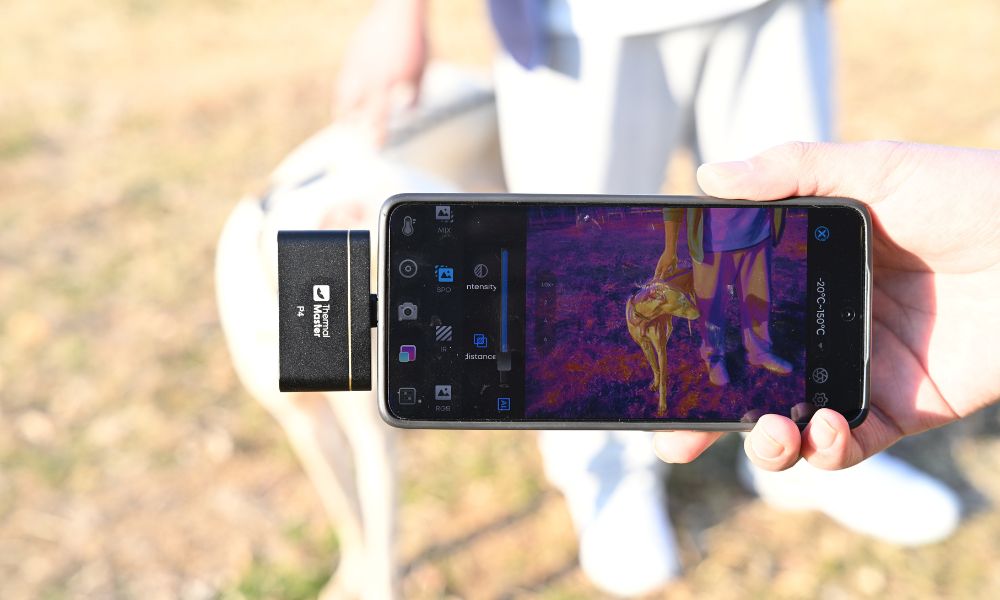
Yes, you can use a thermal camera to observe birds. Thermal imaging monoculars designed specifically for birdwatching are now available, as birds naturally generate body heat that is highly visible...
What Is NETD in a Thermal Camera?
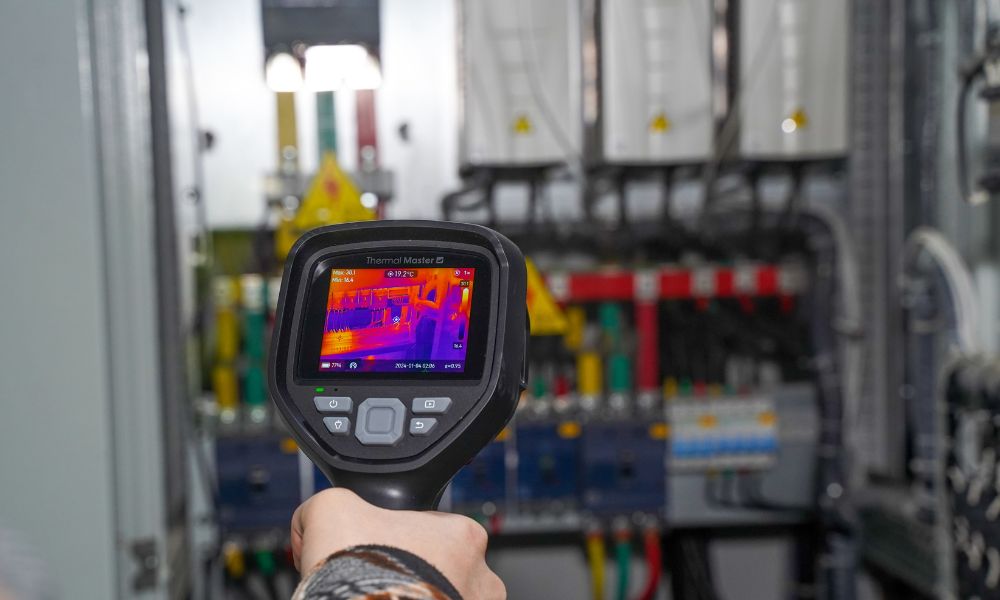
In thermal imaging, NETD stands for Noise Equivalent Temperature Difference. It represents the smallest temperature difference between objects or surfaces that the camera can detect. The lower the ...
How to Do Thermal Imaging Equipment Maintenance?
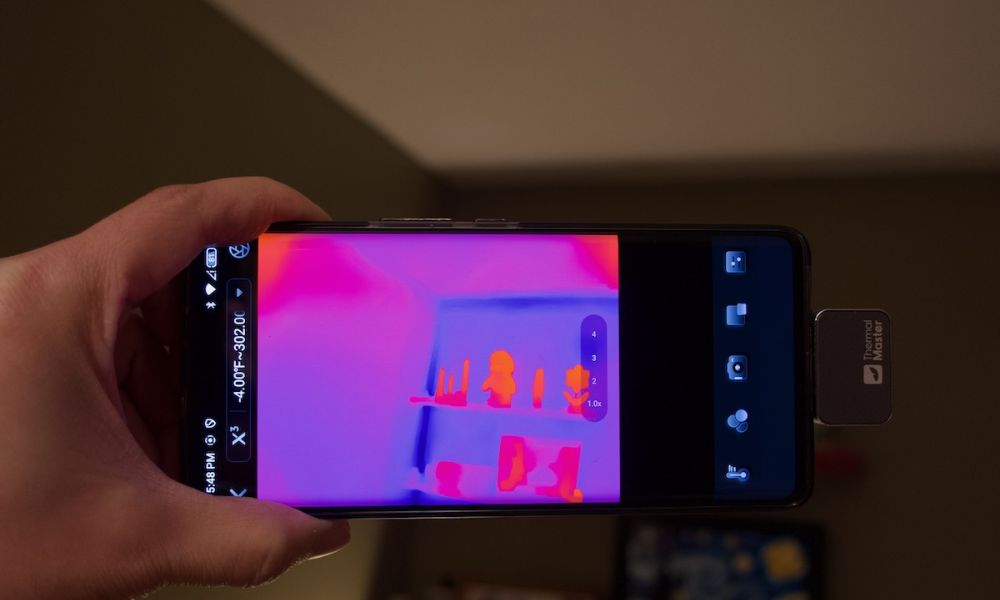
Regular cleaning, calibration, and inspection of thermal imaging cameras ensure accurate readings and consistent performance during use. Proper maintenance helps prevent inaccurate results and exte...

Best Thermal Imaging Camera for Phone
A thermal imaging camera for your phone helps you quickly detect heat loss, electrical faults, and hidden issues. It turns your smartphone into a practical inspection tool without bulky equipment. ...
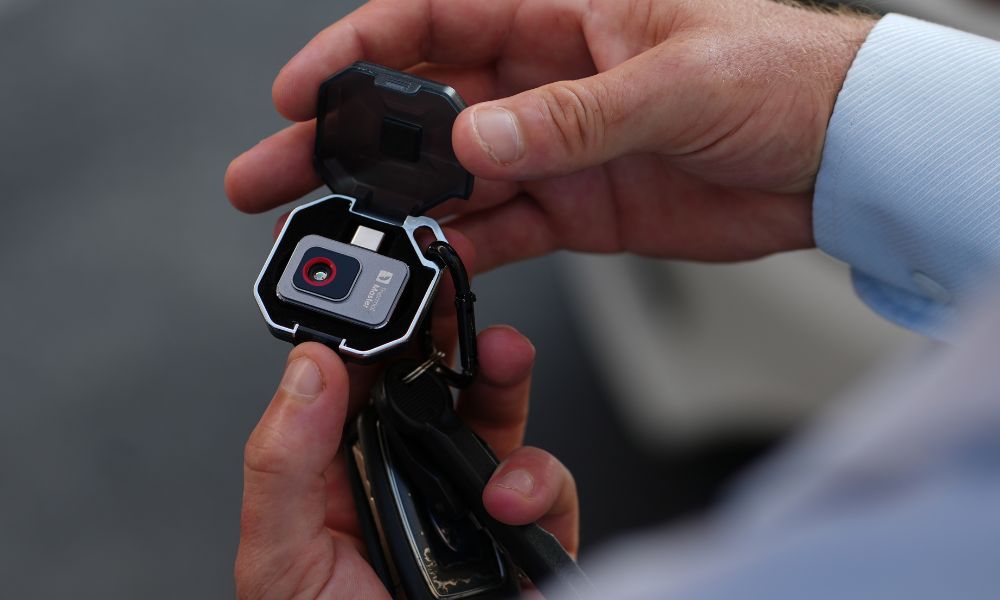
Best Budget Thermal Camera of 2026
A budget thermal camera typically costs between $150 and $500, yet it offers sufficient performance to handle routine inspection tasks such as detecting heat loss and troubleshooting electrical fau...

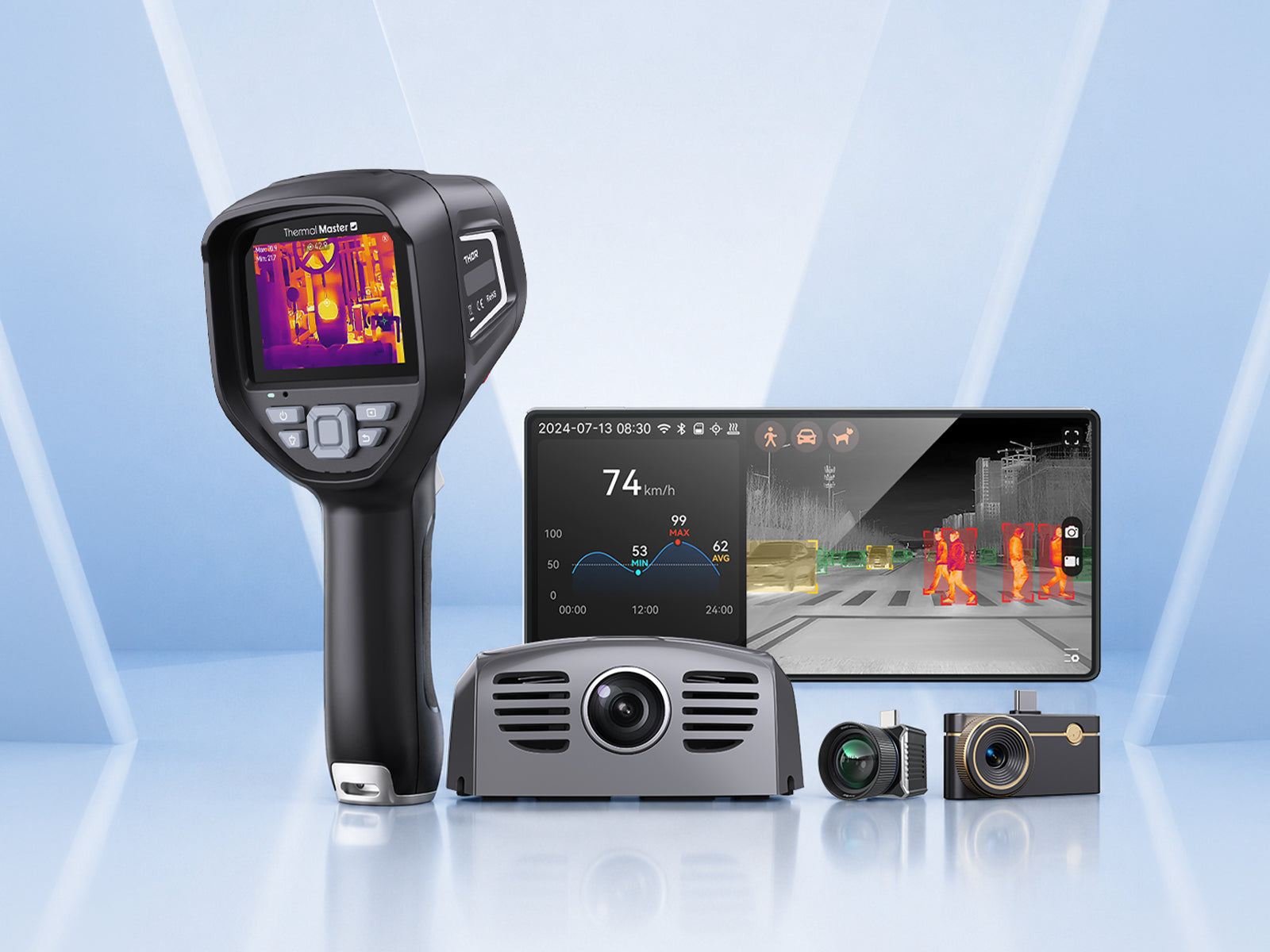
Which Cars Have Used Thermal Cameras?
Thermal cameras have been used in a select number of high-end and safety-focused vehicles to improve night driving visibility and hazard detection. These systems allow you to detect pedestrians, an...