



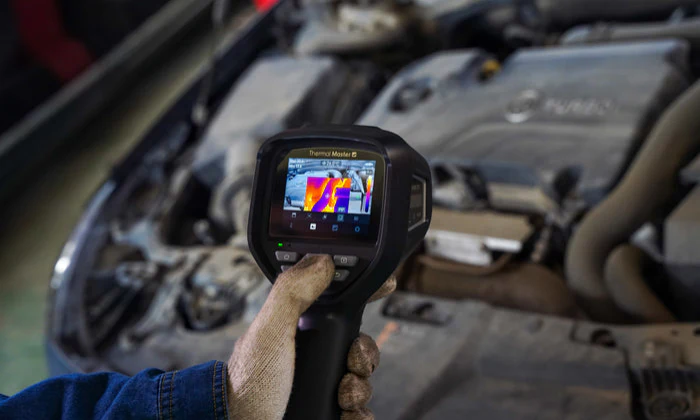
A Thermal Master thermal imaging camera is a professional non-contact inspection tool designed to detect and measure temperature differences in real time. It is widely used in electrical safety inspections, HVAC maintenance, building diagnostics, and industrial equipment monitoring. By detecting overheating components, insulation gaps, and hidden moisture, it helps identify potential safety hazards and reduce energy waste.
What Does a Thermal Master Thermal Imaging Camera Look Like?
- Thermal Master thermal imagers resemble a compact camera or inspection gun. They feature:
- Ergonomic grip with a responsive trigger for image capture
- High-resolution IPS display to view thermal and digital images in real time
- Infrared sensor located at the front, capturing precise surface temperature data
- Rugged, lightweight housing for field use in challenging environments

How to Use a Thermal Master Thermal Imaging Camera?
- Power On & Select Mode: Choose between thermal, visible-light view, or fusion mode.
- Aim for Coverage: Make sure your target fills the measurement zone on the display for best accuracy.
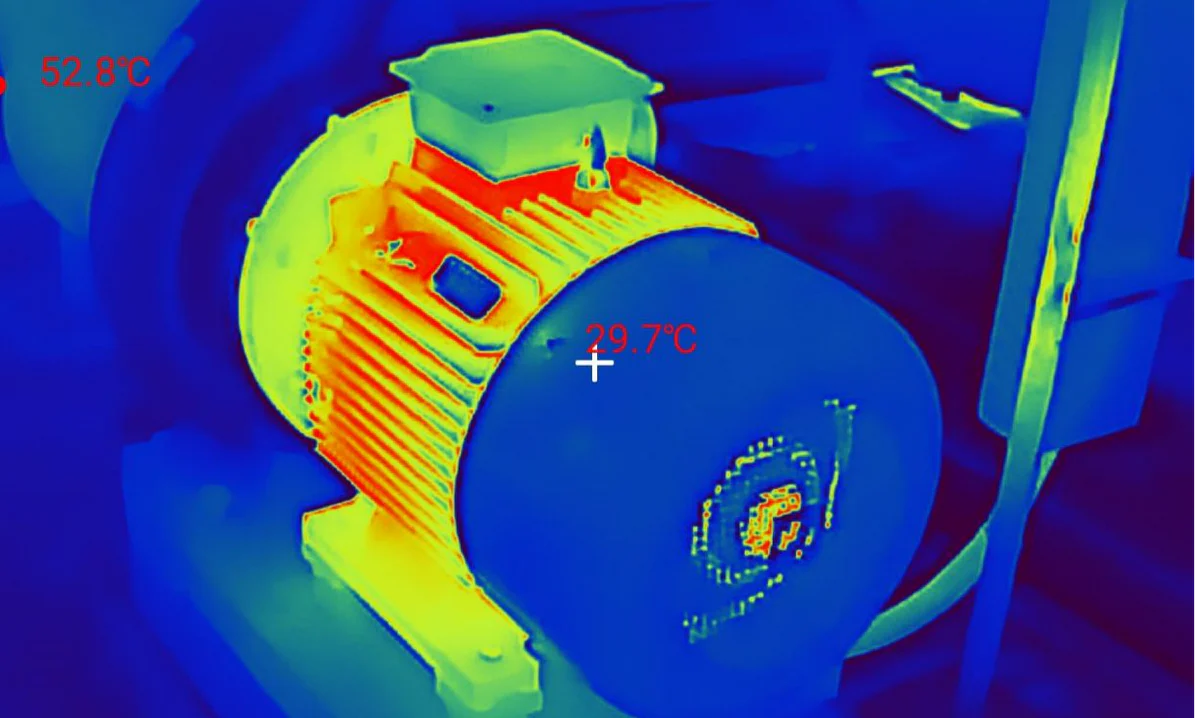
- Track Key Temperatures: Thermal Master models highlight the hottest and coldest spots automatically, while showing the precise temperature at your aiming point.
- Capture & Record: Press the trigger for still images, or hold it for video with voice annotations—ideal for reports.

Accuracy Tips for Professional Results
Distance Matters – Get close enough so the area of interest fills the focus zone; higher-resolution models like the 512×384 X³IR™ sensor retain detail at longer ranges.
Adjust Emissivity – Different surfaces (metal, brick, wood) reflect heat differently; set the right emissivity for precise readings.
Avoid Solar Influence – Direct sunlight can heat surfaces unevenly, masking real issues—inspect in shaded or cooler conditions when possible.
Ideal Scenarios for Thermal Master Use
Electrical panels – Identify loose connections or overloaded breakers before failure
HVAC systems – Detect duct leaks or uneven airflow patterns
Roof inspections – Use a home inspection thermal camera to check for moisture trapped under the membrane.
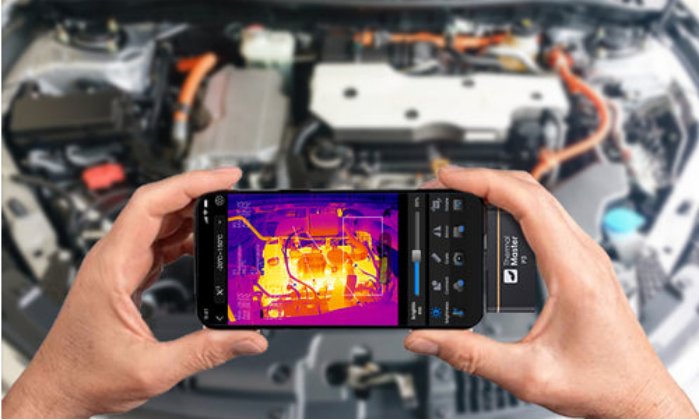
Automotive diagnostics – Spot faulty bearings, brakes, or coolant flow issues

Why Professionals Choose Thermal Master?
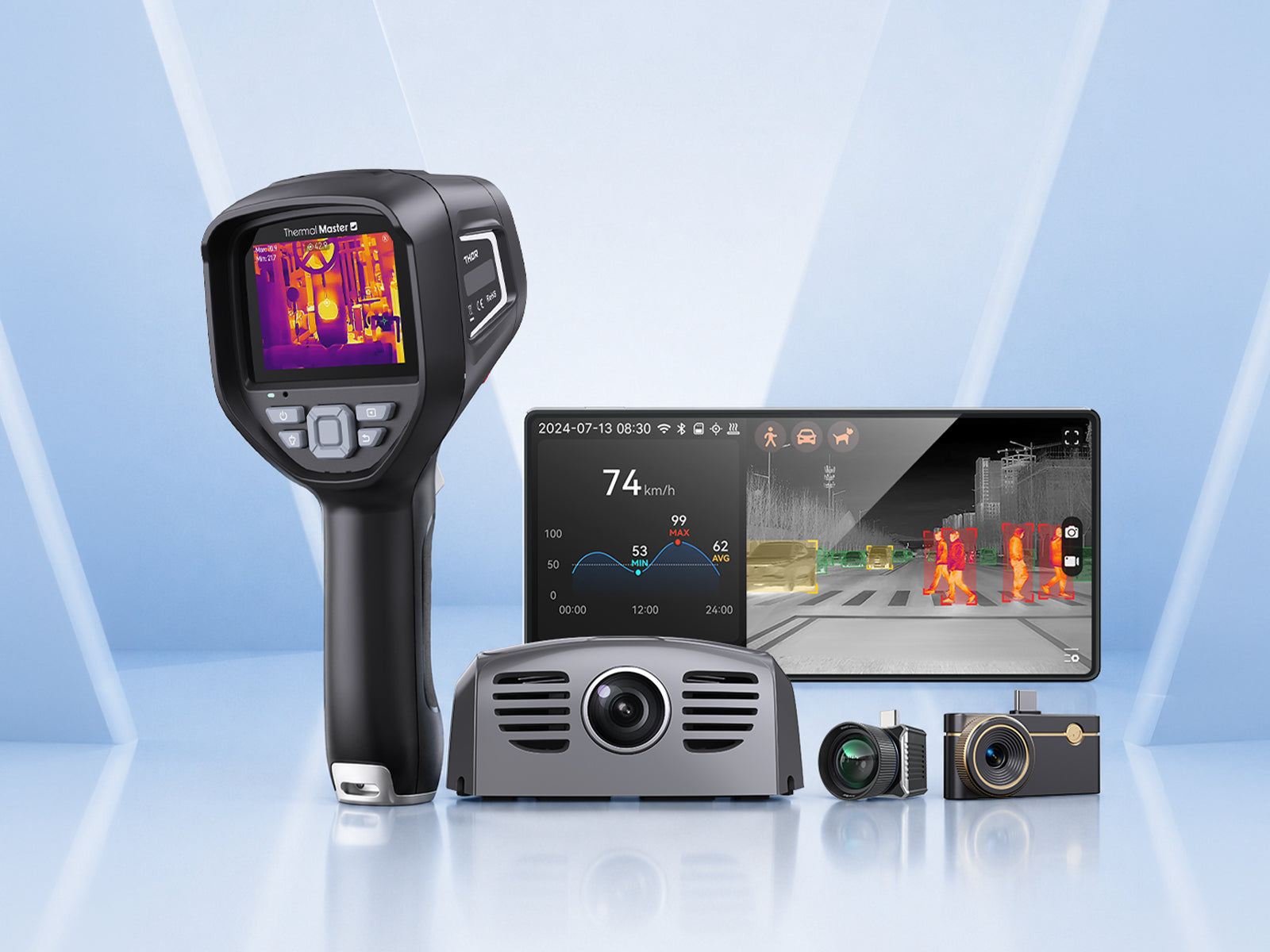
With precision accuracy, rugged construction, and feature-rich design, Thermal Master thermal camera deliver dependable results in the field. Whether you’re an electrician, building inspector, or engineer, these tools help you diagnose problems faster and with confidence.
Related Reading:

Leave a comment
All comments are moderated before being published.
This site is protected by hCaptcha and the hCaptcha Privacy Policy and Terms of Service apply.