



Thermal imaging cameras can reveal unusual heat patterns before visible damage appears. But finding a hot spot doesn't always mean something is wrong. A warm electrical connection, a running motor, or even a shiny metal surface can produce misleading results.
The Hottest Spot Isn't Always the Problem
A bright hot spot on an electrical panel doesn't always mean something is wrong. Some components naturally run hotter than others, and their temperatures depend on the operating load and surrounding conditions. That's why the highest temperature in a thermal image should be treated as a clue, not proof of a problem.

A Quick Scan Is Only the First Step
Scan: Look across the area to find unusual temperature patterns without checking every component individually.
Compare: Check similar components under similar operating conditions. A clear difference between them may point to an issue.
Investigate: If it's safe, adjust your viewing angle and examine the suspicious area more closely. This can help distinguish actual heat from reflections.
Verify: Record the thermal image and use additional tests when needed. A thermal camera can help locate a possible problem, but it doesn't always tell you what's causing it.

Which Thermal Patterns Should You Pay Attention To?
Unusual Heat at Electrical Connections
During a routine electrical inspection, a technician might notice one terminal running much hotter than the others. There's no discoloration or burning smell, and the equipment seems to be working normally.
Instead of assuming something is wrong, the technician compares it with similar connections under similar loads. If one terminal stays noticeably hotter, it could indicate a loose connection, corrosion, or increased electrical resistance.
A thermal camera makes the temperature difference easier to see and helps pinpoint the suspicious connection without touching it. A qualified electrician can then check the connection and confirm whether repairs are needed.
Rising Motor Temperatures
A motor running at 55°C isn't necessarily overheating. But if it usually runs at 40°C under similar conditions, that change is worth investigating.
Regular thermal checks make it easier to compare temperature patterns over time. Instead of waiting for visible damage, technicians can notice unusual changes earlier and decide whether further testing is needed.
Infrared Reflections on Metal Surfaces
Not every hot spot comes from the object you're inspecting. Shiny metal surfaces can reflect infrared radiation from nearby equipment or even your own body.
You might notice a bright spot on a metal panel that disappears when you move the camera to a different angle. That doesn't necessarily mean the panel cooled down. The original hot spot may have been a reflection rather than actual heat from the surface.
Changing your viewing angle is a simple way to check for this. It can help you avoid chasing a hot spot that isn't really there.


Which Thermal Cameras Can Help You Spot Problems Faster?
Before assuming a hot spot means trouble, check the equipment's load, compare similar components, and consider whether sunlight or reflections could affect the reading. Previous inspection results can also help you determine whether a temperature change is unusual.
A good thermal camera should help you scan large areas quickly, see temperature differences clearly, and pinpoint unusual heat patterns more accurately.
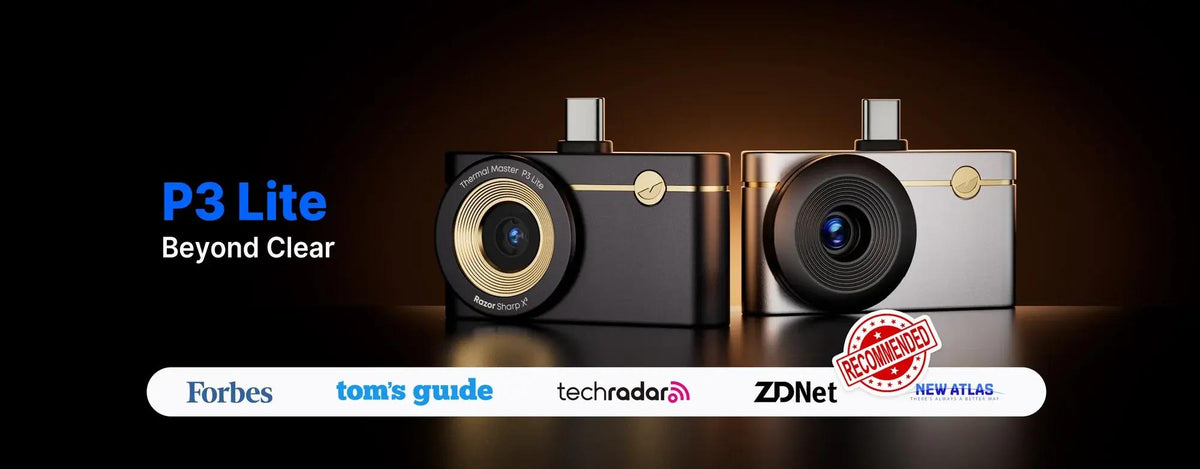
Thermal Master P3 Lite
The Thermal Master P3 Lite is a compact smartphone thermal camera for home, electrical, and HVAC inspections.
When checking a house, you can quickly scan around windows to find cold spots or look at HVAC vents for uneven heating. The thermal image helps you see where temperatures change, making it easier to narrow down areas that need closer attention.
It can also help identify unusual temperatures near electrical outlets. With an optional macro lens, the P3 Lite can be used for PCB repair, helping locate small hot spots on electronic components.
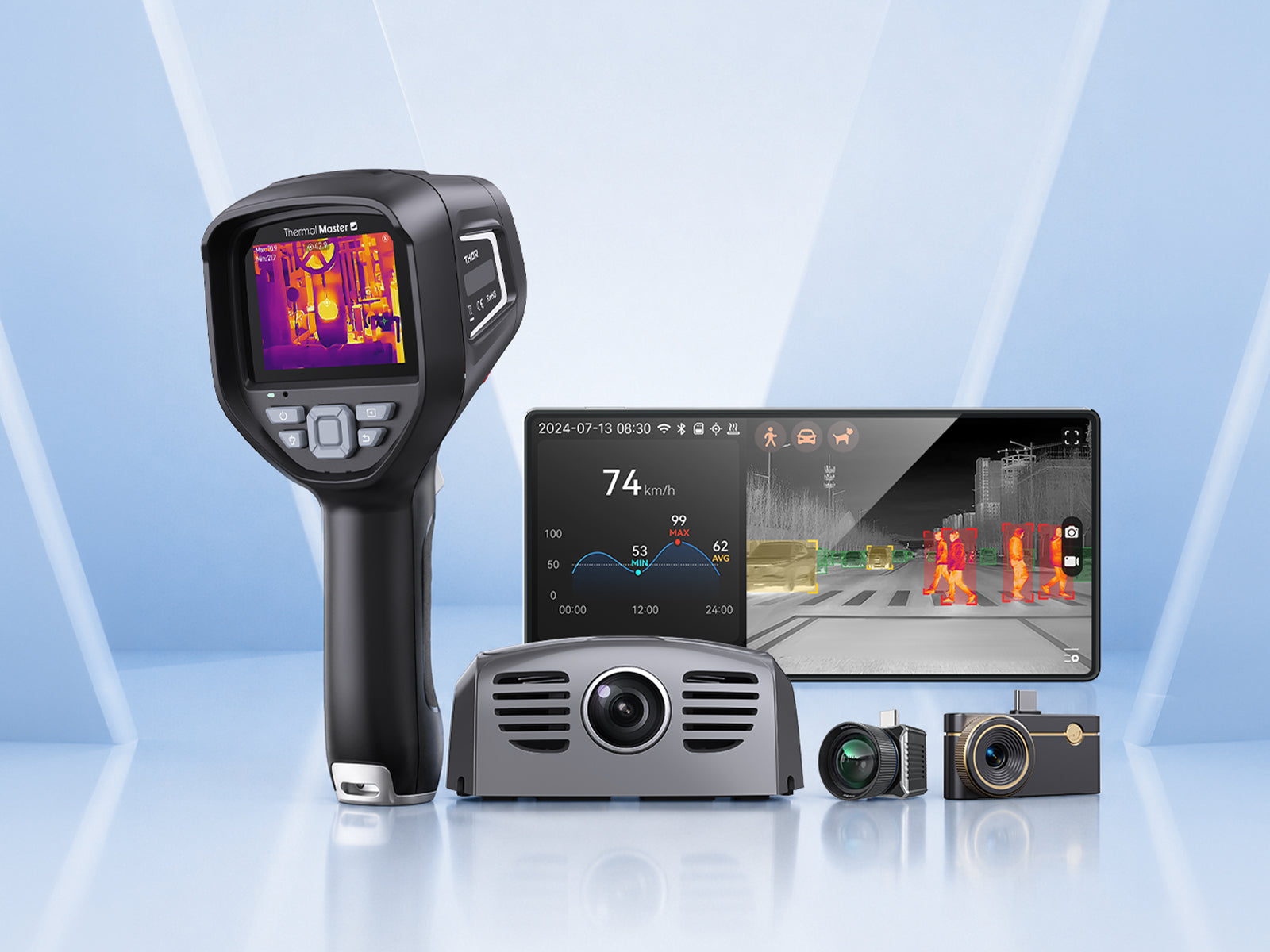
Thermal Master THOR002
The THOR002 comes with a built-in display and long battery life, allowing technicians to inspect multiple areas without relying on a smartphone.
During routine maintenance, technicians can scan electrical panels, motors, and HVAC systems to identify unusual heat patterns. Clear thermal images make it easier to compare similar components and locate areas that may be overheating.
Regular inspections also help technicians track temperature changes over time. If a motor or connection starts running hotter than usual, they can identify the change and investigate before it develops into a larger problem.
Conclusion
Finding a hot spot is only the first step. What matters is understanding the cause of temperature changes rather than judging a problem from the thermal image alone. Whether for everyday inspections or equipment maintenance, thermal imaging cameras help users quickly detect unusual temperatures, clearly identify temperature differences, and more accurately locate areas that need further inspection.
Read More
What Can a Smartphone Thermal Camera Do in 2026?
How Can a Thermal Camera for Android Make Inspections Easier?

Leave a comment
All comments are moderated before being published.
This site is protected by hCaptcha and the hCaptcha Privacy Policy and Terms of Service apply.