



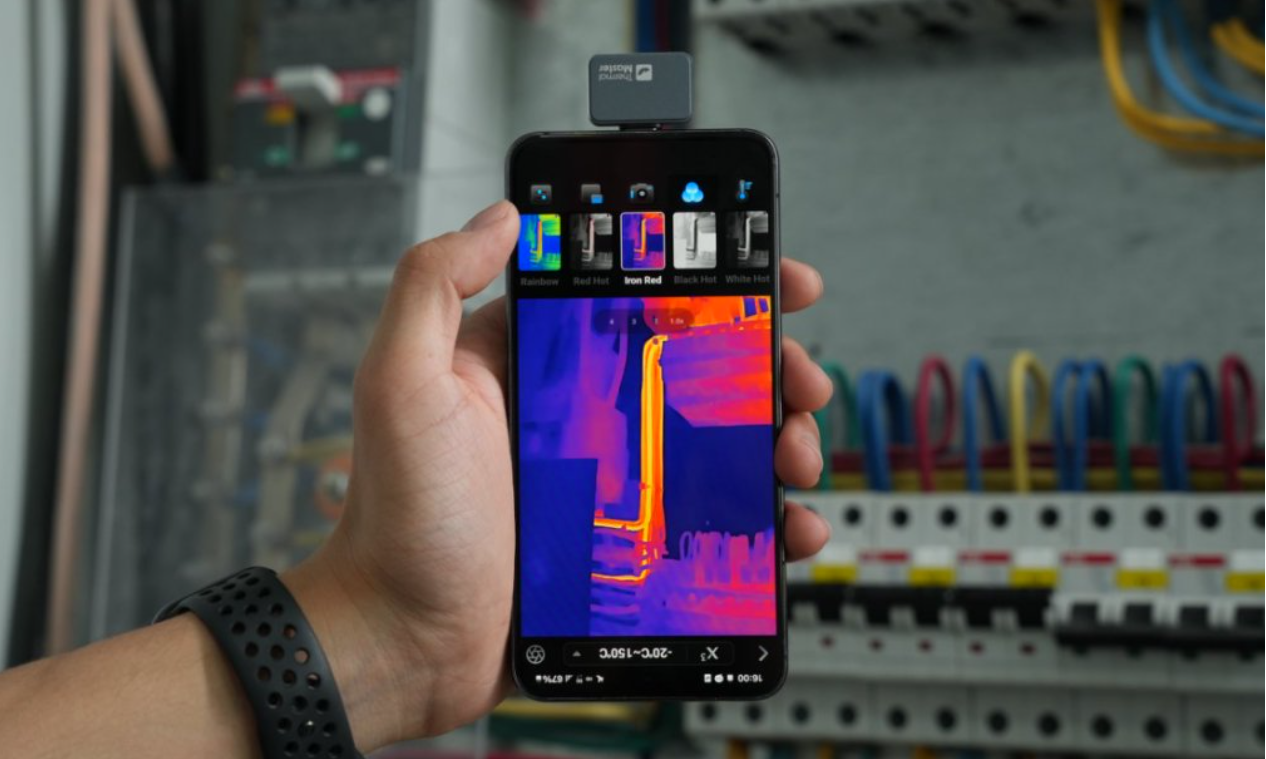
Thermal imaging cameras are no longer limited to specialized industries. Today, they are essential tools for home inspectors, electricians, engineers, firefighters, and outdoor enthusiasts. With a Thermal Master thermal imaging camera, you can locate problems invisible to the naked eye, from hidden electrical faults to heat loss in buildings. But before making a purchase, it is important to understand the features that define performance and reliability.
1. Resolution
Image clarity depends heavily on resolution. Thermal Master cameras offer detector resolutions that deliver sharp, detailed images for both professional inspections and outdoor use. Higher detector resolution means more pixels to capture subtle temperature differences, allowing you to detect small faults or distant heat sources with precision.

2. Focus Options
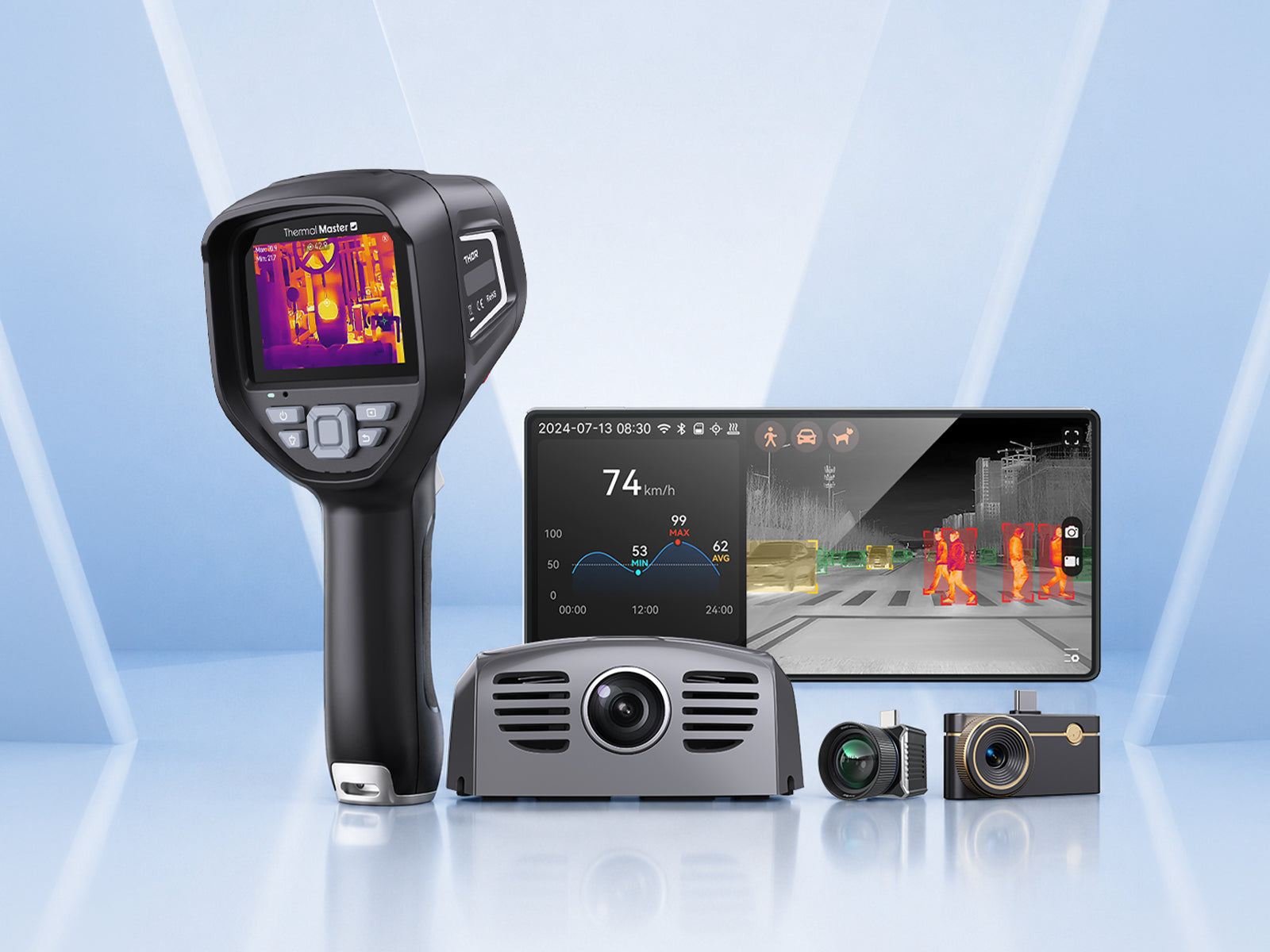
Different jobs require different focusing methods. Thermal Master offers a range of thermal imagers, from the P1/P2 Pro thermal camera for phone to the Thor 001/Thor 002 handheld thermal camera. Each model employs a focusing system suited to its application—fixed focus for rapid scanning, manual focus for fine control, and laser-assisted autofocus for precise positioning.
3. Temperature Range
The temperature range you need depends on your work. Whether you are checking high-heat machinery or identifying cold air leaks, Thermal Master thermal imaging cameras cover a broad spectrum, from extreme cold to intense heat, ensuring accurate measurements in diverse conditions.
4. Lens Versatility
That is why each Thermal Master model comes with a lens designed for its intended use, such as wide angle for large areas, telephoto for distant targets, and macro for close-up inspections. The right lens design ensures optimal performance for every application.

5. Data Storage and Sharing
Inspection work often requires saving more than just images. Thermal Master thermal imaging cameras allow you to store thermal and visible light photos, and even voice notes, directly on the device or external memory. This makes it easier to organize reports and share results with clients.
6. Color Palettes
Different color modes make analysis faster. Thermal Master offers multiple palettes—from grayscale for subtle changes to high-contrast modes for quick fault detection—so you can choose the one that fits your task.
7. Temperature Alarms
For quicker responses, Thermal Master cameras can alert you when a temperature exceeds preset limits. This is especially useful in preventive maintenance, where early detection can prevent costly downtime.

8. Emissivity Adjustment
Reflective surfaces can distort readings if not adjusted for. Thermal Master thermal imaging cameras let you fine-tune emissivity and account for reflected temperatures, ensuring measurement accuracy even on shiny metal or glass.
9. Spot and Area Markers
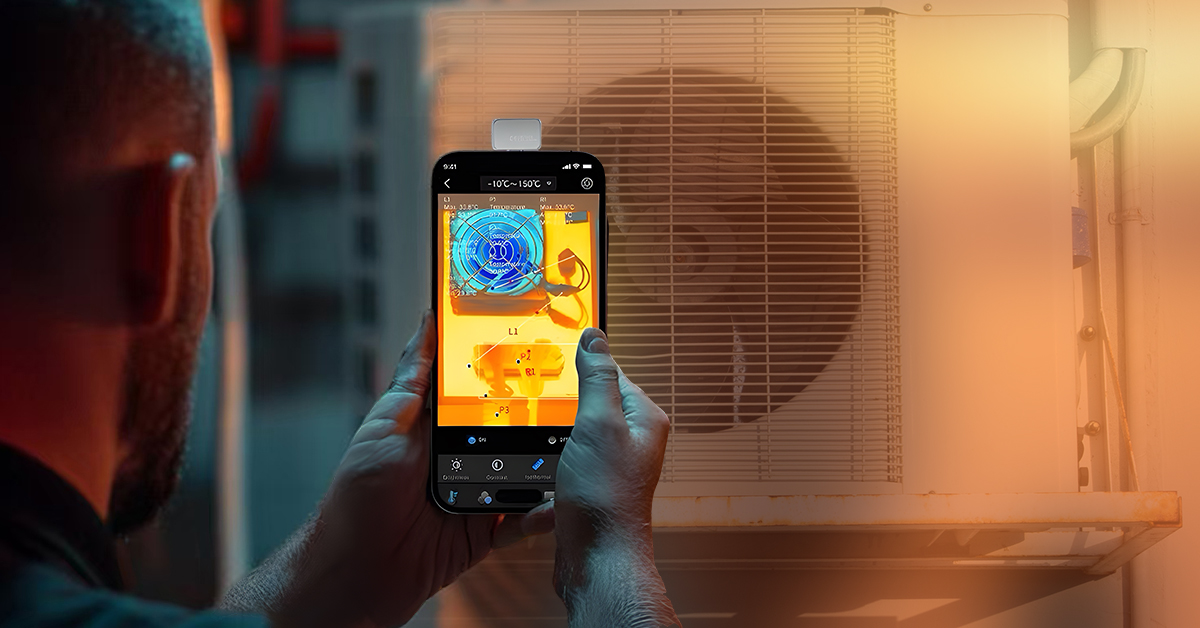
When inspecting, you may need to compare multiple points. Thermal Master devices let you mark specific spots or areas on the image so you can view and compare temperatures in real time.
10. Battery Performance
Long battery life matters in the field. Thermal Master thermal camera feature high-capacity, quick-charging batteries with clear charge indicators, so you can work longer without interruptions.

Conclusion
Choosing a thermal imaging camera is about finding the right balance of resolution, temperature range, focus options, and usability. Thermal Master delivers these features in equipment designed for both accuracy and durability. Whether you are conducting a home inspection, maintaining industrial systems, or exploring the outdoors, a Thermal Master thermal imaging camera helps you see what others miss.
Related Reading:

Leave a comment
All comments are moderated before being published.
This site is protected by hCaptcha and the hCaptcha Privacy Policy and Terms of Service apply.