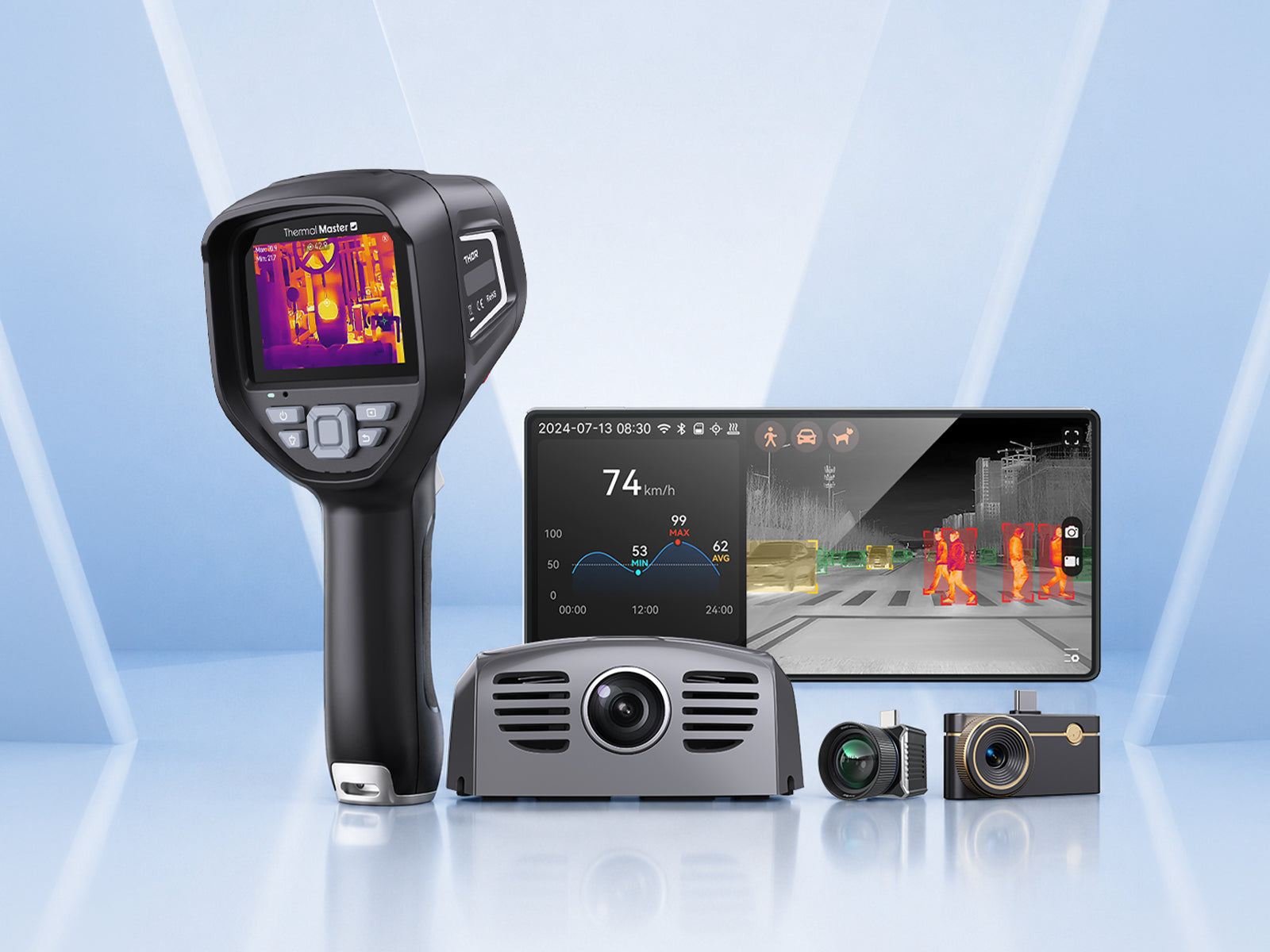



Auto-Nachtsichtsystem
300 m! Lebende Erkennung Kollisionsexperte
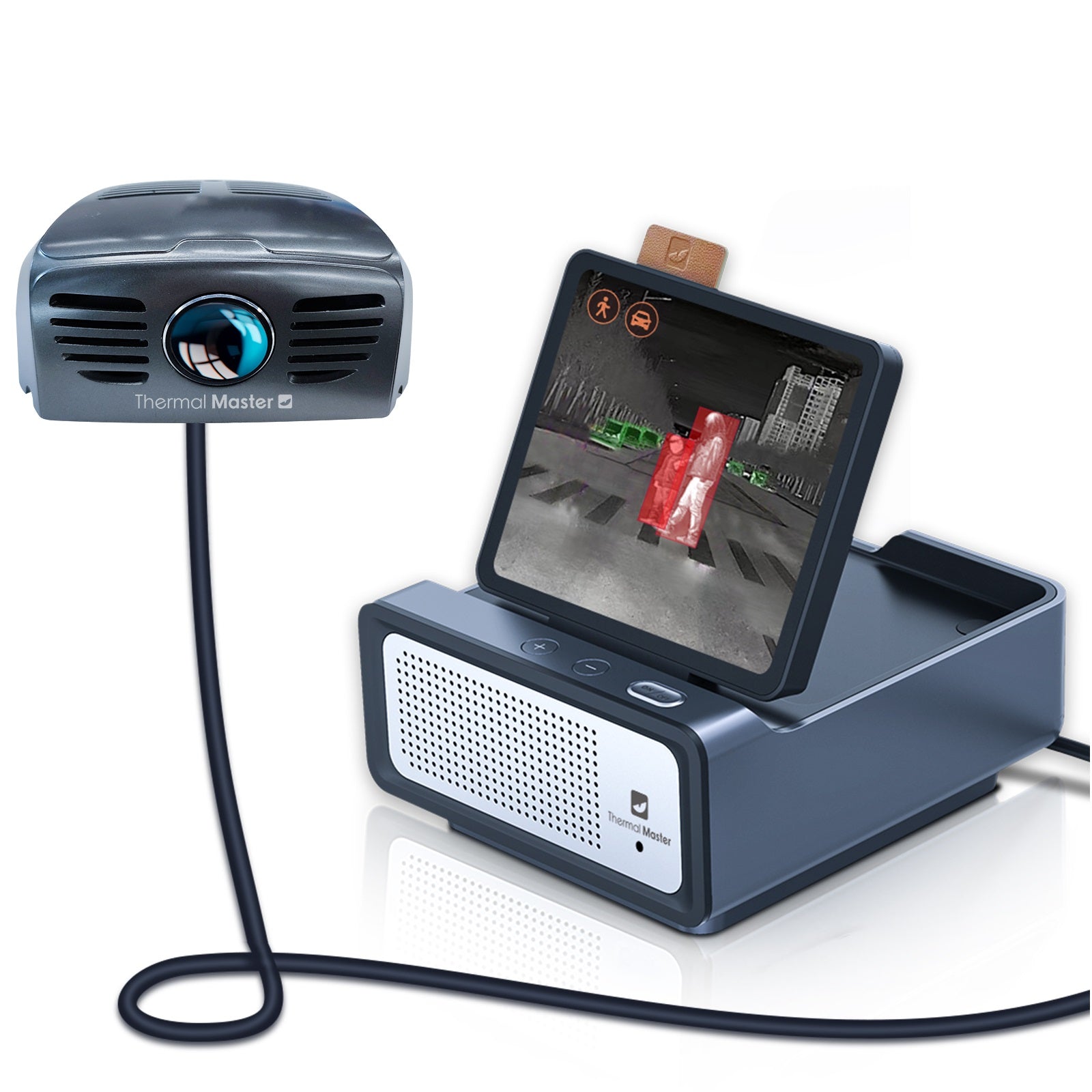
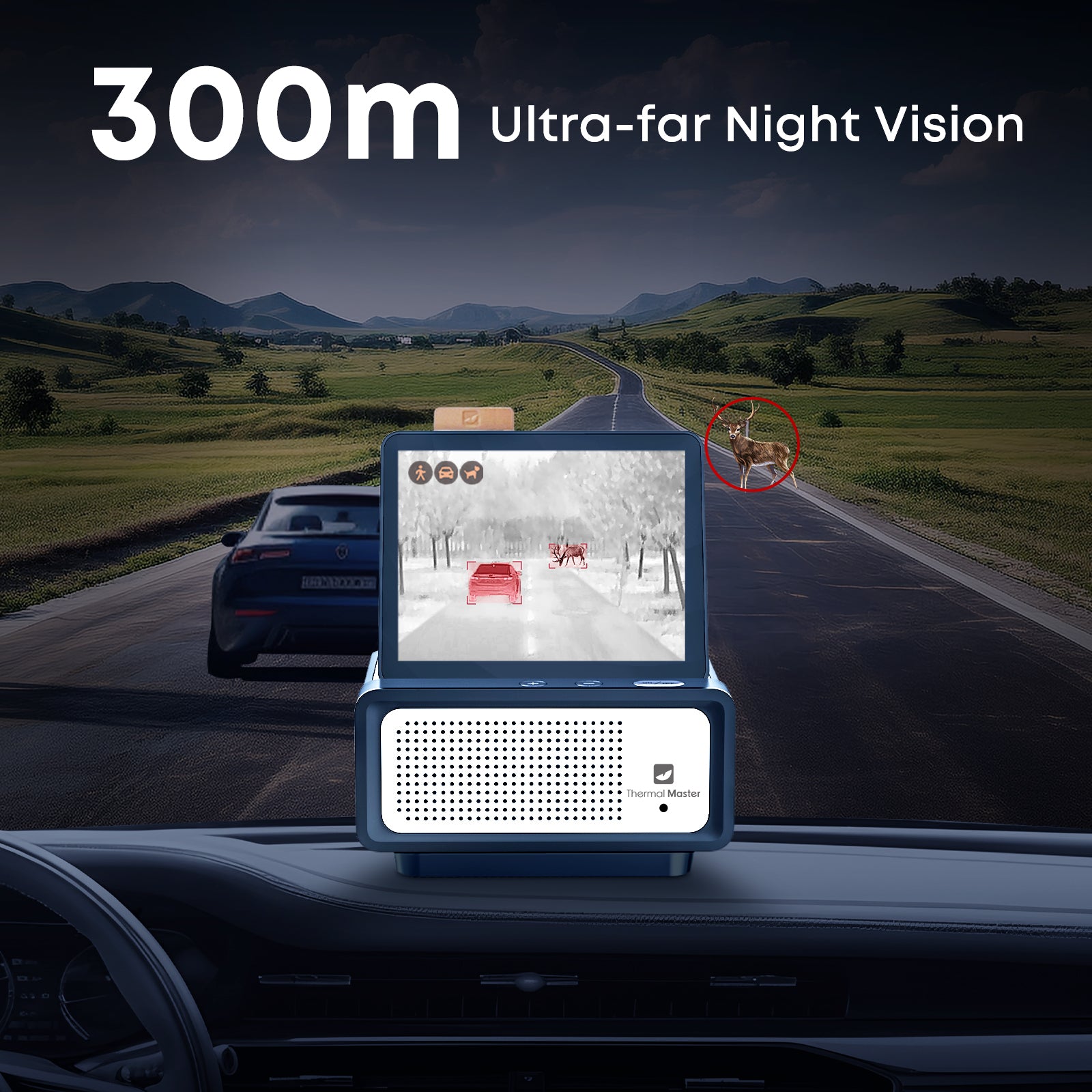
Meister der Nachtsicht mit künstlicher Intelligenz für Kraftfahrzeuge
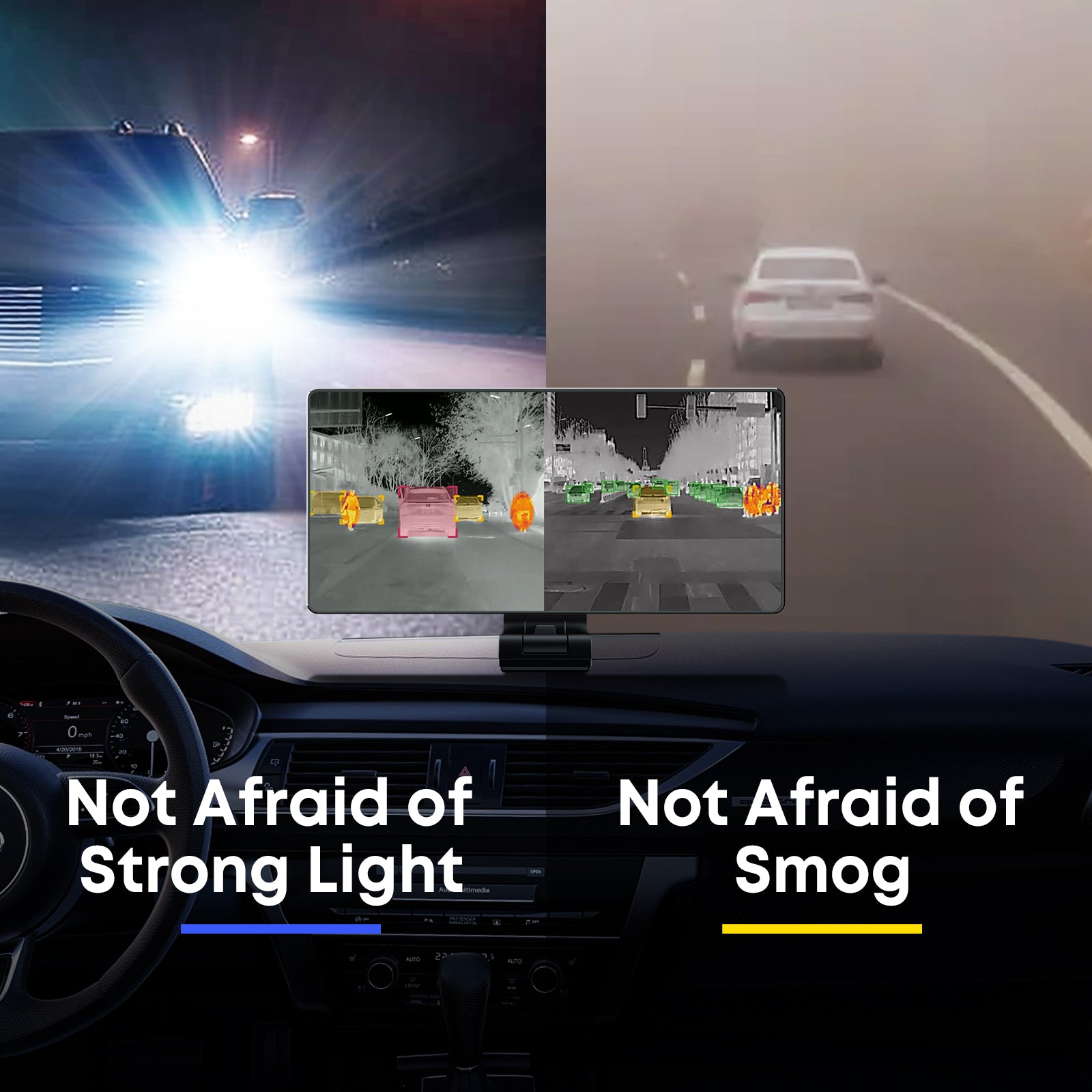
Dunkelheit, Regen, Nebel und Fernlicht waren schon immer ein Risiko für sicheres Fahren. Der Automotive AI Night Vision Master mit seinem hochempfindlichen Kern und dem ultraklaren Bildalgorithmus „Razor X“ durchdringt Nacht und Nebel, erkennt Radfahrer und Rehe in bis zu 300 Metern Entfernung und gibt in nur 0,1 Sekunden Ton-/Bildwarnungen aus. In einigen Regionen ist er liebevoll als „Wunder zur Vermeidung von Rehkollisionen“ bekannt.


AI {Det} Lebenskollisionswarnung
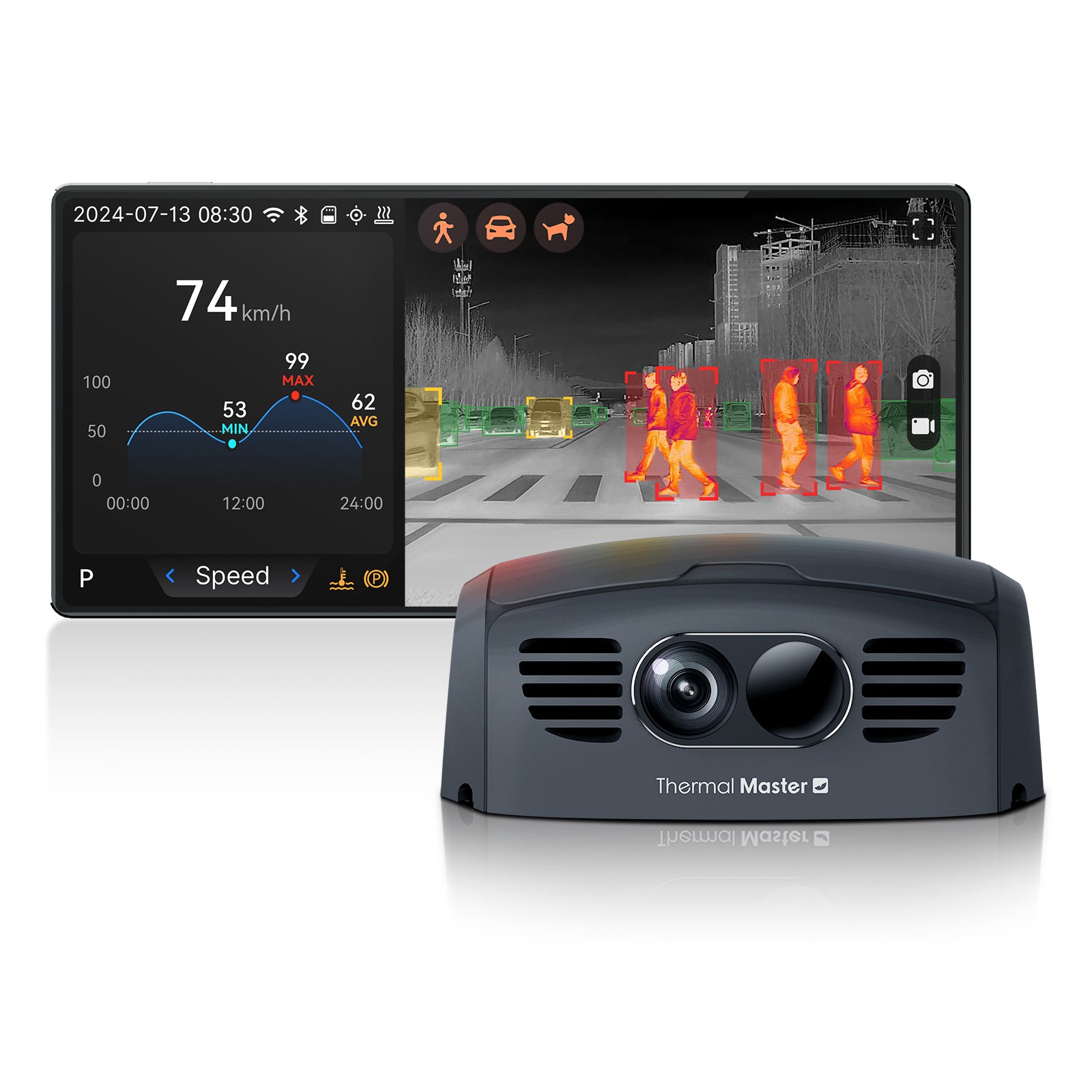
Der Deep-Learning-Algorithmus AI{Det} mit neuronalem Netzwerk identifiziert schnell Fußgänger, Radfahrer, Motorradfahrer, Autos und Tiere. Mithilfe von „Insight+“ werden falsche Ziele intelligent eliminiert, echte Ziele werden präzise identifiziert und hervorgehoben, und der Warnabstand wird anhand der Fahrzeuggeschwindigkeit bestimmt. AI{Det} passt sich automatisch an Autobahnen, Schnellstraßen und Landstraßen an und liefert in jedem Szenario die klarsten Bilder.
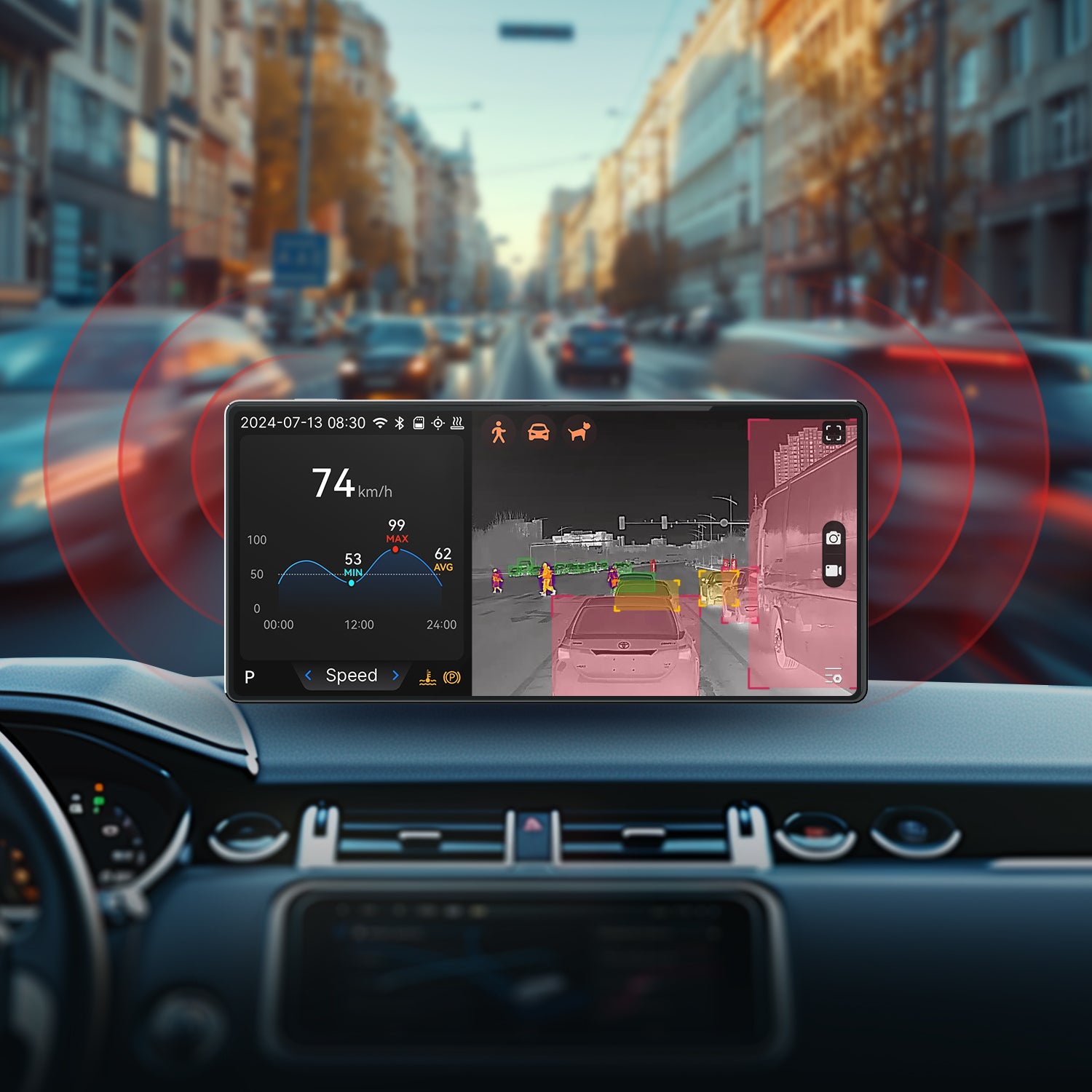
Verschlusslose Technologie, Null Verzögerung
Bei der Wärmebildgebung sind zur Bildkorrektur häufige Auslöserklicks erforderlich, was zu einem Einfrieren und zu Verzögerungen auf dem Bildschirm führt. Der Automotive AI Night Vision Master ist Vorreiter bei der Shutterless-Technologie und gewährleistet eine völlig verzögerungsfreie Leistung ohne Verzögerungen und liefert klare, flüssige Bilder, ohne eine Sekunde potenzieller Fahrgefahren zu verpassen.
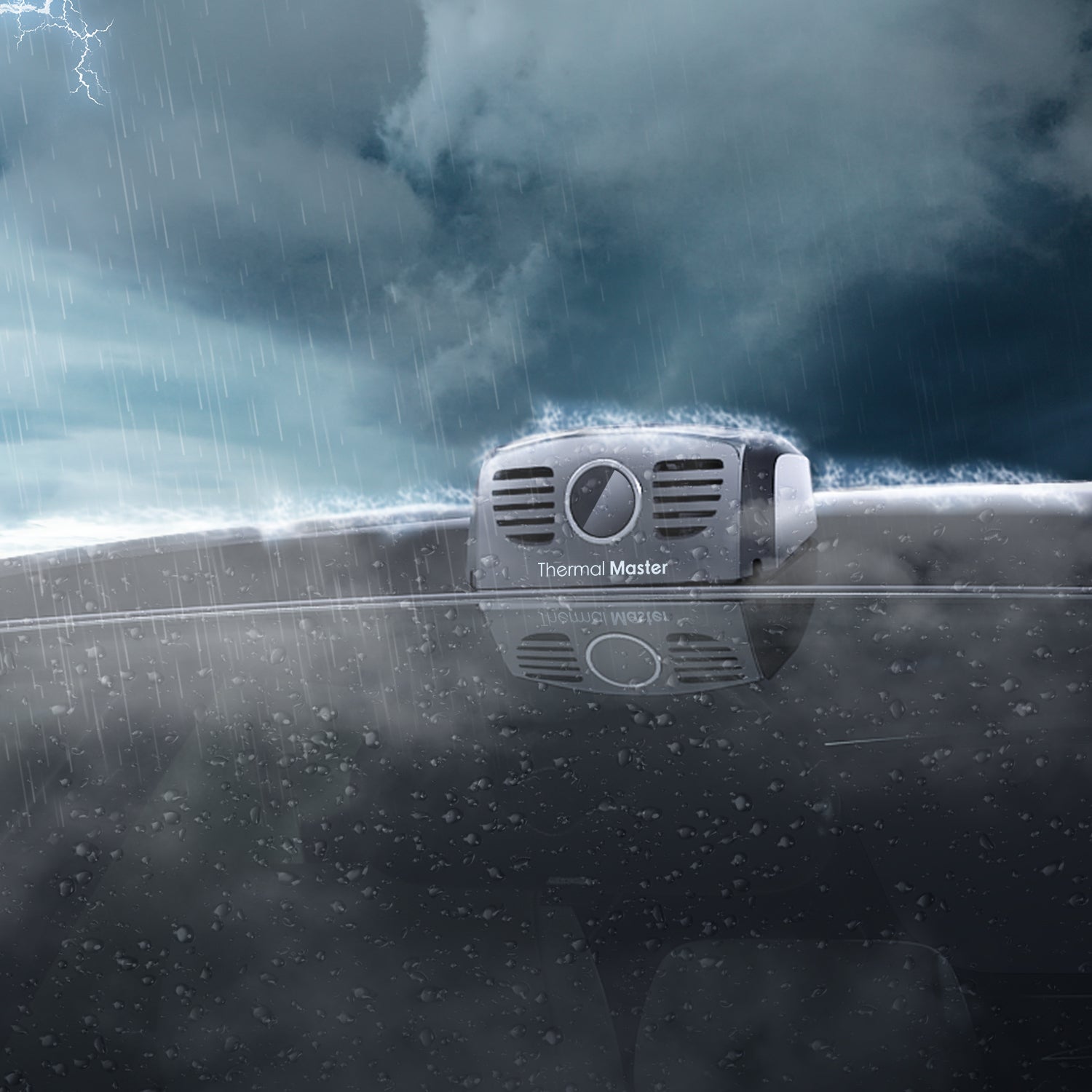
Immer und bei jedem Wetter, Meister bei Tag und Nacht
Der Automotive AI Night Vision Master ist für alle Umgebungen geeignet. Die Schutzklasse IP69K schützt ihn vor 80 °C Hochdruck-Wasserstrahlen und gewährleistet 100 % Staubdichtigkeit. Bei Minustemperaturen von -20 °C entfernt er automatisch Schnee und Frost. Er lässt sich direkt mit Bildschirmen und drahtlos mit Ihrem Telefon verbinden, sodass Sie Ihre Infrarotreise jederzeit und überall mit Freunden teilen können.
Häufig gestellte Fragen zu Wärmebildkameras mit Nachtsichtfunktion
Kann eine Wärmebildkamera in einem Auto in völliger Dunkelheit sehen?
Kann eine Wärmebildkamera in einem Auto in völliger Dunkelheit sehen?
Ja, eine Wärmebildkamera mit Nachtsichtfunktion kann in völliger Dunkelheit sehen, da sie nicht auf sichtbares Licht, Scheinwerfer oder Straßenbeleuchtung angewiesen ist, um zu funktionieren. Stattdessen erkennt sie Temperaturunterschiede, die von Menschen, Tieren, Fahrzeugen und anderen Objekten abgegeben werden. Selbst wenn die Straße völlig unbeleuchtet ist, bleiben diese Wärmesignaturen sichtbar, sodass das System ein klares und verwertbares Bild erzeugen kann.
In realen Fahrsituationen arbeitet eine Wärmebildkamera mit Nachtsichtfunktion weiter, wenn Scheinwerfer und normale Kameras an ihre Grenzen stoßen. Die Dunkelheit allein beeinträchtigt ihre Wirksamkeit nicht, was besonders auf Landstraßen, unbeleuchteten Autobahnen oder in abgelegenen Gebieten wichtig ist. Für Fahrer bedeutet dies weniger tote Winkel, eine frühere Wahrnehmung und mehr Vertrauen, wenn die Sicht sonst extrem eingeschränkt ist.
Wie unterscheidet sich eine Wärmebildkamera mit Nachtsicht von einer IR-Nachtsichtkamera?
Wie unterscheidet sich eine Wärmebildkamera mit Nachtsicht von einer IR-Nachtsichtkamera?
Eine Wärmebildkamera mit Nachtsichtfunktion funktioniert anders als herkömmliche IR-Nachtsichtsysteme. IR-Nachtsicht ist auf reflektiertes Infrarotlicht angewiesen und benötigt oft einen zusätzlichen Illuminator, was die Leistung in sehr dunklen Umgebungen einschränken kann. Eine Wärmebildkamera mit Nachtsichtfunktion hingegen erfasst die Wärme direkt von Objekten und kann daher unabhängig von den Lichtverhältnissen arbeiten.
Aus diesem Grund wird eine Wärmebildkamera mit Nachtsichtfunktion weniger durch Blendung durch Scheinwerfer, Straßenlaternen oder plötzliche Helligkeitsänderungen beeinträchtigt. Im täglichen Fahrbetrieb führt dies zu stabileren und konsistenteren Bildern. Für Fahrer ist der Unterschied spürbar: Die Wärmebildgebung bleibt auch in Situationen zuverlässig, in denen die IR-Nachtsicht möglicherweise Schwierigkeiten hat oder Details verliert.
Kann eine Nachtsicht-Wärmebildkamera durch Dunkelheit sehen?
Kann eine Nachtsicht-Wärmebildkamera durch Dunkelheit sehen?
Ja, eine Nachtsicht-Wärmebildkamera kann durch völlige Dunkelheit sehen, indem sie Temperaturunterschiede visualisiert, anstatt sich auf Licht zu verlassen. Warme Objekte wie Menschen, Tiere und Fahrzeuge heben sich selbst in stockfinsterer Umgebung natürlich von kühleren Hintergründen ab.
Diese Fähigkeit macht eine Nachtsicht-Wärmebildkamera besonders nützlich in Bereichen, in denen Scheinwerfer nur begrenzte Informationen liefern, wie z. B. auf kurvigen Landstraßen oder schlecht beleuchteten Wohnvierteln. Indem sie zeigt, was vorausliegt, ohne auf Licht angewiesen zu sein, hilft eine Nachtsicht-Wärmebildkamera Fahrern, die Aufmerksamkeit aufrechtzuerhalten und Überraschungen beim Fahren in der Nacht zu vermeiden.
Ist eine Wärmebildkamera im Auto beim Fahren in der Nacht nützlich?
Ist eine Wärmebildkamera im Auto beim Fahren in der Nacht nützlich?
Eine Nachtsicht-Wärmebildkamera ist beim Fahren in der Nacht sehr nützlich, da sie es dem Fahrer ermöglicht, potenzielle Gefahren früher zu erkennen, als es mit Scheinwerfern allein möglich wäre. Scheinwerfer beleuchten nur eine begrenzte Distanz, während eine Nachtsicht-Wärmebildkamera Fußgänger, Tiere oder stehende Fahrzeuge sichtbar machen kann, bevor sie für das bloße Auge erkennbar sind.
Für Fahrer, die häufig nachts unterwegs sind, reduziert diese frühere Wahrnehmung Stress und plötzliche Reaktionen. Eine Nachtsicht-Wärmebildkamera unterstützt sanfteres Bremsen und kontrolliertere Entscheidungen, was insgesamt zu einem sichereren und komfortableren Fahrerlebnis bei Nacht führt.
Funktioniert eine Auto-Wärmebildkamera bei Nebel oder Regen?
Funktioniert eine Auto-Wärmebildkamera bei Nebel oder Regen?
Ja, eine Nachtsicht-Wärmebildkamera funktioniert bei Nebel, Rauch oder leichtem Regen im Allgemeinen besser als Standardkameras. Da sie Wärme und nicht reflektiertes Licht erkennt, haben visuelle Beeinträchtigungen durch das Wetter geringere Auswirkungen auf die Leistung.
Obwohl extrem starker Regen oder dichter Nebel die Klarheit bis zu einem gewissen Grad beeinträchtigen können, sorgt eine Nachtsicht-Wärmebildkamera in der Regel für eine bessere Situationswahrnehmung als herkömmliche Systeme. Diese zusätzliche Sicht kann für Fahrer, die sich wechselnden Wetterbedingungen stellen müssen, besonders nachts oder auf unbekannten Straßen beruhigend sein.
Können Nachtsicht-Wärmebildkameras tagsüber verwendet werden?
Können Nachtsicht-Wärmebildkameras tagsüber verwendet werden?
Ja, Nachtsicht-Wärmebildkameras können tagsüber genauso effektiv eingesetzt werden wie nachts. Wärmesignaturen existieren unabhängig von den Lichtverhältnissen, daher beeinträchtigt helles Sonnenlicht die Funktionsweise von Nachtsicht-Wärmebildkameras nicht.
Beim Fahren am Tag können Nachtsicht-Wärmebildkameras weiterhin dabei helfen, Personen, Tiere oder Fahrzeuge hervorzuheben, die sich in visuell komplexen Hintergründen verbergen. Dies macht sie nicht nur nach Einbruch der Dunkelheit nützlich, sondern auch am frühen Morgen, am späten Nachmittag oder bei bewölktem Wetter, wo der visuelle Kontrast gering ist.
Kann eine thermische Kfz-Kamera die Fahrsicherheit verbessern?
Kann eine thermische Kfz-Kamera die Fahrsicherheit verbessern?
Eine Wärmebildkamera mit Nachtsichtfunktion verbessert die Fahrsicherheit, indem sie Fahrern hilft, Gefahren früher und klarer zu erkennen. Fußgänger, Tiere und Fahrzeuge werden aufgrund ihrer Wärme und nicht aufgrund ihrer Farbe oder Helligkeit hervorgehoben, wodurch die Wahrscheinlichkeit verringert wird, etwas Wichtiges zu übersehen.
Durch eine frühere Erkennung können Fahrer ruhiger und vorausschauender reagieren. Im Laufe der Zeit trägt die Verwendung einer Wärmebildkamera mit Nachtsichtfunktion dazu bei, plötzliches Bremsen, unerwartete Manöver und das allgemeine Unfallrisiko zu reduzieren, insbesondere bei Nachtfahrten und schlechten Sichtverhältnissen.
Kann eine Wärmebildkamera für Autos Fußgänger erkennen?
Kann eine Wärmebildkamera für Autos Fußgänger erkennen?
Ja, eine Nachtsicht-Wärmebildkamera ist sehr effektiv bei der Detektion von Fußgängern, da der menschliche Körper eine starke Wärmesignatur aussendet. Auch in dunklen Bereichen oder wenn Fußgänger dunkle Kleidung tragen, bleiben sie in der Wärmebildkamera deutlich sichtbar.
Diese frühzeitige Sichtbarkeit gibt Fahrern mehr Zeit, langsamer zu werden oder ihre Fahrtrichtung sicher anzupassen. Durch die frühere Erkennung von Fußgängern spielt eine Nachtsicht-Wärmebildkamera eine wichtige Rolle bei der Verbesserung der Sicherheit für gefährdete Verkehrsteilnehmer, insbesondere nachts oder in schlecht beleuchteten Umgebungen.
Ist eine Wärmebildkamera für Autos für Fahrten auf der Autobahn geeignet?
Ist eine Wärmebildkamera für Autos für Fahrten auf der Autobahn geeignet?
Eine Nachtsicht-Wärmebildkamera ist gut geeignet für Autobahnfahrten, besonders nachts, wenn Fahrzeuge mit höheren Geschwindigkeiten unterwegs sind. Bei diesen Geschwindigkeiten ist die Reaktionszeit entscheidend, und eine Nachtsicht-Wärmebildkamera hilft Fahrern, Gefahren weiter im Voraus zu erkennen als nur mit Scheinwerfern.
Auf langen, schlecht beleuchteten Autobahnabschnitten bietet eine Nachtsicht-Wärmebildkamera eine zusätzliche Ebene der Wahrnehmung. Dies trägt dazu bei, dass sich nächtliche Autobahnfahrten kontrollierter anfühlen und das Risiko plötzlicher Überraschungen auf Langstreckenfahrten verringert wird.
Können Kfz-Wärmebildkameras Motorhitzeprobleme erkennen?
Können Kfz-Wärmebildkameras Motorhitzeprobleme erkennen?
Ja, eine Nachtsicht-Wärmebildkamera kann helfen, Motorwärmeprobleme zu erkennen, indem sie ungewöhnliche Temperaturmuster aufdeckt. Überhitzte Komponenten wie Motoren, Bremsen oder Abgassysteme werden oft sichtbar, bevor ein Problem eskaliert.
Für Fahrer und Techniker bietet eine Nachtsicht-Wärmebildkamera Einblicke, die über einfache Sichtprüfungen hinausgehen. Sie kann die Früherkennung und vorbeugende Wartung unterstützen und so dazu beitragen, unerwartete Ausfälle und kostspielige Reparaturen im Laufe der Zeit zu reduzieren.
Wer sollte den Kauf einer Nachtsicht-Wärmebildkamera in Betracht ziehen?
Wer sollte den Kauf einer Nachtsicht-Wärmebildkamera in Betracht ziehen?
Eine Nachtsicht-Wärmebildkamera ist eine gute Wahl für Fahrer, die regelmäßig nachts unterwegs sind, insbesondere auf Straßen mit schlechter Beleuchtung oder häufiger Wildtieraktivität. Jeder, der eine frühere Gefahrenerkennung und verbesserte Sicht wünscht, kann von einer Nachtsicht-Wärmebildkamera profitieren.
Sie ist auch gut geeignet für Pendler, die lange Strecken zurücklegen, Berufsfahrer und sicherheitsbewusste Autobesitzer. Durch die Verbesserung des Bewusstseins und die Verkürzung der Reaktionszeit bietet eine Nachtsicht-Wärmebildkamera einen praktischen, alltäglichen Nutzen, anstatt ein Nischen- oder Luxusmerkmal zu sein.