



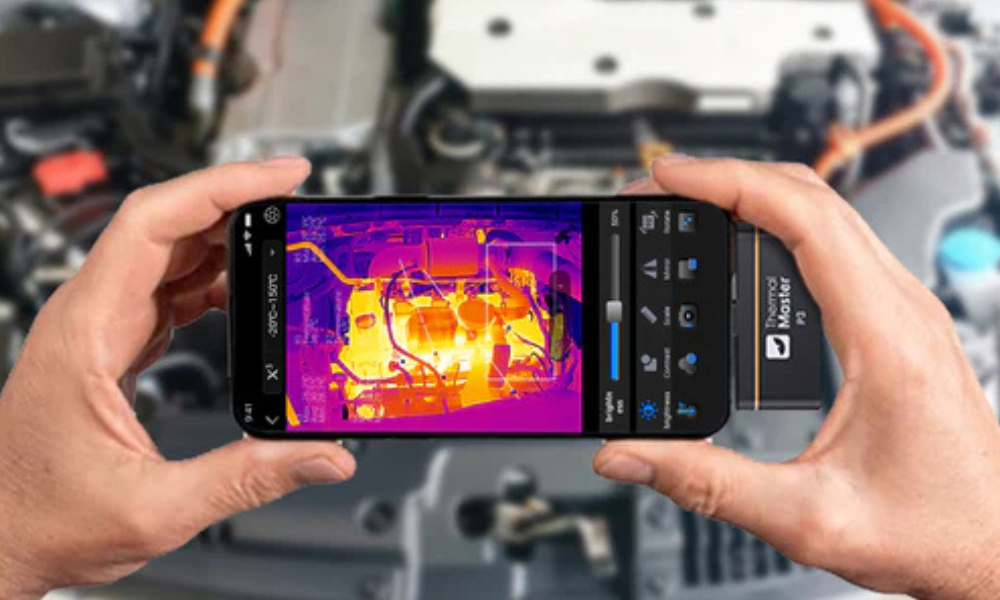
Die Wahl der richtigen Infrarot-Wärmebildkamera hängt nicht nur von Auflösung oder Preis ab; der wichtigste Faktor ist die beabsichtigte Verwendung. Bei so vielen Optionen auf dem Markt, von Smartphone-Zubehör bis hin zu professionellen Geräten, kann es schwierig sein, den Überblick zu behalten.
Dieser Leitfaden gibt Ihnen einen detaillierten Überblick über die wichtigsten Faktoren, die Sie vor dem Kauf berücksichtigen sollten, damit Sie selbstbewusst die Infrarot-Wärmebildkamera auswählen können, die Ihren Anforderungen am besten entspricht.
Welche Aspekte sind bei der Überprüfung von Wärmebildkameras zu berücksichtigen?
Bei der Auswahl einer Wärmebildkamera kann die Vielfalt der Spezifikationen und Funktionen überwältigend sein. Um Ihnen die beste Wahl zu erleichtern, sind hier sechs Schlüsselfaktoren, die Sie vor dem Kauf berücksichtigen sollten:
Thermische Auflösung
Die thermische Auflösung ist entscheidend für die Bildklarheit und Detailgenauigkeit. Eine höhere Auflösung erleichtert die Erkennung von Wärmeverteilung, Hotspots und potenziellen Problemen und vereinfacht so die Inspektion und Fehlerbehebung.
Temperaturmessbereich
Jede Wärmebildkamera hat ihren eigenen Temperaturmessbereich. Wählen Sie den Bereich, den Sie für Aufgaben wie Hauswartung und Bauinspektionen benötigen, um genauere Ergebnisse zu erzielen.
Thermische Empfindlichkeit (NETD)
Die thermische Empfindlichkeit gibt die Fähigkeit der Kamera an, geringfügige Temperaturunterschiede zu erkennen. Ein niedrigerer NETD-Wert bedeutet eine höhere Empfindlichkeit, was einen klareren Kontrast ermöglicht und subtile Probleme leichter erkennbar macht.
Sichtfeld (FOV) und Linsenqualität
Das Sichtfeld bestimmt die Größe des Bereichs, den Sie auf einmal sehen können. Zum Beispiel ist ein weites Sichtfeld zum Scannen großer Bereiche geeignet, während ein enges Sichtfeld besser für entfernte Ziele ist. Darüber hinaus trägt die Linsenqualität zu klaren und stabilen Wärmebildern bei.
Bildrate
Die Bildrate bestimmt die Flüssigkeit des Wärmebildes. Für statische Inspektionen ist die Bildrate nicht entscheidend, aber wenn Sie bewegliche Objekte verfolgen oder Geräte in Echtzeit überwachen müssen, bietet eine höhere Bildrate ein flüssigeres und reaktionsschnelleres Filmmaterial.
Portabilität und Haltbarkeit
Ein leichtes und kompaktes Design erleichtert das Tragen im täglichen Einsatz, während eine robuste Bauweise, Wasserdichtigkeit und eine lange Akkulaufzeit in rauen Umgebungen unerlässlich sind.
Wärmebildkameras für Smartphones vs. Handmodelle
1. Portabilität
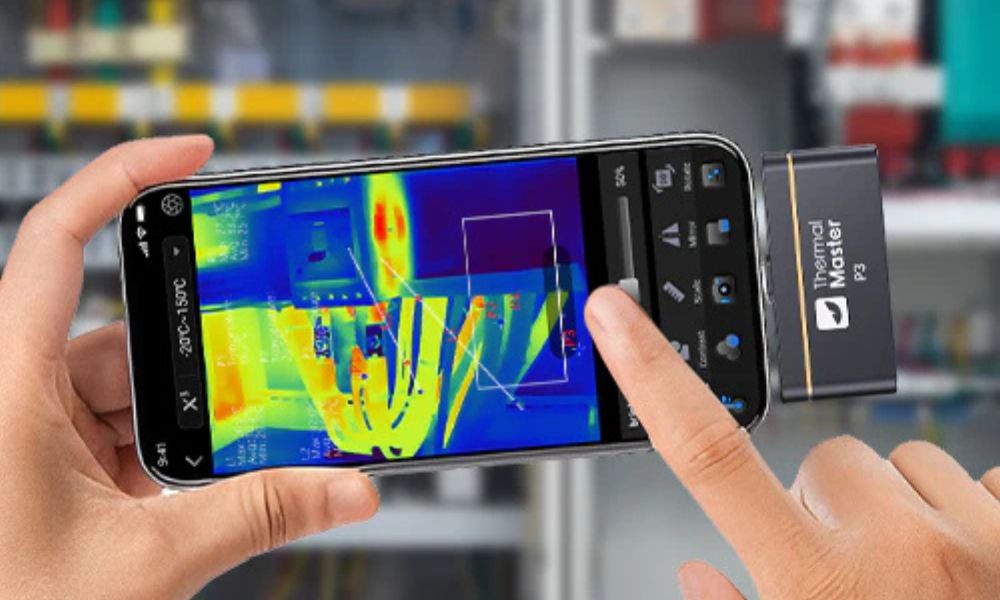
- Smartphone-Wärmebildkamera: Kompakt und direkt am Smartphone anbringbar, wodurch sie leicht zu transportieren ist und jederzeit und überall Inspektionen ermöglicht. Sie bietet bequeme und schnelle Prüfungen.
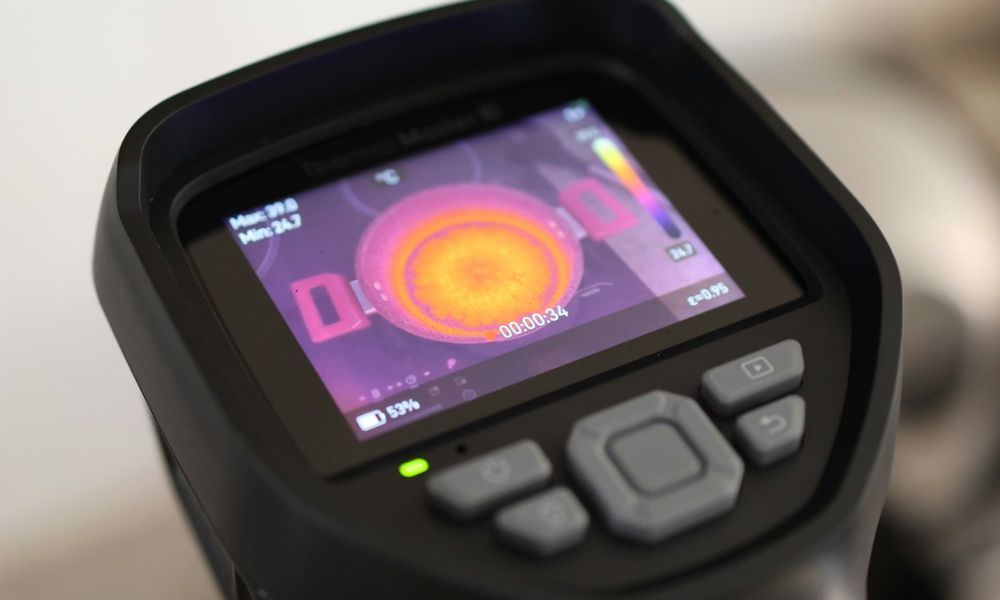
- Handgehaltene Wärmebildkamera: Größer und unabhängig nutzbar, weniger tragbar als eine Smartphone-Wärmebildkamera, aber sie bietet ein solides Gefühl und ist ideal für Langzeitinspektionen oder den professionellen Einsatz.
2. Bildqualität und Auflösung
- Smartphone-Wärmebildkamera: Hat in der Regel eine geringere Auflösung, ausreichend für einfache Hausinspektionen, kann aber keine feinen Details erkennen. Nur geeignet zur Erkennung allgemeiner Wärmeverteilung oder Lecks.
- Handgehaltene Wärmebildkamera: Höhere Auflösung und bessere thermische Empfindlichkeit, die subtile Temperaturunterschiede deutlich anzeigt. Daher ideal für präzise Inspektionen oder professionelle Prüfergebnisse.
3. Messgenauigkeit
- Smartphone-Wärmebildkamera: Die Genauigkeit ist für den täglichen Gebrauch ausreichend, aber die Messwerte können durch Entfernung oder Beleuchtung beeinflusst werden. Daher eignen sich Smartphone-Wärmebildkameras am besten für schnelle Temperaturkontrollen, nicht für kritische Messungen.
- Handgehaltene Wärmebildkamera: Zuverlässiger und stabiler, liefert genaue Messwerte auch unter komplexen Bedingungen. Ideal für strenge Inspektionen oder professionelle Arbeiten.
4. Funktionen
- Smartphone-Wärmebildkamera: Bietet grundlegende Wärmebildfunktionen, ausgestattet mit mehreren Farbpaletten und begrenzten Messpunkten.
- Handgehaltene Wärmebildkamera: Funktionsreich, einschließlich mehrerer Farbpaletten, Echtzeit-Video, Mehrpunktmessung und Berichterstellungsfunktionen.
5. Preis
- Smartphone-Wärmebildkamera: Erschwinglich, eine gute Wahl, wenn Sie eine Wärmebildkamera nur gelegentlich benötigen.
- Handgehaltene Wärmebildkamera: Höherer Preis, bietet aber aufgrund ihrer überlegenen Leistung, Haltbarkeit und professionellen Funktionen ein ausgezeichnetes Preis-Leistungs-Verhältnis.
6. Anwendungsszenarien
- Smartphone-Wärmebildkamera: Ideal für Hausinspektionen, Isolierungsprüfungen, einfache elektrische Arbeiten oder Outdoor-Aktivitäten.
- Handgehaltene Wärmebildkamera: Geeignet für industrielle Inspektionen, Gebäudeuntersuchungen, Geräte Wartung, Brandbekämpfung oder wissenschaftliche Forschung.

Wie genau sind Wärmebildkameras im praktischen Einsatz?
Wärmebildkameras eignen sich hervorragend zum Erkennen von Temperaturunterschieden, doch ihre Genauigkeit im praktischen Einsatz wird durch verschiedene Faktoren wie die Auflösung der Kamera, die thermische Empfindlichkeit und die Umgebungsbedingungen beeinflusst. Während einige Modelle Temperaturmessfehler innerhalb weniger Grad halten können, können Faktoren wie reflektierende Oberflächen, Entfernung und Umgebungstemperatur die Messergebnisse beeinflussen.
In der Praxis sind Wärmebildkameras ideal zum Erkennen von Wärmeverteilungsmustern, Lecks oder Hotspots, doch eine genaue Temperaturmessung erfordert ein Verständnis der Kameraspezifikationen und -einschränkungen.
Wärmebildkamera-Test: Thermal Master Modelle im Vergleich
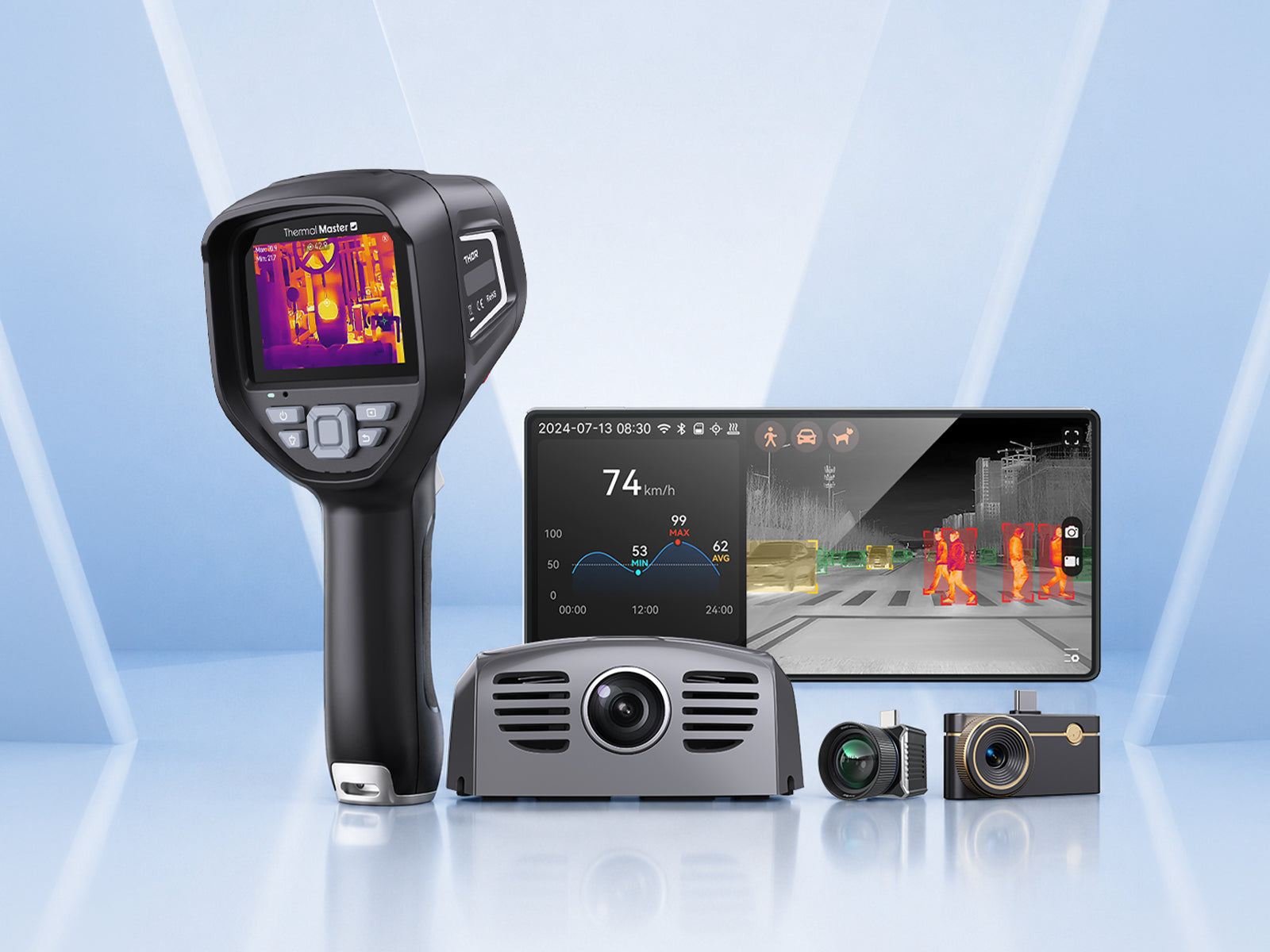
Mit einem klaren Verständnis dafür, wie Wärmebildkameras bewertet werden, wird es einfacher, spezifische Modelle zu vergleichen. Die folgenden Modelle zeigen, wie verschiedene Thermal Master Wärmebildkameras in der Praxis eingesetzt werden, wobei der Schwerpunkt darauf liegt, wofür jede am sinnvollsten ist.
Thermal Master P1
Die P1 ist eine Wärmebildkamera für Smartphones, die mit iOS-, Android- und Windows-Geräten kompatibel ist und Ihr Telefon oder Ihren Computer in ein praktisches Wärmebildwerkzeug verwandelt. Sie verfügt über eine Auflösung von 320×240, eine flüssige Bildwiederholfrequenz von 25 Hz und Funktionen wie Digitalzoom und Temperaturalarme, die eine schnelle und einfache Erkennung von heißen oder kalten Stellen ermöglichen. Ihr großer Temperaturbereich und der geringe Stromverbrauch machen sie ideal für Hausinspektionen oder einfache technische Arbeiten.
Thermal Master P2
Der Thermal Master P2 wird über eine Typ-C-Schnittstelle mit Android-Geräten verbunden und liefert ein klareres Bild mit 512×384 Pixeln, das eine schärfere Wärmebildansicht bietet. Seine hohe Empfindlichkeit und das flüssige Display helfen Ihnen, Wärmeverluste, kalte Stellen oder anormale Temperaturmuster zu erkennen. Darüber hinaus ist sein leichtes und energieeffizientes Design ideal für Hausbesitzer, Techniker oder Inspektoren, die jederzeit und überall professionelle Erkennung benötigen.
Thermal Master P3
Die Thermal Master P3 ist eine hochauflösende Wärmebildkamera, ausgestattet mit einem manuellen Fokusobjektiv, das es Ihnen ermöglicht, die Brennweite für Nah- bis Mittelbereichsbeobachtungen anzupassen. Sie bietet auch Funktionen wie Bild-im-Bild, Hotspot-Tracking und Temperaturalarme, die es einfacher machen, subtile Temperaturunterschiede zu erkennen. Darüber hinaus ist ihre Kompatibilität mit iOS-, Android- und Windows-Systemen perfekt für professionelle Inspektionen in den Bereichen Bau, Elektrik oder Automobil.

Lohnt sich der Kauf einer Wärmebildkamera?
Für viele Menschen wird der wahre Wert einer Wärmebildkamera erst deutlich, wenn sie sie in Gebrauch nehmen. Die Fähigkeit, Temperaturmuster zu sehen, kann verborgene Probleme aufdecken und Ihnen helfen, Probleme frühzeitig zu erkennen und kostspielige oder unnötige Reparaturen zu vermeiden.
Obwohl Wärmebildkameras kein Ersatz für professionelle Prüfgeräte sind, eignen sie sich hervorragend für schnelle Überprüfungen, Vergleiche und visuelle Diagnosen. Egal, ob Sie Hausbesitzer, Techniker oder jemand sind, der gerne Outdoor-Projekte macht, eine zuverlässige Wärmebildkamera kann sich schnell als handliches und lohnendes Werkzeug erweisen.
Zusammenfassung
Die richtige Wärmebildkamera hängt wirklich davon ab, wofür Sie sie benötigen. Telefonmodelle sind klein und handlich für den Heimgebrauch oder gelegentliche Kontrollen, während Handheld-Kameras schärfere Bilder und erweiterte Funktionen für professionelle Arbeiten bieten. Die Modelle P1, P2 und P3 von Thermal Master bieten Optionen von einfachen und tragbaren bis hin zu hochauflösenden, funktionsreichen Geräten, die es einfach machen, verborgene Probleme zu erkennen und kostspielige Probleme zu vermeiden.
FAQs
Was ist der Unterschied zwischen thermisch und infrarot?
Infrarot bezieht sich auf einen weiten Bereich elektromagnetischer Strahlung, der knapp außerhalb des sichtbaren Lichtspektrums liegt, für das menschliche Auge unsichtbar ist, aber als Wärme detektierbar. Wärmebildgebung ist eine praktische Anwendung der Infrarottechnologie, die die von Objekten emittierte Wärme erfasst und visualisiert, wodurch Temperaturunterschiede und -muster sichtbar werden, die sonst unsichtbar wären. Dies macht sie zu einem leistungsstarken Werkzeug für Inspektionen, Diagnosen und Überwachung in verschiedenen Bereichen.
Kann ich die Raumtemperatur mit meinem Telefon überprüfen?
Ein Telefon, das mit einer Wärmebildkamera gekoppelt ist, kann effektiv relative Temperaturunterschiede in einem Raum anzeigen, sodass Sie schnell warme oder kalte Stellen identifizieren können. Es sollte jedoch nicht als Ersatz für präzise Temperatursensoren angesehen werden, da die Messwerte durch Abstand, Oberflächenreflexion und Umgebungsbedingungen beeinflusst werden können. Es wird am besten als visuelles Diagnosewerkzeug und nicht für exakte Messungen verwendet.
Können Sie Ihr Smartphone in eine Wärmebildkamera verwandeln?
Ja, mit kompatiblen Aufsätzen kann ein Telefon Wärmebilder anzeigen und helfen, Wärmemuster zu visualisieren, wodurch es einfacher wird, heiße oder kalte Stellen in einem Raum, an einem Gerät oder einer Ausrüstung zu erkennen. Die Klarheit und Genauigkeit dieser Bilder hängt jedoch von der Qualität des Sensors ab, sodass hochwertigere Aufsätze detailliertere und zuverlässigere Wärmebilder liefern.
Verwandte Artikel:
Wie funktionieren Wärmebildkameras?
Wie verwendet man eine Wärmebildkamera für die Hausinspektion?
Wie können Sie Ihr Smartphone in eine Wärmebildkamera verwandeln?

Hinterlasse einen Kommentar
Alle Kommentare werden vor der Veröffentlichung geprüft.
Diese Website ist durch hCaptcha geschützt und es gelten die allgemeinen Geschäftsbedingungen und Datenschutzbestimmungen von hCaptcha.