


Vogelbeobachtung
Befreie deine Freiheit!
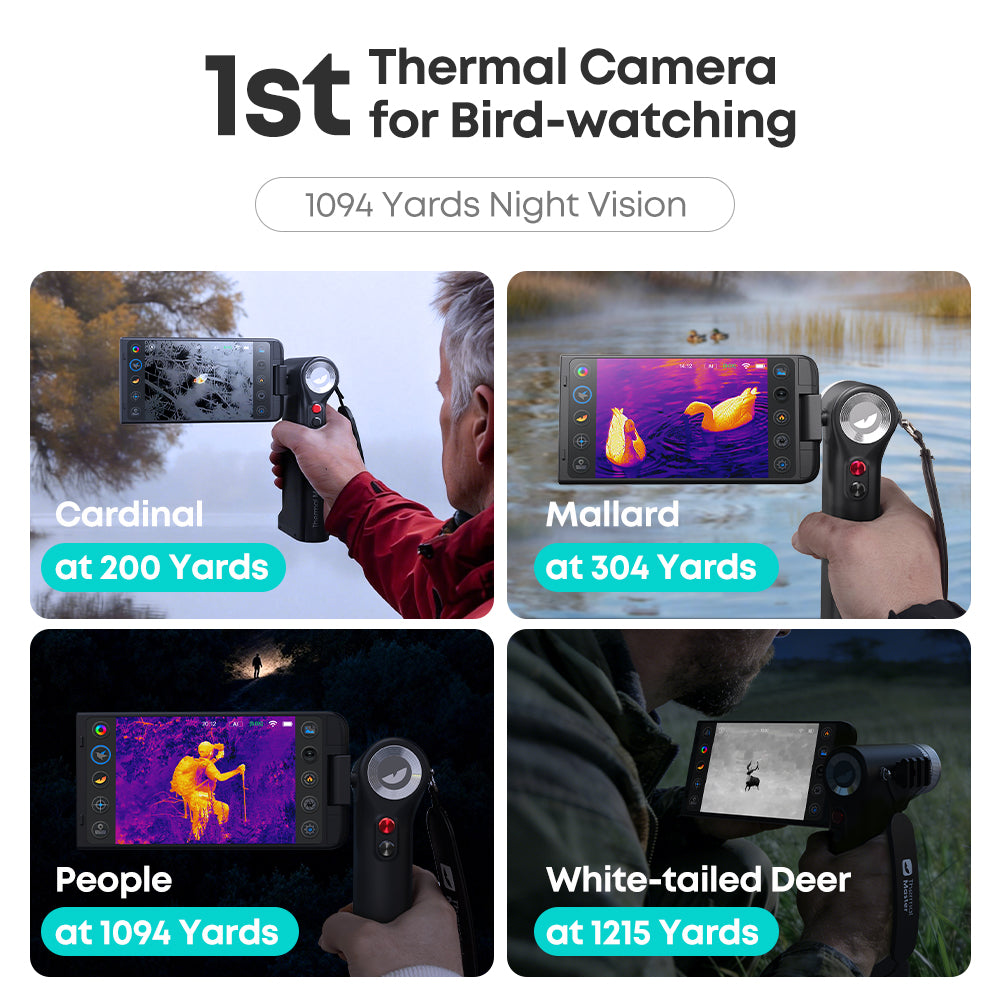
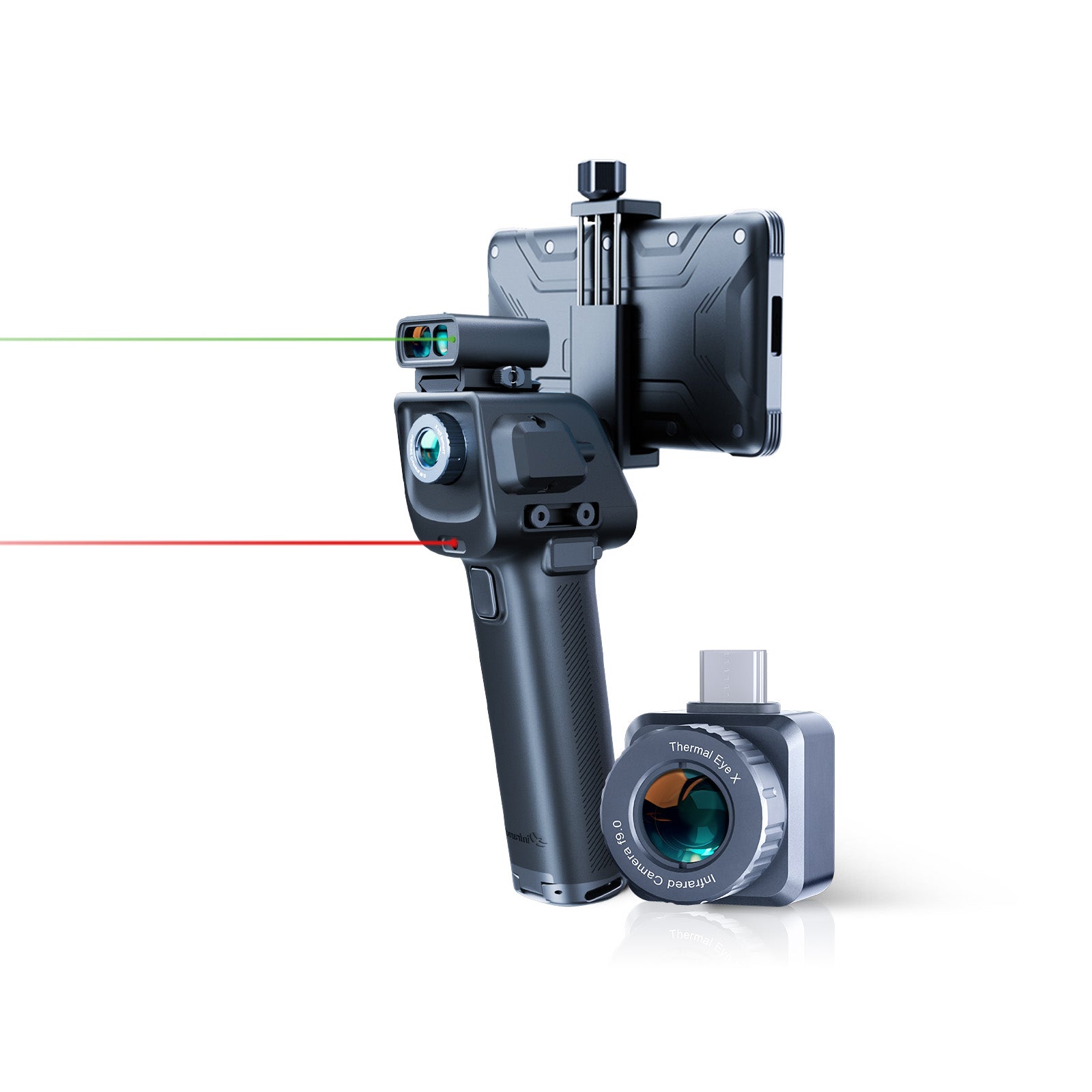
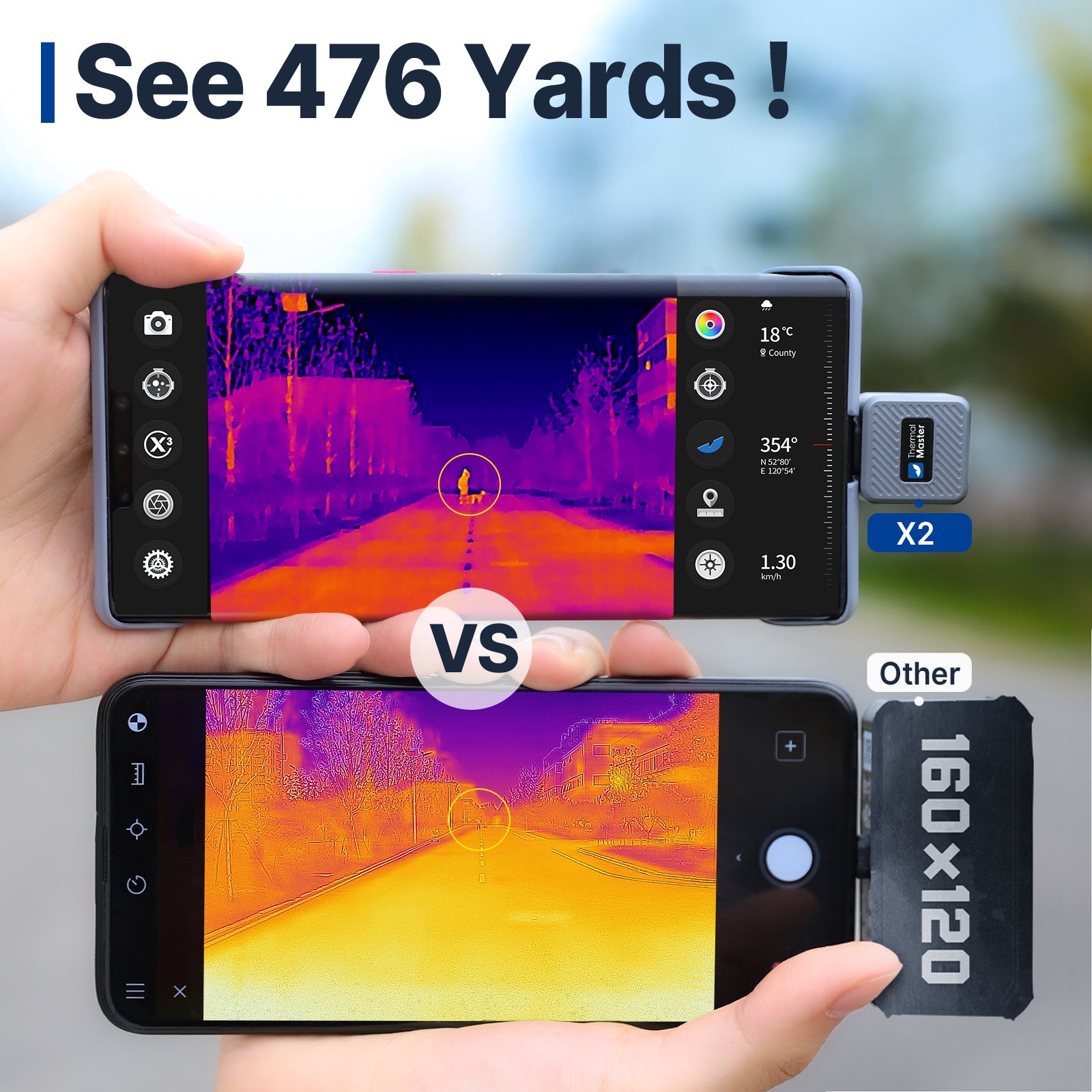
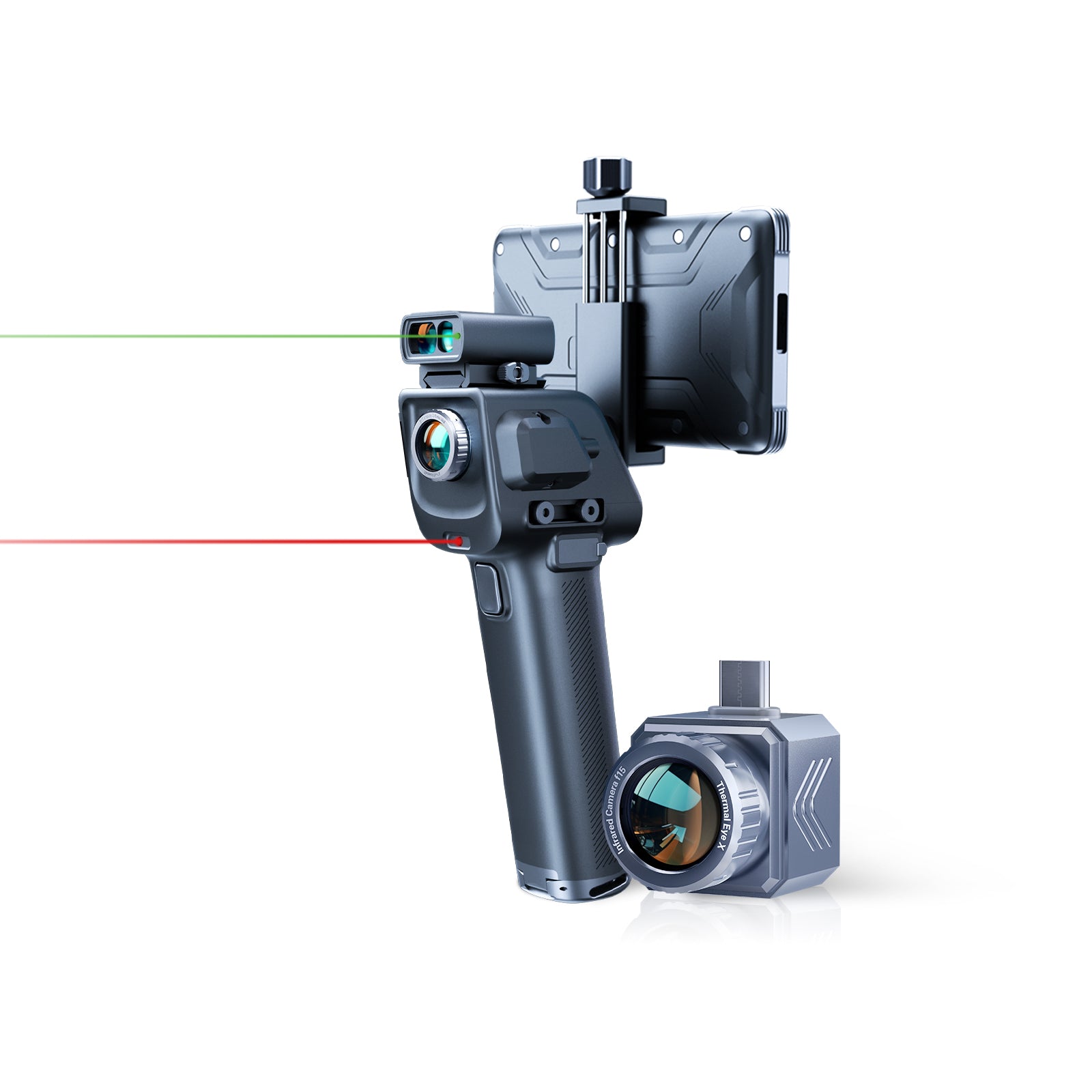
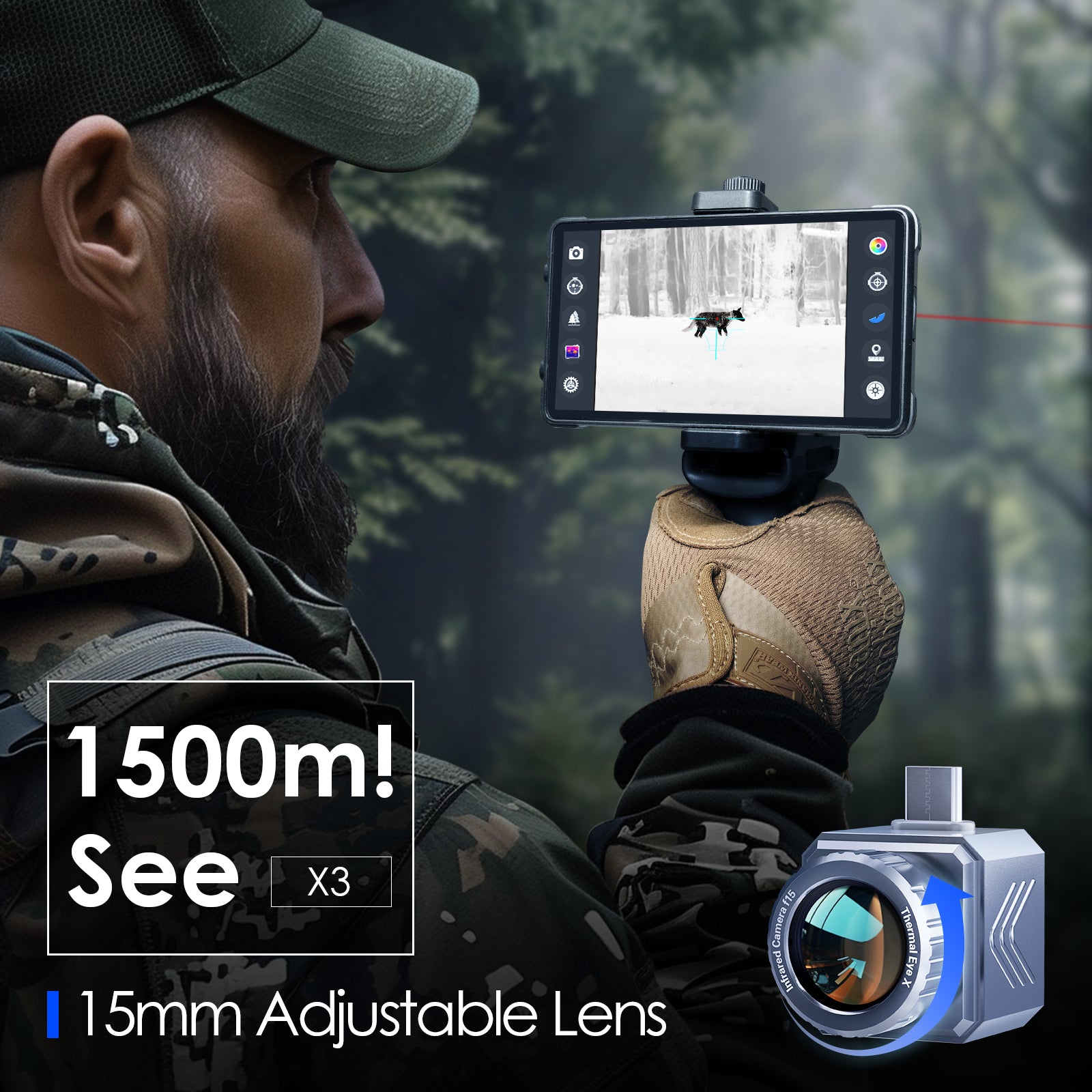
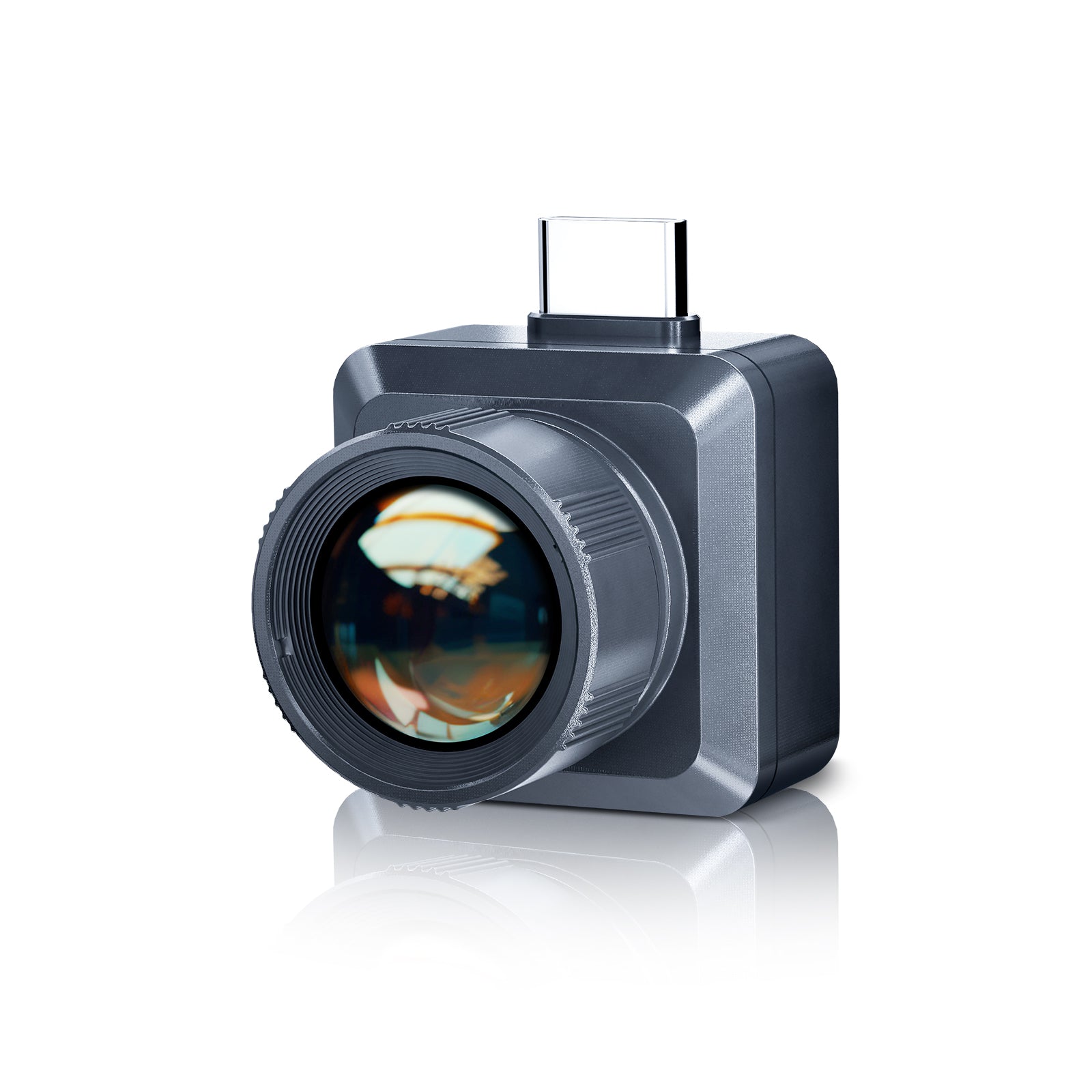
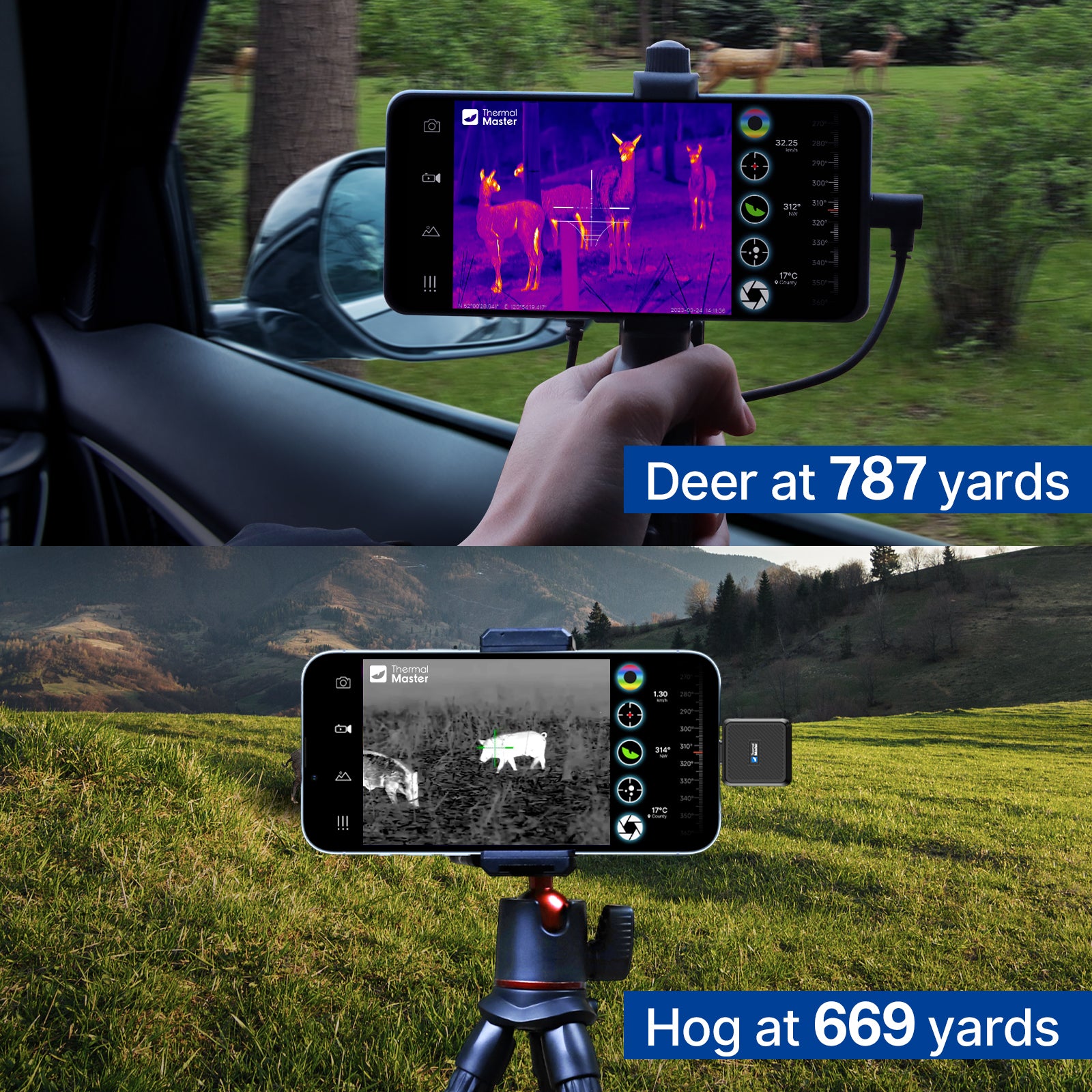
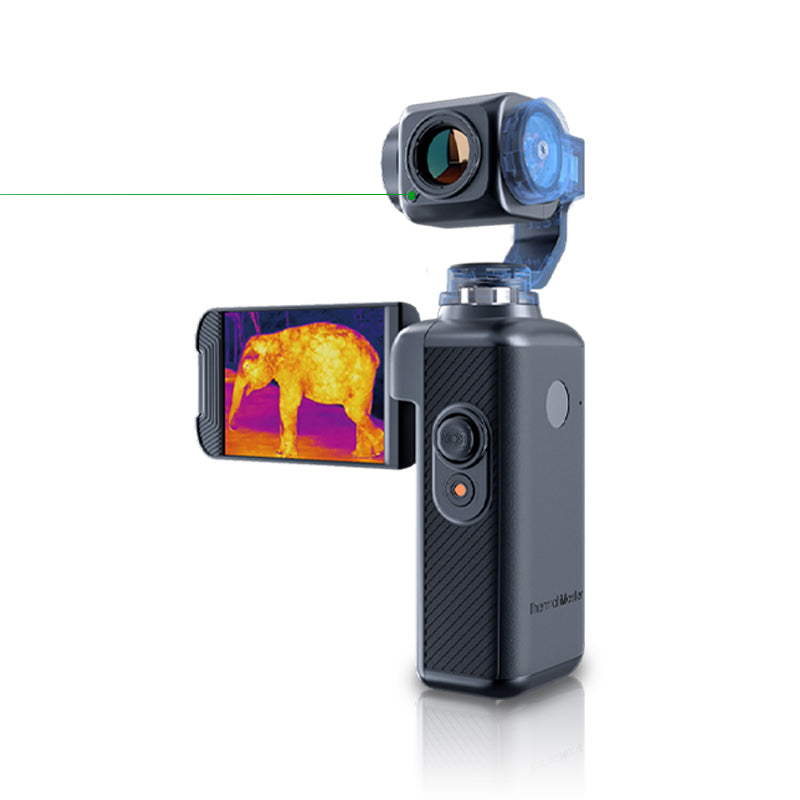
 Liquid error (sections/yg-media-with-text line 149): invalid url input
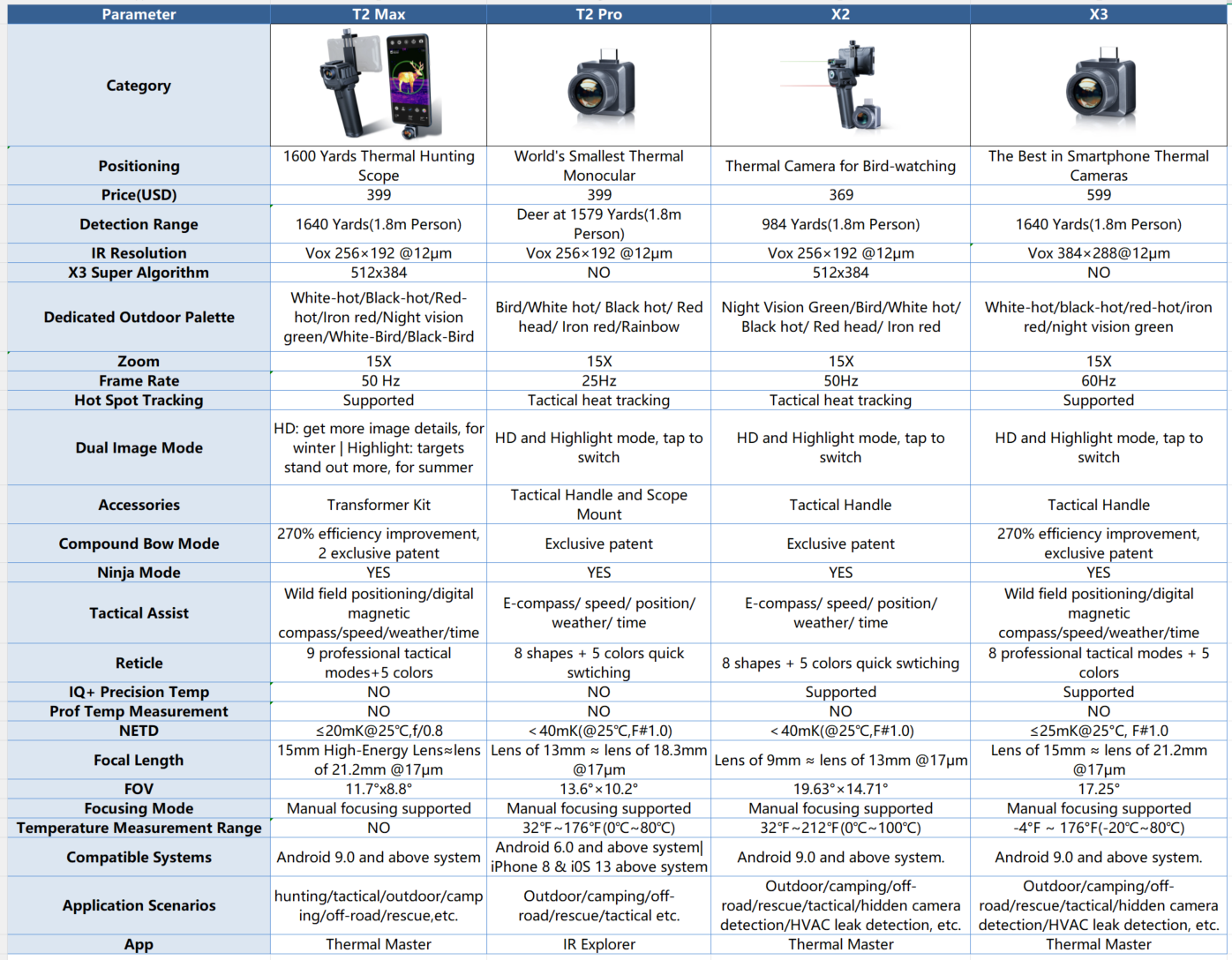
Produktvergleich
Wie funktionieren Wärmebild-Monokulare?
Rasiermesser X
Thermal Master verfügt über die Kerntechnologie der Wärmebildgebung und entwickelt unabhängig führende hochempfindliche Detektoren und ASIC-Bildprozessoren. Das Herzstück davon ist die leistungsstarke Razor X-Bildverarbeitungs-Engine, die KI-Deep-Learning kombiniert, um Rauschen und Störungen intelligent zu unterdrücken.
Razor X analysiert jedes aufgenommene Bild in Echtzeit und passt den optimalen Algorithmus basierend auf verschiedenen Szenarien an, um den Dynamikbereich des Bildes zu verbessern. Dadurch wird das Bild nicht nur klarer und schärfer, sondern die Ziele werden auch deutlicher hervorgehoben.
X³ Turbo Super-Auflösung
Unsere X³-Technologie durchbricht die physikalischen Pixelgrenzen von Infrarotdetektoren und erhöht die Auflösung von 256 auf 512. Während die X³-Technologie echte Bilder wiederherstellt, nutzt sie Millionen von Datenpunkten und nutzt Deep-Learning-Algorithmen für neuronale Netzwerke und intelligente KI-Erkennung für mehrere Szenen, um intelligente Interpolation in Echtzeit durchzuführen. Dies führt zu detaillierteren und verfeinerten Bildern, sodass entfernte, subtile Ziele selbst in komplexen Außenumgebungen leicht erkennbar sind.
X³ Aus
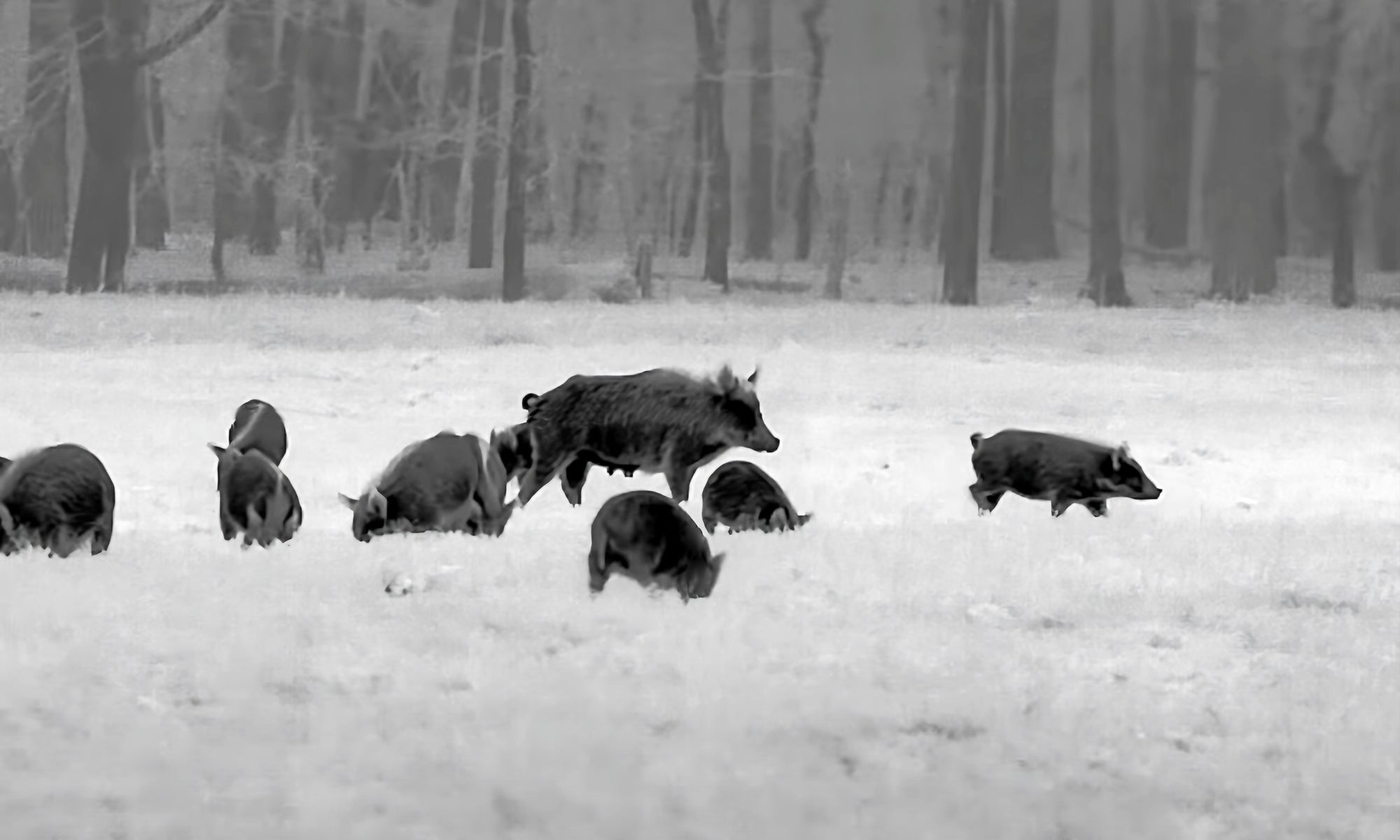
X³ Ein
Einblick+
Das intelligente System zur Eliminierung falscher Ziele. Bei der Verwendung von Wärmebildkameras bei hohen Umgebungstemperaturen können Felsen und Baumstämme im Freien hell erscheinen und mit tatsächlichen Zielen verwechselt werden. Insight+, basierend auf Millionen von Datenpunkten und KI-Deep-Learning, unterscheidet auf intelligente Weise zwischen echten und falschen Zielen in verschiedenen Szenen wie Dschungeln, Hügeln und Ebenen und enthüllt die Wahrheit auf einen Blick.
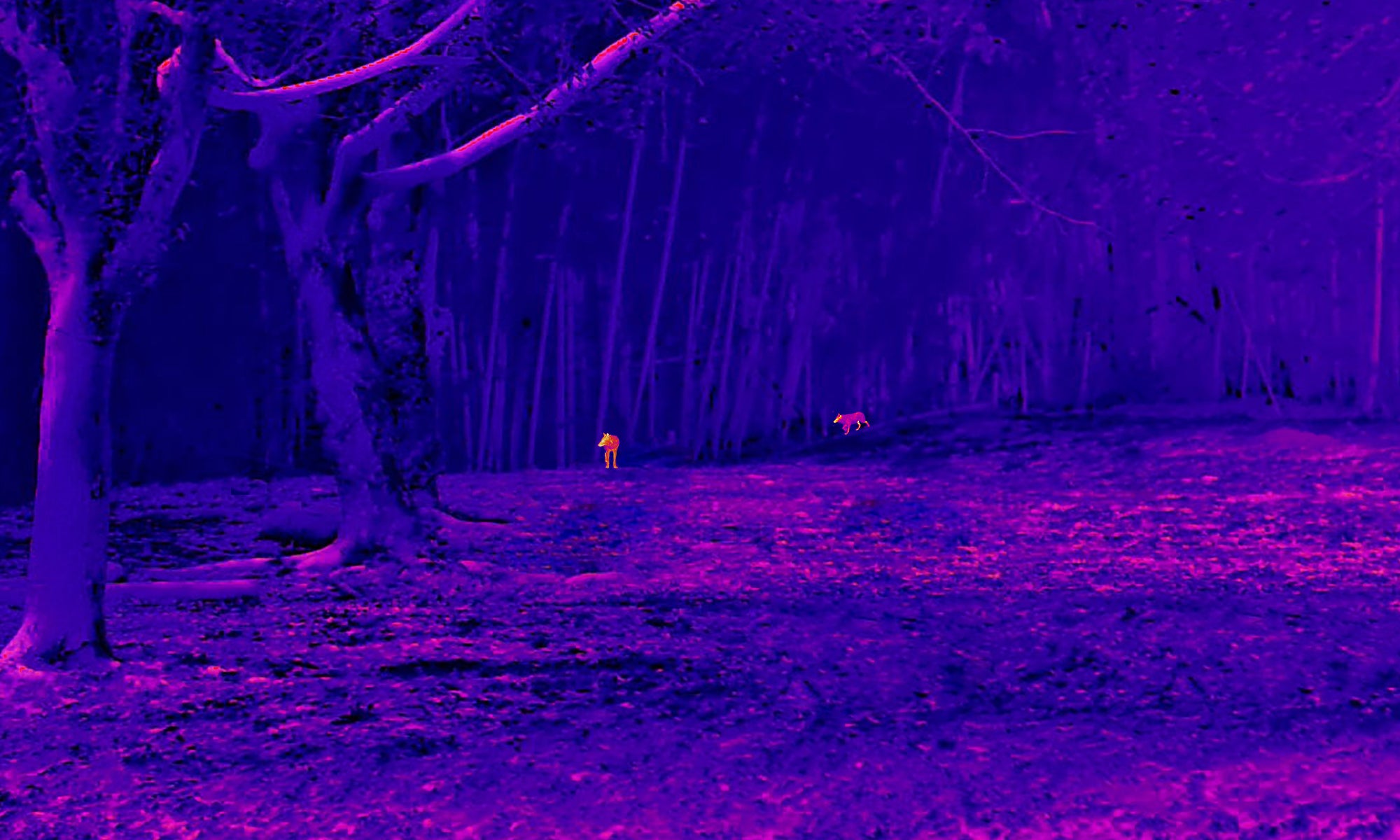
Ohne Insight+
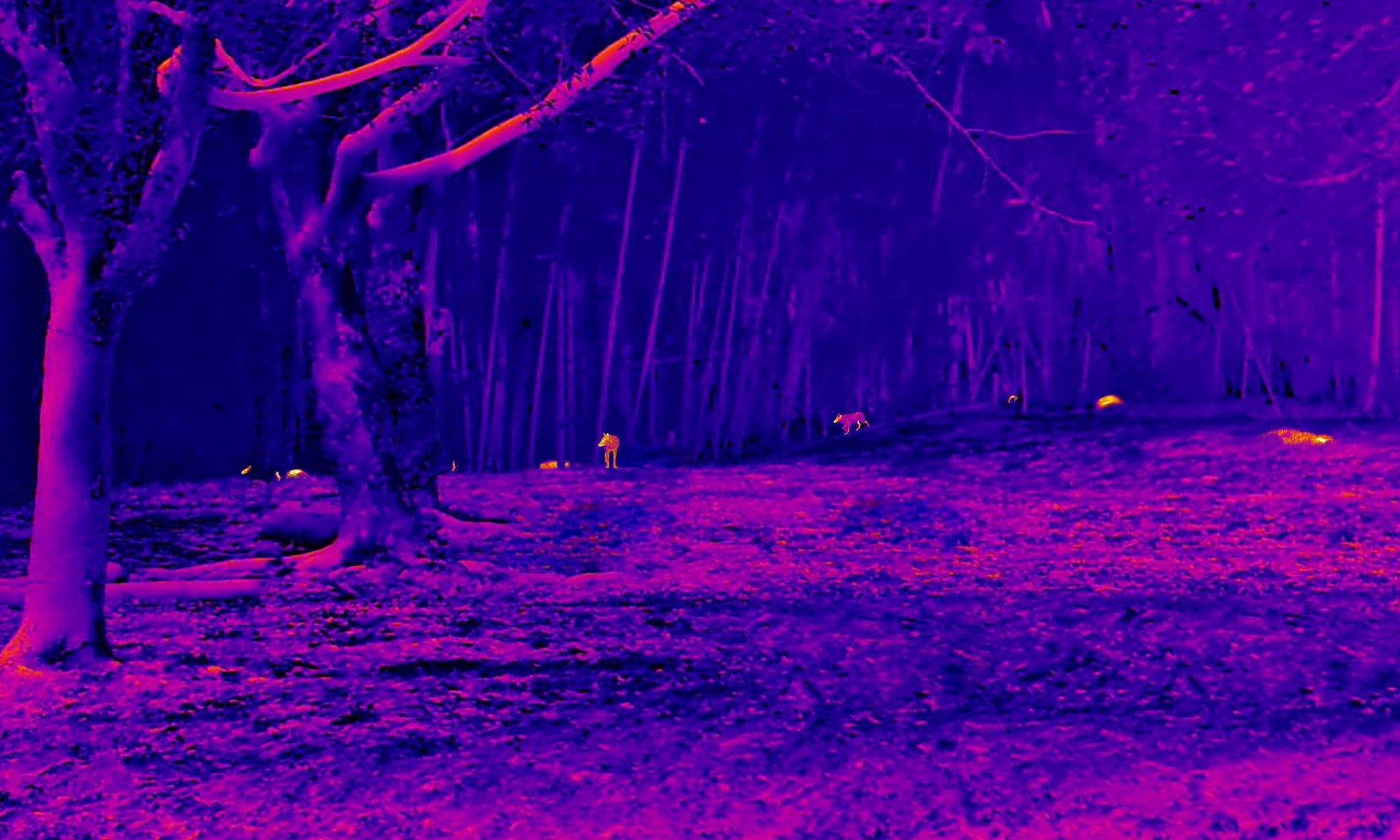
Mit Insight+
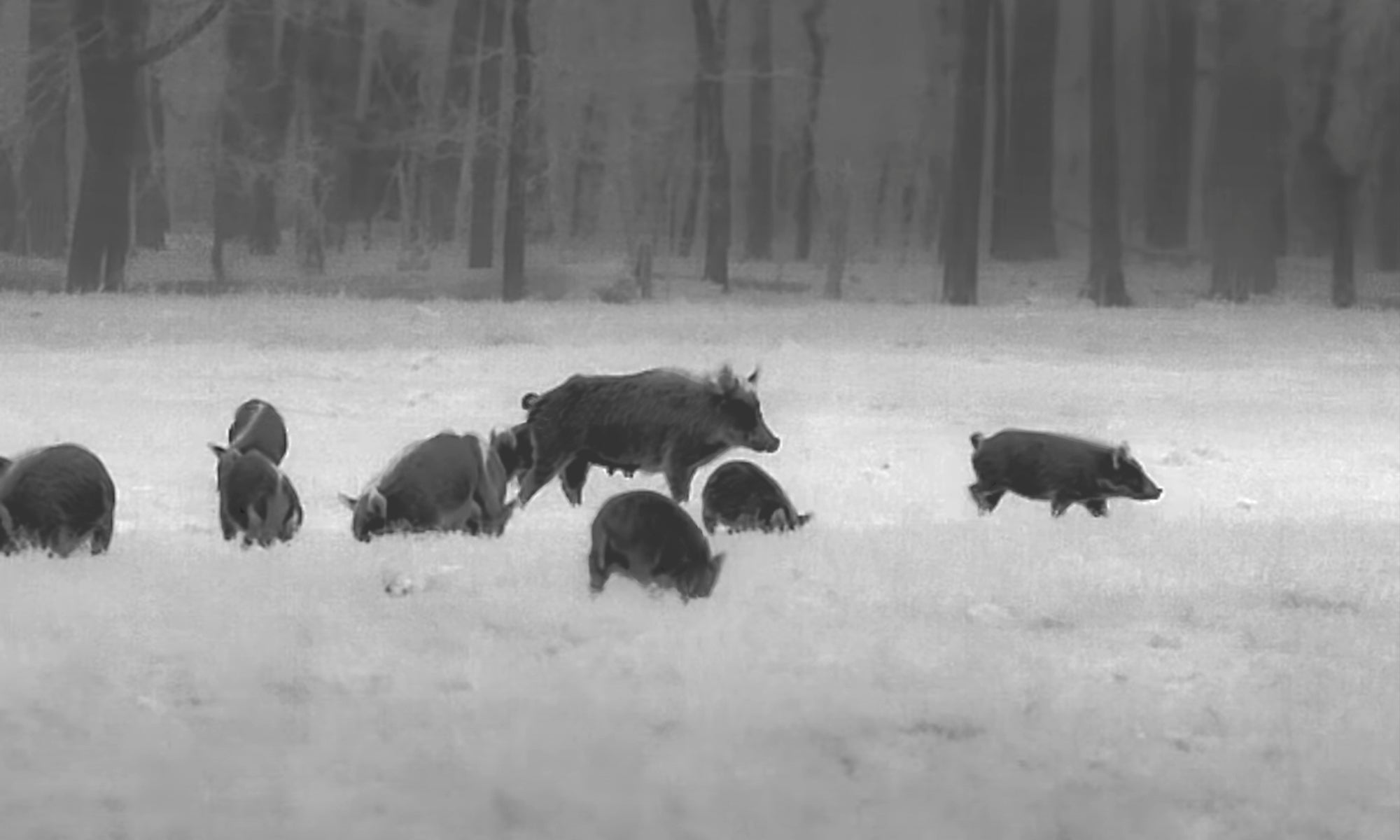
Super Bird
Der „Himmelseffekt“ in der Wärmebildgebung ist für Outdoor-Fans eine Herausforderung. Beim Betrachten von Vögeln in Bäumen oder Wildschweinen im entfernten Gras kann der Himmel, der in das Wärmebild eindringt, dazu führen, dass Baumstämme und Gras hell erscheinen und das Ziel mit dem Hintergrund verschmelzen. Super Bird übertrifft andere „Vogel“-Modi der Wärmebildgebung, indem es den Himmelseffekt extrem unterdrückt, was ihm unter Outdoor-Fans den Spitznamen „Magier“ eingebracht hat.
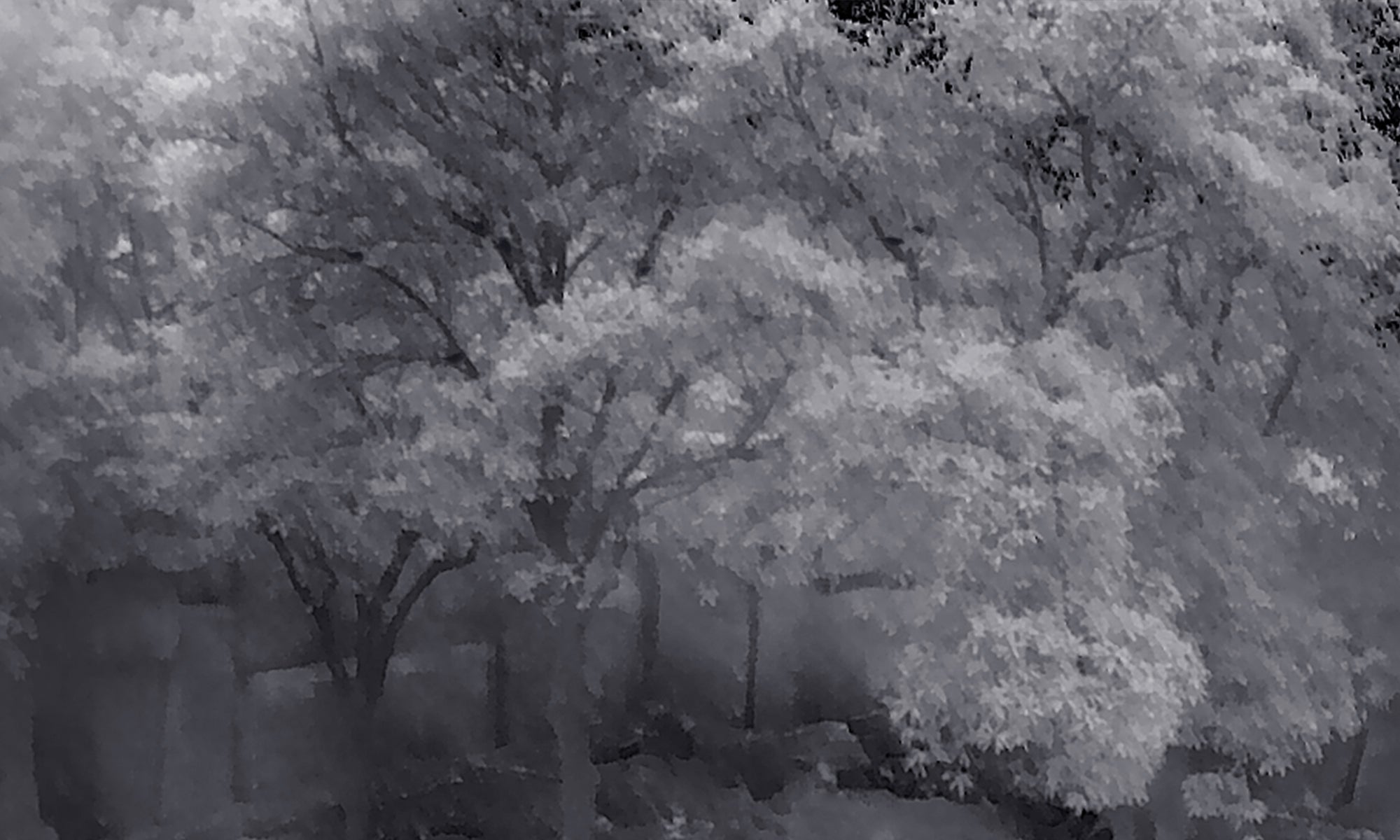

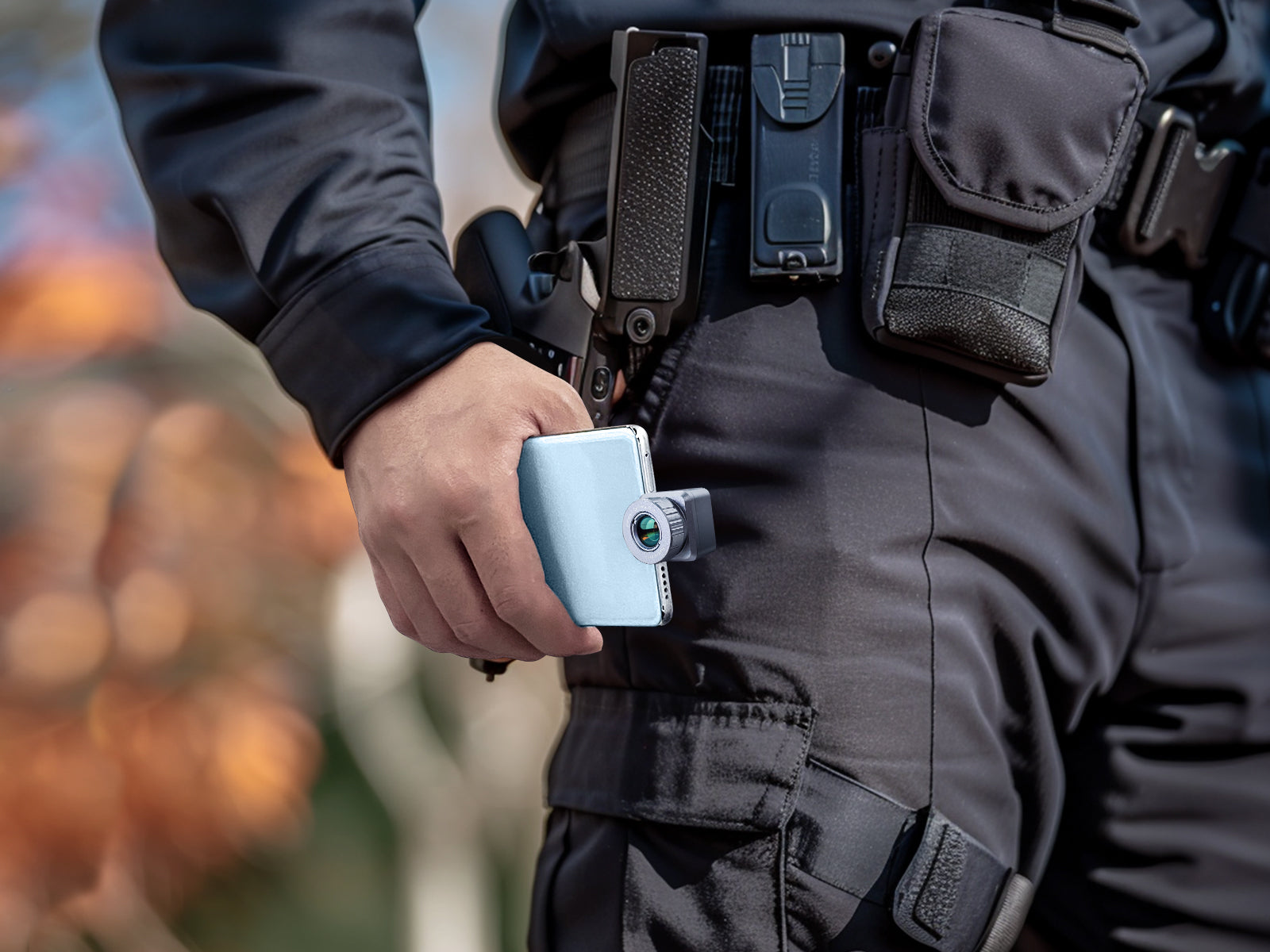
Bei der Verwendung einer Wärmebildkamera im Freien kann das Licht des Bildschirms den Beobachter enttarnen und das Ziel erschrecken. Der exklusive Ninja-Modus von Thermal Master für Wärmebilder mit großer Brennweite sorgt für absolute Tarnung in der Dunkelheit jenseits von 2 Metern und gibt kein Licht ab. Polizei- und Sicherheitspersonal kann in der Dunkelheit unsichtbar bleiben. „Ich sehe dich, aber du siehst mich nicht.“
Bei der Verwendung einer Wärmebildkamera im Freien kann das Licht des Bildschirms den Beobachter enttarnen und das Ziel erschrecken. Der exklusive Ninja-Modus von Thermal Master für Wärmebilder mit großer Brennweite sorgt für absolute Tarnung in der Dunkelheit jenseits von 2 Metern und gibt kein Licht ab. Polizei- und Sicherheitspersonal kann in der Dunkelheit unsichtbar bleiben. „Ich sehe dich, aber du siehst mich nicht.“
Häufig gestellte Fragen zu Wärmebildmonokularen
Kann ein Wärmebild-Zielfernrohr bei Nebel oder Rauch verwendet werden?
Kann ein Wärmebild-Zielfernrohr bei Nebel oder Rauch verwendet werden?
In vielen Fällen funktioniert ein thermales Jagdzielfernrohr bei leichtem Nebel oder Rauch besser als herkömmliche optische Zielfernrohre, da es Wärme erkennt, anstatt auf sichtbares Licht angewiesen zu sein. Dies kann die Zielerkennung verbessern, wenn die Sicht durch Umgebungsbedingungen eingeschränkt ist.
Starker Nebel, dichter Rauch oder extreme Wetterbedingungen können jedoch die Bildklarheit und die Erkennungsreichweite weiterhin einschränken. Trotzdem bietet ein thermisches Jagdzielfernrohr in anspruchsvollen Umgebungen oft eine zuverlässigere Leistung als Standardoptiken.
Kann ein Zielfernrohr zur Wildbeobachtung verwendet werden?
Kann ein Zielfernrohr zur Wildbeobachtung verwendet werden?
Absolut, ein Jagdzielfernrohr mit Wärmebild wird auch häufig zur Wildbeobachtung und -überwachung eingesetzt. Es ermöglicht Ihnen, Tiere aus der Ferne zu beobachten, ohne ihr natürliches Verhalten zu stören, insbesondere nachts.
Dadurch sind Wärmebildgeräte neben der Jagd auch nützlich für Forschung, Naturschutz und Erkundungen im Freien. Die Verwendung eines Jagdzielfernrohrs zur Beobachtung bietet eine diskrete Möglichkeit, die Bewegung und das Verhalten von Tieren in ihrem natürlichen Lebensraum zu studieren.
Benötigt ein Wärmebildfernrohr Batterien?
Benötigt ein Wärmebildfernrohr Batterien?
Ja, ein Wärmebildzielfernrohr benötigt Batterien, um seinen Sensor, Bildprozessor und das Anzeigesystem zu betreiben. Die Batterielebensdauer variiert je nach Nutzung, Helligkeitseinstellungen und Umgebungstemperatur, daher ist das Energiemanagement ein wichtiger Aspekt.
Für längere Jagdausflüge wird dringend empfohlen, Ersatzbatterien oder eine Notstromquelle mitzuführen. Eine zuverlässige Stromversorgung gewährleistet, dass ein Wärmebildzielfernrohr bei Bedarf, insbesondere bei ausgedehnten nächtlichen oder abgelegenen Jagdsitzungen, betriebsbereit bleibt.
Kann man ein Zielfernrohr nachts benutzen?
Kann man ein Zielfernrohr nachts benutzen?
Ja, ein mit Wärmebildtechnologie ausgestattetes Jagdzielfernrohr ist sehr effektiv für den Nachteinsatz. Im Gegensatz zu herkömmlichen optischen Zielfernrohren, die auf Mondlicht oder künstliche Beleuchtung angewiesen sind, erfassen Wärmebildzielfernrohre die Wärme direkt von Tieren.
Dadurch können Jäger auch bei völliger Dunkelheit oder in kontrastarmen Umgebungen die Sicht behalten. Ein wärmebildfähiges Jagdzielfernrohr bietet die ganze Nacht über eine gleichmäßige Erkennung und hilft Jägern, Bewegungen zu verfolgen und Ziele zu identifizieren, ohne auf externe Lichtquellen angewiesen zu sein.
Wie wähle ich das richtige Wärmebild-Jagdfernrohr aus?
Wie wähle ich das richtige Wärmebild-Jagdfernrohr aus?
Die Wahl des richtigen Wärmebildzielfernrohrs beginnt mit dem Verständnis, wie und wo Sie jagen. Faktoren wie die typische Schussentfernung, die Art des Geländes und ob Sie hauptsächlich nachts oder tagsüber jagen, beeinflussen, welche Funktionen am wichtigsten sind.
Jäger in offenen Gebieten bevorzugen möglicherweise längere Erfassungsreichweiten, während Jäger in dichten Wäldern eher kompakte Größe und schnelle Bildwiederholraten schätzen. Die Auswahl eines Wärmebildzielfernrohrs, das zu Ihren tatsächlichen Jagdgewohnheiten passt, gewährleistet bessere Leistung und langfristige Zufriedenheit ohne unnötige Komplexität.
Kann ein Wärmebild-Jagdfernrohr zur Jagd verwendet werden?
Kann ein Wärmebild-Jagdfernrohr zur Jagd verwendet werden?
Ja, ein Wärmebild-Jagdfernrohr wurde speziell für die Jagd entwickelt und wird von Jägern häufig verwendet, die eine zuverlässige Zielerkennung bei schlechten Lichtverhältnissen oder in der Nacht benötigen. Anstatt sich auf sichtbares Licht zu verlassen, erkennt es die von Tieren abgegebenen Wärmesignaturen, wodurch es einfacher wird, Wild zu lokalisieren, selbst wenn die Sicht durch Dunkelheit, Vegetation oder Gelände eingeschränkt ist.
Diese Fähigkeit ist besonders nützlich, um Tiere zu identifizieren, die teilweise versteckt sind oder sich nicht bewegen. Durch die Verwendung eines Wärmebild-Jagdfernrohrs können Jäger ihr Situationsbewusstsein verbessern, Fehlsichtungen reduzieren und fundiertere Entscheidungen treffen, während sie gleichzeitig Sicherheit und Genauigkeit in anspruchsvollen Jagdumgebungen gewährleisten.
Kann ein Wärmebildgerät tagsüber verwendet werden?
Kann ein Wärmebildgerät tagsüber verwendet werden?
Ja, ein Wärmebildzielfernrohr kann tagsüber effektiv eingesetzt werden, da die Wärmebildtechnologie nicht von Sonnenlicht oder Helligkeit beeinflusst wird. Es erfasst Temperaturunterschiede zwischen Objekten und ihrer Umgebung, die unabhängig von den Lichtverhältnissen bestehen bleiben.
Bei Tagjagden ruhen Tiere oft in schattigen Bereichen, hohem Gras oder dichter Deckung, wo sie mit herkömmlichen Optiken schwer zu erkennen sind. In diesen Situationen kann ein Wärmebildzielfernrohr Wärmeignaturen sichtbar machen, die sonst unsichtbar wären, und Jägern helfen, die Anwesenheit von Tieren zu erkennen, selbst wenn der visuelle Kontrast gering ist.
Wie pflege ich ein Wärmebildgerät?
Wie pflege ich ein Wärmebildgerät?
Die richtige Pflege ist unerlässlich, um sicherzustellen, dass ein Wärmebildgerät über die Zeit hinweg zuverlässig funktioniert. Die Wartung umfasst die sanfte Reinigung der Linse mit geeigneten Materialien, den Schutz des Geräts vor Feuchtigkeit, Staub und Stößen sowie die Aufbewahrung in einem Schutzbehälter, wenn es nicht verwendet wird.
Es ist auch wichtig, das Gerät keinen extremen Temperaturen oder plötzlichen Umweltveränderungen auszusetzen. Eine regelmäßige Inspektion und der verantwortungsvolle Umgang mit einem Wärmebildgerät tragen dazu bei, die Bildschärfe zu erhalten, die Lebensdauer der Ausrüstung zu verlängern und eine gleichbleibende Leistung während jeder Jagdsaison zu gewährleisten.
Welche Funktionen sollte ich bei der besten Wärmebildkamera beachten?
Welche Funktionen sollte ich bei der besten Wärmebildkamera beachten?
Bei der Suche nach dem besten Wärmebildfernrohr ist es wichtig, Funktionen zu bewerten, die sich direkt auf die reale Leistung auswirken, anstatt sich nur auf die Spezifikationen zu konzentrieren. Sensorauflösung und thermische Empfindlichkeit beeinflussen, wie klar Tiere vom Hintergrund abheben, während die Detektionsreichweite bestimmt, wie weit Ziele identifiziert werden können.
Akkulaufzeit, Robustheit und Bildverarbeitungsqualität spielen ebenfalls eine wichtige Rolle für die Praxistauglichkeit. Das beste Wärmebildfernrohr ist eines, das Bildklarheit, Zuverlässigkeit und Benutzerfreundlichkeit in Einklang bringt, um Ihren spezifischen Jagdbedingungen gerecht zu werden.