



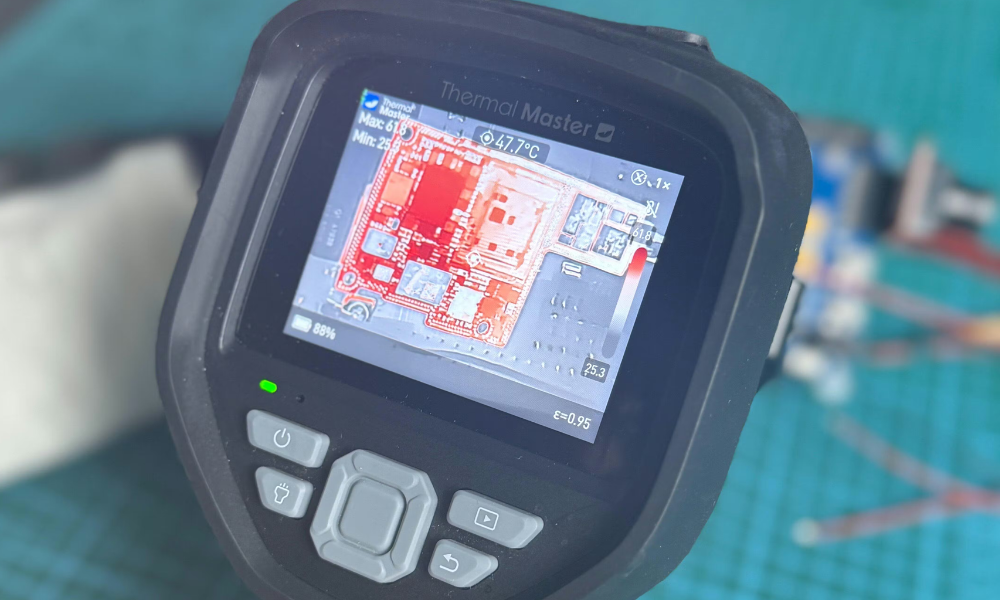
Thermal cameras can cost anywhere from around $100 to over $5,000. The price really depends on the type of camera, its resolution, sensitivity, and extra features. Below, we will analyze the factors that affect cost and explore the main types and price ranges of thermal imaging cameras so that you can easily determine which one suits your needs.
How Much Do Different Types of Thermal Cameras Cost?
Thermal imagers come in a wide variety of types, with prices varying depending on design and intended use. Understanding the average price range for each type can help you choose the right model and avoid overspending.
1. Smartphone and Clip-On Thermal Cameras
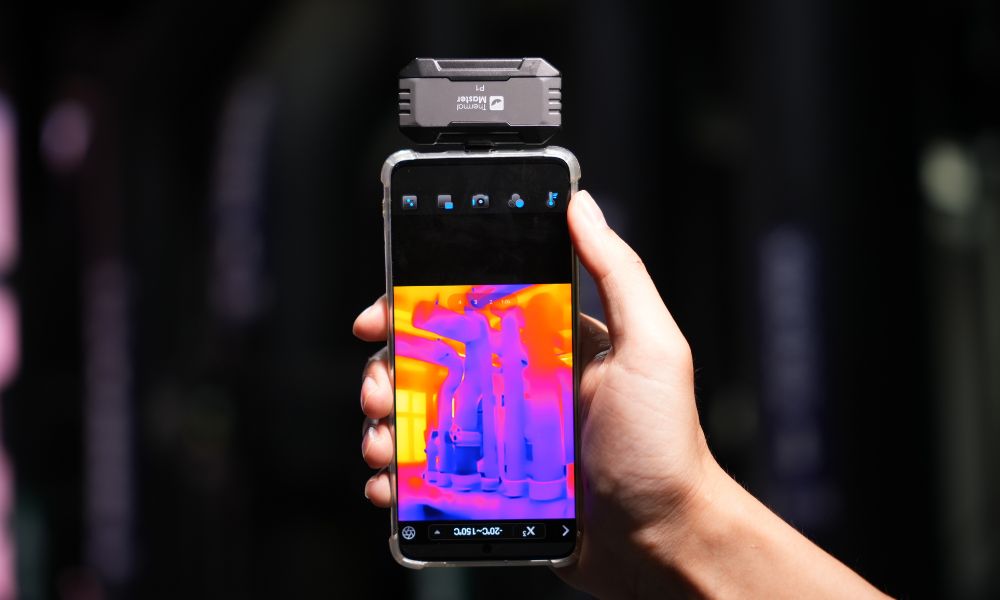
Smartphone thermal cameras are the most affordable option, priced between $150 and $400. They are small, portable, and connect to a smartphone or via USB. Suitable for basic home inspections, HVAC system checks, or quick troubleshooting.
2. Handheld Thermal Cameras
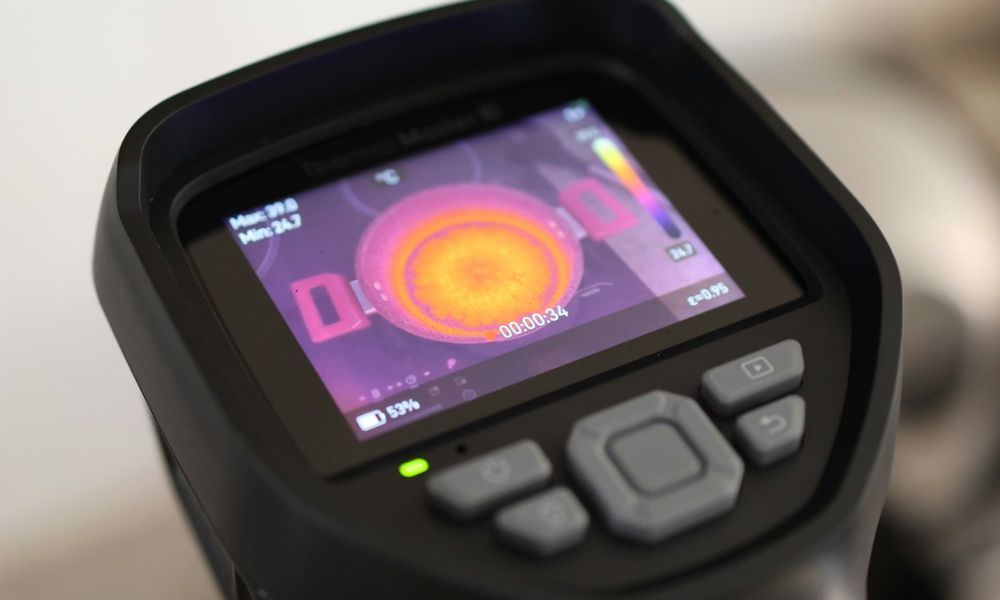
Handheld thermal camera are standalonedevices with a built-in display. They can beused by electricians, HVAC technicians, andhome inspectors. Basic handheld thermalimagers cost between $200 and $1000,while higher-resolution, more accuratemodels are more expensive, typicallybetween $1000 and $3000.
3. Professional and Industrial Thermal Cameras
These thermal imagers are designed for demanding applications such as industrial maintenance, predictive diagnostics, and scientific research. They offer higher resolution, wider temperature range, and more advanced analytical capabilities. Therefore, their prices range from approximately $2,500 to $5,000 or higher, depending on specifications and accessories.
4. Thermal Modules and OEM Components
Thermal Modules and OEM ComponentsSome applications use thermal imagingmodules designed specifically for integrationinto other products or custom systems,rather than off-the-shelf thermal imagers.Their prices vary because modules withdifferent resolutions cost differently, rangingfrom hundreds to few thousands dollar-oreven higher

What Factors Influence the Cost of a Thermal Camera?
The price of a thermal imager depends on several key factors that affect image sharpness, accuracy, and usability for everyday use. Here are some common factors:
- Thermal Resolution: Thermal resolution determines the level of detail in a thermal image. Higher resolution makes it easier to detect small heat sources and clearly see the shape of objects. Therefore, entry-level thermal imagers offer basic sharpness, while high-end models provide sharper images and are more expensive.
- Thermal Sensitivity (NETD): Thermal sensitivity describes a thermal imager's ability to detect minute temperature differences. Thermal imagers with lower NETD values can detect subtle temperature changes, allowing you to identify problems early. Higher sensitivity thermal imagers are more expensive.
- Temperature Accuracy and Measurement Range: Accuracy determines the reliability of temperature readings, while the measurement range defines the range of temperatures a thermal imager can measure. Professional models offer more accurate readings and a wider measurement range, which also leads to higher prices.
- Lens Quality and Field of View: The lens plays a crucial role in scanning range and image sharpness. High-quality lenses produce sharper images with less distortion. It can also support interchangeable lenses or dedicated lenses, but this will increase the price.
- Refresh Rate and Image Processing: Refresh rate affects the smoothness of thermal images on the screen. Higher refresh rates make scanning moving objects easier, and advanced image processing hardware can improve performance, but also increase cost.
- Build Quality and Durability: If you plan to use the camera in harsh environments, consider the build quality. Rugged and durable designs can protect against drops, dust, and moisture. However, they increase the price.
- Software Features and Connectivity: Software features affect how easily you can analyze and share thermal images. Tools such as imageanalysis, reporting, and wireless connectivity can improve usability. Additionally, more advanced software will increase the overall cost.
Which Thermal Camera Price Range Is Right for You?
Choosing the right infrared thermal imager depends on your needs. Different applications require different performance levels and budgets. Here are some recommendations:
- Home Use and DIY Inspections: For basic home tasks such as inspecting insulation, ventilation, or overheated outlets, an entry-level infrared thermal imager is the most economical choice. For example, the Thermal Master P1, priced around $129, offers sufficient clarity and ease of use for daily inspections without overwhelming you with advanced features.
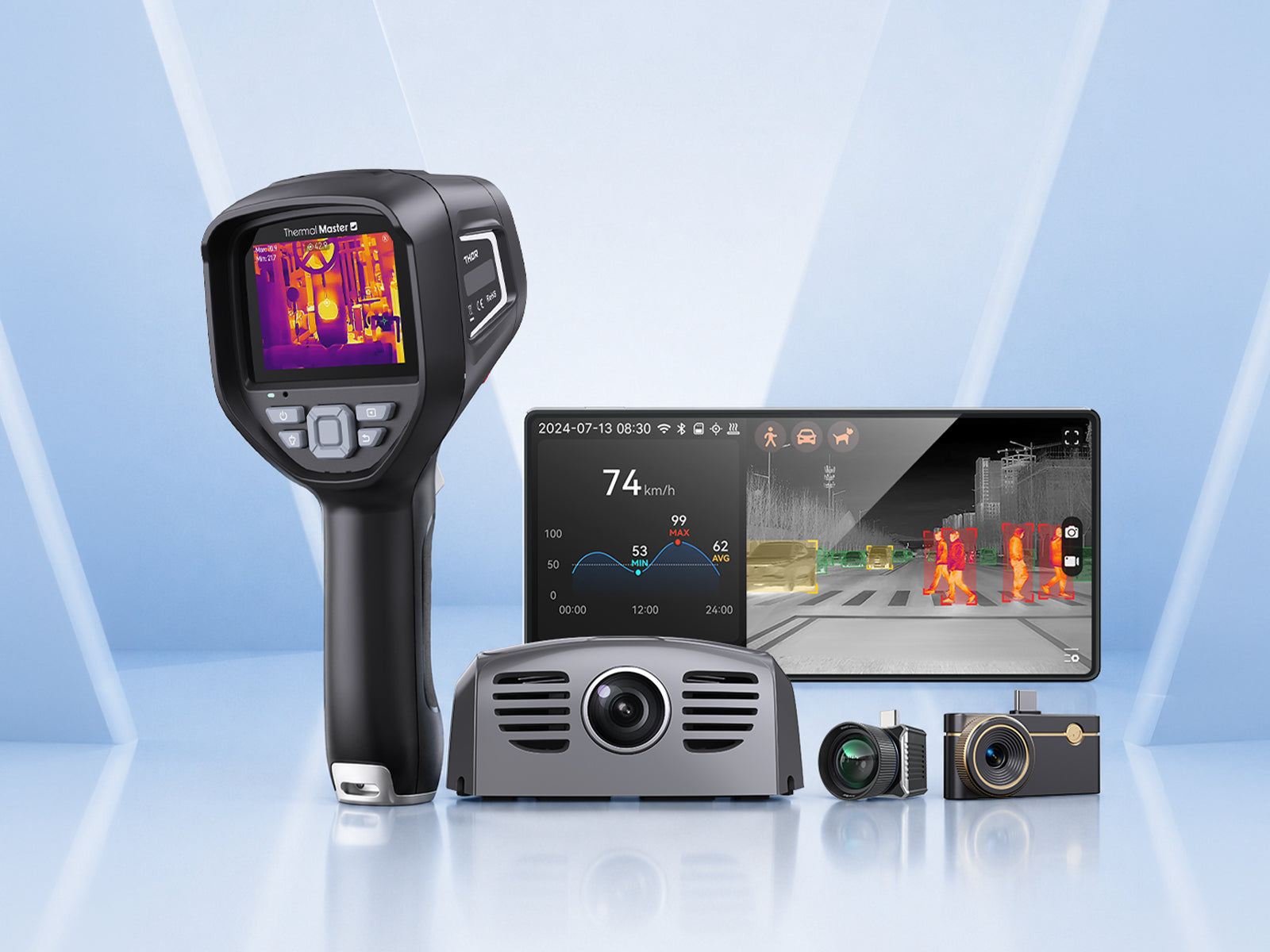
- HVAC, Plumbing, and General Maintenance: For routine HVAC or maintenance inspections, a handheld infrared thermal imager is suitable. Models like the Thermal Master Thor, priced at $599, offer clearer images and smoother performance, reliably identifying temperature differences.
- Electrical and Building Inspections: For electrical panels or building inspections, a medium-to-high resolution handheld thermal imager is recommended. They provide clearer images and more accurate temperature measurements, helping professionals detect hotspots, identify anomalies, and reliably record results.
- Industrial and Professional Applications: For industrial maintenance, precision diagnostics, or specialized applications, professional-grade thermal imagers are the best choice. They feature advanced imaging technology, powerful analytical tools, and durable construction, enabling them to handle harsh environments and complex inspection tasks.

Is It Worth Buying a Thermal Camera?
A thermal camera is worth buying if you want to detect hidden problems quickly. For home use, it helps spot insulation issues, electrical hotspots, or moisture. For professionals, it improves accuracy, speeds up inspections, and supports better documentation. Even occasional users can benefit from the visual insights and peace of mind it provides.
Where Can You Buy a Thermal Camera?
Thermal cameras can be purchased online, in electronics stores, or through authorized dealers, offering models for both home and professional use. Major e‑commerce platforms like Amazon, Best Buy, and B&H Photo Video provide a wide selection. To obtain reliable after-sales support and official warranty, purchasing directly from the manufacturer's website is a good option, such as Thermal Master.
To learn more about specific models like Thermal Master P1 or Thor, you can visit the Thermal Master official website for detailed information and purchase options.
Summary
Thermal cameras can range from about $100+ for simple home models to over $3,000 for professional or industrial ones. The price depends on the type of camera, its resolution, sensitivity, and extra features. Picking the right one really comes down to how you plan to use it—whether for home checks, professional work, or industrial inspections. Knowing these factors makes it easier to choose a model that fits your needs and gives you the best value.
FAQ
1. Can thermal cameras see through walls?
No. Thermal cameras cannot see through walls, but they can detect temperature differences on surfaces. These differences help identify hidden issues like insulation gaps, moisture, or overheating behind a wall.
2. How long does a thermal camera typically last?
A thermal camera typically lasts 5 to 10 years with normal use. Entry-level or phone-based models used occasionally may be closer to the lower end of this range, while well-built handheld and professional thermal cameras often last longer. Usage frequency, build quality, battery condition, and software support all contribute to determining its overall lifespan.
3. Why are some thermal cameras so much more expensive than others?
Price differences mainly come from sensor resolution, thermal sensitivity (NETD), measurement accuracy, lens quality, software features, and build durability. Cameras designed for professional or industrial work require more advanced hardware and calibration, which increases cost.

コメントを書く
全てのコメントは、掲載前にモデレートされます
このサイトはhCaptchaによって保護されており、hCaptchaプライバシーポリシーおよび利用規約が適用されます。