



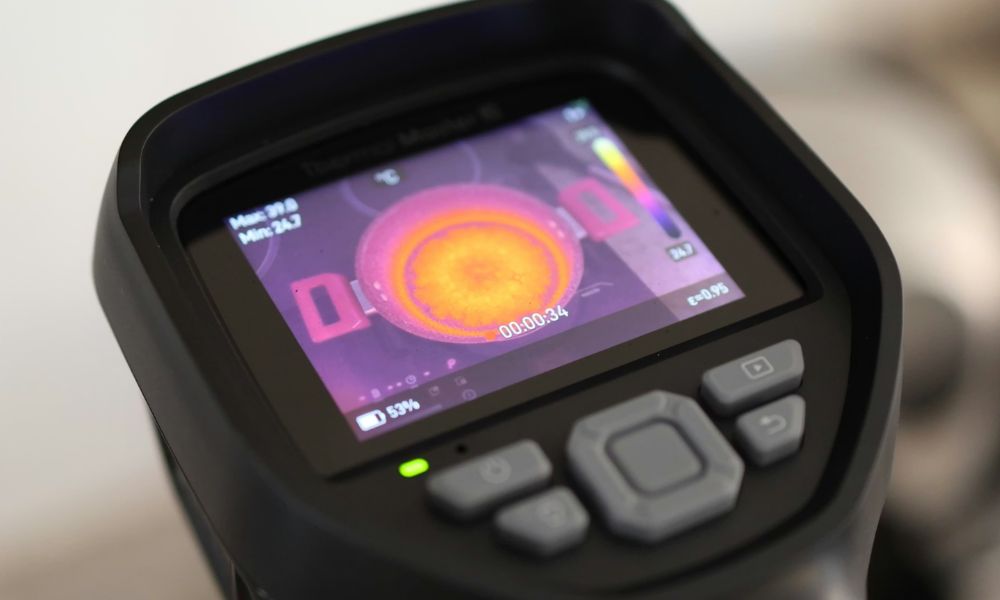
Ever wondered how thermal imaging and night vision differ? Both let you see in the dark, but they do it in very different ways. Knowing how each works and when to use them can make a huge difference. Let’s dive in and break down the Main Differences so you can pick the right tool for the job.
What Is Thermal Imaging?
Thermal imaging is a technology that uses heat, rather than visible light, to observe the condition of an object's surface. It detects the infrared radiation emitted by an object and converts temperature differences into an image, making warmer areas appear brighter and cooler areas appear darker. Because thermal imaging does not rely on ambient light, it can function normally in complete darkness.
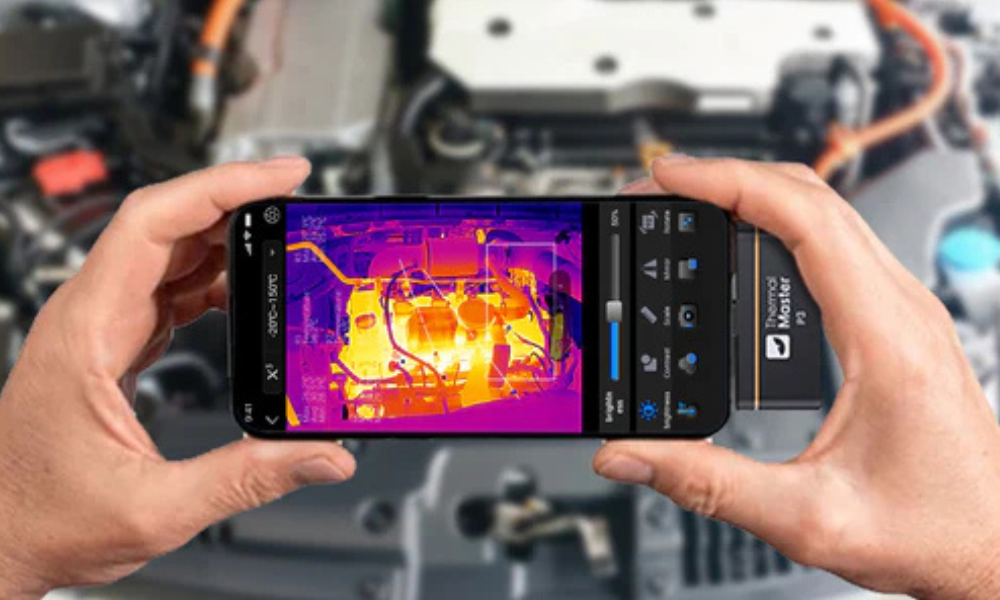
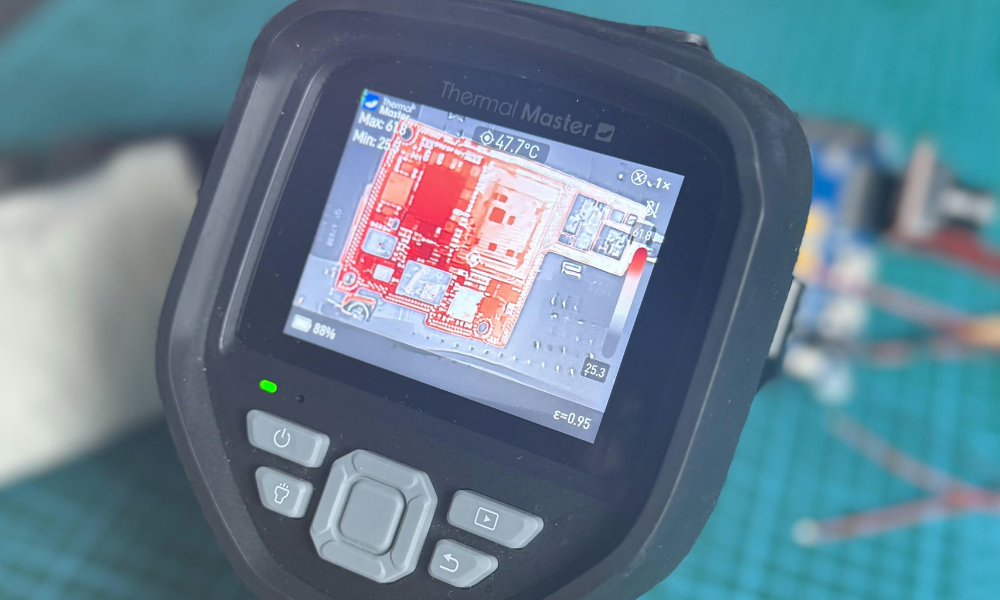
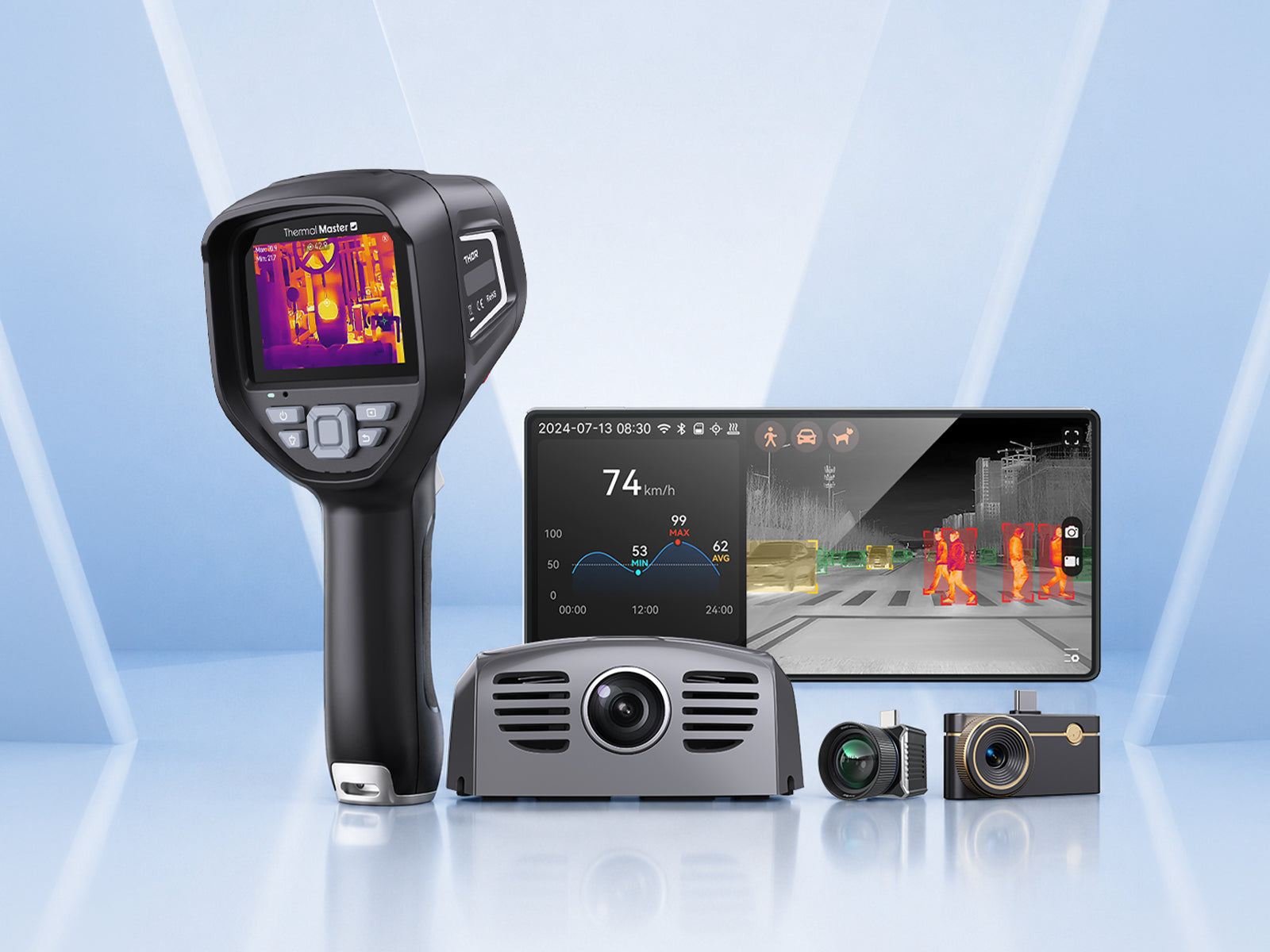
Thermal imaging can effectively detect heat loss, moisture, electrical faults, or signs of life that are invisible to the naked eye. Today, thermal imaging is used in a variety of devices, from smartphone thermal imagers and handheld thermal cameras to fixed or vehicle-mounted systems, making it suitable for both routine inspections and professional testing.

What Is Night Vision?
Night vision technology helps you see in low-light or nighttime environments by amplifying existing light sources, such as moonlight or starlight. It works by collecting and amplifying faint visible and near-infrared light, transforming dark scenes into clearer, greenish images.
Furthermore, night vision technology is commonly used for navigation, surveillance, and outdoor activities, allowing you to see the shape, movement, and details of objects in the dark, provided there is ambient light.
Thermal Imaging vs Night Vision: Main Differences
Imaging Principle
- Thermal Imaging: Thermal imaging works by detecting the infrared radiation emitted by objects and converting temperature differences into images. Because it relies on heat rather than light, it works effectively even in complete darkness. Thermal imagers like Thermal Master can clearly show heat sources even in the absence of visible light.
- Night Vision: Night vision uses optical enhancement techniques to amplify existing ambient light, such as moonlight or starlight, or relies on infrared illumination. Its image is formed by amplifying visible or near-infrared light, rather than detecting heat.
Lighting Requirements
- Thermal Imaging: Thermal imagers do not require an external light source to operate. Furthermore, they remain stable regardless of lighting conditions, both day and night.
- Night Vision: Night vision devices rely on a certain level of ambient light or infrared illumination. In extremely dark environments without auxiliary light sources, image quality may be reduced due to noise or decreased sharpness.
Target Detection Capability
- Thermal Imaging: Thermal imaging excels at detecting objects with significant temperature differences, such as people, animals, and operating machinery. It can identify targets even in light fog, smoke, or when visibility is partially obstructed.
- Night Vision: Night vision is better suited for observing reflected light and visible details such as shape and texture. However, its efficiency is significantly reduced in complete darkness or environments with obstructed vision.
Image Detail and Visual Output
- Thermal Imaging: Thermal imaging emphasizes temperature contrast rather than natural visual detail. While the image may not look as realistic, heat sources are clearly visible, making detection fast and intuitive.
- Night Vision: Night vision produces images closer to natural human vision, allowing you to see fine details such as terrain features, clothing textures, and object outlines, but without highlighting thermal signals.
Day and Night Applicability
- Thermal Imaging: Thermal imaging works normally both day and night because lighting conditions do not affect its ability to detect temperature differences.
- Night Vision: Night vision is primarily designed for low-light or nighttime environments. In daylight, traditional night vision devices may experience overexposure or reduced effectiveness.
Typical Application Scenarios
- Thermal Imaging: Thermal imaging cameras are commonly used in security monitoring, search and rescue operations, building inspections, and equipment diagnostics, where detecting heat source patterns is crucial.
- Night Vision: Night vision equipment is widely used in nighttime patrols, outdoor observation, hunting, and nighttime driving assistance, especially in situations requiring clear visual details and scene recognition.
Cost and Equipment Selection
- Thermal Imaging: Employing advanced sensor technology, thermal imaging equipment is generally more expensive. They are best suited for professional users or those requiring reliable all-weather detection performance.
- Night Vision: Night vision equipment is more affordable and readily available. It is a practical option for users who need nighttime visibility on a limited budget.

When Should You Choose Thermal Imaging?
If you need to reliably detect targets under any lighting conditions, especially in complete darkness or complex environments, then thermal imaging camera technology is the most suitable choice. It's also the best option for quickly locating people, animals, or heat sources, penetrating light smoke or fog, or identifying temperature differences for security, inspection, or search and rescue missions.
When Is Night Vision the Better Option?
In low-light environments, where the goal is to clearly observe visual details rather than detect heat, night vision devices are a better choice. They are ideal for activities such as night driving, outdoor observation, or patrolling, where identifying shapes, terrain, and objects is more important than detecting temperature differences, and where some ambient light is also required.
Summary
In short, thermal imaging and night vision goggles have different uses. Thermal cameras excel at detecting heat sources and identifying targets in complete darkness or low-light conditions, while night vision goggles are better suited for observing fine visual details in low-light environments. The choice between these devices depends on whether you prioritize heat source detection or scene clarity.
FAQs
Is night vision the same as thermal imaging?
No, night vision and thermal imaging are not the same. Night vision amplifies existing light, such as moonlight or starlight, to help you see in the dark, and sometimes uses infrared illumination. Thermal imaging, on the other hand, detects heat emitted by objects and converts it into an image, allowing you to see people, animals, or warm objects even in complete darkness. While both help you see at night, they work in completely different ways.
Can thermal be used as night vision?
Yes, thermal imaging can function as a form of night vision, but in a different way than traditional night vision. Instead of amplifying light, thermal cameras detect heat emitted by objects, so you can see people, animals, or vehicles in complete darkness, through smoke, fog, or light foliage. While it doesn’t show visual details like colors or textures, it’s very effective for spotting heat sources when conventional night vision would struggle.
Do thermal cameras work in the dark?
Yes, thermal cameras work perfectly in complete darkness. Unlike traditional night vision, which relies on ambient light or infrared illumination, thermal cameras detect the heat emitted by objects and convert it into a visible image. This allows you to see people, animals, vehicles, or any warm objects even in total darkness, making them ideal for security, search and rescue, and nighttime surveillance.
Related Reading:
Can My Phone Do Thermal Imaging?

コメントを書く
全てのコメントは、掲載前にモデレートされます
このサイトはhCaptchaによって保護されており、hCaptchaプライバシーポリシーおよび利用規約が適用されます。