



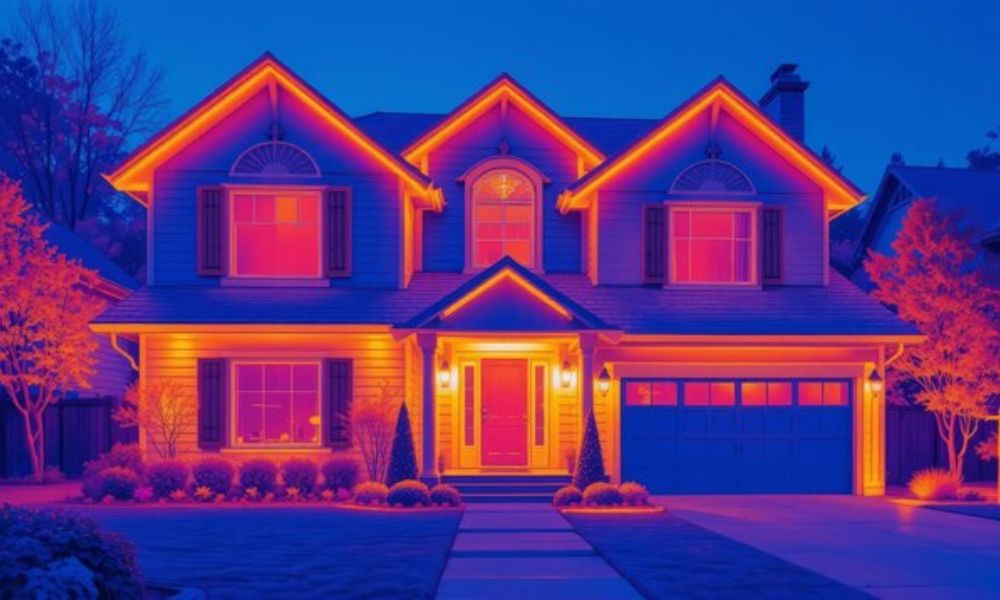
Wärmeverlust ist einer der Hauptgründe, warum sich ein Haus kalt anfühlt und die Energiekosten steigen. Warme Luft kann durch Spalten, Dämmung und Bereiche wie Fenster oder Dächer entweichen. Im Folgenden erfahren Sie, wo Wärmeverlust typischerweise auftritt, wie Sie ihn effektiv minimieren und welche Werkzeuge Sie zur Vorbeugung einsetzen können.
Warum ist Wärmeverlust in Häusern ein Problem?
Ein erheblicher Wärmeverlust in einem Haus führt zu höheren Energiekosten, geringerem Komfort und verminderter Heizeffizienz. Wenn warme Luft durch schlecht isolierte Wände, Fenster oder Dächer entweicht, muss das Heizsystem härter arbeiten, um eine stabile Innentemperatur aufrechtzuerhalten – ein Prozess, der sowohl Energieverschwendung als auch ungleichmäßige Innentemperaturen zur Folge hat.
Was verursacht Wärmeverlust in einem Haus?
In den meisten Haushalten ist der Wärmeverlust nicht auf einen einzelnen Faktor zurückzuführen, sondern auf eine Kombination von Ursachen. Die folgenden sind einige häufige Übeltäter:
- Schlechte Isolierung: Wenn zum Beispiel die Isolierung in Wänden, Dächern oder Böden zu dünn, beschädigt oder veraltet ist, kann sie die Wärme nicht effektiv speichern. Folglich geht Wärme schnell verloren, insbesondere in den Wintermonaten.
- Luftlecks: Kleine Spalten um Fenster, Türen und Lüftungsschlitze – sowie Risse in Wänden – ermöglichen es warmer Luft zu entweichen und kalter Luft einzudringen. Obwohl diese Lecks mit bloßem Auge unsichtbar sein können, wirken sie sich erheblich auf die Innentemperaturen aus.
- Türen und Fenster: Alte oder einfach verglaste Fenster, zusammen mit schlecht abgedichteten Türen, stellen häufige Schwachstellen dar. Glas ist ein schlechter Isolator und leitet Wärme leicht; außerdem, wenn Türen und Fenster nicht dicht schließen, wird der Wärmeverlust noch gravierender.
- Dächer und Dachböden: Da warme Luft aufsteigt, ist ein unzureichend isolierter Dachboden eine der Hauptquellen für Wärmeverlust. Ohne entsprechende Isolierung entweicht warme Luft einfach durch die Oberseite des Hauses.
- Wärmebrücken: Bestimmte Baumaterialien – wie Metall, Beton oder tragende Rahmenbauteile – fungieren als Leiter, die Wärme nach außen ableiten. Diese „Wärmebrücken“ ermöglichen es der Wärme, die Isolierschicht zu umgehen, was zu einem beschleunigten Wärmeverlust führt.
- Ineffiziente HVAC-Systeme: Ineffiziente Heizsysteme oder undichte Luftkanäle beeinträchtigen die effektive Verteilung der Wärme. Dies führt zu einem erhöhten Energieverbrauch, während nur sehr wenig der erzeugten Wärme gespeichert wird.
Welcher Teil eines Hauses verliert die meiste Wärme?
In den meisten Haushalten stellen das Dach und der Dachboden die Bereiche mit dem größten Wärmeverlust dar; dies liegt daran, dass warme Luft natürlich aufsteigt und dazu neigt, nach oben zu entweichen. Wenn der Dachboden keine ausreichende Isolierung aufweist, kann eine erhebliche Menge an Wärme sehr schnell verloren gehen.
Die Hauptbereiche des Wärmeverlusts umfassen die folgenden:
- Wände: Insbesondere in Fällen, in denen die Isolierung dünn oder gar nicht vorhanden ist.
- Türen und Fenster: Häufige Stellen für Luftlecks und Wärmeleitung.
- Böden: In Häusern, in denen der Bodenbelag keine effektive Isolierungsbehandlung erfahren hat.

Wie kann man Wärmeverlust im eigenen Zuhause reduzieren?
Die Minimierung des Wärmeverlusts verbessert die Wärmedämmfähigkeit Ihres Hauses, indem sie die Wege blockiert, durch die Wärme entweicht. Durch die Implementierung von Dämmmaßnahmen, Abdichtungen und intelligenteren Nutzungsgewohnheiten können Sie Ihren Wohnkomfort verbessern und Energiekosten senken.
Dämmung verbessern
Dämmung wirkt als Barriere, die den Wärmeverlust verlangsamt. Wenn Ihr Dachboden, Ihre Wände oder Böden schlecht isoliert sind, entweicht die Wärme schnell. Erwägen Sie ein Upgrade Ihrer Dachbodendämmung, um diesen Wärmeverlust zu verhindern.
Luftlecks abdichten
Luftlecks sind eine häufige Ursache für Wärmeverlust. Spalten um Fenster, Türen, Steckdosen, Rohre und Lüftungsöffnungen lassen warme Luft kontinuierlich entweichen. Es wird empfohlen, Dichtmasse oder Dichtungsstreifen zu verwenden, um diese Spalten abzudichten und die thermische Effizienz Ihres Hauses zu verbessern.
Fenster modernisieren
Fenster sind große Verursacher von Wärmeverlust; wenn Sie einfach verglaste Fenster oder Fenster mit schlechten Dichtungen haben, wird der Wärmeverlust deutlich höher sein. Erwägen Sie ein Upgrade auf Doppel- oder Dreifachverglasung, die eine überlegene Wärmedämmung bieten. Wenn ein Austausch Ihrer Fenster derzeit nicht möglich ist, können Sie isolierende Fensterfolie oder Dichtungsstreifen als vorübergehende Maßnahme verwenden, um die Effizienz zu verbessern.
Vorhänge oder Jalousien verwenden
Vorhänge und Jalousien bieten eine zusätzliche Isolierschicht. Schwere oder thermisch isolierte Vorhänge können helfen, warme Luft nachts im Inneren zu halten, während das Öffnen der Vorhänge tagsüber das Sonnenlicht nutzt, um den Innenraum auf natürliche Weise zu erwärmen.
Heizsystem warten
Selbst wenn Ihr Zuhause gut isoliert ist, kann ein ineffizientes Heizsystem immer noch zu Energieverschwendung führen. Es ist daher ratsam, Ihr Heizsystem regelmäßig zu warten – wie zum Beispiel Luftfilter zu reinigen und Luftkanäle zu inspizieren –, um sicherzustellen, dass die Wärme gleichmäßig und effizient in jeden Winkel Ihres Hauses verteilt wird.
Wie Wärmebildgebung hilft, Wärmeverlust zu erkennen?
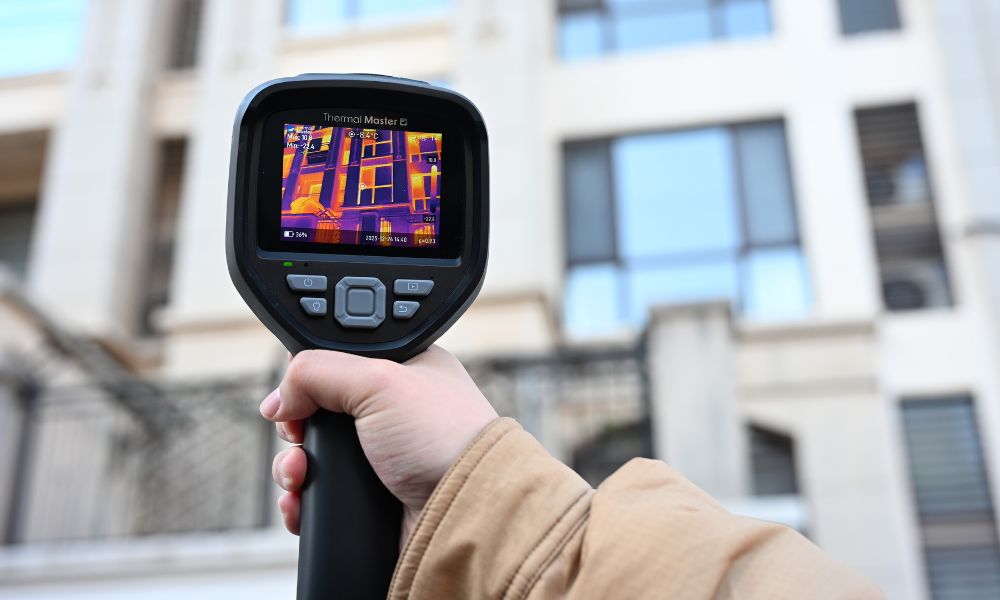
Wärmebildkameras zeigen Oberflächentemperaturunterschiede in Echtzeit an, wodurch Wärmeverlust deutlich sichtbar wird. Sie können ein Wärmebildgerät verwenden, um häufige Problembereiche zu inspizieren – wie Isolationslücken, Luftlecks um Fenster oder schlecht abgedichtete Türen –, wo Probleme deutlich als „Hot Spots“ oder „Cold Spots“ erscheinen.
Dies ermöglicht es Ihnen, versteckte, unsichtbare Gefahren schnell zu identifizieren, ohne die Position des Energieverlusts erraten zu müssen; stattdessen können Sie die genauen Bereiche, die Aufmerksamkeit erfordern, lokalisieren und gezielte Maßnahmen ergreifen, was Reparaturarbeiten sowohl effizienter als auch kostengünstiger macht.

Beste Wärmebildkameras zur Erkennung von Wärmeverlusten
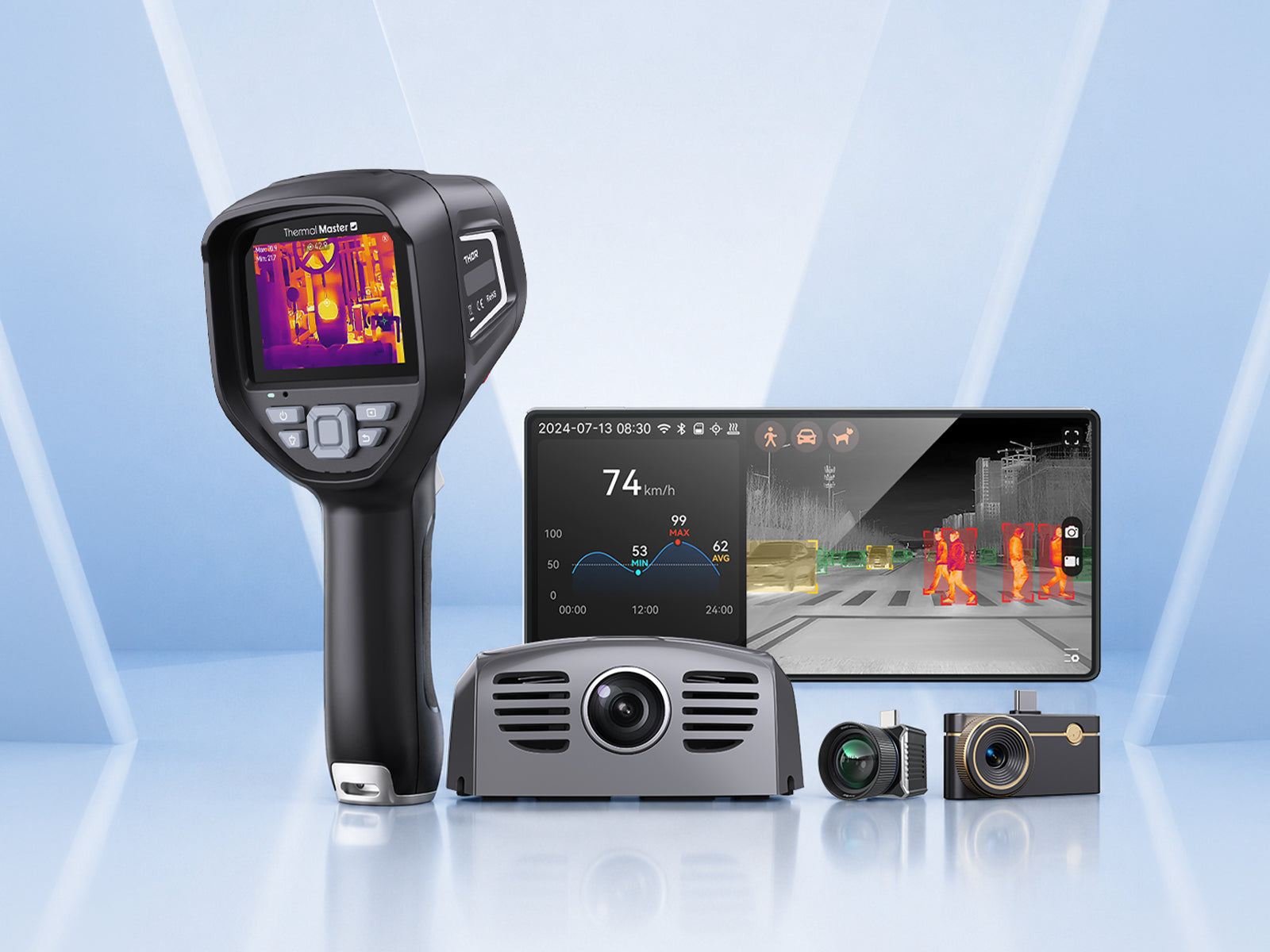
Um die Lecksuche in Häusern zu erleichtern, bietet Thermal Master drei Wärmebildkameras für die Hausinspektion an, darunter eine Handheld-Wärmebildkamera und eine Smartphone-Wärmebildkamera für iOS und Android. Lassen Sie uns herausfinden, welche für Sie die richtige ist:
Thermal Master Thor 002
Die Thermal Master Thor 002 ist ideal für Ganzhausinspektionen und professionelle Diagnoseaufgaben, die extrem hohe Präzision erfordern. Ausgestattet mit hochauflösender Wärmebildgebung, einer Empfindlichkeit von ≤35 mK und einer Messgenauigkeit von ±2°C, liefert sie stabile und zuverlässige Inspektionsergebnisse für Dächer, Wände, HVAC-Systeme und mehr, was sie zu einem effektiven Werkzeug für komplexe und großflächige Wärmeverlusterkennungsaufgaben macht.
Thermal Master P1
Die Thermal Master P1 verfügt über einen 160×120 VOx-Detektor (12μm) und nutzt die X³IR™ Resolution-Technologie, um ihre Auflösung auf 320×240 zu erhöhen. Mit einer Empfindlichkeit von ≤40mK und einer Messgenauigkeit von ±2°C ermöglicht sie Ihnen, offensichtliche Wärmelecks um Fenster, Türrahmen und andere häufige anfällige Bereiche leicht zu identifizieren.
Thermal Master P2
Die Thermal Master P2 ist mit einem 256×192 VOx-Detektor (12μm) ausgestattet und verwendet die X IR Resolution Technologie, um ihre Wärmebildauflösung auf 512×384 zu erhöhen. Sie liefert gestochen scharfe Wärmebilder, die Luftlecks um Fenster und Türrahmen sowie Lücken in Isolierschichten präzise aufzeigen. Mit einer Empfindlichkeit von ≤ 40 mK und einer Messgenauigkeit von ±1.5°C ermöglicht sie Ihnen, versteckte Wärmeverluste mühelos aufzudecken.

Wie überprüft man Wärmeverlust mit einer Wärmebildkamera?
Wenn sich Ihr Zuhause kalt anfühlt, Sie aber unsicher sind, wo die Wärme entweicht, können Sie eine Wärmebildkamera verwenden, um Wärmeverluste zu erkennen. Im Folgenden sind die Schritte zur Verwendung einer Wärmebildkamera zur Inspektion Ihres Hauses aufgeführt:
- Wählen Sie geeignete Testbedingungen: Um genaue Messwerte zu gewährleisten, führen Sie die Inspektion durch, wenn ein signifikanter Temperaturunterschied zwischen Innen- und Außenbedingungen besteht (mindestens 10°C / 18°F). Dies führt zu klareren Wärmebildern.
- Türen und Fenster scannen: Beginnen Sie mit Türen und Fenstern, da diese die häufigsten Quellen für Wärmeverlust sind. Bewegen Sie die Kamera langsam, um die Rahmen und Kanten dieser Öffnungen zu scannen und kalte Stellen oder Luftlecks zu identifizieren.
- Wände und Ecken inspizieren: Scannen Sie die Innenwände und achten Sie besonders auf Ecken und Fugen. Wenn das Wärmebildgerät eine ungleichmäßige Temperaturverteilung zeigt, deutet dies auf fehlende Wanddämmung oder versteckte Lücken hinter der Wandoberfläche hin.
- Decken und Dachböden überprüfen: Decken und Dachböden sind Hauptbereiche für Wärmeverlust. Es ist ratsam, nach Bereichen an der Decke zu suchen, die wärmer erscheinen als ihre Umgebung, oder nach kalten Stellen in der Nähe von Lücken in der Isolierung.
- Böden und Keller untersuchen: Kalte Böden – oder Temperaturunterschiede in Bereichen nahe dem Boden – deuten auf schlechte Isolierung oder Kaltlufteinbruch von unten hin; dies ist ein häufiges Problem in älteren Häusern.
- Wärmebilder analysieren: Vergleichen Sie spezifische Bereiche mit umgebenden Oberflächen, um Regionen mit anormal hohen oder niedrigen Temperaturen zu identifizieren. Ein konsistentes, gleichmäßiges Temperaturmuster kann auf ein allgemeines Problem mit der Isolierschicht hinweisen, während deutliche Temperaturschwankungen typischerweise auf spezifische Luftleckstellen hindeuten.
- Maßnahmen ergreifen: Sobald Problembereiche identifiziert wurden, ergreifen Sie geeignete Maßnahmen – wie das Abdichten von Spalten, das Verstärken der Isolierung oder das Ersetzen von Materialien –, um Wärmeverluste zu minimieren.
FAQ
Hält das Schließen von Jalousien im Winter die Wärme drinnen?
Ja, das Herunterlassen der Jalousien im Winter hilft tatsächlich, die Wärme zu speichern. Jalousien und Vorhänge bieten eine zusätzliche Isolierschicht, die den Wärmeverlust durch Fenster reduziert, die eine der Hauptwege für Wärme sind, um aus dem Inneren zu entweichen. Obwohl sie den Wärmeverlust nicht vollständig verhindern können, kann das Schließen in der Nacht die thermische Retention und den Komfort im Inneren verbessern.
Können Wärmebildkameras Isolationsprobleme erkennen?
Ja, Wärmebildkameras können Isolationsprobleme erkennen, indem sie Temperaturunterschiede an Wänden, Decken und Böden aufzeigen. Im Vergleich zu umgebenden Oberflächen erscheinen Bereiche, in denen die Isolierung fehlt oder beschädigt ist, als „Hot Spots“ oder „Cold Spots“, wodurch die genauen Stellen, an denen Wärme entweicht oder eindringt, leicht identifiziert werden können. Dies ermöglicht es Ihnen, versteckte Lücken in der Isolierung zu finden, ohne die Wände abreißen zu müssen.
Ist Wärmeverlust in alten Häusern schlimmer?
Ja, Wärmeverlust ist in älteren Häusern in der Regel schlimmer. Sie haben oft eine schwächere oder veraltete Isolierung, einfach verglaste Fenster und mehr Luftlecks um Türen, Wände und Dächer. Wenn Materialien altern und sich mit der Zeit Lücken bilden, entweicht Wärme leichter, was es schwieriger macht, die Wärme im Inneren zu halten.
Wie viel Wärmeverlust ist normal?
Es ist normal, dass ein Wohnhaus einen gewissen Wärmeverlust erfährt; ein übermäßiger Verlust weist jedoch auf ein zugrunde liegendes Problem hin. In einem gut isolierten Haus ist der Wärmeverlust gleichmäßig verteilt; umgekehrt können ältere Häuser oder solche mit schlechter Isolierung zwischen 20% und 30% ihrer Wärme durch das Dach verlieren, zusätzlich zu weiteren Wärmeverlusten durch Wände, Fenster und Luftlecks.
Weitere Lektüre:
Wie verwandelt man sein Smartphone in eine Wärmebildkamera?

Hinterlasse einen Kommentar
Alle Kommentare werden vor der Veröffentlichung geprüft.
Diese Website ist durch hCaptcha geschützt und es gelten die allgemeinen Geschäftsbedingungen und Datenschutzbestimmungen von hCaptcha.