



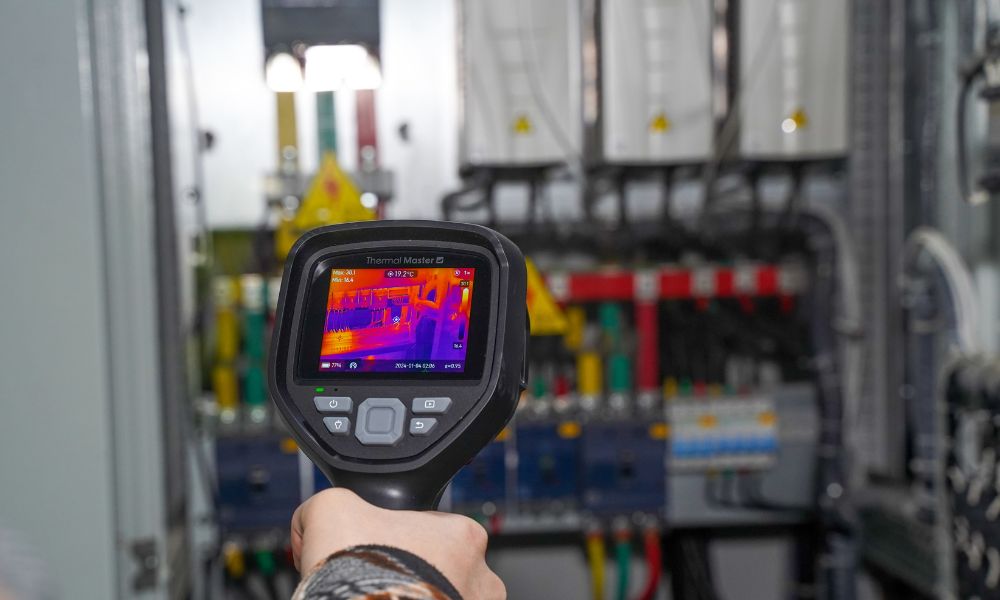
In thermal imaging, NETD stands for Noise Equivalent Temperature Difference. It represents the smallest temperature difference between objects or surfaces that the camera can detect. The lower the NETD value, the better the camera’s ability to distinguish between subtle temperature differences and image noise. This helps you observe finer thermal details, identify faint hotspots, and improve detection accuracy.
To this end, Thermal Master offers a range of thermal imagers equipped with low-NETD sensors. Below, we’ll explore how NETD affects image quality, so you can select the thermal imager that best suits your needs
Why Is NETD Important in a Thermal Camera?
NETD Affects Image Clarity
A lower NETD improves thermal image quality by allowing the camera to detect smaller temperature differences with less image noise. This means that thermal edges appear smoother and hidden heat patterns become easier to identify, especially during building inspections, insulation checks, or leak detection, where temperature variations are often very subtle.
NETD Improves Fault Detection
NETD plays an important role in electrical, automotive, and PCB inspections because many early-stage faults produce only slight heat increases. A thermal imaging camera with better thermal sensitivity can reveal abnormal hotspots earlier, helping you identify loose wiring, overheating components, or failing electrical systems before major damage occurs.
NETD Helps in Difficult Environments
Low NETD becomes especially valuable in fog, rain, humidity, or nighttime conditions where thermal contrast is naturally weaker. A more sensitive thermal camera maintains clearer target separation and smoother thermal imaging, which improves visibility for outdoor observation, hunting, vehicle night vision, and long-distance detection.

What Is Considered a Good NETD Value?
Not all NETD ratings deliver the same performance, and the “best” value depends on how you plan to use your thermal camera.
- ≤50mK: Entry-level sensitivity suitable for basic home inspections and casual use
- ≤40mK: Good balance for HVAC, automotive, electrical, and professional inspections
- ≤25mK: High-end thermal sensitivity designed for outdoor observation, hunting, and advanced diagnostics
- ≤20mK: Premium-level sensitivity with extremely fine thermal detail detection
Lower numbers are always better because they represent lower thermal noise. In simple terms, a ≤20mK camera detects smaller temperature differences than a ≤40mK camera.
For example, if you inspect a solar panel system under changing weather conditions, a lower NETD camera can identify weak cells or overheating connectors more reliably because temperature variation may be extremely subtle. This means that professionals working in predictive maintenance often prioritize NETD over cosmetic features.
However, NETD is not the only factor affecting image quality. Resolution, lens quality, image algorithms, refresh rate, and calibration also influence overall performance. A balanced thermal imaging camera combines low NETD with strong image processing and accurate temperature measurement.

How Does NETD Affect Real-World Applications?
Home and Building Inspections
In home and building inspections, NETD affects how clearly you can identify subtle temperature differences hidden behind walls, ceilings, windows, or floors. A lower NETD thermal camera can reveal small insulation gaps, moisture intrusion, air leaks, or hidden heat loss more accurately because the sensor detects weaker thermal variations with less image noise. This means that you can locate problems earlier and perform more reliable energy-efficiency inspections.
Electrical Diagnostics
In electrical diagnostics, NETD determines how easily you can detect weak overheating components before major failures happen. A thermal imaging camera with lower NETD can identify slight temperature increases in breakers, relays, wiring, or electrical panels that may not be visible with less sensitive devices. This means that electricians and maintenance technicians can perform preventive repairs earlier and reduce the risk of equipment damage or downtime.

Automotive Repairs
In automotive repairs, low NETD helps you identify localized heat problems inside complex vehicle systems more precisely. Modern vehicles contain dense electrical wiring, batteries, cooling systems, and electronic modules where temperature differences are often very small. A thermal camera with stronger thermal sensitivity produces clearer thermal separation, helping you diagnose overheating connectors, brake drag, battery issues, or engine abnormalities faster.
Outdoor Observation and Hunting
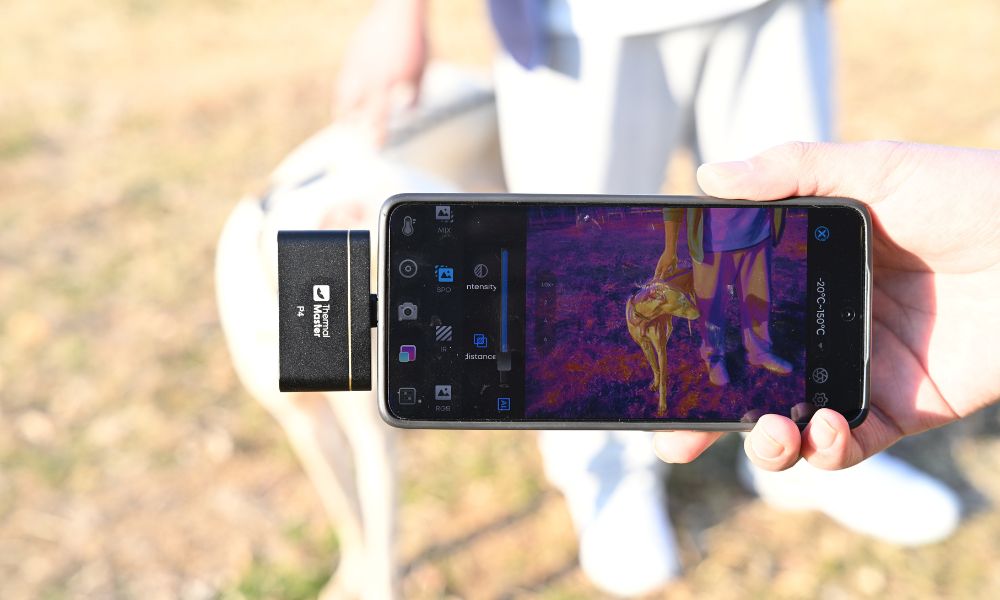
In outdoor observation and hunting, NETD directly affects how well you can distinguish animals or targets from the surrounding environment during nighttime or poor weather conditions. A lower NETD thermal camera improves heat contrast in fog, rain, forests, or long-distance viewing situations, making targets appear clearer and easier to track. This means that hunters, wildlife observers, and outdoor users can detect weak heat signatures more reliably in challenging environments.

Common Misunderstandings About NETD
Many users assume that higher resolution automatically means better thermal performance, but this is not always true. Resolution controls the number of thermal pixels, while NETD controls thermal sensitivity.
A 256×192 thermal camera with excellent NETD may produce more useful thermal information than a higher-resolution device with poor sensitivity. This means that thermal detail is not only about pixel count.
Another misunderstanding is that extremely low NETD is necessary for every user. If you only perform simple household inspections, you may not need premium thermal sensitivity. However, professional electrical, industrial, automotive, or outdoor users usually benefit greatly from lower NETD values.
Some users also confuse NETD with temperature accuracy. NETD measures sensitivity to temperature differences, while accuracy describes how close the measured temperature is to the real value. Both specifications matter, but they serve different purposes.
Best Thermal Cameras with Low NETD
Thermal Master P3
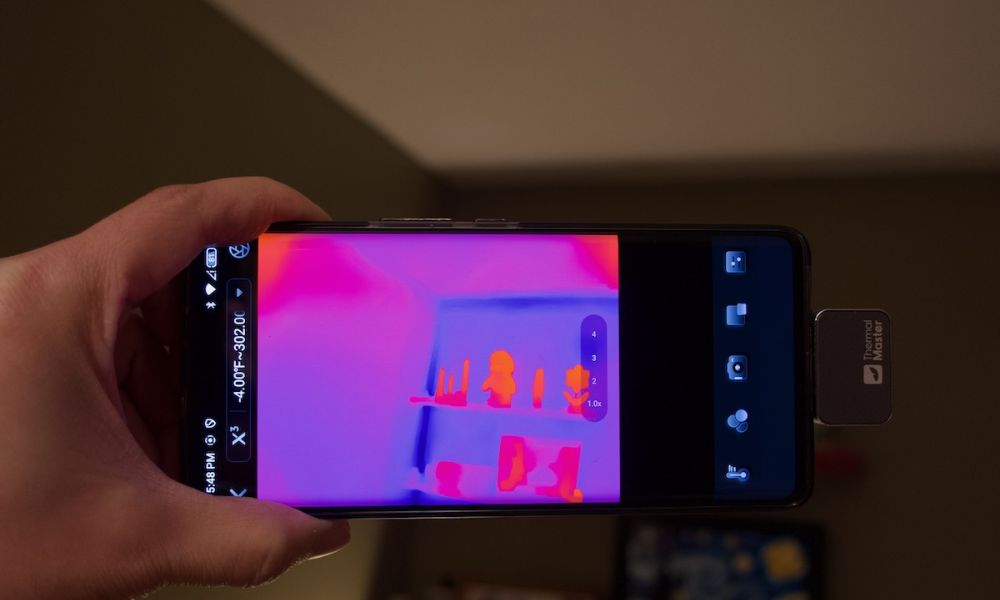
With a NETD of 35 mK, the Thermal Master P3 detects subtle temperature differences more clearly, helping you identify slightly overheated components that basic thermal imagers might miss. It also features X³IR enhancement technology, which boosts the original 256×192 infrared resolution to 512×384, providing you with sharper image details. As a result, this smartphone thermal imager is ideal for PCB diagnostics, electronic device repair, and precision electrical testing.
Key Features:
- NETD <35mK: Detects subtle heat differences for clearer PCB inspections
- 256x192 @12μm Detector: Provides clear thermal detail for electronics and HVAC inspections
- X³IR™ 512×384 Resolution: Enhances image sharpness and helps identify smaller heat targets
- TruePix ±2°C / ±2% Accuracy: Improves temperature measurement reliability during inspections
- 15× Digital Zoom: Inspect small or distant thermal details more closely

Thermal Master P2 Pro
Thermal Master P2 Pro is a compact smartphone-based thermal imager designed for HVAC operations, electrical inspections, automotive diagnostics, and circuit board analysis. With a NETD thermal sensitivity of ≤40 mK, it detects minute temperature variations with greater clarity during professional troubleshooting, allowing you to identify faint hotspots, hidden electrical faults, and thermal anomalies more quickly. Weighing just 9 grams, it also features a magnetic macro lens and 15x zoom, making it ideal for on-the-go and field inspection tasks.
Key Features:
- ≤40mK NETD: Detects fine thermal differences for more accurate diagnostics
- 256×192 IR Resolution: Produces clear thermal images for HVAC and electrical inspections
- Magnetic Macro Lens: Supports close-range PCB analysis down to 0.25mm components
- 15× Digital Zoom: Helps you inspect distant or small thermal targets more precisely
- 0.33W Low Power Consumption: Extends smartphone battery life during long inspections
- 25Hz Frame Rate: Delivers smoother real-time thermal imaging performance
Thermal Master Thor 001
The Thermal Master Thor 001 is a handheld thermal imager designed for industrial maintenance, building diagnostics, electrical troubleshooting, and professional inspections. With a NETD of 35 mK, it can detect even the slightest temperature differences in harsh environments. Additionally, it features a 3.5-inch IPS display, 512×384 Super IR resolution, and a measurement accuracy of ±1.5°C, allowing you to perform inspections comfortably over extended periods while maintaining consistent performance.
Key Features:
- <35mK NETD: Reveals subtle thermal abnormalities during industrial inspections
- 512×384 Super IR Resolution: Enhances thermal image detail and edge definition
- TruePix ±1.5°C Accuracy: Supports more reliable professional thermal measurements
- 3.5-Inch IPS Display: Provides easier thermal viewing during field inspections
- 8-Hour Battery Runtime: Supports long-duration maintenance and diagnostic work
- IP54 Protection Design: Improves durability for industrial and outdoor environments

How Should You Choose the Right NETD for Your Needs?
If you mainly perform household inspections, a thermal camera with ≤ 40 mK sensitivity usually provides sufficient sensitivity for insulation checks, leak detection, and basic electrical troubleshooting.
If you work in industrial maintenance, electronic equipment repair, or predictive diagnostics, we recommend choosing a thermal imager with a NETD value of 35 mK or lower, as this will help you detect early signs of failure caused by subtle temperature changes.
Outdoor users should also pay close attention to NETD because hunting, wildlife observation, and night navigation depend heavily on thermal contrast. A lower NETD sensor helps separate animals from background environments more clearly during poor weather or nighttime conditions.
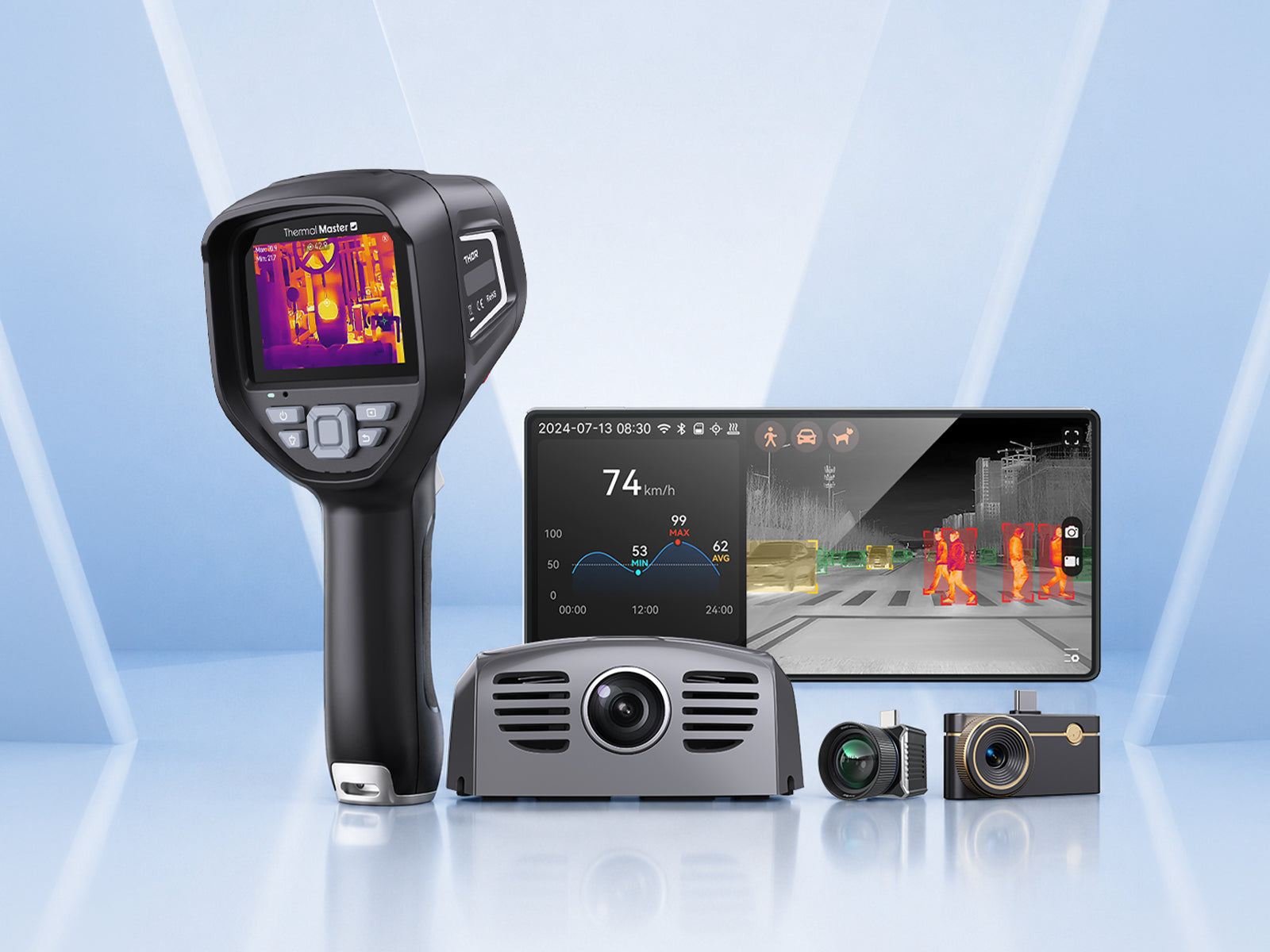
Thermal Master devices such as the P2 Pro, P3, and Thor 001 focus heavily on balancing NETD, image algorithms, portability, and practical inspection performance rather than relying on resolution numbers alone.
Summary
NETD is one of the most important technical specifications for thermal imagers, as it determines the device’s ability to detect minute temperature differences. The lower the NETD value, the clearer the thermal images produced, the better the hotspot detection, and the stronger the performance in complex environments. Whether you’re using a thermal imager for home inspections, HVAC diagnostics, automotive repairs, electronic equipment testing, or outdoor surveillance, choosing a model with high thermal sensitivity can significantly improve your inspection results.

FAQ
What is a good NETD for a thermal camera?
The answer is that a NETD value of ≤40mK is considered good for most professional inspections, because it provides clear thermal detail and reliable hotspot detection, so you can use the camera effectively for HVAC, electrical, automotive, and home diagnostic work.
Does NETD matter more than resolution?
The answer is that both matter, because resolution affects image detail while NETD affects thermal sensitivity, so you should choose a balanced thermal imaging camera instead of focusing on only one specification.
Can a low NETD thermal camera improve electrical inspections?
Yes, because low NETD helps reveal small temperature changes caused by loose connections or overloaded circuits, so you can identify electrical faults earlier, before serious failures occur.
Related Reading:
How to Use a Thermal Camera for Home Inspection?

Hinterlasse einen Kommentar
Alle Kommentare werden vor der Veröffentlichung geprüft.
Diese Website ist durch hCaptcha geschützt und es gelten die allgemeinen Geschäftsbedingungen und Datenschutzbestimmungen von hCaptcha.