



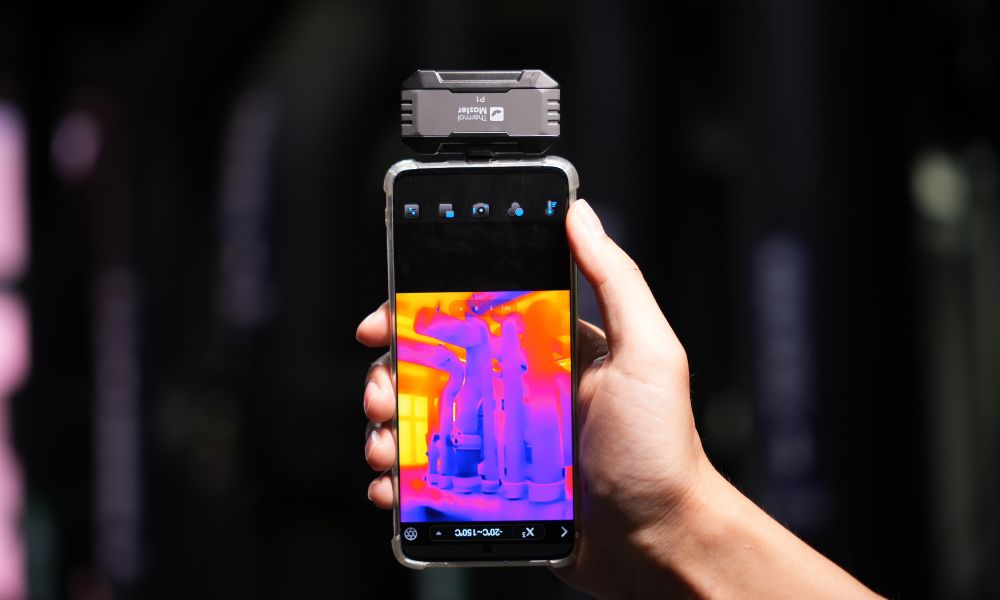
Wärmebildkameras helfen Klempnern, versteckte Lecks, Verstopfungen und Rohrleitungen zu lokalisieren, indem sie Temperaturunterschiede sichtbar machen, die für das bloße Auge unsichtbar sind. Indem sie Oberflächen auf „kalte Stellen“ oder „heiße Stellen“ scannen, können sie Feuchtigkeitsprobleme hinter Wänden und Böden lokalisieren, ohne dass Abrissarbeiten erforderlich sind.
Im Folgenden werden wir uns ansehen, wie man Rohr-Wärmebildkameras für die Stichwortanalyse verwendet und welche die besten Rohr-Wärmebildkameras sind.
Kann eine Wärmebildkamera Rohre erkennen?
Ja, eine Wärmebildkamera kann versteckte Rohre erkennen, indem sie die thermische Signatur identifiziert, die sie auf einer Oberfläche hinterlassen. Sie „sieht“ nicht durch Wände; stattdessen erkennt sie die von Heißwasserrohren geleitete Wärme (die als warme Linien erscheint) oder den Kühleffekt von Feuchtigkeit aus einem Leck. Dies funktioniert am besten, wenn ein signifikanter Temperaturkontrast zwischen dem Rohr und dem umgebenden Material besteht.
Was sind die Vorteile der Verwendung einer Sanitär-Wärmebildkamera?
Der Einsatz von Wärmebildkameras bei der Rohrinstallation oder -inspektion bietet zahlreiche Vorteile und verbessert Genauigkeit und Effizienz. Hier sind die wichtigsten Vorteile:
- Zerstörungsfreie Erkennung: Findet versteckte Lecks hinter Wänden, unter Böden oder in Decken, ohne Wände abzureißen. Dies spart Zeit und vermeidet eine Entfernung nach „Bauchgefühl“, wodurch Reparaturkosten gesenkt werden.
- Frühe Leckerkennung: KI-gestützte Wärmebildkameras können Temperaturabweichungen durch Feuchtigkeit erkennen, bevor Lecks mit bloßem Auge sichtbar sind. Dies verhindert katastrophale Überschwemmungen und Schimmelbildung.
- Präzisionskartierung: Die Wärmebildtechnologie lokalisiert nicht nur feuchte Bereiche, sondern hilft Klempnern auch, den genauen Verlauf von Lecks oder die Anordnung von Warmwasser- und Fußbodenheizungsrohren zu kartieren, um genaue und effektive Reparaturen zu gewährleisten.
- Diagnose der Systemeffizienz: Wärmebildkameras können eine ungleichmäßige Wärmeverteilung visualisieren und sofort Heizkörperverstopfungen oder Warmwasserbereiterfehlfunktionen aufzeigen, was eine schnellere Fehlerbehebung bei HLK- und Zentralheizungssystemen ermöglicht.
- Visueller Nachweis für die Versicherung: Wärmebildscans liefern klare visuelle Beweise für das Eindringen von Feuchtigkeit und Rohrfehlfunktionen, was bei der Einreichung von Versicherungsansprüchen oder dem Nachweis von Arbeiten gegenüber Kunden von unschätzbarem Wert ist.

Wie benutzt man eine Sanitär-Wärmebildkamera zur Rohrinspektion?
Nachdem wir die Vorteile von Rohr-Wärmebildkameras verstanden haben, wollen wir uns ansehen, wie man eine solche zur Rohrinspektion verwendet. Hier ist eine Schritt-für-Schritt-Anleitung für eine effektive Inspektion:
Thermischen Kontrast erzeugen
Spülen Sie einige Minuten mit heißem Wasser, damit sich die Wärme auf die Oberfläche überträgt, oder spülen Sie mit kaltem Wasser, um einen „kalten Strom“ in einem warmen Raum zu erzeugen. Dies hilft der Kamera, Wände oder Böden zu durchdringen, um Rohre zu identifizieren.
Kameraeinstellungen optimieren
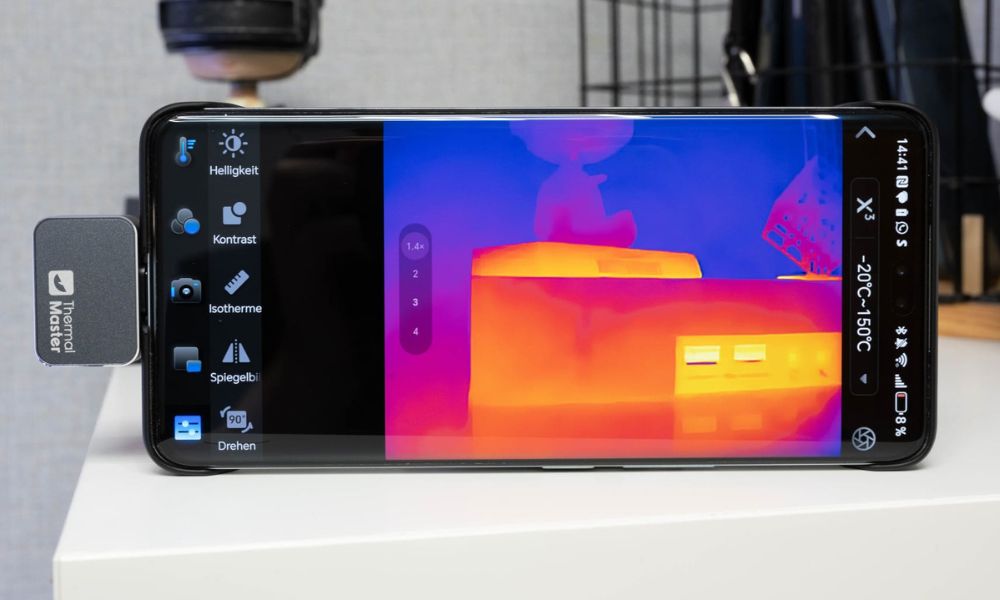
Wechseln Sie zu einer kontrastreichen Farbpalette, wie z. B. Ironbow, um subtile Temperaturänderungen hervorzuheben. Sie können den Temperaturbereich auch manuell eingrenzen (z. B. 20 °C–30 °C), um zu verhindern, dass die Umgebung schwache Signale überdeckt.
Scannen und Muster erkennen
Scannen Sie langsam und achten Sie auf gerade, klare Linien, die darauf hinweisen, dass das Rohr intakt ist. Wenn Sie verschwommene, diffuse „wolkenartige“ Flecken ohne klare Linien sehen, bedeutet dies, dass sich ein Leck in die Trockenbauwand ausbreitet.
Verifizieren und Reflexionen vermeiden
Berühren Sie immer die Oberfläche, um das Vorhandensein von Feuchtigkeit oder Wärme zu bestätigen. Seien Sie vorsichtig bei Fliesen oder Spiegeln, da diese Körperwärme reflektieren und „Geisterflecken“ erzeugen können, die Fehlalarme auslösen können.
Dokumentation
Machen Sie MSX- oder binokulare Durchlichtfotos und überlagern Sie die Wärmebilddaten mit einem Standard-Digitalbild. Dies liefert Informationen über die physische Umgebung und ermöglicht dem Wartungsteam, den genauen Ort des Fehlers im Verhältnis zum Schrank oder zur Armatur zu lokalisieren.
Was sind die Einschränkungen einer Sanitär-Wärmebildkamera?
Wärmebildkameras können nur die Oberflächentemperatur messen und nicht durch Objekte „sehen“; sie verlassen sich auf die Wärmeleitung zur Oberfläche. Wenn das thermische Signal also zu schwach ist, um die Oberfläche zu erreichen, werden Rohre, die tief im Beton oder hinter der Isolierung vergraben sind, nicht erkannt.
Darüber hinaus reflektieren reflektierende Oberflächen wie verchromte oder glänzende Keramikfliesen die menschliche Körperwärme und nicht die Temperatur des Rohrs. Umweltfaktoren wie Sonnenlicht oder Luftstrom können auch das thermische Signal überdecken, was es schwierig macht, Lecks in komplexen oder kontrastarmen Umgebungen genau zu lokalisieren.
Was ist die beste Wärmebildkamera für Klempner?
Thermal Master P3
Die Thermal Master P3 verfügt über einen ultraempfindlichen NETD-Wert von <35 mK und ein 8-mm-Makro-Manuellfokusobjektiv, das eine präzise Lokalisierung kleinster Risse in Rohrverbindungen ermöglicht. Sie kann auch schnell versteckte Lecks lokalisieren und extreme thermische Details aus nächster Nähe erfassen.
Thermal Master P2
Die Thermal Master P2 wiegt nur 10 Gramm und verfügt über ein 56,0° Weitwinkelobjektiv mit fester Brennweite, ideal zum Scannen von Fußbodenheizungen. Darüber hinaus ist sie Plug-and-Play-fähig, problemlos für Langzeittests geeignet und kann auch zur HLK-Fehlerbehebung und Wohnraumwartung eingesetzt werden.

Worauf ist bei der Wahl einer Sanitär-Wärmebildkamera zu achten?
Im Folgenden finden Sie Vorschläge zur Auswahl einer Rohr-Wärmebildkamera, die Ihnen helfen, das richtige Wärmebildgerät für Ihre Anforderungen zu kaufen:
- Keine Abstriche bei der Empfindlichkeit (NETD): Rohrlecks sind oft versteckt, daher wird empfohlen, eine Kamera mit einer Empfindlichkeit unter 40 mK oder 35 mK zu wählen. Dadurch können Sie selbst schwache thermische Signale erkennen.
- Wählen Sie ein Fokusobjektiv: Für die Rohrinspektion werden manuelle Fokus-Kameras empfohlen. Dies ermöglicht eine klare Fokussierung von Bildern selbst kleinster Risse bei der Lecksuche an einer Verbindung.
- Priorisieren Sie hohe Auflösung: Wenn Sie zwischen heißen Rohren und feuchter Trockenbauwand unterscheiden möchten, wählen Sie ein Wärmebildgerät mit hoher Auflösung. Eine niedrige Auflösung führt zu verpixelten Bildern, die nur schwer genaue Informationen liefern.
- Temperaturgrenzen prüfen: Möglicherweise stoßen Sie auf Hochdruckdampf- oder Kesselrohre, daher muss Ihre Ausrüstung Temperaturen von bis zu 600 °C mit einer Genauigkeit von ±2 °C standhalten, sodass Sie jederzeit Temperaturänderungen messen können.
- Qualität: Rohrarbeiten sind eine schmutzige und holprige Arbeit, und Kameras mit Metallgehäusen sind haltbarer und tragbarer als solche mit Kunststoffgehäusen. Daher ist es am besten, eine leichte Kamera zu wählen.
- Analyseberichte: Wählen Sie eine Kamera mit einer App, damit Sie Temperaturberichte direkt auf Ihrem Telefon erstellen können. Sie können auch professionelle Wärmescans mit Freunden oder Kunden teilen.
Zusammenfassung
Zusammenfassend lässt sich sagen, dass der Zweck von Wärmebildkameras darin besteht, das Rätselraten bei der Erkennung zu beseitigen. Sie können für das bloße Auge unsichtbare Lecks aufdecken und so Demontagearbeiten vermeiden.
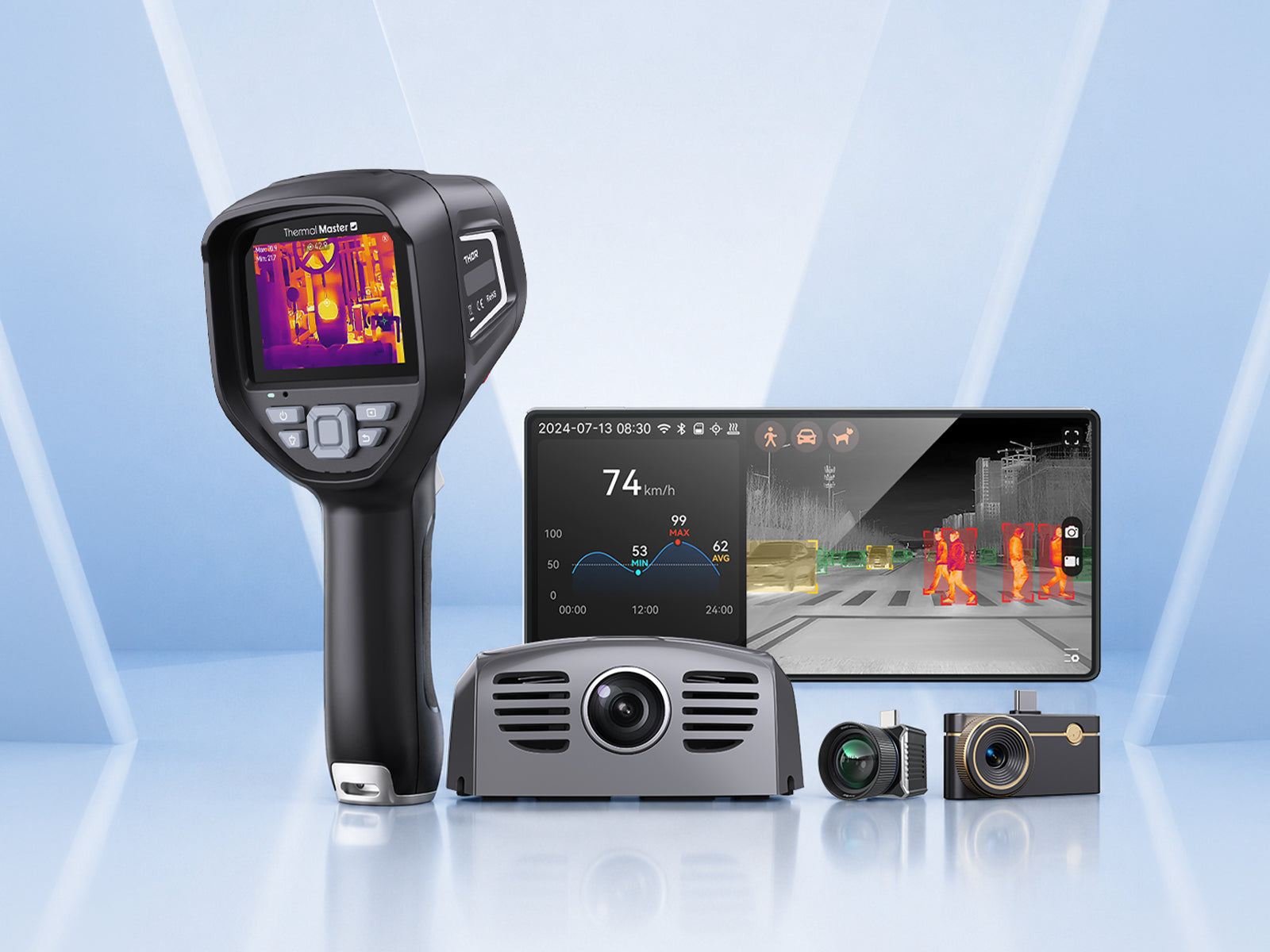
Für die genauesten Ergebnisse empfehlen wir die Verwendung eines Wärmebildgeräts wie der Thermal Master P-Serie. Sie kombiniert hochauflösende Klarheit mit hoher Empfindlichkeit und stellt sicher, dass Sie keine versteckten Feuchtigkeitsspuren übersehen.
FAQs
Kann eine Wärmebildkamera durch Wasser sehen?
Nein, eine Wärmebildkamera kann nicht durch Wasser sehen. Obwohl es kontraintuitiv erscheinen mag, ist Wasser für langwellige Infrarotstrahlung sehr undurchsichtig. Anstatt durch die Flüssigkeit zu dringen, wird die Infrarotenergie an der Oberfläche absorbiert oder reflektiert. Wenn Sie eine Wärmebildkamera auf Wasser richten, sehen Sie tatsächlich die Oberflächentemperatur des Wassers oder Reflexionen von umliegenden Objekten, anstatt das, was darunter getaucht ist.
Kann man Schimmel mit einer Wärmebildkamera erkennen?
Da feuchte Materialien aufgrund der Verdunstungskühlung typischerweise kühler sind als trockene, erscheinen sie auf einem Wärmebildscan als deutliche „Kälteflecken“. Durch die Visualisierung dieser versteckten feuchten Bereiche hinter Wänden oder unter Böden können Sie die Quelle eines Schimmelproblems identifizieren und es stoppen, bevor die Sporen überhaupt mit bloßem Auge sichtbar werden.
Kann man eine Wärmebildkamera verwenden, um Wasserlecks zu erkennen?
Ja, ein Wärmebildgerät ist ein nicht-invasives Werkzeug, das Lecks lokalisiert, indem es Temperaturunterschiede in Baumaterialien erkennt.
Wenn ein Rohr leckt, bilden sich auf dem Bildschirm „Kälteflecken“ oder „Wärmeflecken“; diese Bereiche sind auf trockenen Oberflächen besonders auffällig. Dadurch können Sie die Quelle des Lecks hinter einer Wand oder unter einem Boden genau lokalisieren und unnötige Abrissarbeiten vermeiden.
Verwandte Lektüre:
Wie verwendet man eine Wärmebildkamera für die Hausinspektion?

Hinterlasse einen Kommentar
Alle Kommentare werden vor der Veröffentlichung geprüft.
Diese Website ist durch hCaptcha geschützt und es gelten die allgemeinen Geschäftsbedingungen und Datenschutzbestimmungen von hCaptcha.