



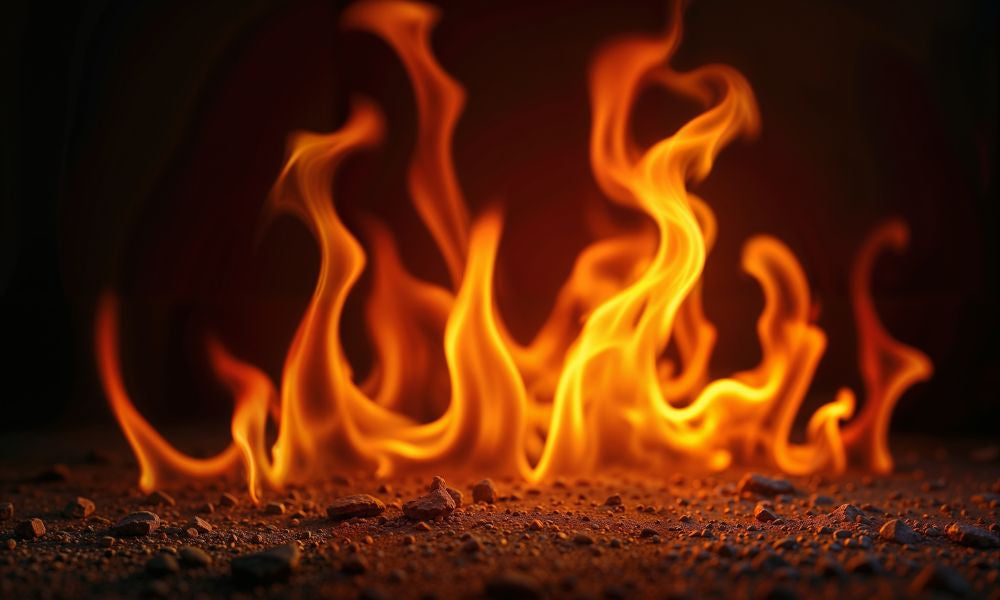
Thermische Energie ist die durch die Bewegung von Partikeln erzeugte Wärme und ist in allen Objekten oberhalb des absoluten Nullpunkts vorhanden. Obwohl unsichtbar, wird sie kontinuierlich als Infrarotstrahlung emittiert und spielt eine Schlüsselrolle in der Stromerzeugung, Klimatisierung, im Transportwesen und in medizinischen Anwendungen.
Die Wärmebildtechnik detektiert Infrarotstrahlung und wandelt thermische Energie in sichtbare Bilder um, was die Identifizierung von Temperaturunterschieden und versteckten Problemen ermöglicht.
Wie wird thermische Energie emittiert und übertragen?
Die kinetische Energie von Partikeln treibt die thermische Energie an – je schneller sie vibrieren, desto höher ist die Temperatur. In der Thermodynamik bewegt sich diese Energie durch drei grundlegende Wege von einem Ort zum anderen: Konduktion, Konvektion und Strahlung.
1. Konduktion: Kinetischer Energietransfer zwischen Partikeln
Konduktion erfolgt durch direkten Kontakt und Kollisionen zwischen mikroskopischen Partikeln. Wenn ein Festkörper erhitzt wird, verstärken sich die atomaren Schwingungen, kollidieren mit benachbarten Atomen und übertragen Energie von Bereichen hoher Temperatur zu Bereichen niedriger Temperatur, ohne dass sich das Objekt selbst bewegt.
2. Konvektion: Massentransfer aufgrund von Flüssigkeitsbewegung
Konvektion ist ein Phänomen, das nur bei Flüssigkeiten und Gasen auftritt und von der physikalischen Bewegung der Materie abhängt. Wenn eine Flüssigkeit erhitzt wird, dehnt sie sich aus, ihre Dichte nimmt ab und sie steigt auf, während kühlere, dichtere Flüssigkeiten sinken. Dieser Kreislauf von "heiß steigt auf, kalt sinkt" überträgt schnell Wärme im gesamten Raum.
3. Strahlung: Energieprojektion in den Raum
Strahlung emittiert Wärmeenergie in Form von elektromagnetischen Wellen. Es ist die einzige Form der Wärmeübertragung, die kein Medium benötigt, wodurch Wärme ein Vakuum durchdringen kann. Alle Objekte strahlen ständig Energie ab; je höher die Temperatur, desto stärker die Strahlung.
Warum kann thermische Energie detektiert und visualisiert werden?
Thermische Energie ist detektierbar, weil alle Objekte oberhalb des absoluten Nullpunkts Infrarotstrahlung emittieren. Diese Energie ist für das bloße Auge unsichtbar; sie manifestiert sich als Wärme, abhängig von der Temperatur des Objekts. Im Wesentlichen gilt: Je stärker die molekularen Schwingungen, desto mehr Strahlung reflektiert oder strahlt ein Objekt ab.
Um dieses Phänomen zu visualisieren, verwenden Wärmebildkameras spezialisierte Sensoren, um Infrarotwellen zu erfassen und die Strahlungsintensität in ein sichtbares Farbbild, ein sogenanntes Wärmebild, umzuwandeln. Dieser Prozess wandelt unsichtbare Temperaturänderungen in ein klares Bild um, das es uns ermöglicht, thermische Muster in Echtzeit zu "sehen".

Was sind die praktischen Anwendungen von thermischer Energie?
Stromerzeugung und Industrie
Wärme ist das Rückgrat des Stromnetzes. Die durch die Verbrennung verschiedener Brennstoffe erzeugte Wärme erzeugt Dampf, der Turbinen antreibt, um Elektrizität zu erzeugen. In der Fertigung liefert Wärme die hohen Temperaturen, die für das Schmelzen von Metallen und die Durchführung komplexer chemischer Reaktionen erforderlich sind.
Klimatisierung und Haushaltsanwendungen
Wir nutzen Heizungs-, Lüftungs- und Klimaanlagen (HLK), um die Innentemperaturen zu regulieren und den Komfort in Wohnräumen sowohl zum Heizen als auch zum Kühlen aufrechtzuerhalten. Darüber hinaus nutzt die solarthermische Technologie Sonnenenergie, um nachhaltiges Warmwasser für Haushalte bereitzustellen.
Transport und Antrieb
Der moderne Transport basiert auf Verbrennungsmotoren und Strahltriebwerken, die Wärme in Leistung umwandeln. Diese Motoren liefern die notwendige Leistung für Autos und Flugzeuge, indem sie Kraftstoff zünden und die thermische Ausdehnung nutzen, um Kolben anzutreiben oder Schub zu erzeugen.
Kochen und Medizin
Wärme ist ein wichtiges Werkzeug im öffentlichen Gesundheitswesen und wird zum Kochen von Lebensmitteln und zur Sterilisierung medizinischer Instrumente verwendet. Hohe Temperaturen töten schädliche Krankheitserreger ab und gewährleisten die Sicherheit von Lebensmitteln und chirurgischen Instrumenten.
Kann thermische Energie in der Wärmebildtechnik angewendet werden?
Ja. Die Wärmebildtechnik kann die Wärmeenergie (Infrarotstrahlung), die von Objekten auf natürliche Weise emittiert wird, erfassen und in ein sichtbares Bild umwandeln. Durch die Detektion unsichtbarer Strahlungssignale zur Anzeige von Echtzeit-Temperaturänderungen ist thermische Energie nicht nur auf die Wärmebildtechnik anwendbar, sondern auch deren grundlegende physikalische Basis.
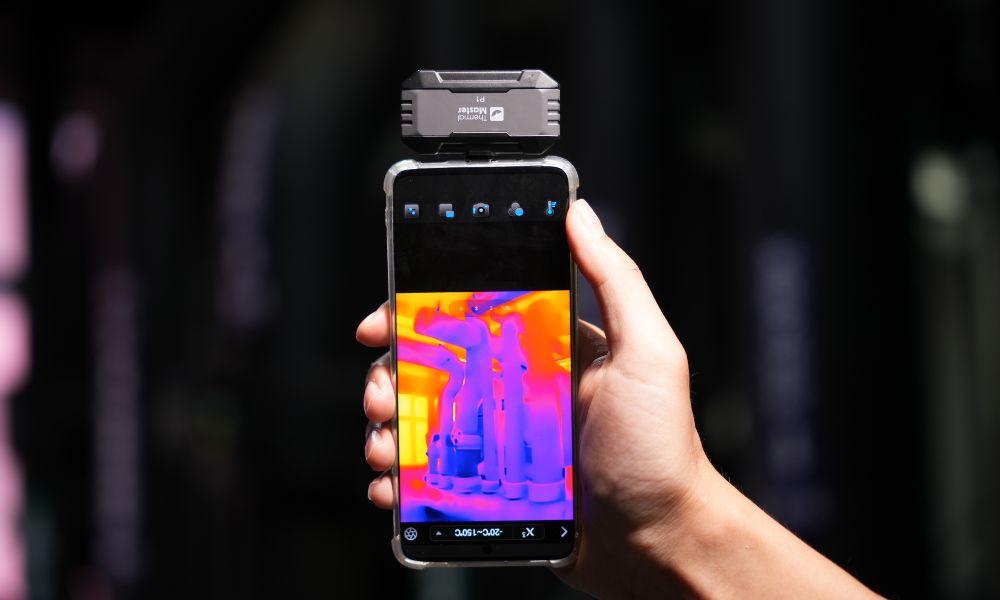
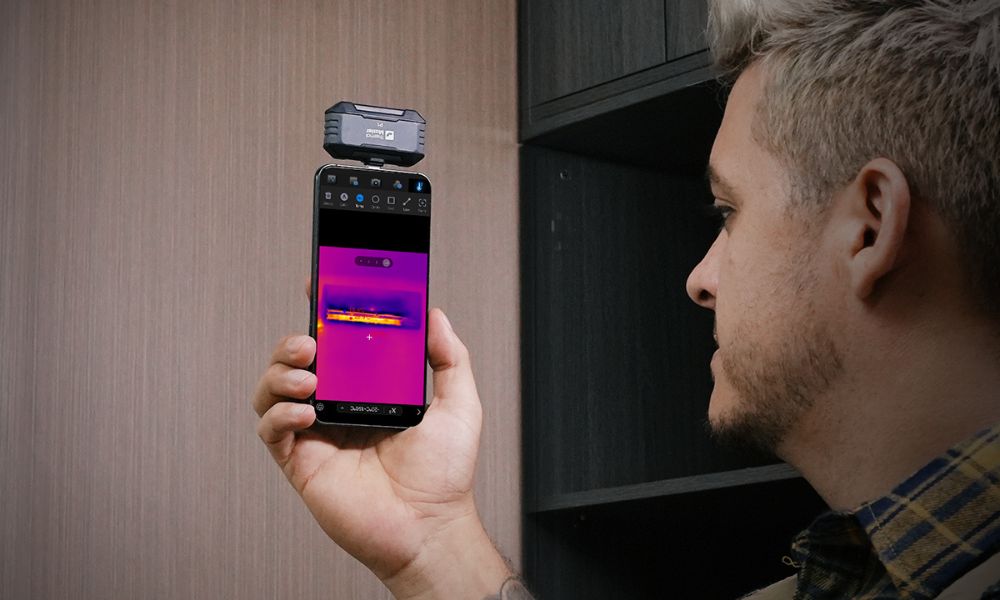
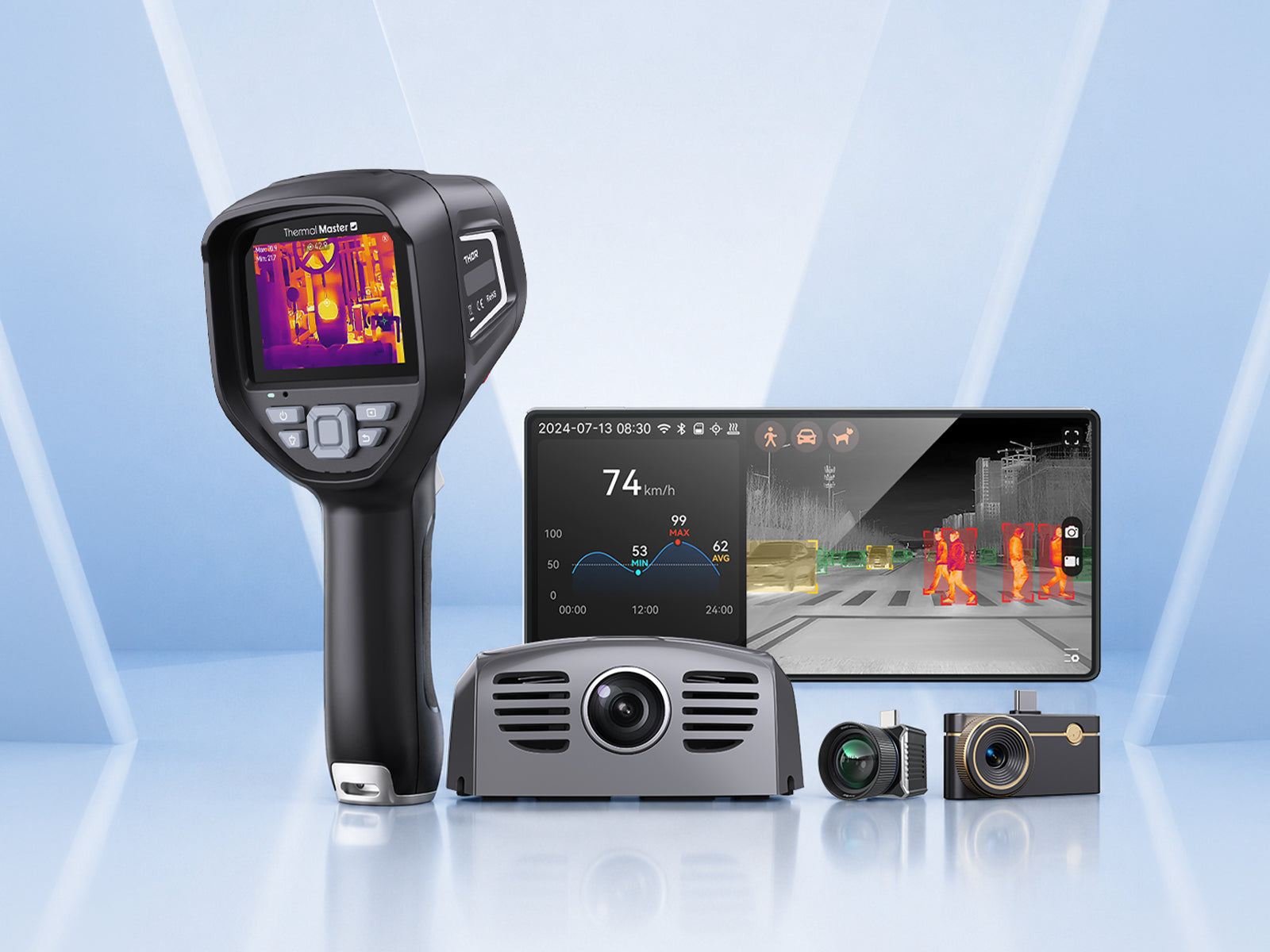
Derzeit wurden tragbare Smartphone-Wärmebildkameras und handgehaltene Wärmebildkameras entwickelt, die den täglichen Gebrauch erleichtern.
Wie nutzt die Wärmebildtechnik thermische Energie?
Wärmebildtechnik funktioniert, indem sie die Infrarotstrahlung erfasst, die von der eigenen thermischen Energie eines Objekts emittiert wird. Hier sind die drei Schritte:
- Infrarotenergie-Strahlung: Objekte mit Temperaturen über null Grad Celsius enthalten vibrierende Atome, die Energie in Form von Infrarotwellen freisetzen. Obwohl Infrarotwellen für das menschliche Auge unsichtbar sind, nimmt ihre Intensität mit der Temperatur des Objekts zu.
- Detektion und Erfassung: Wärmebildgeräte verwenden spezielle Linsen und Anordnungen von Infrarotsensoren (Mikrobolometer), um diese thermischen Signale zu empfangen. Im Gegensatz zu gewöhnlichen Kameras, die nur reflektiertes Licht sehen können, können Wärmebildgeräte die direkt von einem Objekt abgestrahlte Energie "sehen".
- Visualisierungs-Mapping (Wärmebild): Der Prozessor der Wärmebildkamera weist verschiedenen Infrarotintensitätsstufen unterschiedliche Farben zu und erzeugt so ein Wärmebild. Das unsichtbare Wärmemuster wird dann in eine sichtbare Farbkarte umgewandelt, die es uns ermöglicht, Temperaturunterschiede und Wärmelecks in Echtzeit zu lokalisieren.

Welche Probleme kann die Wärmebildtechnik unter Nutzung thermischer Energie lösen?
Die Wärmebildtechnik nutzt Wärmeenergie, um Probleme in verschiedenen Bereichen zu identifizieren, die für das bloße Auge unsichtbar sind. Hier sind einige ihrer Anwendungsbereiche:
- Gebäude und Infrastruktur: Die Wärmebildtechnik visualisiert Wärmeableitungspfade und deckt unsichtbare Energieverluste und Isolationslücken auf. Sie kann auch versteckte Feuchtigkeit erkennen und ermöglicht Reparaturen, bevor Strukturschäden auftreten.
- Elektrische und mechanische Sicherheit: Die Wärmebildtechnik kann anormale Hotspots in überlasteten Schaltkreisen oder leicht beschädigten Maschinen verhindern und präzise lokalisieren. Die frühzeitige Erkennung dieser thermischen Anomalien kann katastrophale Brände und kostspielige Geräteausfallzeiten verhindern.
- Medizinische und veterinärmedizinische Diagnostik: Im Gesundheitswesen bietet die Wärmebildkamera eine nicht-invasive Methode zur Identifizierung von Entzündungen und Kreislauferkrankungen. Da beschädigtes oder infiziertes Gewebe mehr Wärme abgibt, helfen Wärmebilder Klinikern, Problembereiche ohne physischen Kontakt zu lokalisieren.
- Suche und Rettung (SAR): Die Wärmebildtechnik beseitigt effektiv Sichtbehinderungen wie Dunkelheit oder dichten Rauch. Durch die Identifizierung der einzigartigen thermischen Signaturen von Menschen oder Tieren können Rettungskräfte vermisste Personen in Umgebungen mit eingeschränkter Sicht lokalisieren.
Fazit
Thermische Energie existiert in allen Objekten und wird durch Konduktion, Konvektion und Strahlung übertragen. Da diese Energie in Form von Infrarotstrahlung freigesetzt wird, wandelt die Wärmebildtechnik unsichtbare thermische Muster in sichtbare Bilder um, was die Analyse von Temperaturunterschieden und die Identifizierung von Problemen in industriellen, baulichen, medizinischen und Sicherheitsanwendungen erleichtert.
FAQs
Was sind die drei Arten von thermischer Energie?
Es gibt drei Hauptarten der Wärmeübertragung: Konduktion, Konvektion und Strahlung. Konduktion überträgt Wärme durch direkten Kontakt zwischen Partikeln, Konvektion bewegt Wärme durch die Bewegung von Flüssigkeiten oder Gasen, und Strahlung überträgt thermische Energie als elektromagnetische Wellen, ohne ein physikalisches Medium zu benötigen.
Ist die Wärmebildtechnik nur für industrielle Anwendungen nützlich?
Überhaupt nicht. Die Wärmebildtechnik ist weit über industrielle Anwendungen hinaus nützlich. Sie hilft, Wärmeverluste in Gebäuden zu erkennen, elektrische und mechanische Systeme zu überwachen, bei medizinischen Diagnosen zu unterstützen und sogar bei Such- und Rettungseinsätzen, indem sie für das bloße Auge unsichtbare Wärmesignaturen offenbart.
Kann die Wärmebildtechnik im Freien oder bei Dunkelheit eingesetzt werden?
Ja. Die Wärmebildtechnik detektiert Infrarotstrahlung, sodass sie auch in völliger Dunkelheit und bei schlechten Sichtverhältnissen wie Rauch, Nebel oder leichtem Regen funktioniert. Dies macht sie ideal für Außeninspektionen, Sicherheitsüberwachung, Suche und Rettung sowie Wildtierbeobachtung, sodass Benutzer Wärmequellen lokalisieren können, die für das bloße Auge unsichtbar wären.
Verwandte Lektüre:
Können Wärmebildkameras durch Wände sehen?
Wie verwandelt man sein Smartphone in eine Wärmebildkamera?

Hinterlasse einen Kommentar
Alle Kommentare werden vor der Veröffentlichung geprüft.
Diese Website ist durch hCaptcha geschützt und es gelten die allgemeinen Geschäftsbedingungen und Datenschutzbestimmungen von hCaptcha.